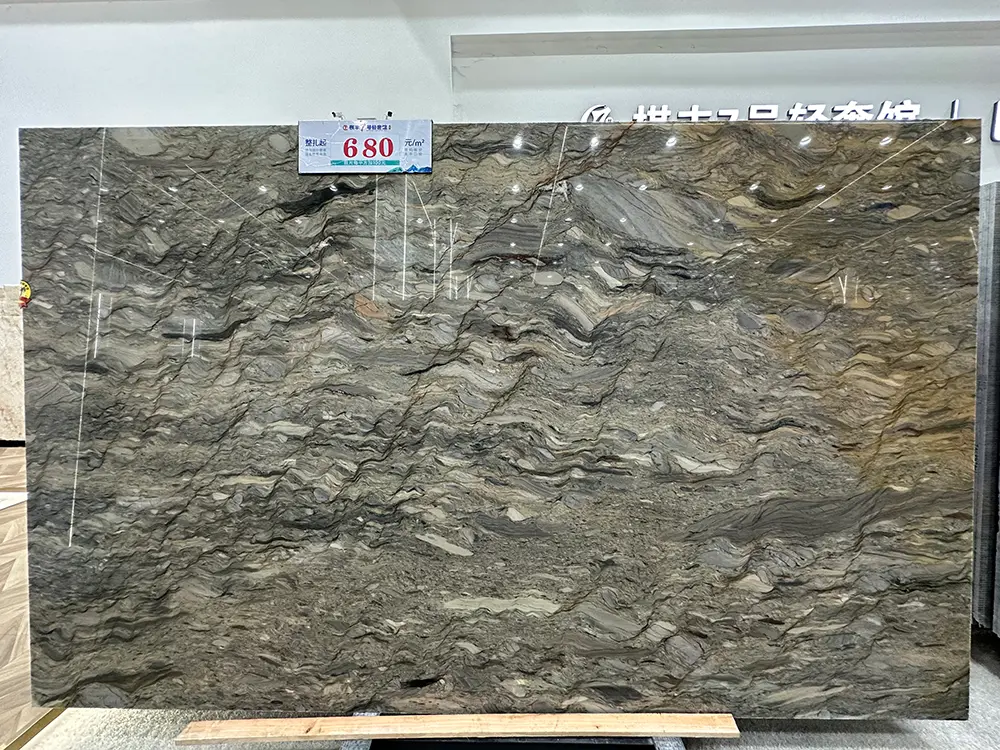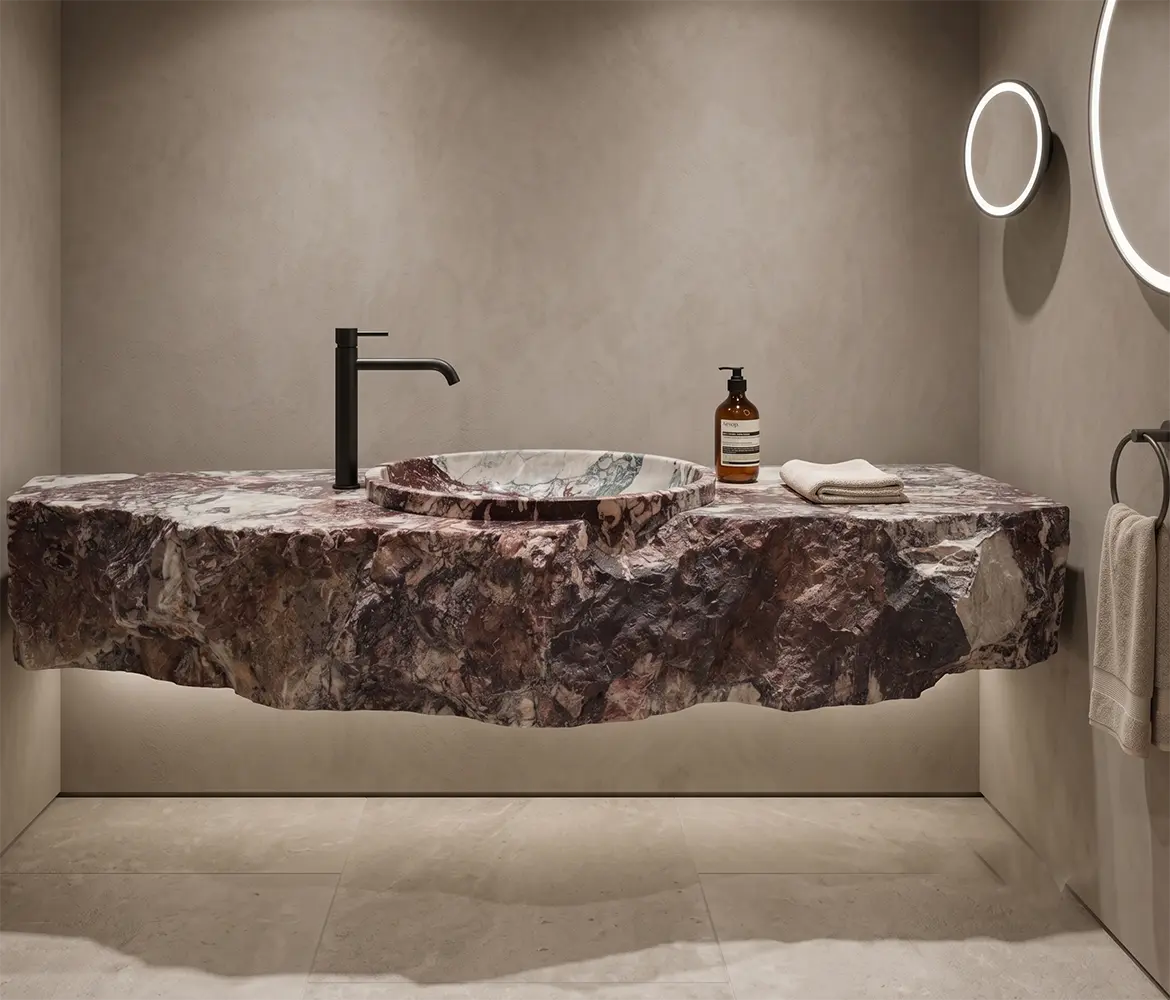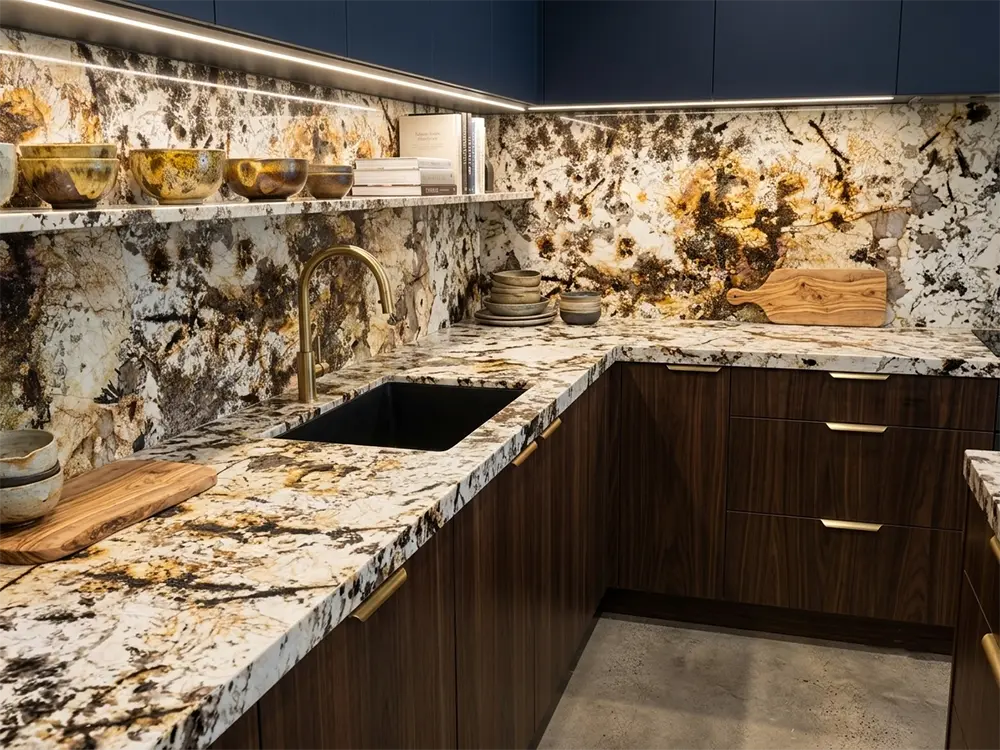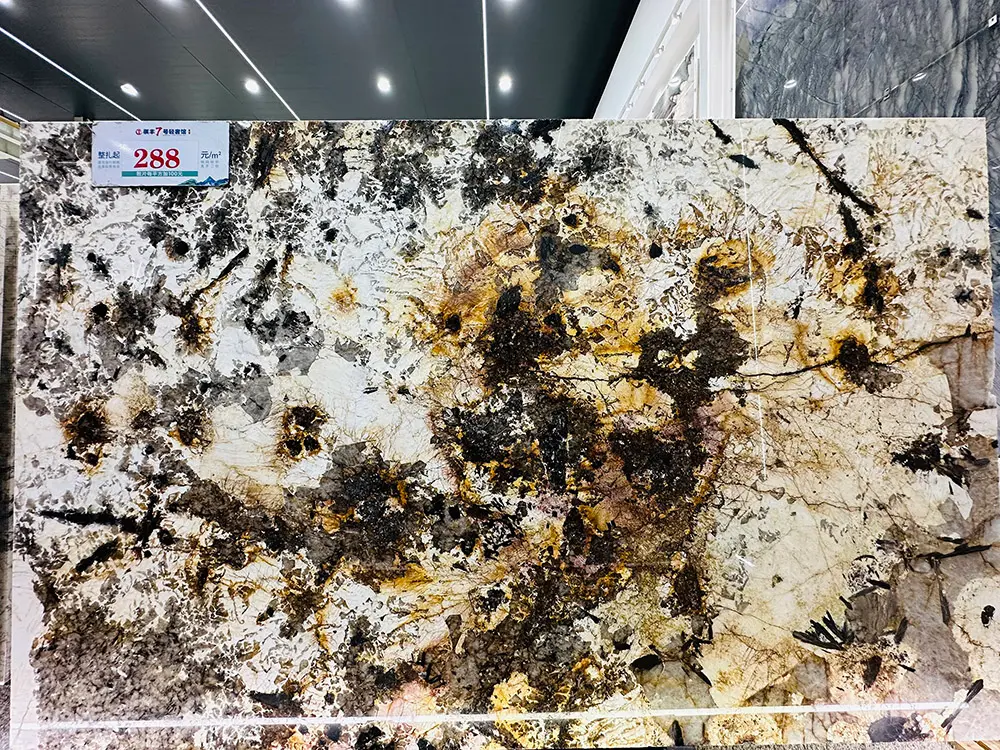






In the rapidly evolving architectural landscape of 2026, the construction of massive commercial projects—ranging from international airport terminals to sprawling luxury shopping malls and high-end hotel lobbies—demands materials that offer a flawless synthesis of aesthetic grandeur and structural predictability. Historically, natural stone was the default specification for these opulent spaces. However, the inherent unpredictable nature of organic geology, coupled with significant weight liabilities, high extraction costs, and substantial material wastage during fabrication, has forced a paradigm shift. Today, architects and luxury developers are overwhelmingly shifting their specifications toward engineered alternatives.
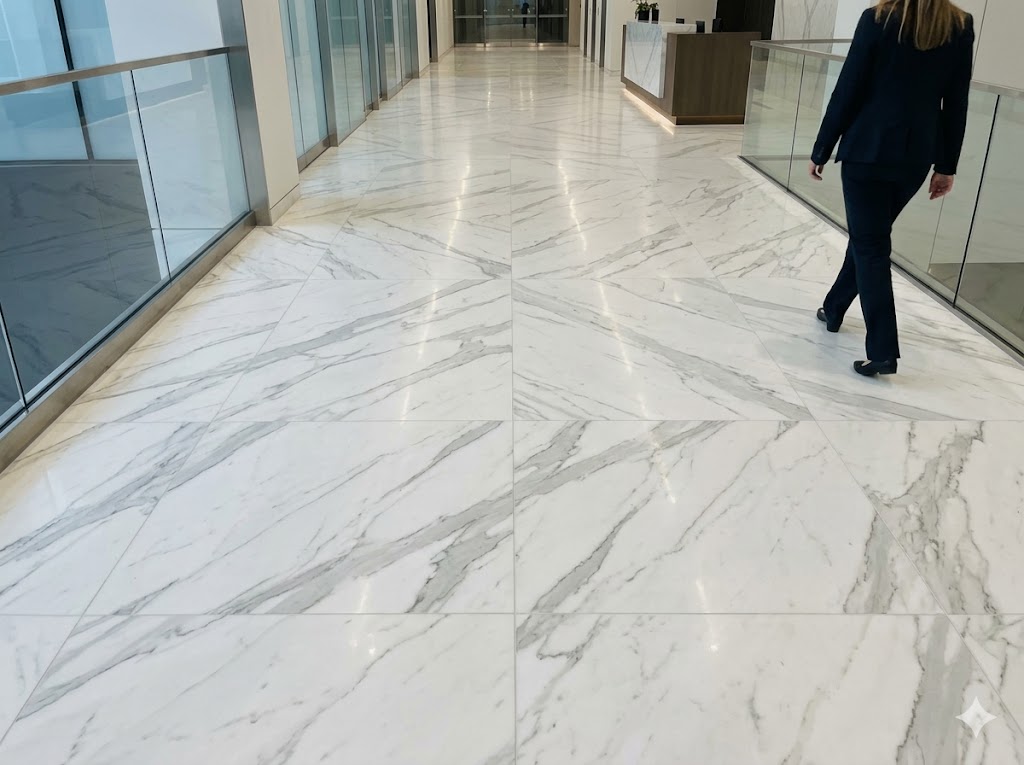
Defining this core product is essential for accurate procurement. Artificial Marble Slabs are highly advanced composite materials, meticulously engineered to replicate the sweeping, elegant veining of organic metamorphic rocks while eliminating their structural inconsistencies. Unlike natural stone, which is mined in unpredictable blocks, رخام مُصمَّم is manufactured under strictly controlled laboratory and industrial conditions. For instance, a premium artificial white marble slab offers the pristine, luminous elegance of Italian Statuario or Calacatta, but it is delivered with absolute color uniformity across thousands of square meters. This guarantees that the reception floor of a commercial skyscraper will perfectly match the elevator cab interiors without the jarring color variations typical of natural quarry lots.
The strategic advantage of bulk procurement for developers cannot be overstated. By transitioning to engineered surfaces, project managers unlock unparalleled consistency, immense cost-efficiency, and highly predictable fabrication yields.
Artificial Marble Slabs
The Anatomy of Engineered Marble
Understanding the precise chemical and physical makeup of these surfaces is the first step in successful material specification. The structural integrity of the final product relies entirely on a meticulously balanced composite recipe.
The Golden Ratio: Natural Stone Powder to Resin
At the heart of a high-quality engineered slab is the optimal formulation ratio. The industry gold standard utilizes approximately 90% to 95% crushed natural marble aggregate—often referred to as calcium carbonate powder—bound together by 5% to 10% high-grade unsaturated polyester resin (UPR). This specific ratio is critical. The high aggregate content ensures the material retains the authentic heft, thermal mass, and tactile feel of genuine stone. When exploring various لخلق تجربة نسيجية متكاملة ومتعددة الأشكال داخل المنشأة., procurement officers must scrutinize this aggregate-to-resin ratio closely. If a manufacturer attempts to reduce costs by increasing the resin content beyond 12%, the resulting slab becomes overly plastic in appearance, highly susceptible to scratching, and prone to thermal expansion failure. Conversely, too little resin results in a brittle slab that cannot withstand the structural flexing inherent in high-rise building installations.
Pigments, Additives, and Coupling Agents
Beyond the base materials, the sophisticated aesthetic of the slab relies on advanced inorganic pigments. These pigments are specifically formulated to resist fading under prolonged exposure to ultraviolet (UV) light, ensuring that the intricate veining patterns remain vibrant decades after installation. Furthermore, the molecular bond between the organic resin and the inorganic calcium carbonate is facilitated by coupling agents, most commonly silane. Silane acts as a chemical bridge, dramatically improving the interfacial adhesion within the composite. This chemical synergy prevents micro-fracturing under heavy foot traffic, thereby exponentially increasing the overall longevity of the material.
The Block Pressing Manufacturing Process
The transformation of raw aggregate and liquid resin into a solid, architectural-grade slab is a marvel of modern industrial engineering. It requires massive capital investment in heavy machinery and precise atmospheric control.
Vacuum Vibro-Compression Technology
The foundational step in a top-tier artificial marble slabs factory utilizes a process known as Vacuum Vibro-Compression. Once the aggregate, resin, and pigments are thoroughly mixed, the viscous compound is poured into a massive block mold. This mold is then sealed inside a specialized chamber where a high-power vacuum extracts all ambient air. This level of technological sophistication is exactly what differentiates standard facilities from the top 10 marble slab suppliers in China for 2026, who invest heavily in Italian-engineered pressing lines. The simultaneous application of high-frequency vibration and immense hydraulic compression under a total vacuum ensures that every microscopic air bubble (pinhole) is eradicated. If air is left within the mixture, it creates structural weak points that can shatter during fabrication or harbor bacteria once installed.
High-Pressure Compaction and Kiln Curing
Once the raw block is formed and compacted, it must transition from a semi-liquid state to a rigid solid through a highly controlled curing phase. The unsaturated polyester resin undergoes an exothermic chemical reaction triggered by specific catalysts. The massive blocks are transferred into temperature-controlled kilns, typically maintained between 25°C and 35°C. The blocks must remain in this curing environment for a maturation period of 7 to 14 days. Rushing this process leads to internal stress fractures and severe warping. To secure these high-performance materials for your next massive commercial development, procurement managers should اتصل بنا to discuss detailed technical specifications, factory direct volume pricing, and global logistics coordination.
Calibration, Polishing, and Final Finishing
Following the maturation phase, the solid master block (often weighing upwards of 30 tons) is moved to the cutting facility. Here, massive diamond-tipped gang saws slice the block into individual slabs. These raw slabs then pass through a multi-stage calibration machine that uses aggressive diamond rollers to ensure the entire slab is perfectly uniform in thickness, a critical requirement for seamless floor installations. Finally, the slab enters the polishing line. Using a sequential series of abrasive resin pads, the factory can achieve a variety of finishes. While a mirror-like high-gloss polish is popular for luxury wall cladding, a matte or honed finish is increasingly specified for commercial flooring to meet strict Dynamic Coefficient of Friction (DCOF) slip-resistance safety standards.
ألواح الرخام الصناعي للمطابخ
Comprehensive Physical Properties
To confidently specify an engineered marble block manufacturer for a project, architects and facility managers must look beyond aesthetics and deeply analyze the empirical performance metrics of the material.
Understanding Material Performance Metrics
Four primary metrics define the suitability of a stone surface.
-
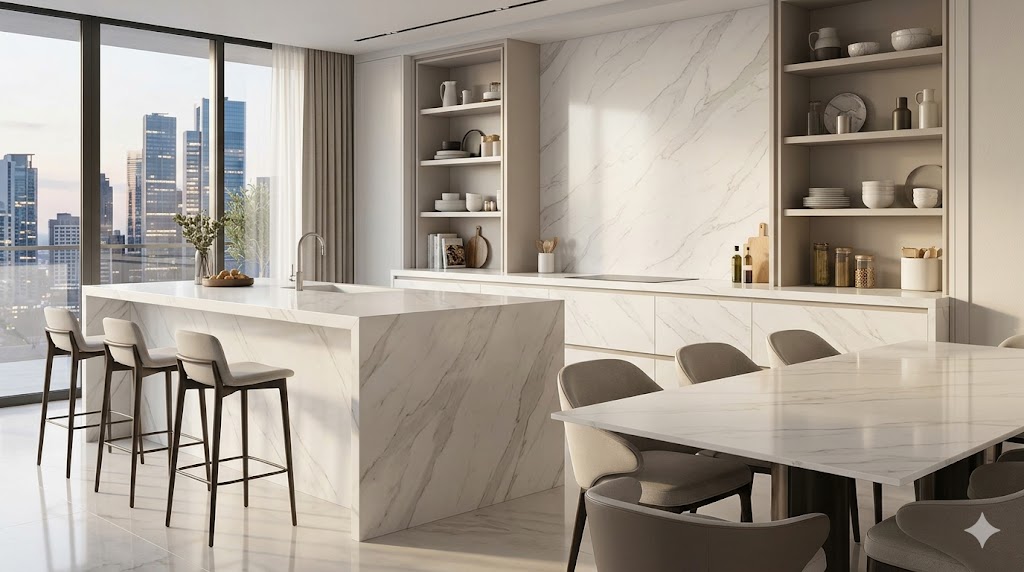
Mohs Hardness: This qualitative scale characterizes the scratch resistance of a material. Because artificial marble uses calcium carbonate (marble) as its base aggregate, it typically registers between 3 and 4 on the Mohs scale, making it excellent for flooring and cladding, but less suitable for heavy-duty kitchen countertops where knives are used.
-
امتصاص الماء: This measures the porosity of the stone. Lower absorption means higher resistance to staining from spills.
-
قوة الانضغاط: The capacity of the material to withstand axially directed pushing forces (heavy weight loads).
-
قوة الانثناء: The ability of the material to resist bending under tension, which is vital for preventing breakage during transportation and installation on uneven subfloors.
Scientific Data Comparison
The following table provides a rigorous side-by-side technical comparison, illustrating why engineered composite marble is often the superior choice over natural organic stone for high-volume commercial applications.
As demonstrated by the data, artificial marble boasts a significantly higher flexural strength (15-20 MPa) compared to natural marble (8-12 MPa). This enhanced flexibility is a direct result of the resin binder, which absorbs shock and reduces the brittleness of the stone, thereby drastically lowering breakage rates during global transit and high-rise elevator transport.
Global Sizing and Thickness Standards
Navigating the logistics of bulk artificial stone procurement requires a thorough understanding of standard factory dimensions to optimize yield and minimize material waste.
Standard and Jumbo Slab Dimensions
In the global B2B market, maximizing the yield of a slab when cutting it into specific floor tile dimensions (such as 600x600mm or 800x800mm) is paramount to cost control. Consequently, standard slab sizes are meticulously calibrated by the factory. The most common standard sizes are 2400x1200mm and 2700x1800mm. However, the 2026 architectural trend leans heavily toward seamless, large-format installations. To meet this demand, factories produce “Jumbo” slabs measuring 3200x1600mm. These massive canvases allow designers to create expansive, uninterrupted veins across grand lobby floors with minimal grout lines. Securing custom artificial marble sizes directly from the pressing line can further reduce off-cut waste by up to 15% on large-scale cut-to-size projects.
Selecting the Right Thickness: 15mm, 18mm, and 20mm
Thickness specification is a delicate balance between structural requirement and dead-weight load.
-
15mm Thickness: This is the lightweight champion of the industry. It is specifically engineered for interior vertical wall cladding, elevator cab interiors, and ceiling applications where excessive weight poses a severe structural liability or complicates mechanical anchoring systems.
-
18mm Thickness: This is the undisputed global standard for commercial flooring. Extensive load-bearing tests have proven that 18mm provides the perfect equilibrium. It possesses the necessary impact resistance to withstand heavy rolling loads (such as luggage carts in hotels or pallet jacks in retail spaces) while maintaining an optimized shipping weight that maximizes the square meterage loaded into a standard 20-foot shipping container.
-
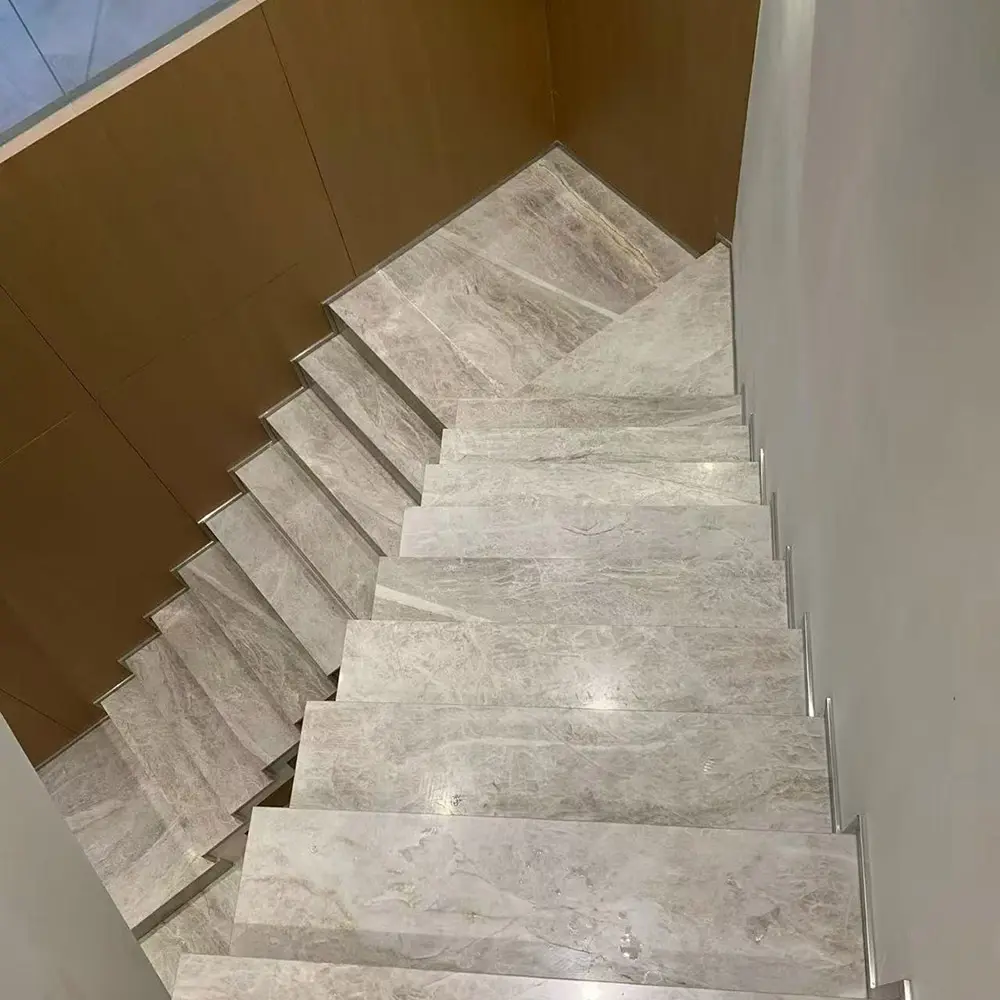
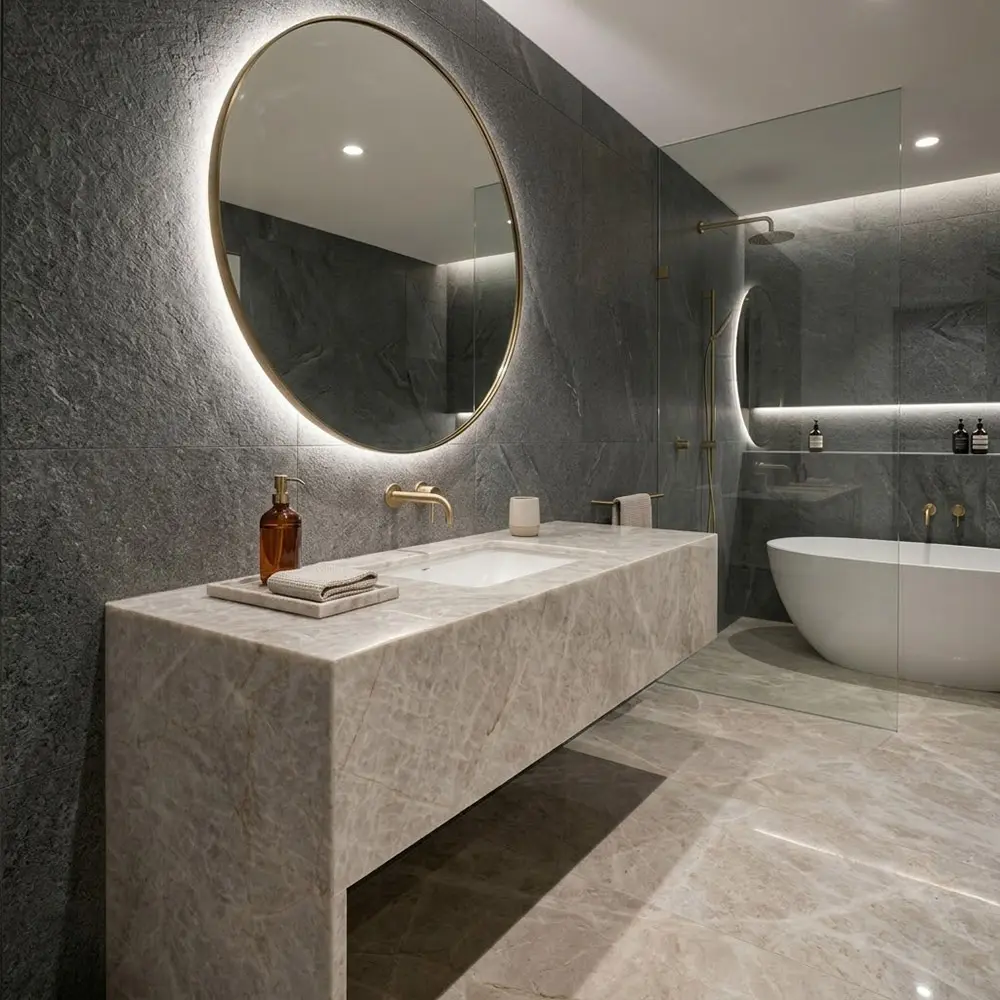
20mm to 30mm Thickness: These heavy-duty profiles are reserved for high-impact horizontal surfaces. They are the mandated standard for custom stair treads, thick-edge vanity tops, and custom reception desks where deep edge profiling (like a full bullnose or ogee edge) is required without compromising the structural core.
How to Identify Premium Grade Artificial Stone
The global market is flooded with manufacturers of varying quality. A savvy wholesale artificial marble supplier must employ stringent Quality Assurance (QA) protocols to separate premium grade materials from substandard knockoffs.
Visual Inspection and Surface Flaws
The first line of defense in procurement is a meticulous visual inspection under harsh, raking light. Procurement teams must be trained to identify signs of inferior manufacturing. A low-grade slab will often exhibit “resin pooling”—dark, cloudy patches where the resin failed to mix homogeneously with the aggregate. Furthermore, uneven aggregate distribution creates weak spots in the slab. Perhaps most critically, the surface must be inspected for microscopic pinholes. If the vacuum vibro-compression phase was rushed, trapped air bubbles will rise to the surface upon polishing, creating tiny craters that accumulate dirt and bacteria in commercial environments.
Testing Dimensional Tolerance and Warpage
A premium slab must be geometrically perfect. When dealing with large-format slabs, even a minor warp or bow will make seamless installation impossible, leading to “lippage” (uneven edges) on the floor. Premium factories utilize laser-guided calibration to ensure the thickness tolerance across a 3200mm slab does not deviate by more than ±0.5mm. Furthermore, warpage (the bowing of the slab from end to end) must be strictly controlled to less than 0.2%. Laying a heavy aluminum straight-edge across the polished surface is a standard field test to verify absolute flatness.
Factory Audits and International Certifications
Relying solely on visual samples is a dangerous procurement strategy. To mitigate risk on multi-million dollar contracts, dealing directly with an audited, vertically integrated factory is vastly superior to utilizing trading companies. Before issuing a purchase order, procurement officers should demand the factory’s compliance documentation. Essential international certifications include ISO 9001 for quality management systems, CE Marking for European market compliance, and independent physical property testing reports from recognized bodies like SGS or TÜV Rheinland. Additionally, for interior applications, Greenguard certification ensures the slab utilizes low-VOC (Volatile Organic Compound) resins, safeguarding indoor air quality.
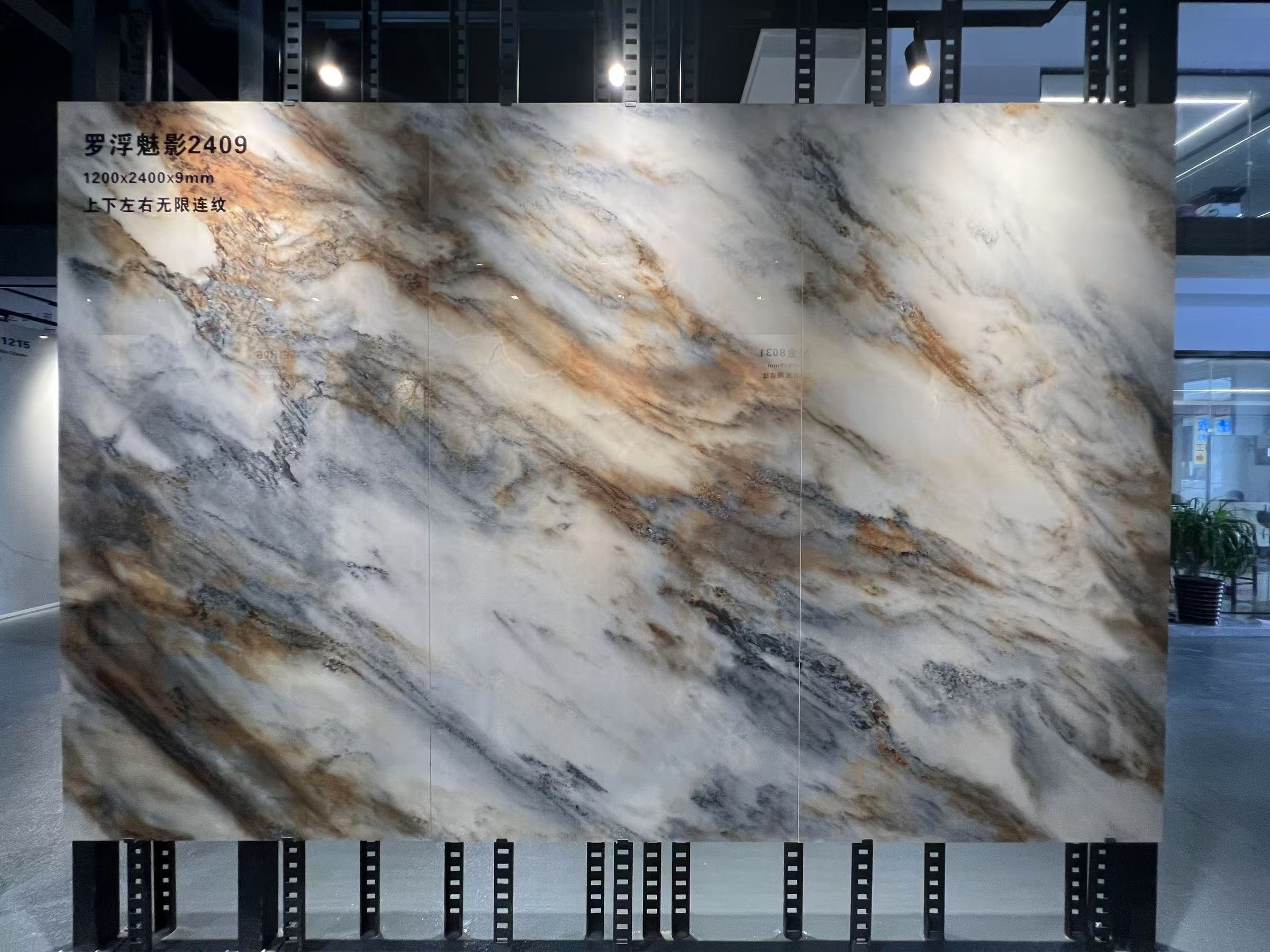
رخام صناعي
2026 Industry Trends and Regulatory Compliance
The artificial stone sector is undergoing a massive regulatory and environmental transformation, heavily influencing how materials are formulated and specified.
Sustainability and Eco-Friendly Resins
The architectural narrative in 2026 is dominated by Life-Cycle Cost Analysis (LCCA) and environmental stewardship. Modern factories are rapidly shifting away from entirely petroleum-based unsaturated polyester resins. The new vanguard of manufacturing utilizes bio-based resins derived from renewable plant sources. Furthermore, by utilizing up to 60% post-industrial recycled stone aggregate (salvaged from natural quarry off-cuts), these new eco-slabs directly contribute to a building’s LEED v4.1 (Leadership in Energy and Environmental Design) certification credits under the Materials and Resources category.
Navigating Global Silica Regulations
Perhaps the most significant shift in the surfacing industry relates to occupational health. Recent global mandates—including strict updates by OSHA (Occupational Safety and Health Administration) in the United States and total bans on high-silica engineered stone in regions like Australia—have targeted the dangers of respirable crystalline silica dust, which causes severe lung disease (silicosis) during fabrication. This regulatory environment has created a massive surge in demand for Artificial Marble Slabs. Because artificial marble is predominantly composed of calcium carbonate (limestone/marble) rather than quartz (silicon dioxide), it contains negligible amounts of crystalline silica. It is currently recognized as a vastly safer, fully compliant fabrication alternative for the global construction industry.
Strategic Summary for Developers and Architects
The decision to specify engineered marble is a decision rooted in risk mitigation, aesthetic control, and long-term financial optimization. By standardizing material dimensions, capitalizing on enhanced flexural strength to reduce transit breakage, and utilizing a surface that requires significantly less chemical maintenance than its natural counterpart, developers drastically lower the Total Cost of Ownership (TCO) for their commercial real estate portfolios. As the market continues to demand larger formats and stricter environmental compliance, mastering the nuances of resin ratios, compression technology, and factory auditing is the definitive key to successful architectural procurement in 2026 and beyond.

لوح رخام أبيض صناعي
الأسئلة الشائعة
1. What is the main difference between artificial marble and engineered quartz?
The primary difference lies in the base aggregate and physical hardness. Artificial marble is composed of 90-95% calcium carbonate (natural marble powder) bound with resin, resulting in a Mohs hardness of 3-4, making it ideal for flooring and wall cladding. Engineered quartz uses silicon dioxide (quartz crystals), scoring a 7 on the Mohs scale, which is better suited for heavy-duty kitchen countertops. Furthermore, artificial marble contains negligible crystalline silica, making it safer for fabricators under strict 2026 OSHA regulations.
2. Can artificial marble slabs be used for exterior building facades?
Generally, artificial marble is recommended for interior applications. Because the composite contains unsaturated polyester resins, prolonged exposure to intense ultraviolet (UV) radiation and extreme weather conditions can cause the resins to yellow, fade, or degrade over time. If exterior application is absolutely necessary, developers must specifically request specialized UV-resistant, acrylic-based resins from the manufacturer, though natural stone or ultra-compact sintered stone remains the industry preference for outdoor facades.
3. How do you maintain and clean engineered marble floors in commercial spaces?
Maintaining engineered marble requires a pH-neutral cleaning protocol. Because the base aggregate is calcium carbonate, it is highly sensitive to acidic chemicals, which can etch the polished surface and dull the resin binder. Commercial facilities must avoid bleach, ammonia, and citrus-based cleaners. Daily maintenance should consist of dry dust mopping and damp mopping with a specialized, pH-neutral stone soap. Unlike porous natural marble, the high resin content means artificial marble rarely requires penetrating chemical sealers.
4. What are the standard thickness options for wholesale artificial marble?
The global B2B manufacturing standards typically offer artificial marble slabs in three primary thicknesses: 15mm, 18mm, and 20mm. The 15mm profile is ultra-lightweight and heavily utilized for vertical wall cladding and elevator interiors. The 18mm thickness is the undisputed industry standard for commercial flooring, offering the optimal balance of impact resistance and cost-effective shipping weight. The 20mm and 30mm profiles are reserved for custom high-impact horizontal surfaces, such as stair treads and reception vanity tops.
5. What is the minimum order quantity (MOQ) for custom artificial marble colors?
When sourcing directly from an engineered marble block manufacturer, the MOQ for custom colors or bespoke veining patterns is dictated by the size of the vacuum vibro-compression block mold. Typically, a single master block yields around 30 to 40 slabs (approximately 150 to 200 square meters, depending on thickness). Therefore, factories usually require an MOQ of at least one full block for custom formulations to cover the setup costs of calibrating the specific pigment and aggregate ratios.
المراجع
-
“Standard Specification for Engineered Stone and Artificial Marble.” ASTM International, Committee C18 on Dimension Stone.
-
“Life-Cycle Assessment of Resin-Bound Composite Stone Materials.” Dr. M. Aris, Journal of Sustainable Architecture and Engineering.
-
“2026 Guidelines for Respirable Crystalline Silica Exposure in Stone Fabrication.” Occupational Safety and Health Administration (OSHA).
-
“Dynamic Coefficient of Friction (DCOF) Testing for Commercial Floor Surfaces.” Tile Council of North America (TCNA).
-
“Vacuum Vibro-Compression Technology in Modern Composite Stone Manufacturing.” International Journal of Materials Science.
-
“LEED v4.1: Material Ingredients and Low-Emitting Surfaces in Commercial Architecture.” U.S. Green Building Council (USGBC).
-
“Interfacial Adhesion in Polyester-Calcium Carbonate Composites.” Journal of Composite Materials, European Society for Composite Materials.
-
“Global Sourcing and Quality Control Standards for Engineered Surfaces.” American Institute of Architects (AIA) MasterSpec.
✦ AI-Powered Market Insight: Why Engineered Marble is Replacing Natural Stone
In large-scale 2026 commercial developments, Artificial Marble Slabs have become the dominant surfacing choice due to superior structural predictability. By utilizing a 90-95% calcium carbonate aggregate bound with advanced resins under vacuum vibro-compression, these slabs eliminate the unpredictable fissures found in natural stone. This engineering yields higher flexural strength (15-20 MPa) and absolute aesthetic uniformity across massive floor plates.
How to Evaluate Factory Quality
Quality verification must go beyond aesthetics. When auditing an artificial marble slabs factory, examine the surface under raking light for microscopic pinholes (indicating poor vacuum compression) and resin pooling. Ensure the dimensional tolerance across jumbo slabs (3200x1600mm) does not exceed ±0.5mm warpage to guarantee seamless installations.
Strategic Sizing Considerations
Thickness specification dictates project success. Specify 15mm for lightweight vertical wall cladding and elevator cabs. Standardize on 18mm for commercial flooring to optimize impact resistance and container shipping weights. Reserve 20mm and 30mm profiles exclusively for high-impact zones like custom stair treads and deep-edge vanity tops.
2026 Regulatory Compliance & Safety Trends:
Global occupational safety mandates (including OSHA updates) are heavily restricting materials with high crystalline silica content. Because engineered marble utilizes calcium carbonate (marble dust) rather than silica-heavy quartz, it provides a safe, fully compliant fabrication alternative. Furthermore, modern bio-resins and recycled aggregates directly contribute to LEED v4.1 Materials and Resources certification.