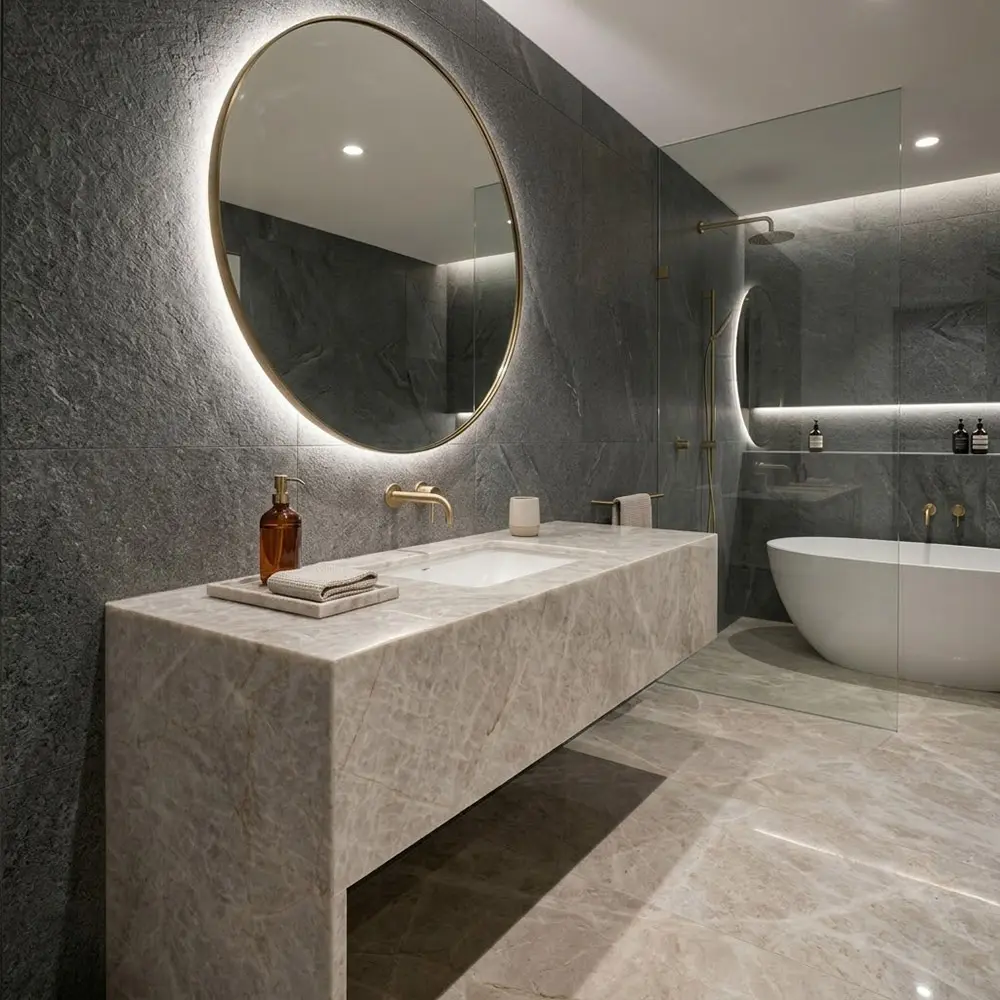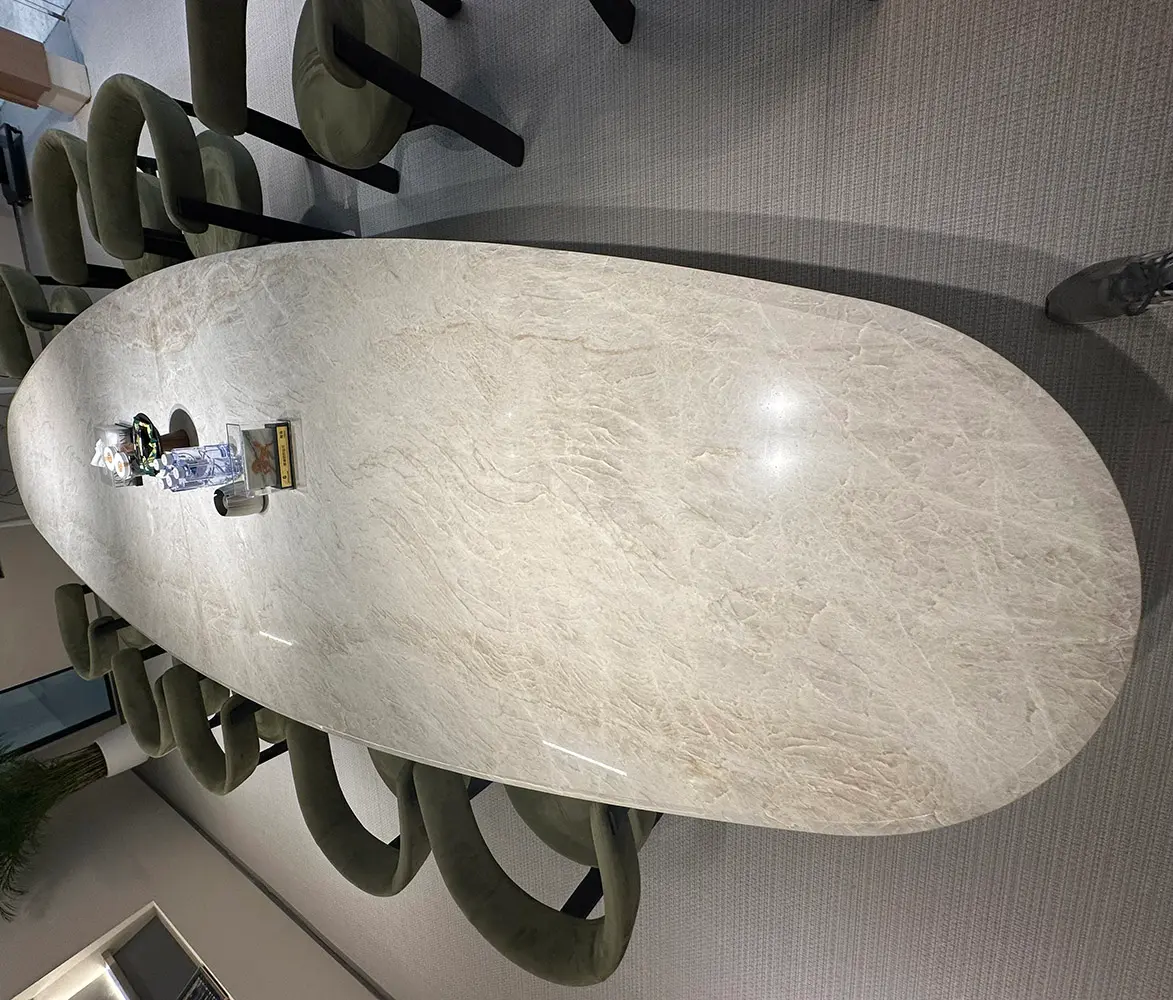






Sustainability in Decorative Stone – A New Era for Losas de ónice
As the global design and construction industry evolves, sustainability has become more than a trend—it is a guiding principle. For materials like Losas de ónice, which are prized for their natural translucence and luxurious appearance, aligning aesthetic appeal with environmental responsibility is key. In today’s shifting regulatory landscape, from local environmental mandates to growing corporate commitments to reduce carbon footprints, businesses in the stone industry are adapting to these changes while maintaining product excellence.
En Caronstone, we understand the growing importance of producing and sourcing Losas de ónice responsibly. With increasing interest from commercial designers, architects, and homeowners, onyx is finding new applications in wall cladding, countertops, and feature panels. This article explores how sustainability, regulatory frameworks, and innovation intersect in the natural stone sector—especially as they relate to Losas de ónice—offering insight into how our industry can grow with purpose.
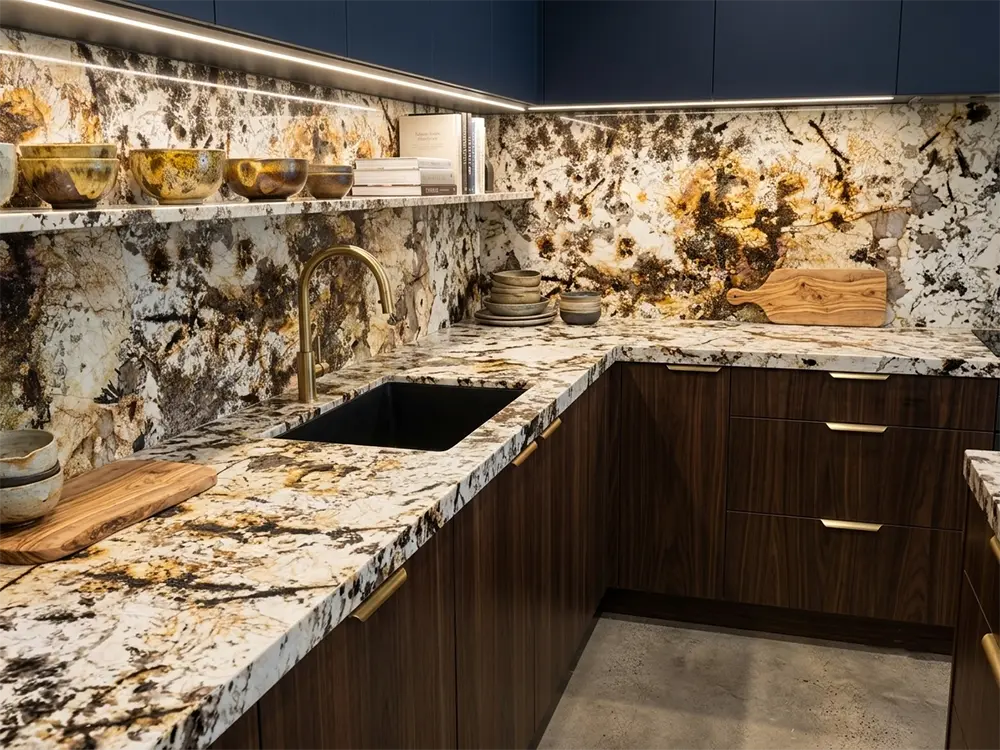
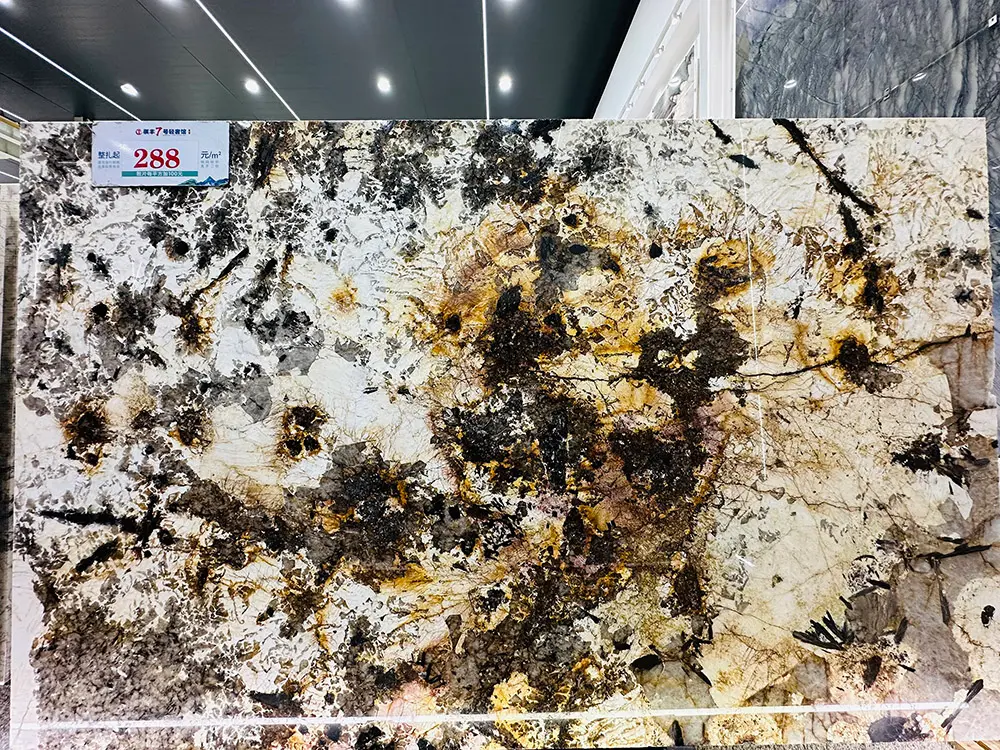
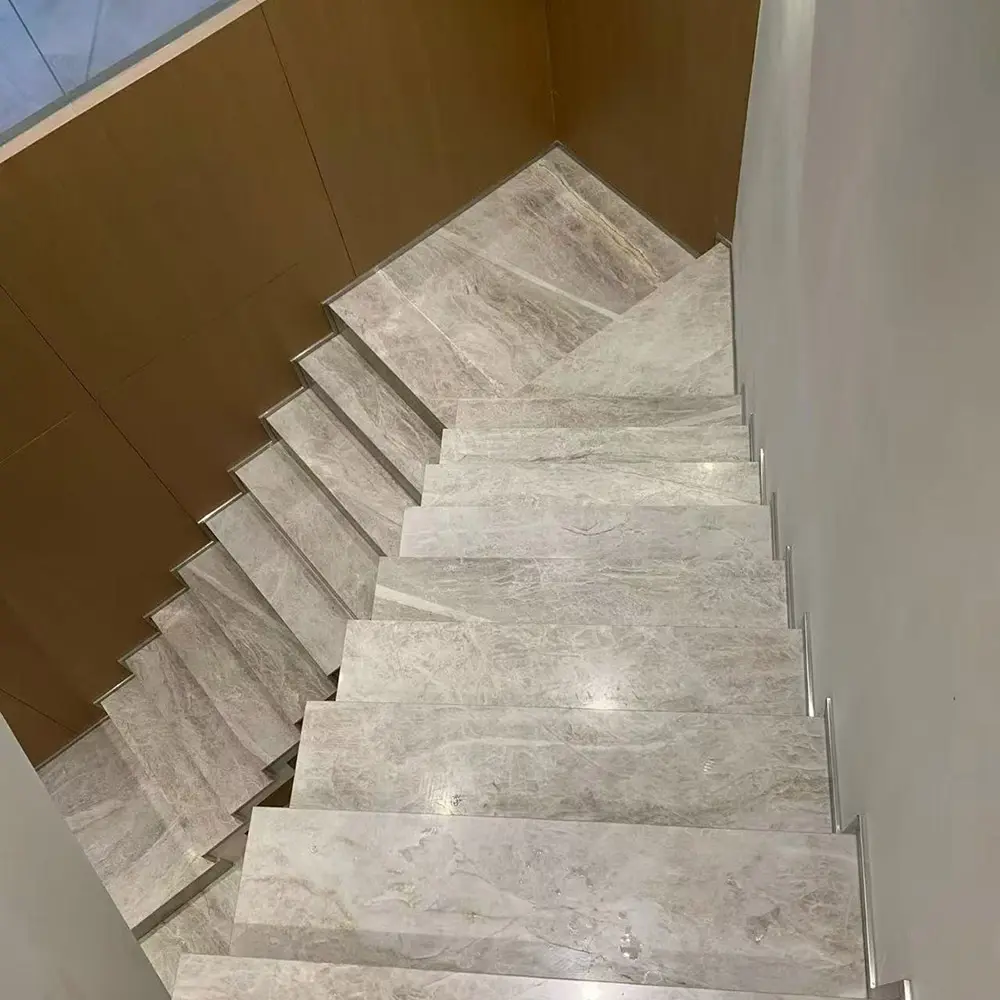
Hot Selling Onyx Slabs
Understanding Losas de ónice in a Sustainability Context
Losas de ónice, a type of calcium-based sedimentary stone, are formed through natural mineral processes over thousands of years. Their unique layered appearance and radiant translucency make them a popular choice in luxury interiors. However, because of their relatively softer nature and limited quarry sources, responsible extraction, transportation, and finishing are essential to reducing environmental impacts.
To align with sustainable practices, producers and distributors of Losas de ónice—including Caronstone—are adopting strategies that include:
-
Reduced water usage during cutting and polishing
-
Energy-efficient processing equipment
-
Ethical quarry sourcing agreements
-
Waste reduction in fabrication
-
Reuse of offcuts for mosaic or secondary applications
These measures not only lessen the environmental footprint but also align with evolving expectations from environmentally conscious consumers and regulators.
Policy Trends Shaping the Future of Stone Materials
While stone itself is a natural material, the processing and logistics surrounding Losas de ónice are subject to environmental scrutiny. Across various states and international markets, new guidelines and standards are shaping how building materials are evaluated for sustainability.
For example:
-
U.S. state-level building codes are increasingly requiring LEED-compliant materials for public and commercial construction, indirectly favoring sustainable Losas de ónice with documented sourcing.
-
California’s CALGreen Code encourages the use of materials that are locally sourced, energy-efficient, and recyclable—an important consideration for stone importers and distributors.
-
The European Union’s Green Deal promotes circular economy practices, pushing suppliers of Losas de ónice in European markets to reduce waste and improve environmental disclosures.
En Caronstone, we continually evaluate and adjust our production and distribution practices to meet and exceed these emerging expectations.
Innovation and Design: Sustainable Use of Losas de ónice
A key sustainability challenge for any luxury material is minimizing waste while maximizing visual and functional value. Architects and designers are now encouraged to think creatively about how Losas de ónice can be used in both bold and efficient ways.
Innovative sustainable applications of Losas de ónice include:
-
Paredes retroiluminadas that use thin slabs to reduce material volume while enhancing visual impact
-
Furniture inlays that repurpose offcuts from larger projects
-
Curved or cut-to-size panels to minimize installation waste
-
Water-based sealants to preserve appearance without toxic emissions
By collaborating closely with designers, Caronstone ensures that the beauty of Ónice Slabs is not lost to waste. Every cut is considered, and leftover materials are redirected into smaller-scale products or artistic features.
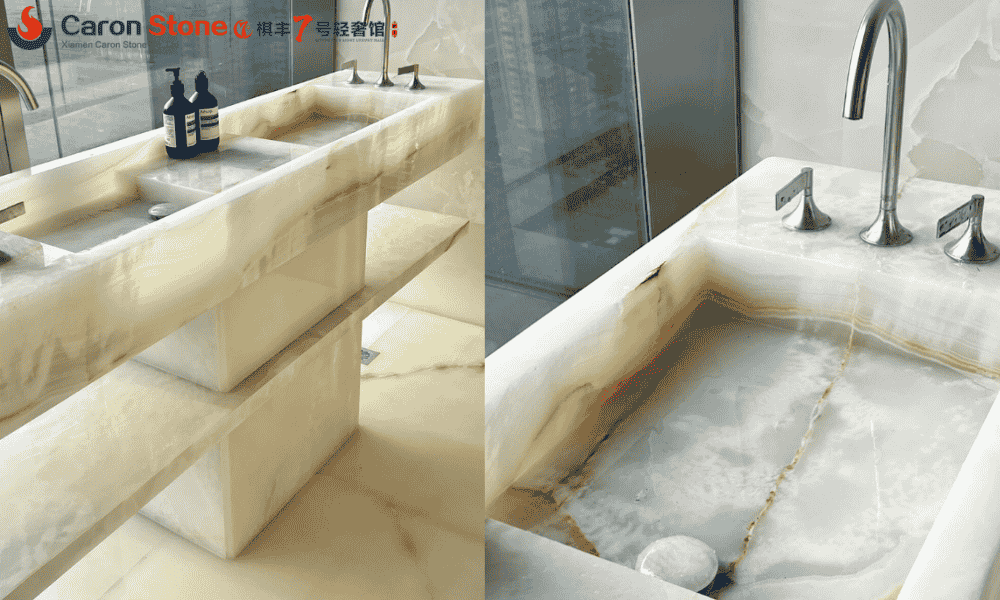
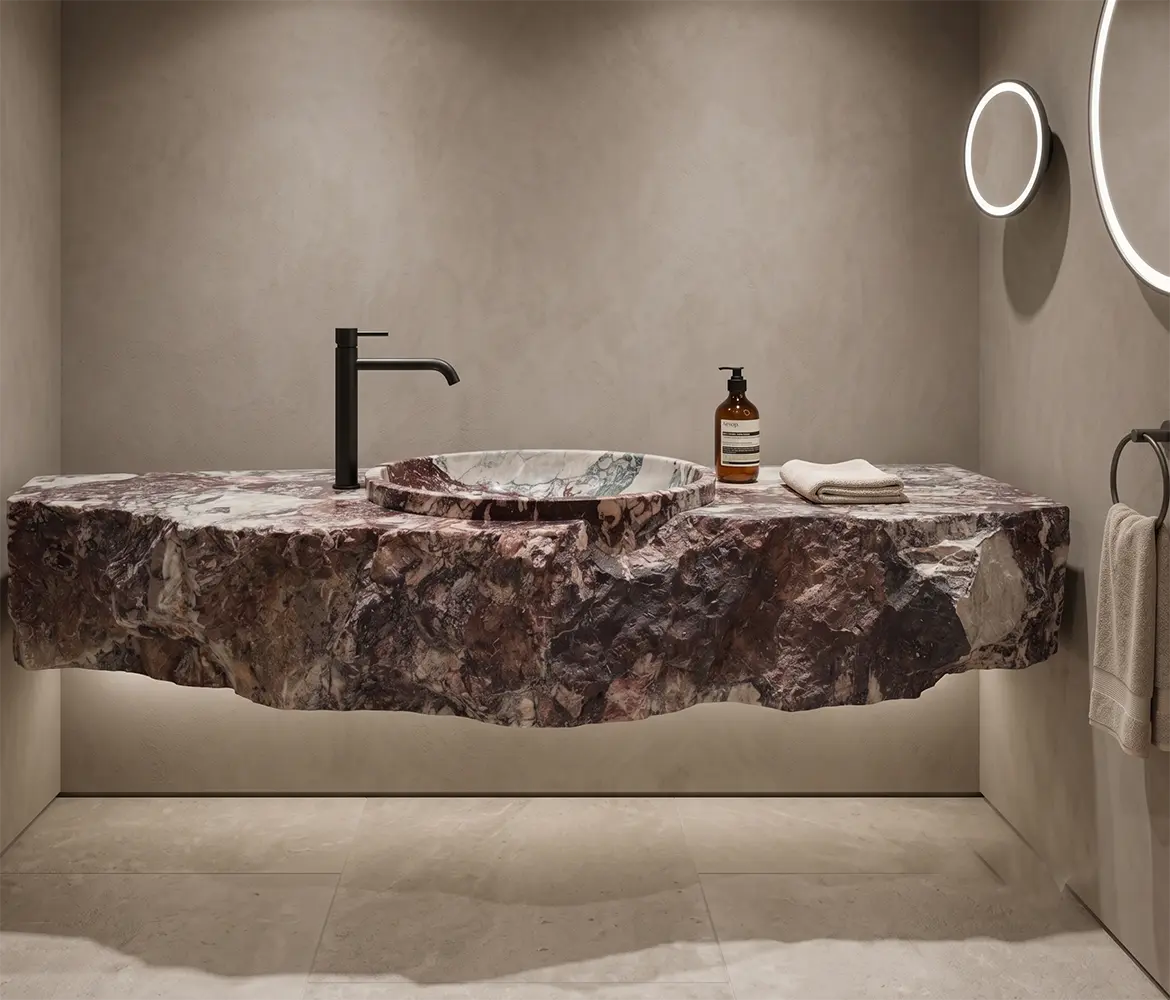
Onyx Slabs Sink
Local and Global Responsibility in Quarrying and Sourcing
The responsible sourcing of natural stone is central to its sustainability. At Caronstone, we work with quarries that adhere to environmental restoration programs, worker safety protocols, and ethical labor practices. For Losas de ónice, which are often sourced from specific regions like Mexico, Turkey, and Pakistan, this means building long-term relationships with quarry partners who share our values.
Key aspects include:
-
Minimizing over-extraction and land degradation
-
Transport optimization to reduce emissions
-
Transparent supply chain practices with full traceability
Responsible sourcing isn’t just good for the planet—it enhances the long-term viability and reputation of Losas de ónice as a luxury material with integrity.
Circular Economy: Extending the Life of Losas de ónice
Sustainability doesn’t stop at sourcing and fabrication—it continues into the product’s full lifecycle. As part of a circular economy model, Caronstone encourages clients and construction partners to consider reusing or reclaiming Losas de ónice during renovations.
Some strategies include:
-
Retrofitting panels in new interior layouts
-
Using reclaimed Losas de ónice for artistic or accent elements
-
Donating unused or surplus materials to creative reuse organizations
By promoting reuse and recycling, we reduce landfill contributions and extend the aesthetic and economic value of every slab.
Consumer Awareness and Informed Choices
In today’s environmentally conscious marketplace, the demand for transparency in material sourcing is high. Caronstone supports consumers by:
-
Providing detailed documentation on the origin and sustainability of our Losas de ónice
-
Offering care guides to maximize lifespan and reduce unnecessary replacement
-
Promoting eco-friendly maintenance products compatible with natural stone
Educated consumers are empowered to make choices that reflect their values—both in terms of style and sustainability.
Collaborative Pathways: Caronstone’s Role in a Greener Future
Sustainability in the stone industry is not a solitary pursuit. It requires collaboration between producers, designers, policymakers, and end users. At Caronstone, we:
-
Engage with industry groups to share best practices
-
Participate in sustainability forums and trade shows
-
Invest in R&D to find new ways to lower environmental impact without compromising beauty or performance
We believe that luxury and sustainability can coexist. By choosing Losas de ónice with intention and awareness, our clients become part of a movement that respects the earth and celebrates natural artistry.
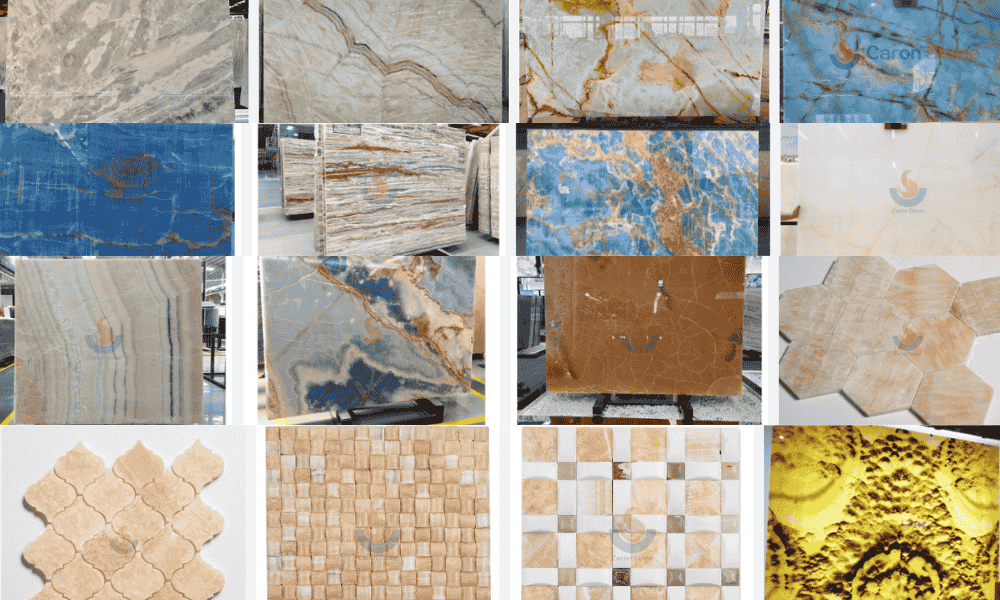
Losas de ónice
The Responsible Future of Losas de ónice
As regulations evolve and public awareness increases, the future of the natural stone industry—especially in relation to Losas de ónice—is clearly moving toward more responsible and transparent practices. While global and national policies shape overarching trends, companies like Caronstone play a critical role in turning these ambitions into action.
By integrating eco-conscious production, responsible sourcing, circular economy principles, and consumer education, we’re building a business that thrives not only on beauty but on purpose. Onyx Slab are more than just surfaces; they are statements of timeless design, made meaningful by the values they reflect. We invite architects, builders, and consumers alike to join us in shaping a future where elegance meets environmental integrity.
Together, we can ensure that Onyx Slab continue to grace our most beautiful spaces—responsibly, sustainably, and enduringly.