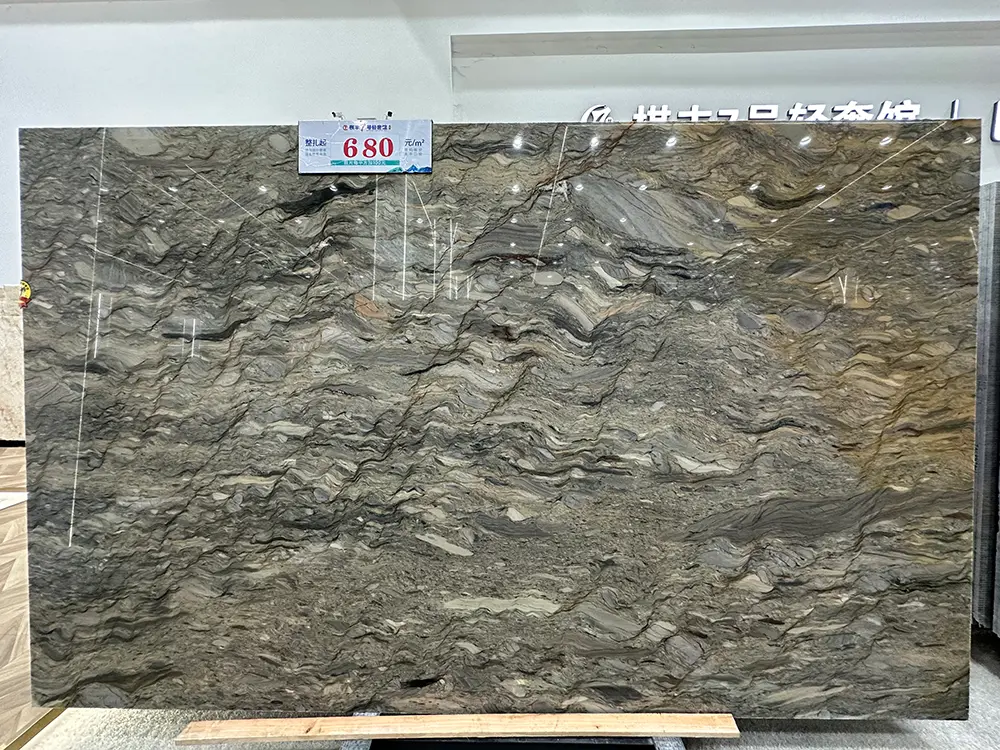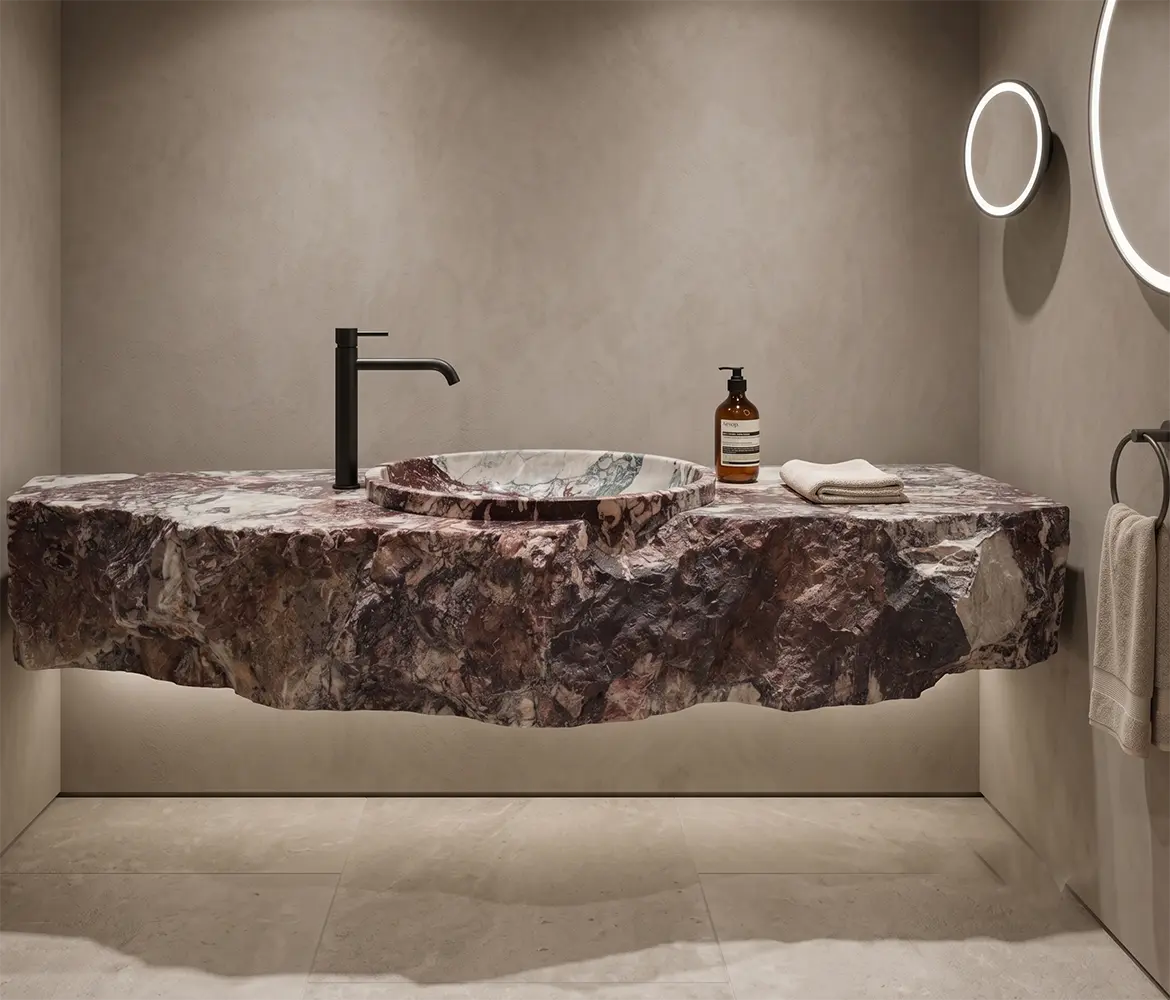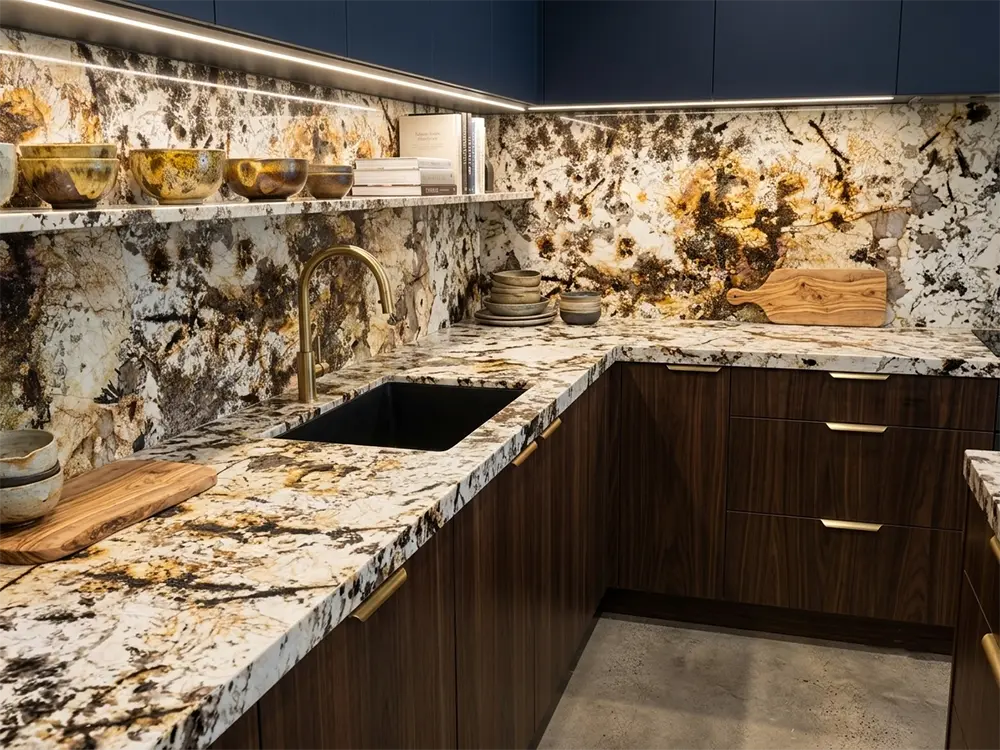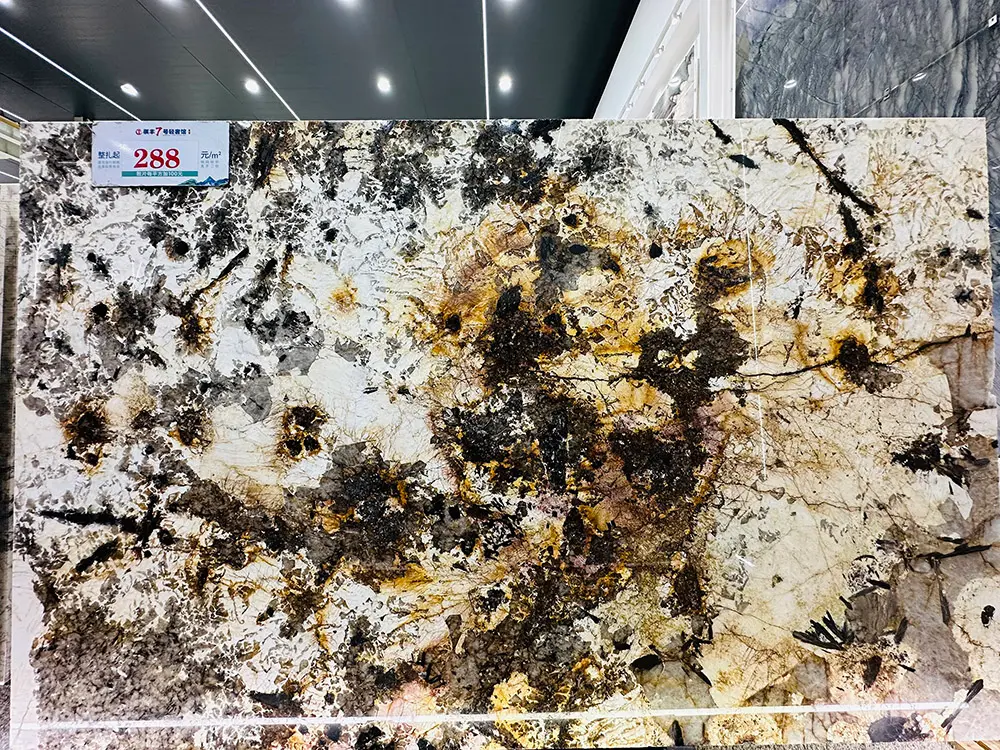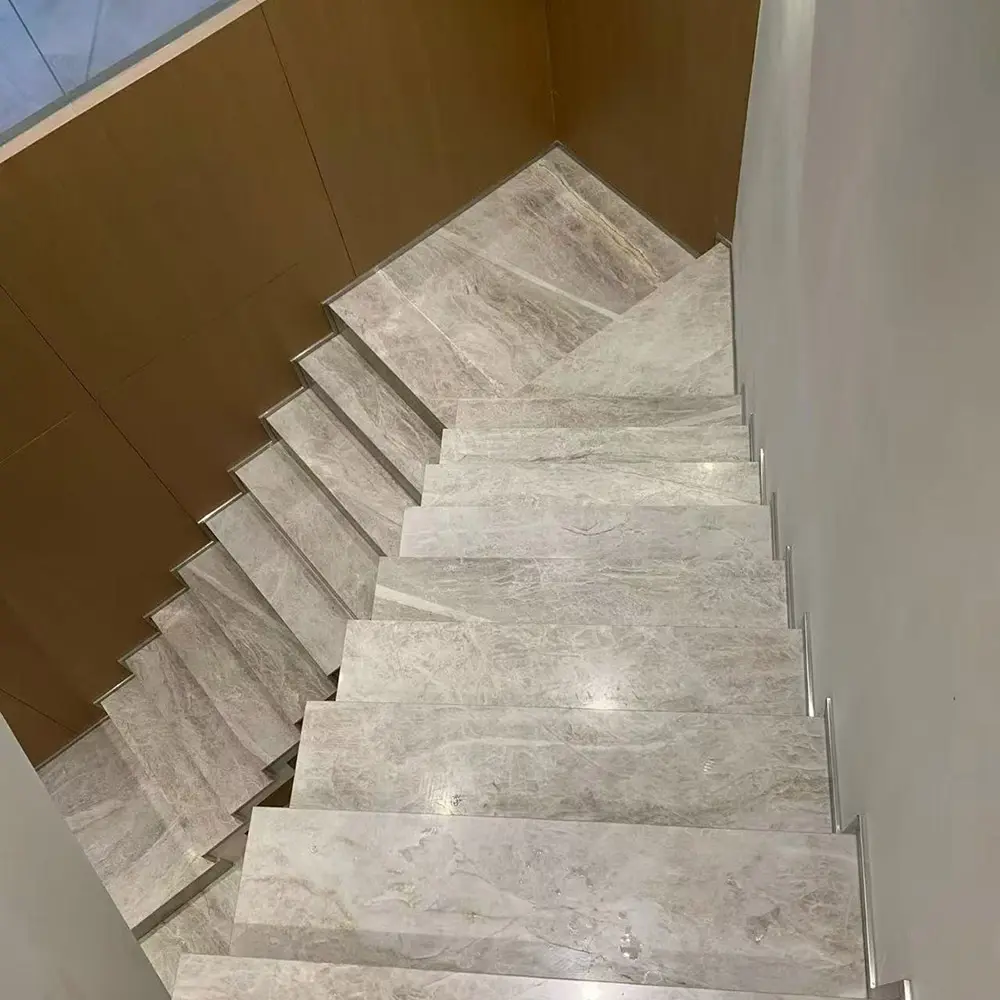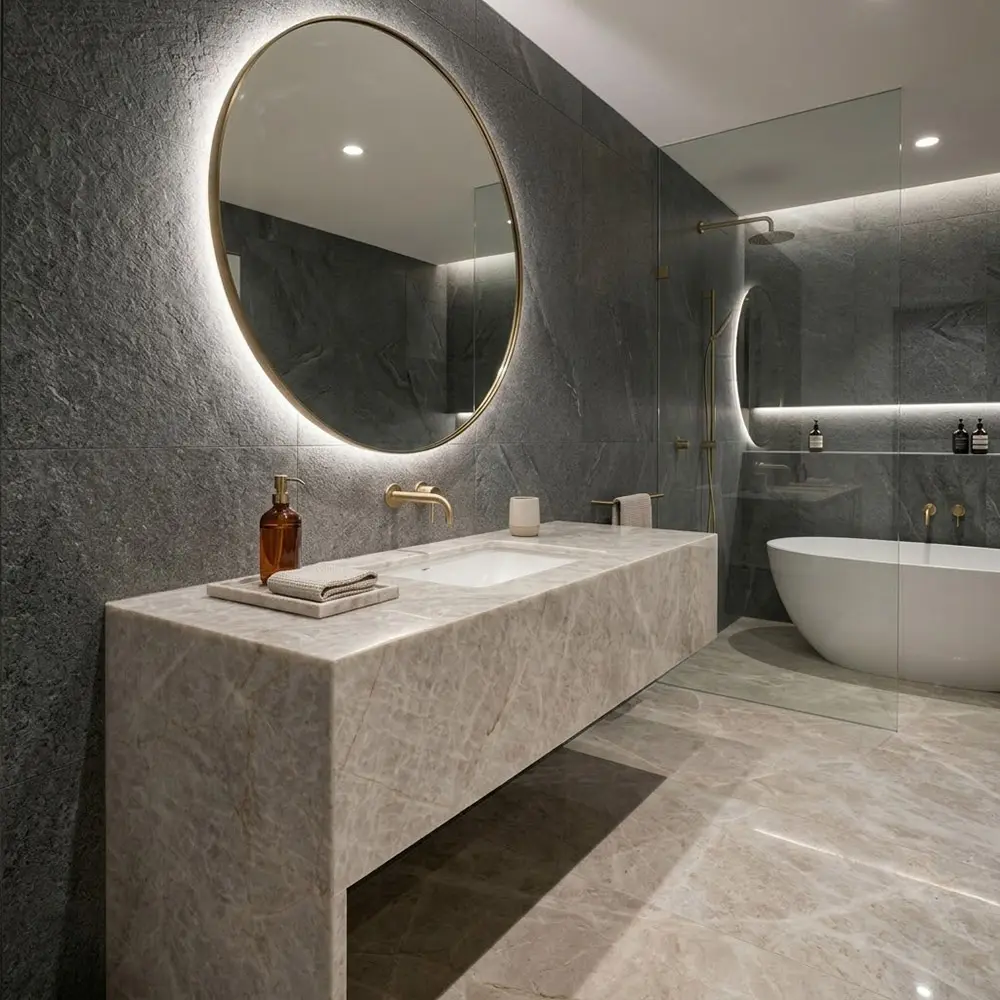






A designer chooses beautiful marble for a hotel bathroom, villa entryway or commercial lobby. The sample looks premium, the veining feels elegant and the client approves the material direction. But during installation, problems appear: too many cuts around corners, grout lines look awkward, floor slope becomes difficult, large tiles crack during handling, the wall layout feels unbalanced and replacement tiles do not match the original batch. The problem is not always the marble itself. Very often, the selected tile size did not match the room scale, installation method or project risk.
This is why Marble Tile Sizes should be treated as a project decision, not only a design preference. Tile dimensions influence visual proportion, cutting waste, substrate preparation, lippage control, grout width, slip comfort, handling, packaging, replacement planning and total installed cost. A large tile can make a lobby look luxurious, but it may be inefficient in a compact bathroom. A small tile can help drainage on a shower floor, but too many grout lines may increase cleaning work. A good marble tile size guide should help buyers decide what works, where it works and what risks must be controlled before purchase.
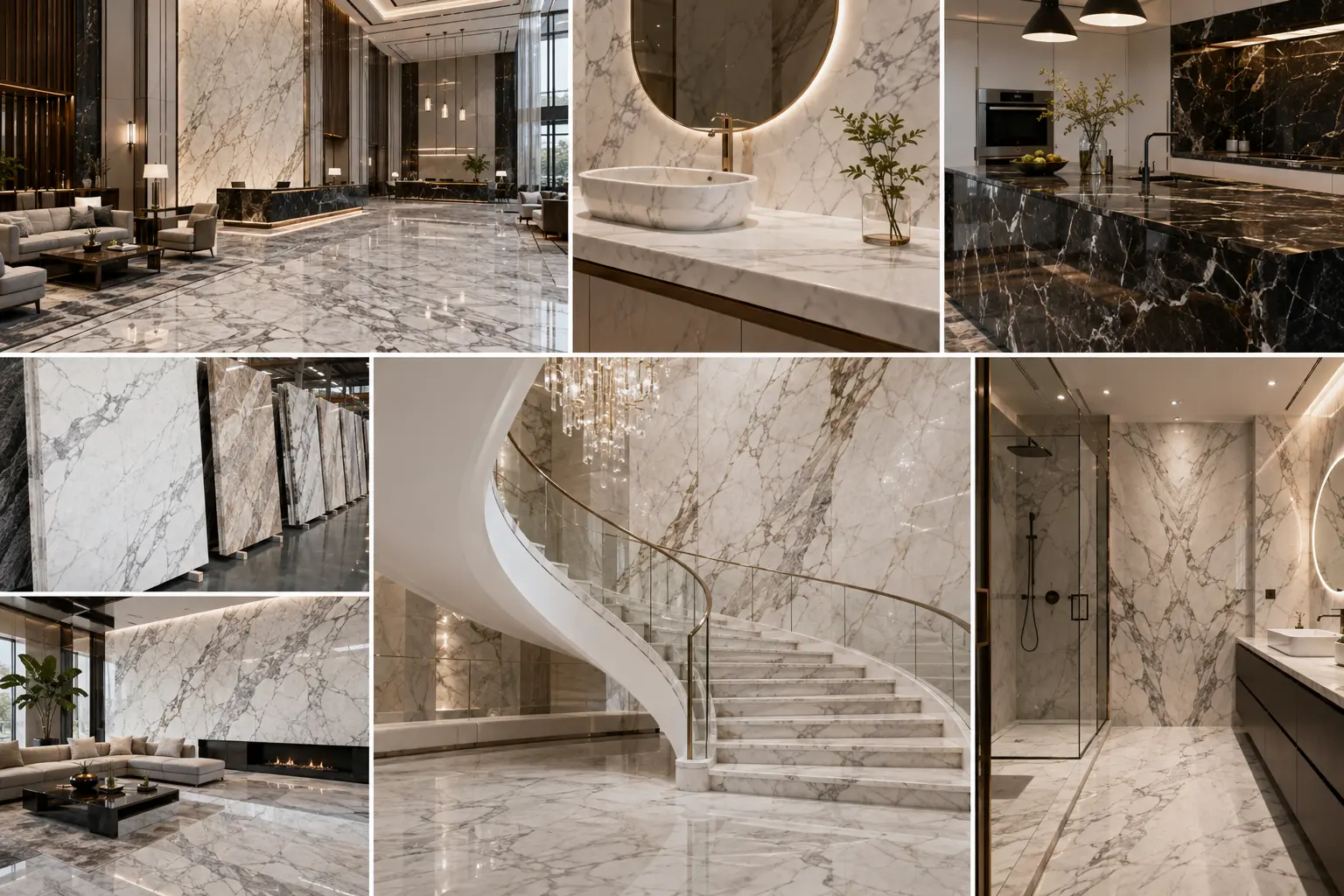
Marble Tile Sizes
Why Marble Tile Sizes Decide More Than Appearance
Marble is a natural stone with strong design value, but it is also a construction material. When the wrong tile size is selected, the project can face higher cutting waste, visible lippage, broken corners, mismatched patterns, installation delay and customer complaints. For residential projects, poor size selection may make rooms feel smaller or visually messy. For commercial projects, it can increase labor cost, maintenance risk and replacement difficulty.
Before confirming a project, buyers should calculate room dimensions, tile size, thickness, finish, grout joint width, waste rate, spare stock, batch consistency and installation method. A contractor or importer can contact a Marble Tile Sizes supplier with drawings, room measurements, finish requirements and quantity to reduce layout errors before production or shipment.
| Project Area | Recommended Size Direction | Main Buyer Risk | Inspection Focus |
|---|---|---|---|
| Small bathroom | Small to medium tiles | Too many cuts or poor slope | Layout and drainage |
| Shower floor | Mosaic or smaller formats | Slip and drainage risk | Finish and grout spacing |
| Bathroom wall | Medium or large tiles | Vein mismatch | Dry layout |
| Living room | Large format tiles | Flatness and handling | Thickness and calibration |
| Hotel lobby | Large or custom cut-to-size | Batch mismatch and breakage | Full batch approval |
| Commercial floor | Medium to large tiles | Wear and replacement mismatch | Spare stock and finish |
| Feature wall | Large slabs or large tiles | Pattern discontinuity | Vein direction and layout |
What Are Standard Marble Tile Sizes?
Common Residential and Commercial Marble Tile Sizes
Common marble tile sizes include 300×300 mm, 305×305 mm, 300×600 mm, 400×400 mm, 450×450 mm, 600×600 mm, 600×900 mm, 600×1200 mm, 800×800 mm, 900×900 mm, mosaic sheets and custom cut-to-size formats. In inch-based markets, buyers often see 12×12 in, 12×24 in, 18×18 in, 24×24 in and 24×48 in formats.
The best size depends on room scale, stone pattern, project budget, installation skill and traffic level. For bathrooms, 300×600 mm is popular because it balances modern appearance and manageable installation. For living rooms, villas and hotels, 600×600 mm or larger formats can create a more seamless luxury effect. For stairs, borders and feature panels, custom cut-to-size marble tiles may be more efficient than forcing a standard tile into an awkward layout.
Metric vs Inch Sizes for Global Buyers
| Metric Size | Approx. Inch Size | Common Use | Buyer Note |
|---|---|---|---|
| 300×300 mm | 12×12 in | Bathrooms, small floors | Flexible layout |
| 300×600 mm | 12×24 in | Walls, bathrooms, floors | Popular modern format |
| 450×450 mm | 18×18 in | Residential floors | Balanced scale |
| 600×600 mm | 24×24 in | Living rooms, hotels | Premium but manageable |
| 600×1200 mm | 24×48 in | Feature walls, lobbies | Needs flatness control |
| 800×800 mm | 32×32 in | Villas, commercial floors | Higher handling requirement |
| Mosaic sheets | Varies | Shower floors, accents | Good drainage control |
| Custom size | Project-based | Stairs, panels, borders | Needs drawings |
How to Choose Marble Tile Sizes by Room Type
Bathrooms and Shower Areas
Bathrooms need a balance between beauty, drainage, slip comfort and cutting efficiency. Small bathrooms often work well with 300×300 mm, 300×600 mm or carefully planned mosaics. Larger bathroom walls can use 600×600 mm or 600×1200 mm formats to reduce grout lines and make the space feel cleaner. Shower floors often need smaller tiles or mosaics because they can follow slope more easily and provide more grout-line grip.
For bathroom walls, large tiles can make the space feel more premium, but they require accurate cutting around niches, valves, drains, glass partitions and corners. For shower floors, a large polished marble tile may look elegant in a showroom photo, but it may create drainage and slip concerns. Size, finish and slope must be selected together.
Kitchens and Dining Areas
Kitchen and dining floors require stain awareness, cleaning planning and traffic consideration. Medium and large tiles can reduce grout lines, making cleaning easier. However, the subfloor must be flat, adhesive coverage must be controlled, and the finish must be suitable for the household or commercial use level.
Marble is sensitive to acids and staining, so kitchen use should be realistic. Buyers who prefer marble kitchens should consider sealing guidance, maintenance instructions and spare stock. Tile size should support the layout of cabinets, islands, thresholds and open-plan transitions.
Living Rooms and Villa Entrances
Living rooms, villa foyers and entrance halls often benefit from larger marble tiles because fewer grout lines create a more luxurious look. 600×600 mm, 600×900 mm, 800×800 mm and custom sizes can all work depending on room proportion. Large format marble tiles show vein movement better and can create a stronger first impression.
However, larger tiles reveal substrate problems more clearly. If the base is uneven, lippage becomes more visible. If handling is careless, large tiles may crack or chip. Large format marble is a premium choice, but it requires better installation control.
Hotel Lobbies and Commercial Interiors
Commercial spaces need visual impact and operational durability. Large format marble tiles or custom cut-to-size pieces can look premium in hotel lobbies, retail stores, reception areas and corporate buildings. Buyers should prioritize batch consistency, spare stock, finish selection, abrasion review, cleaning method and packing strength.
A reliable marble tile manufacturer should help buyers review standard size options, custom cutting, finish choices, inspection photos and export packing before a large commercial order is confirmed.
Large Format Marble Tiles vs Small Marble Tiles
Benefits and Risks of Large Format Marble Tiles
Large format marble tiles create fewer grout lines, stronger visual continuity, better vein visibility and a more luxurious appearance. They are suitable for villas, hotel lobbies, feature walls, high-end living rooms and commercial interiors. They can make a space look cleaner and more expensive when the layout is correct.
The risks are also higher. Large tiles are heavier, more difficult to handle, more sensitive to substrate flatness and more likely to show lippage. Replacement may be more difficult if the batch is not reserved. Larger dimensions also increase shipping and packing risk, so crate design and inspection photos matter.
Benefits and Risks of Small Marble Tiles
Small marble tiles are useful in bathrooms, shower floors, borders, decorative zones and irregular layouts. They are easier to handle, better for slopes and more flexible around corners. Mosaics and small tiles can solve drainage problems that large tiles cannot solve easily.
The downside is grout. More grout lines can mean more cleaning, more sealing and a busier visual appearance. In a large luxury room, small tiles may reduce the premium feeling unless they are used intentionally as a design pattern.
| Size Type | Best Use | Vantaggi | Buyer Risk |
|---|---|---|---|
| Small marble tiles | Showers, small bathrooms | Flexible and good for slopes | More grout maintenance |
| Medium marble tiles | Bathrooms, kitchens, apartments | Balanced cost and layout | Less dramatic visual effect |
| Large marble tiles | Villas, living rooms, lobbies | Premium and fewer joints | Handling and flatness risk |
| Custom cut-to-size | Stairs, walls, hotel projects | Project-specific fit | Requires accurate drawings |
| Mosaic marble tiles | Shower floors, borders, accents | Drainage and detail | More grout lines |
Marble Tile Thickness and Size Relationship
Why Thickness Matters More as Tile Size Increases
As marble tile size increases, thickness control and structural stability become more important. Large pieces need better calibration, careful packing and stronger installation support. Thin pieces may reduce weight, but they require careful handling and substrate preparation. Thick pieces may be stronger, but they are heavier and may affect installation height.
Common thickness options include 10 mm, 12 mm, 15 mm, 18 mm, 20 mm and 30 mm for special stair or fabricated items. Exact thickness depends on stone type, tile dimension, installation system and project standard.
Thickness Selection Table
| Applicazione | Common Thickness Direction | Reason |
|---|---|---|
| Wall cladding | 10–15 mm | Lower weight |
| Bathroom floors | 10–15 mm | Easier installation |
| Residential floors | 12–18 mm | Stability and durability |
| Commercial floors | 15–20 mm | Higher traffic review |
| Stairs | 20–30 mm or fabricated | Edge strength |
| Counter or vanity pieces | 18–30 mm | Edge and cutout support |

Marble Tile Supplier
Finish Selection by Tile Size and Application
Polished Honed Brushed and Tumbled Marble Tiles
Finish changes both appearance and performance. Polished marble looks glossy and luxurious, making it suitable for walls, dry interiors and premium visual zones. Honed marble creates a softer matte look and is often used in bathrooms, floors and modern interiors. Brushed, tumbled or sandblasted finishes create more texture and may suit rustic, classic or anti-glare designs.
Buyers can study innovative marble tiles design ideas when matching tile size with finish, layout and interior style. A luxury bathroom may use large honed wall tiles with mosaic floors. A villa entrance may use polished 600×600 mm or 800×800 mm tiles. A classic bathroom may use smaller tumbled pieces and decorative borders.
Finish and Slip Review for Floors
Flooring selection must include slip comfort and cleaning expectations. Polished marble may look luxurious, but wet or high-traffic areas need additional review. Honed and textured finishes may reduce glare and improve comfort in some applications, but they can require different cleaning methods.
| Finitura | Visual Effect | Best Use | Buyer Risk |
|---|---|---|---|
| Lucido | Glossy and luxury | Walls, dry floors, lobbies | Slip and glare review |
| Honed | Matte and calm | Bathrooms, floors, walls | Stain awareness |
| Brushed | Textured and natural | Rustic floors, feature zones | Cleaning difficulty |
| Tumbled | Aged and soft | Classic bathrooms, borders | Size edge variation |
| Sandblasted | Strong texture | Outdoor or special zones | Less refined look |
Marble Tile Sizes for Floors
Residential Floors
Residential floors can use 300×600 mm, 450×450 mm, 600×600 mm, 600×900 mm or 800×800 mm depending on room size. A compact apartment may look more balanced with medium tiles. An open living room may benefit from larger tiles. A complex room with many corners, columns or built-in furniture may require a more conservative tile size to reduce waste.
For residential flooring, buyers should consider subfloor flatness, grout width, furniture movement, cleaning routine, finish and spare stock. Marble floors look beautiful when installed well, but they require realistic maintenance planning.
Commercial Floors
Commercial floors need durability, replacement planning and slip review. Hotels, retail stores and office lobbies often use medium to large marble tiles to create a premium atmosphere. However, traffic level, cleaning machines, entrance moisture, rolling luggage and maintenance procedures must be reviewed before finish approval.
Buyers can use marble tiles for high-end flooring as a planning direction when selecting tile size, finish and installation method for premium floors. A commercial marble floor should be beautiful, but it should also be practical to maintain.
Marble Tile Sizes for Walls and Feature Panels
Bathroom Walls and Shower Walls
Wall tiles can be larger than shower floor tiles because drainage slope is not the same issue. Large wall tiles reduce grout lines and can make bathrooms look bigger. Common directions include 300×600 mm for practical modern bathrooms, 600×600 mm for balanced premium walls, 600×1200 mm for luxury feature walls and custom panels for villa bathrooms or hotels.
Buyers should check vein direction, wall height, niche position, plumbing holes, corner transitions and dry layout. A large wall tile with poorly aligned veins can reduce the luxury effect. Panel numbering and installation planning help keep the design consistent.
Feature Walls and Commercial Backdrops
Feature walls need vein direction, panel sequence and lighting control. For luxury retail interiors, hotel reception walls and villa entrance panels, larger formats often create stronger visual impact. However, full batch approval is important because natural stone variation can be obvious on large vertical surfaces.
Marble Mosaic Tile Sizes and Where to Use Them
Shower Floors and Wet Areas
Mosaics are useful in shower floors because small pieces follow slope and grout joints can improve foot grip. Common mosaic formats include 25×25 mm, 48×48 mm, 50×50 mm, hexagon, herringbone, basketweave, penny round and strip mosaics. They can also be used in borders, niches, backsplashes and decorative wall zones.
Mosaic Buying Risks
Mosaics have more grout lines, higher labor requirements and greater need for sheet quality control. Buyers should check backing material, sheet alignment, color consistency, joint spacing and cleaning expectations. Poor mosaic sheets can create uneven spacing that becomes obvious after installation.
Layout Patterns and Size Selection
Straight Lay Offset Herringbone and Modular Patterns
Tile size affects layout pattern. Straight lay is clean, modern and efficient. Offset layouts are popular with rectangular tiles such as 300×600 mm, but lippage review is important. Herringbone creates a premium design effect, but it requires more cutting and labor. Modular layouts can look custom, but they need accurate size coordination.
How Pattern Affects Waste and Cost
| Pattern | Best Tile Size | Waste Level | Buyer Note |
|---|---|---|---|
| Straight lay | Most sizes | Basso | Efficient installation |
| Offset | Rectangular tiles | Media | Lippage review |
| Herringbone | Small/medium rectangles | Alto | Premium labor |
| Diagonal | Square tiles | Medium-high | More edge cutting |
| Modular | Mixed sizes | Media | Needs supplier consistency |
| Border layout | Custom sizes | Media | Good for luxury floors |
Waste Calculation and Spare Tile Planning
Why Tile Size Affects Waste Percentage
Large tiles can create higher waste in small rooms or irregular layouts. Small tiles can reduce large offcuts but increase labor and grout work. The more complex the pattern, the higher the spare percentage should be. For international orders, shortage can be expensive because replacement tiles may not match the original batch.
A simple rectangular room may need 8–10% spare material. Bathrooms with niches and corners may need 10–15%. Diagonal and herringbone layouts may need 15–20% or more. Commercial projects should also keep replacement stock from the same batch.
Buyer Calculation Table
| Project Condition | Suggested Spare Direction | Reason |
|---|---|---|
| Simple rectangular room | 8–10% | Basic cuts |
| Bathroom with niches | 10–15% | More corners |
| Diagonal layout | 15%+ | Higher edge waste |
| Herringbone | 15–20% | Many cuts |
| Commercial project | 10% plus spare stock | Future replacement |
| Custom bookmatch | Supplier calculation | Layout-specific |
Quality Control for Marble Tile Sizes
Size Tolerance Calibration and Edge Straightness
Quality control is critical for marble tile projects. Buyers should inspect length and width tolerance, thickness tolerance, flatness, warpage, edge straightness, corner squareness, surface finish, color batch, vein direction, chip defects, packing labels and crate protection. Size tolerance affects grout consistency. Thickness variation affects lippage. Edge chips affect visible quality. Poor packing affects breakage.
Inspection Table
| QC Item | Buyer Risk | Inspection Method |
|---|---|---|
| Length/width tolerance | Uneven grout lines | Measure random pieces |
| Thickness tolerance | Lippage | Caliper check |
| Flatness | Installation difficulty | Straight edge review |
| Edge chips | Visible defects | Visual inspection |
| Color consistency | Batch mismatch | Compare full batch |
| Finish consistency | Dull or glossy patches | Light inspection |
| Packing labels | Wrong installation order | Label check |
Pros Cons and Supplier Selection Notes
How Buyers Should Evaluate Marble Tiles Realistically
Marble tiles offer natural luxury, unique veining, strong design value and long-term appeal. But buyers should also understand maintenance, acid sensitivity, sealing needs, slip review and batch variation. A balanced reading of the pros and cons of using marble tiles helps project teams decide where marble is the best choice and where another material may be more practical.
What a Marble Tile Supplier Should Provide
A reliable supplier should provide standard size options, custom cut-to-size capability, thickness options, finish options, mosaic options, project drawing support, batch matching, dry layout support, inspection photos, tolerance control, export packing, replacement stock planning, technical communication, lead time, MOQ information and after-sales support.
| RFQ Item | Perché è importante | Buyer Requirement |
|---|---|---|
| Application area | Controls size and finish | Bathroom, floor, wall, lobby, stair or shower |
| Room dimensions | Controls layout and waste | Drawings or measured space |
| Preferred tile size | Controls cutting and appearance | Standard or custom size |
| Spessore | Controls installation and strength | 10mm, 12mm, 15mm, 18mm, 20mm or custom |
| Finitura | Controls look and safety | Polished, honed, brushed, tumbled or textured |
| Spare percentage | Controls shortage risk | 8–20% depending on layout |
Common Buyer Mistakes
Mistake 1: Choosing Large Tiles for Every Space
Large marble tiles are beautiful, but they are not always the best choice. In small bathrooms, complex rooms and tight layouts, oversized tiles can create awkward cuts, higher waste and difficult installation. Match tile size to room scale and layout complexity.
Mistake 2: Ignoring Thickness Tolerance
Thickness variation can cause lippage, uneven floor levels and installation complaints. Buyers should request calibrated thickness and inspection photos for project orders.
Mistake 3: Using Polished Marble in Wet Floors Without Review
Polished marble can be visually luxurious, but wet floors need finish, drainage, grout joint and slip review. Shower floors often perform better with mosaics or smaller textured formats.
Mistake 4: Underestimating Waste
Under-ordering creates shortage, batch mismatch and installation delay. Always calculate spare percentage before ordering, especially for diagonal, herringbone, custom and commercial projects.
Mistake 5: Buying Without Batch Approval
Natural marble varies by batch. Buyers should approve batch photos, dry layout or sample boards before shipment to reduce color and vein mismatch.
Industry Trends in Marble Tile Size Selection
Large Format Marble Tiles Are Increasing in Luxury Projects
Large tiles reduce grout lines and create a more seamless visual effect. Villas, hotels and premium apartments increasingly use larger marble tile formats for walls, living rooms and lobby floors.
Bathrooms Use Larger Wall Tiles but Smaller Shower Floor Tiles
Designers often combine large wall tiles with mosaic or smaller wet-floor formats. This creates a clean visual effect while supporting drainage and foot comfort.
Custom Cut-to-Size Is Growing in Hotel and Villa Projects
Custom sizes support cleaner layouts, fewer awkward cuts and stronger design control. This is especially useful for stairs, wall panels, borders and feature floors.
Buyers Care More About Total Installed Cost
Tile size affects labor, waste, breakage, lippage and maintenance. A cheap tile size can become expensive if installation becomes difficult.
Batch Photos and Dry Layout Are Becoming Standard
International buyers increasingly request photos before shipment to reduce disputes. Full batch review improves confidence before installation begins.

Piastrelle di marmo
Final Recommendation: Choose Marble Tile Sizes by Project Logic, Not Only by Style
Marble Tile Sizes should be selected by room scale, application area, traffic level, finish, thickness, layout pattern, waste allowance, slip review, supplier tolerance control and batch consistency. Small tiles are useful for wet areas and complex layouts. Medium tiles offer balance for bathrooms and residential floors. Large format tiles create premium visual impact in villas, lobbies and feature walls. Custom cut-to-size marble supports luxury projects where standard dimensions create too many compromises.
Before requesting Marble Tile Sizes pricing, prepare your room dimensions, application area, preferred tile size, thickness, finish, layout pattern, grout joint expectation, slip requirement, quantity, spare percentage, packing standard and project timeline. A professional Marble Tile Sizes supplier can recommend practical dimensions that reduce cutting waste, installation problems and batch mismatch.
Frequently Asked Questions About Marble Tile Sizes
1. What are the most common Marble Tile Sizes?
The most common Marble Tile Sizes include 300×300 mm, 305×305 mm, 300×600 mm, 450×450 mm, 600×600 mm, 600×900 mm, 600×1200 mm, 800×800 mm, mosaic sheets and custom cut-to-size options. In inch-based markets, common formats include 12×12 inch, 12×24 inch, 18×18 inch, 24×24 inch and 24×48 inch. Exact availability depends on marble type, slab size, factory cutting capability and project requirements.
2. What marble tile size is best for bathrooms?
For bathroom walls and general bathroom floors, 300×600 mm and 600×600 mm marble tiles are common because they balance modern appearance, manageable installation and reasonable cutting waste. Luxury bathroom walls may use 600×1200 mm or custom panels to reduce grout lines. Shower floors often use mosaics or smaller tiles because they follow slope more easily and provide better grout-line grip. The best bathroom size depends on room scale, drainage, finish and layout complexity.
3. Are large marble tiles better than small marble tiles?
Large marble tiles are better when the project needs fewer grout lines, stronger visual continuity and a more luxurious appearance, such as living rooms, villas, feature walls and hotel lobbies. Small marble tiles are better for shower floors, compact bathrooms, curved areas, borders and layouts with many corners. Large tiles require flatter substrates, careful handling and skilled installation, while small tiles create more grout lines and cleaning work. The better choice depends on the application.
4. How much extra marble tile should I order?
Most marble tile projects should order extra material to cover cutting waste, breakage and future replacement. A simple rectangular room may need 8–10% extra. Bathrooms, niches and more complex layouts may need 10–15%. Diagonal patterns, herringbone layouts and custom designs may need 15–20% or more. Commercial projects should also keep spare tiles from the same batch because future replacement material may not match the original color and veining.
5. How do I choose a marble tile supplier?
Choose a marble tile supplier that can provide standard sizes, custom cut-to-size service, thickness options, finish options, mosaic options, batch photos, dry layout support, inspection reports, tolerance control, export packing, spare stock planning and clear project communication. A reliable supplier should ask about application area, room dimensions, preferred size, thickness, finish, layout pattern, grout joint expectation, slip requirement, quantity, spare percentage and project timeline before recommending Marble Tile Sizes.
Riferimenti
- ASTM C503/C503M Standard Specification for Marble Dimension Stone, Author: ASTM Committee C18, Institution: ASTM International, Source: Marble Dimension Stone Specification.
- Dimension Stone Design Manual, Author: Natural Stone Institute Technical Contributors, Institution: Natural Stone Institute, Source: Natural Stone Design and Installation Reference.
- ANSI A326.3 Dynamic Coefficient of Friction Test Method, Author: ANSI Accredited Standards Contributors, Institution: Tile Council of North America, Source: Hard Surface Slip Resistance Reference.
- TCNA Handbook for Ceramic, Glass, and Stone Tile Installation, Author: Tile Council Technical Contributors, Institution: Tile Council of North America, Source: Tile Installation Reference.
- ANSI A108/A118/A136 American National Specifications for Tile Installation, Author: ANSI Accredited Standards Contributors, Institution: Tile Council of North America, Source: Tile Installation Standards Reference.
- Natural Stone Care and Maintenance Guidance, Author: Stone Care Technical Contributors, Institution: Natural Stone and Tile Maintenance Publications, Source: Marble Maintenance Reference.
- Stone Flooring Installation and Substrate Preparation Guidance, Author: Construction Materials Technical Contributors, Institution: Building Materials Engineering Publications, Source: Flooring Installation Reference.
- Quality Management Systems Requirements, Author: ISO Technical Committee Contributors, Institution: International Organization for Standardization, Source: Quality Management Reference.
How Buyers Should Select Marble Tile Sizes
How should buyers start choosing Marble Tile Sizes?
Buyers should start with room dimensions, application area, traffic level, finish requirement, thickness, layout pattern, grout joint width, waste allowance, slip needs and installation method. The right marble tile size is the one that balances design, installation and long-term maintenance.
Why are large marble tiles not always the best option?
Large marble tiles reduce grout lines and create luxury visual impact, but they require flatter substrates, better handling, stronger packing and skilled installation. In small or irregular rooms, large tiles may increase cutting waste and create awkward layouts.
What option works best for bathrooms?
Bathroom walls often work well with 300×600 mm, 600×600 mm or larger panels, while shower floors usually benefit from mosaics or smaller tiles because they follow slope more easily and offer more grout-line grip.
What option works best for commercial floors?
Commercial floors should prioritize thickness tolerance, finish review, abrasion awareness, spare stock, batch consistency, cleaning method and replacement planning. Large or medium marble tiles can work well when installation control is strong.
Consideration: What creates the highest purchasing risk?
The highest risks come from choosing by photo only, using oversized tiles in unsuitable rooms, ignoring thickness tolerance, selecting polished surfaces for wet areas without review, underestimating waste and buying without batch approval.
Recommendation
Select marble tile dimensions by project drawings and real site conditions. Confirm size tolerance, thickness, finish, batch photos, packing and spare percentage before order approval.
Send your supplier the room plan, application area, tile size preference, finish, thickness, pattern, quantity, spare percentage and destination. A qualified marble tile supplier can recommend a size plan that reduces waste and installation risk.