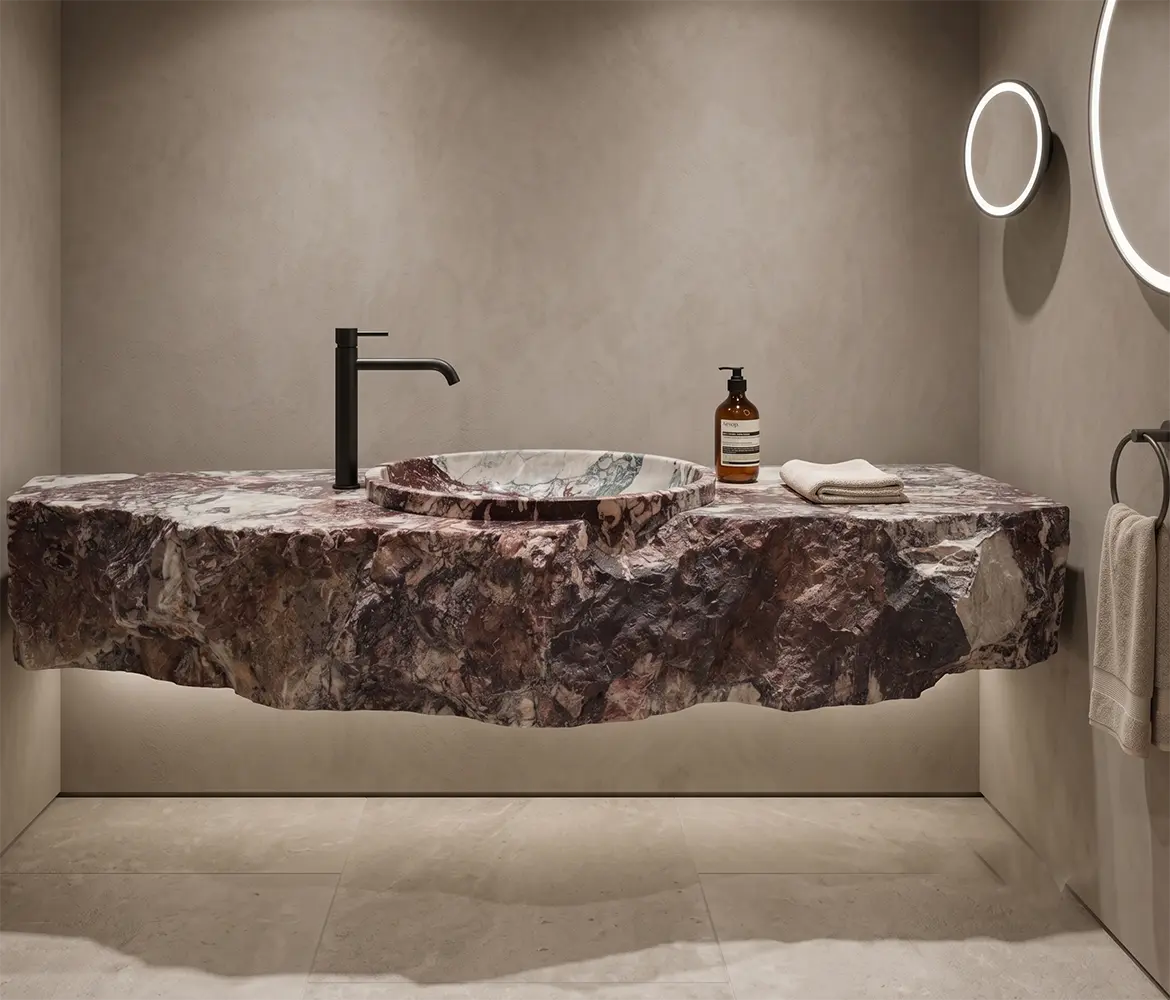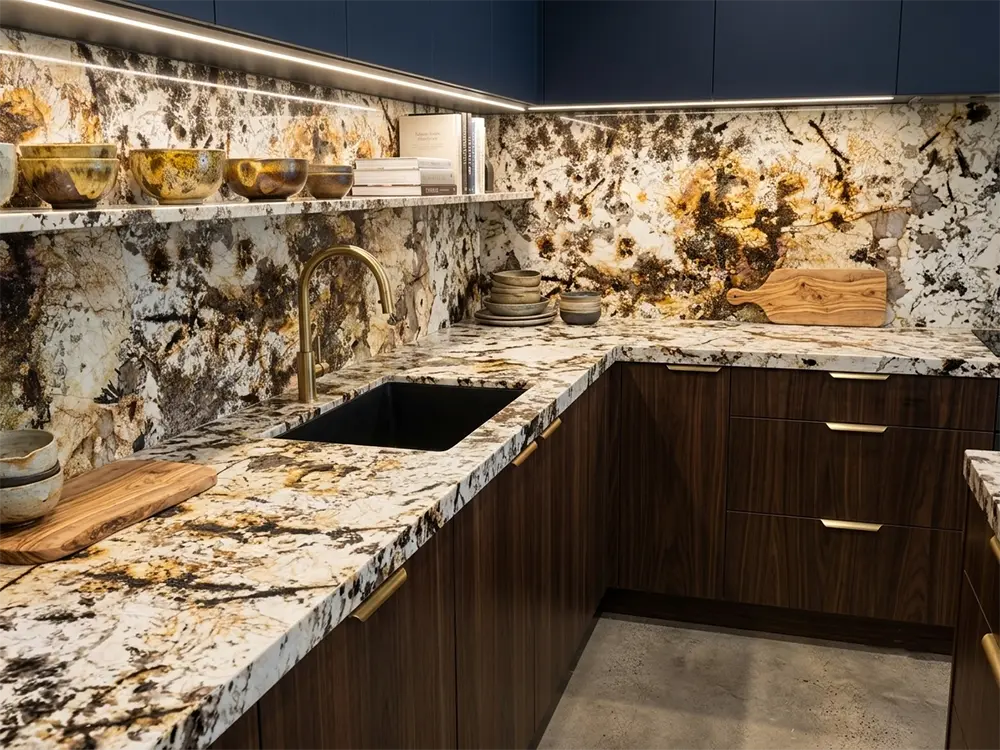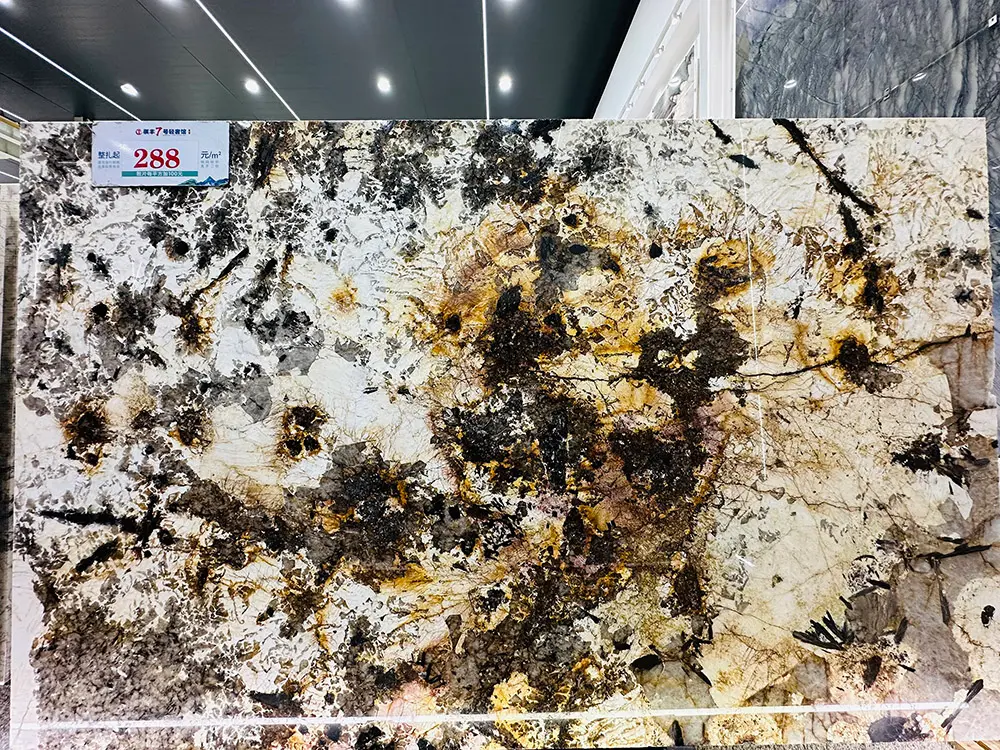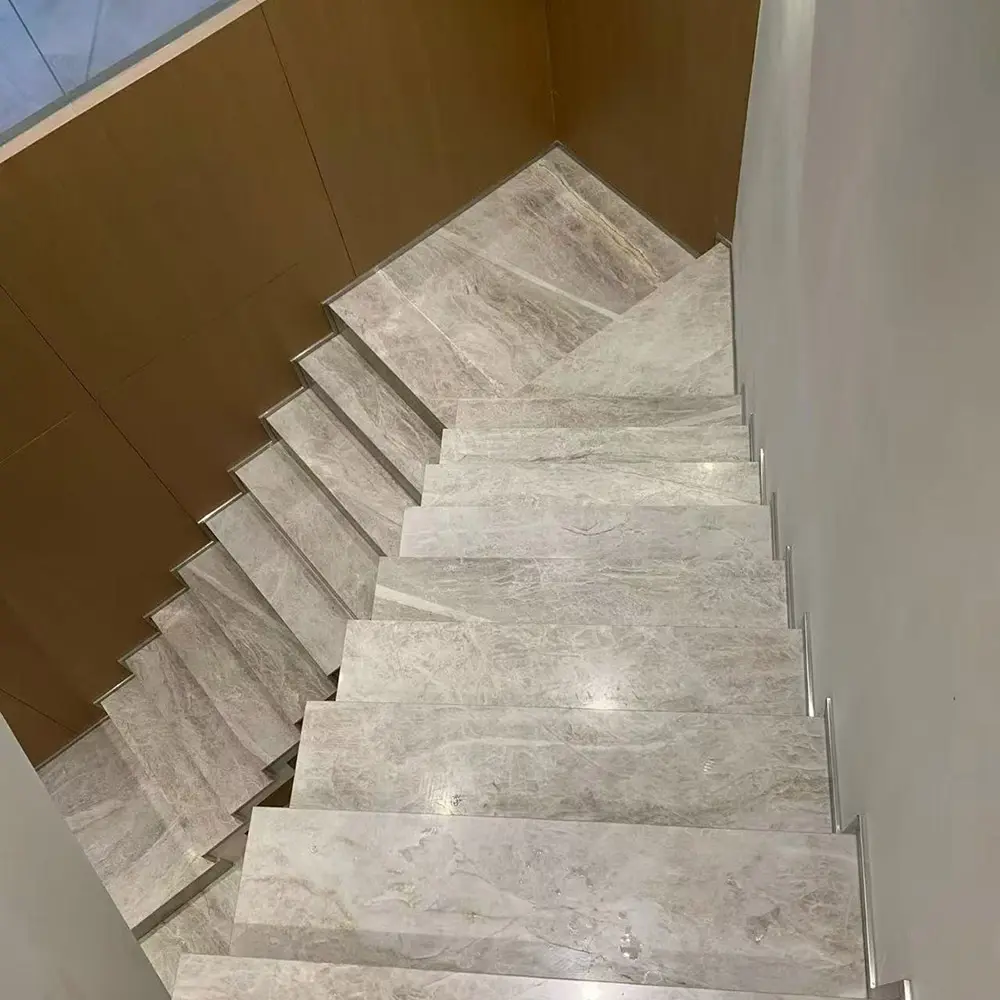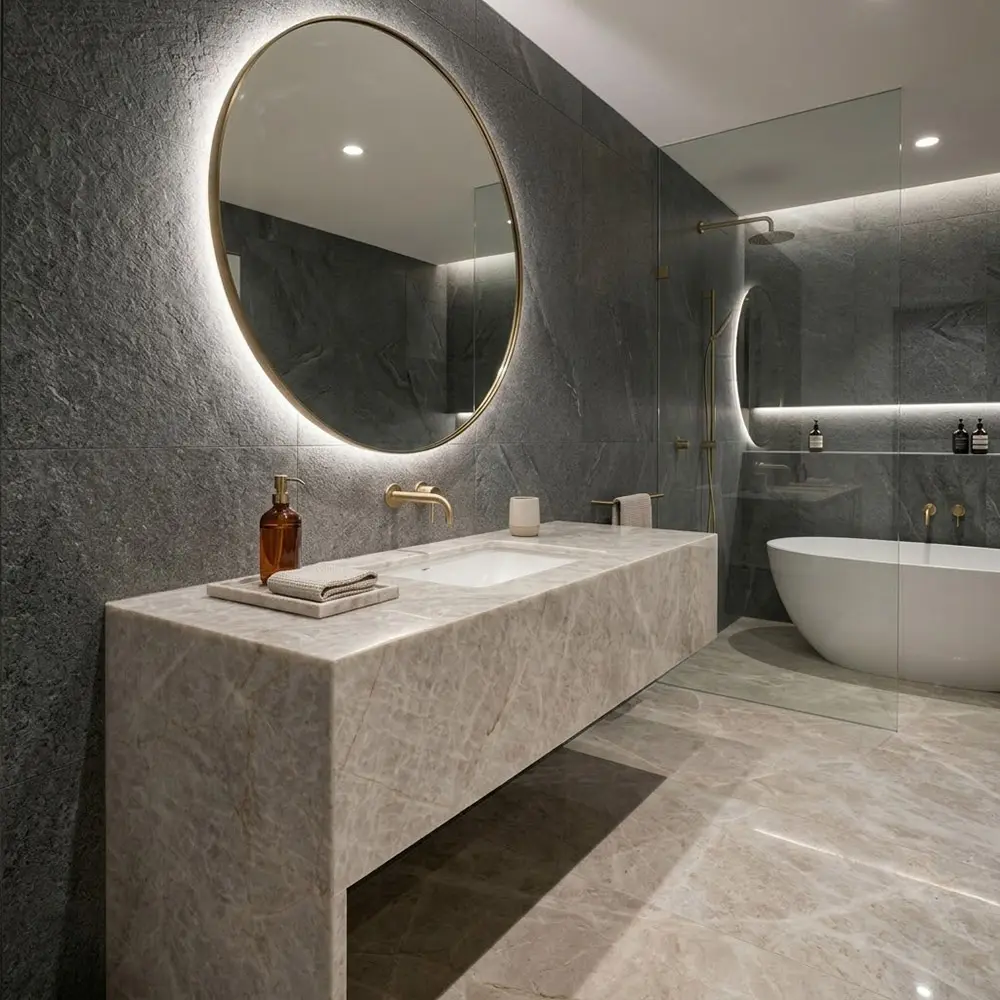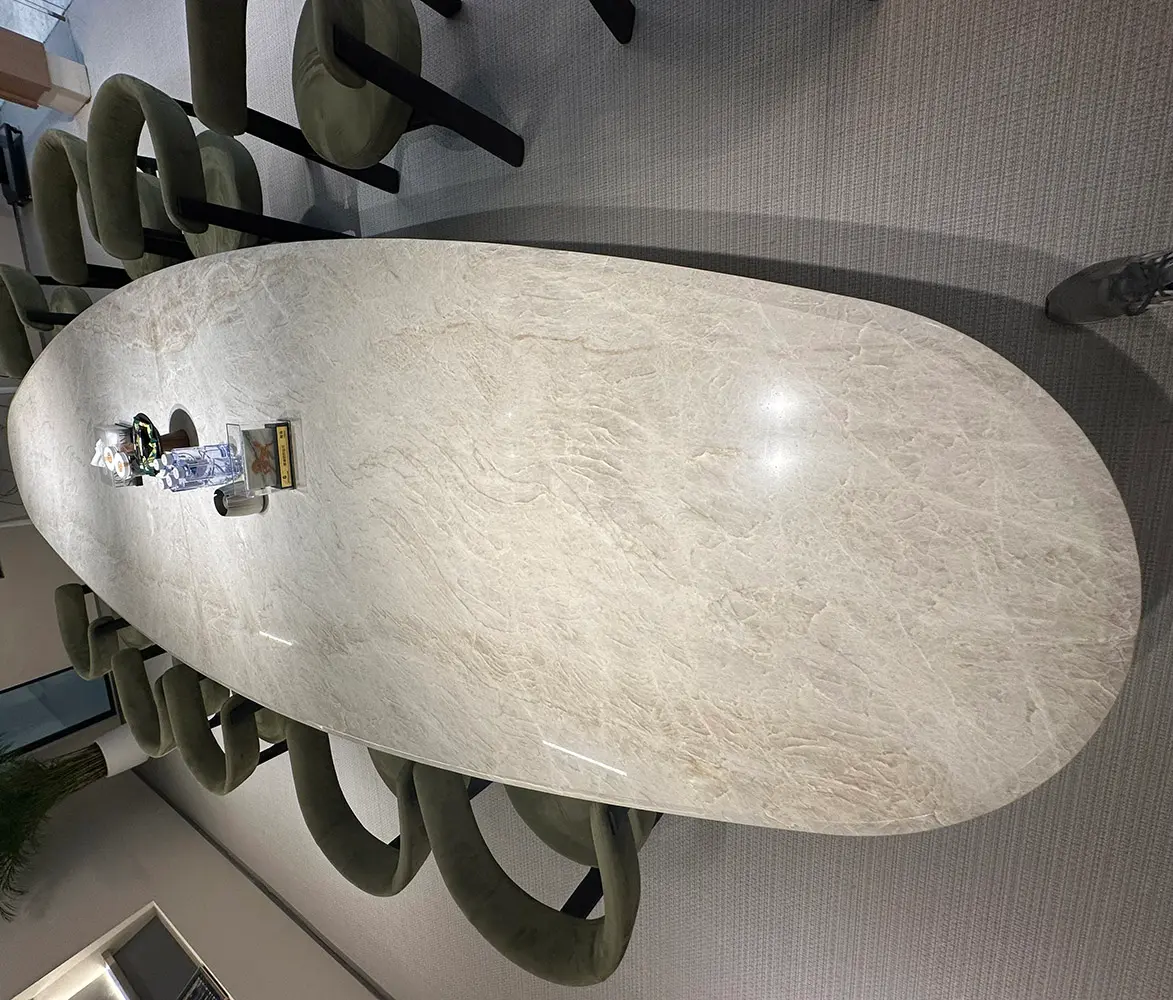






A Question Almost Every ホワイトマーブル Buyer Asks
“Can we use 白大理石 here, or will it start turning yellow after installation?”
That question comes up in villas, apartment lobbies, boutique hotels, and private homes far more often than most people expect. A homeowner wants a bright and elegant interior. A designer wants natural veining and timeless visual softness. A contractor wants to avoid callbacks six months after handover. Everyone loves the look of white marble at the beginning. The anxiety starts when people begin thinking about water, adhesive, sunlight, traffic, maintenance, and long-term appearance.
That is exactly why buying 白大理石 should never be treated as a simple style decision. It is a material decision, a project decision, and a maintenance decision at the same time. White marble can elevate a space in a way very few materials can. It reflects light beautifully, expands visual openness, and gives interiors a calm, refined character. But it also demands better judgment than many buyers realize.
For project buyers who want both visual guidance and practical support, キャロンストーン has built a strong reputation around helping clients understand where white marble works best, how to use it correctly, and how to protect its long-term value. That matters, because the gap between a stunning finished project and a costly disappointment is usually hidden in details most people ignore at the beginning.

White Marble supplier
Why White Marble Continues to Lead Premium Interior Design
White marble has remained one of the most desired natural stones for centuries because it offers something hard to imitate: brightness with depth. It is not flat white. It is not synthetic-looking brightness. It is a living surface with movement, subtle shifts, and natural veining that creates emotional warmth even in minimalist spaces.
In modern interiors, white marble works especially well because it can do two things at once. It can make a room feel larger and lighter, while also making it feel more expensive and more intentional. That balance is why it is still used in luxury bathrooms, statement walls, flooring, vanity tops, staircases, fireplace surrounds, and reception spaces.
Buyers comparing categories should first review 生の骨材と液体状の樹脂が固体の建築用スラブへと変化する過程は、現代工業技術の驚異です。大型の設備投資と厳密な環境制御が不可欠です。 by application rather than appearance alone. A flooring project, a shower wall, a kitchen feature panel, and a hotel corridor may all use white marble, but they do not place the same demands on the stone. Thickness, finish, absorption behavior, edge treatment, and maintenance exposure all change depending on the use area.
The Real Problem Is Not Choosing White Marble — It Is Choosing It Correctly
Many people think the hardest part is choosing between one beautiful white slab and another. In reality, that is often the easy part. The harder part is understanding whether the chosen white marble is suitable for the project conditions and whether the installation team knows how to protect it from avoidable damage.
A slab may look exceptional in a warehouse but behave very differently once it meets moisture, grouting materials, adhesive systems, fluctuating temperatures, and cleaning chemicals. That is why white marble should never be bought like a paint color. It should be selected like a building material with aesthetic sensitivity.
The most common buying mistakes
Choosing only by photo
A polished slab photo does not tell you how the material behaves in a wet room, under heavy traffic, or after months of use.
Ignoring the installation system
Even a beautiful white marble can fail visually if the setting materials, subfloor conditions, or curing stages are poorly managed.
Treating all white marbles as identical
They are not. Background tone, mineral composition, absorption rate, veining density, and structural suitability vary widely.
Assuming sealing solves everything
Sealing can help with resistance, but it does not make marble immune to yellowing, etching, or bad maintenance.
How to Select the Right White Marble for the Right Space
The smartest white marble selections begin with use scenarios, not with trends. A luxury villa entrance hall does not need the same white marble logic as a small guest bathroom. A commercial lobby does not need the same finish as a decorative wall panel. When buyers start from the project conditions, they make fewer expensive mistakes.
A useful reference point is Kavala White marble tiles for villa flooring projects. That type of application shows how white marble can create continuity, light reflection, and architectural calm when it is matched carefully to the scale and purpose of the space.
Five questions buyers should ask before placing an order
-
Is this marble for flooring, wall cladding, vanity tops, stairs, or a feature area?
-
Will the space stay mostly dry, or will it face repeated moisture exposure?
-
Does the design call for soft white quietness or stronger visible veining?
-
How much maintenance discipline will the end user realistically have?
-
Is the project aiming for a private luxury feel or a more durable public-use finish?
For buyers who want a broader visual comparison before narrowing down a specific selection, top 8 best-selling white marble is a strong starting point because it reflects commercially proven directions rather than random trend speculation.
White Marble vs Grey Marble: Why Buyers Hesitate at This Stage
One of the most common project debates is not whether to use marble, but whether to use white marble or grey marble. White marble is usually chosen for brightness, softness, and a more open premium mood. Grey marble often appeals to buyers who want more contrast, a moodier atmosphere, or a more forgiving appearance in busy environments.
That is why grey marble vs white marble is not just a style comparison. It is a project decision. White marble tends to visually expand space and bounce more light, while grey marble tends to anchor the room and create a heavier visual rhythm.
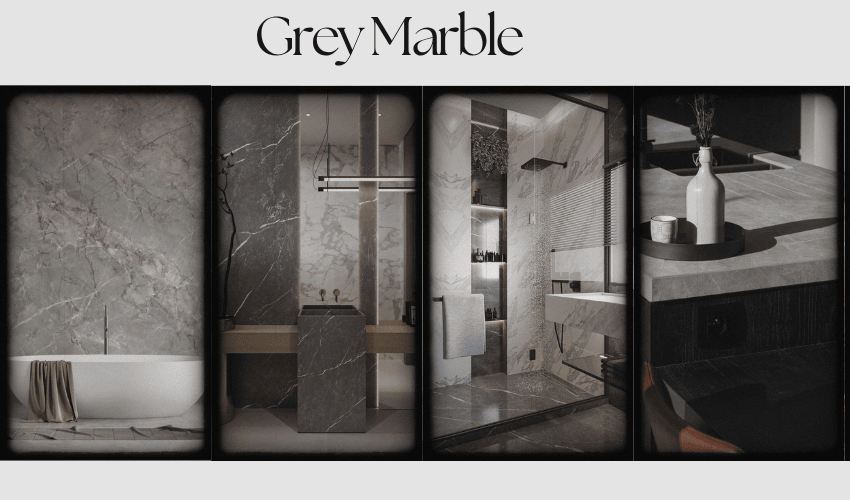 灰色の大理石 供給者 | 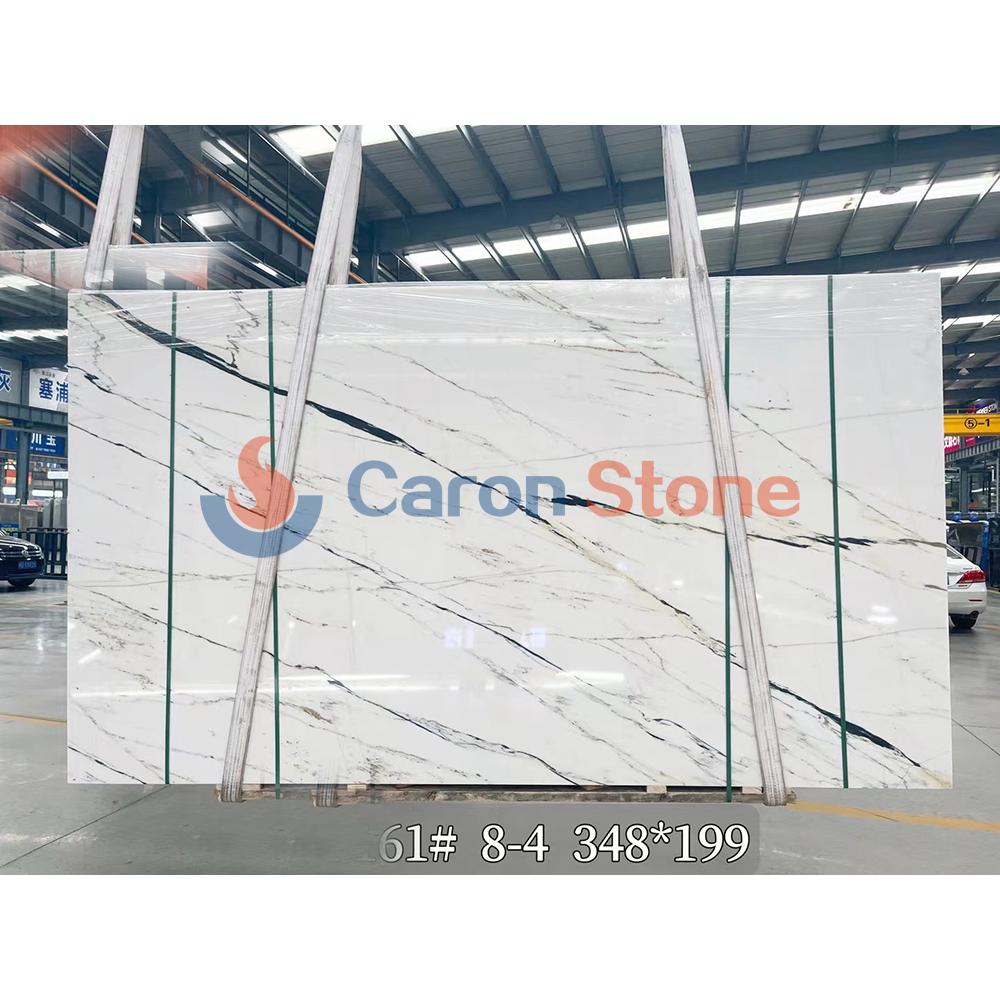 オレンシャル・カラカッタ・ホワイト 中国産白大理石 |
Quick comparison table
| Project Factor | ホワイトマーブル | グレー・マーブル |
|---|---|---|
| Visual mood | Bright, elegant, airy | Rich, calm, dramatic |
| Space effect | Makes rooms feel larger | Adds depth and contrast |
| Luxury tone | Soft and timeless | Bold and contemporary |
| Maintenance anxiety | Higher, because changes show faster | Lower, because darker tones hide more |
| Best use cases | Villas, bathrooms, feature flooring, upscale walls | Lobbies, statement zones, darker interiors |
| Buyer mindset | Wants light and refinement | Wants depth and visual grounding |
This comparison matters because many buyers want the beauty of white marble, but they need to be honest about maintenance expectations before choosing it.
What Actually Causes White Marble to Turn Yellow
This is where romance ends and real project logic begins.
White marble can turn yellow for several reasons, and not all of them come from the stone alone. In many cases, discoloration is linked to installation moisture, poor site handling, unsuitable adhesives, impurities reacting over time, environmental contamination, aging coatings, or incorrect maintenance products.
The most frequent causes behind yellowing
Moisture trapped beneath or within the installation system
If the substrate is not sufficiently dry or the setting bed introduces excess moisture, discoloration risk rises.
Iron-related mineral reactions
Some white marbles contain trace impurities that may oxidize under certain conditions.
Incompatible adhesives or grouting materials
Light-colored natural stone needs careful material pairing.
Surface treatment problems
Old waxes, poor coatings, and low-quality surface products may age badly and shift color.
Wrong cleaning habits
Harsh chemicals do not just dull marble — they can gradually compromise appearance.
This is why buyers should read long-term maintenance methods for white marble before installation starts, not after the first complaint appears. Good maintenance planning begins long before the first cleaning bottle is purchased.
Installation Is the Stage Where Most White Marble Problems Begin
A lot of white marble projects look perfect on completion day. The trouble shows up weeks or months later. That delay is what makes installation mistakes so dangerous. Owners assume the problem must be random or unavoidable, when in fact it often began on the first day the material touched the site.
The cleaner and whiter the marble, the less margin for error there is. Moisture migration, metal contamination, uneven curing, and careless site handling can all leave visible consequences.
That is why 白大理石 黄ばみ防止 during installation and maintenance is such an important practical reference. Prevention is always cheaper and more reliable than correction.
Site rules that protect white marble
Make sure the substrate is properly dry
This sounds basic, yet it is ignored constantly.
Use suitable setting materials for light natural stone
Not every adhesive system is equally safe for white marble applications.
Avoid rust contamination
Tools, metal debris, dirty water, and careless storage can all create trouble.
Respect curing time
Rushing sealing or exposing the installed stone too early can trap problems inside the system.
Protect the area from later trades
Paint, dust, pigments, and standing water from other work stages are silent enemies of white marble.
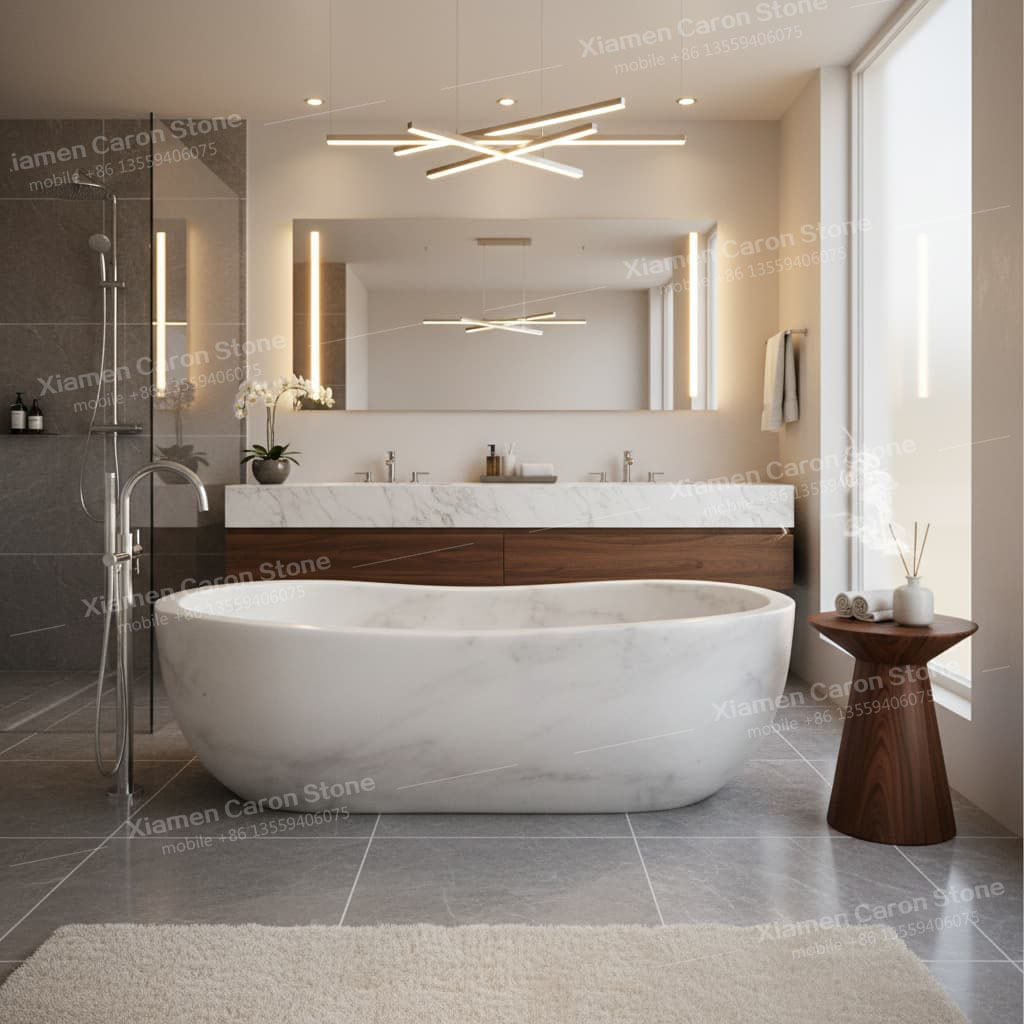
White Marble Freestanding Bathtub Oval Solid Stone Soaking Tub Caron Stone
Why Yellowing Sometimes Appears Long After Handover
One of the reasons white marble makes buyers nervous is that not all failures happen immediately. Some surfaces remain visually stable for months before yellowing, dulling, or staining becomes noticeable. When that happens, clients often think the marble itself is defective. Sometimes it is not. Som白大理石の黄変の原因と予防策 etimes the marble is simply revealing a bad installation environment or long-term maintenance error.
For a clearer diagnosis mindset, helps buyers understand that discoloration is often a chain reaction, not a single isolated event.
That distinction matters because different yellowing causes require different responses. Surface contamination, moisture migration, oxidized impurities, and aged coatings are not solved in the same way. Treating them all with the same “miracle cleaner” is how small problems become expensive experiments.
Daily Care Matters More Than Fancy Products
A surprising number of white marble surfaces are damaged by people trying too hard to clean them. Marble does not need aggressive treatment. It needs disciplined, gentle, consistent care. White marble stays beautiful longer when it is cleaned correctly and observed regularly, not when it is attacked with whatever chemical someone found under the sink.
A realistic maintenance routine
定期的な清掃
Use a stone-safe neutral cleaner and soft tools.
Fast spill control
Coffee, red wine, makeup, oils, and acidic liquids should never sit for long.
Periodic inspection
Check corners, joints, wet areas, and traffic-heavy zones before small issues spread.
Surface protection review
Do not apply random waxes or coatings just because they sound protective.
Professional assessment when needed
If yellowing begins, identify the source before attempting restoration.
This is one reason white marble remains a premium material. It does not demand impossible care, but it does reward thoughtful care and punish lazy shortcuts.
How Designers Keep White Marble Looking Modern Instead of Predictable
White marble is timeless, but timeless does not mean boring. Its real design strength lies in how well it adapts to different styles. It can feel classical in one project, minimal in another, and almost sculptural in a third.
For inspiration beyond the usual overused references, 世界のトップ白大理石デザイン5選 offers a broader look at how white marble can shift from gentle and refined to bold and highly architectural depending on pattern and placement.
Pairing strategies that work especially well
-
White marble with warm oak or walnut softens the overall effect
-
White marble with brushed brass creates a richer hospitality tone
-
White marble with black accents increases contrast and sharpness
-
White marble with greige textiles keeps interiors calm and upscale
-
White marble with soft lighting prevents the space from feeling sterile
That last point is important. White marble should make a space feel luminous, not lifeless.
Why Caronstone Is More Useful When It Helps Buyers Think, Not Just Browse
There is a big difference between a supplier that shows products and a supplier that helps buyers make fewer mistakes. With white marble, guidance is part of the value. A buyer usually needs more than sample photos. They need help connecting the marble to the project type, installation conditions, maintenance expectations, and final visual effect.
That is where caronstone becomes more than a stone source. Its product pages and project-related articles help buyers move from admiration to understanding. And once a project enters the serious discussion stage, contact Caronstone becomes the practical next step, because white marble decisions often need real conversation rather than fast, generic quoting.
A Smarter Framework for Buying White Marble Without Regret
If buyers want a simple working system, this one helps prevent most of the usual problems.
Step 1: Define the visual goal
Do you want soft elegance, bold veining, cool sophistication, or warm brightness?
Step 2: Match the marble to the application
Flooring, wall panels, vanities, stair treads, and decorative surfaces all place different demands on the material.
Step 3: Review project conditions honestly
Moisture, sunlight, traffic, cleaning discipline, and user behavior matter.
Step 4: Plan installation like it matters — because it does
White marble punishes sloppy execution faster than darker stones.
Step 5: Prepare a realistic maintenance routine
The goal is consistency, not obsession.
Step 6: Educate the end user
White marble is natural luxury. It is not a zero-responsibility surface.
That framework may sound simple, but simple beats expensive panic every time.
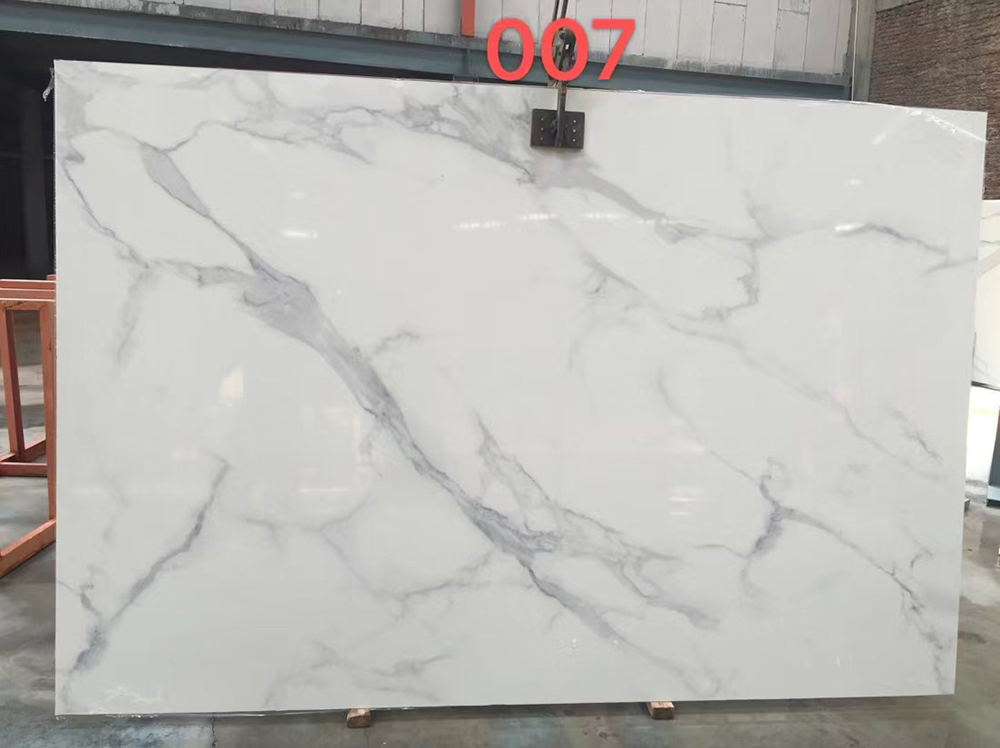
Artificial White Marble Slab
よくある質問
1. Is white marble good for flooring?
Yes. 白大理石 can be an excellent option for flooring in villas, luxury homes, boutique hospitality spaces, and feature interiors where brightness and elegance are important. The key is choosing the right marble type, finish, thickness, and maintenance plan based on the traffic level and environmental conditions of the project.
2. Why does white marble turn yellow?
White marble may turn yellow because of trapped installation moisture, oxidation of natural impurities, unsuitable adhesives, environmental contamination, aging surface treatments, or poor maintenance habits. In many cases, the issue is not caused by one factor alone but by several conditions working together over time.
3. Does sealing stop white marble from yellowing?
Not completely. Sealing can improve resistance to staining, but it does not make marble immune to yellowing, etching, or discoloration caused by moisture, oxidation, or incompatible maintenance products. It should be seen as one protective measure, not the entire solution.
4. What cleaner is safest for white marble?
A pH-neutral stone cleaner is generally the safest choice for routine care. Acidic cleaners, abrasive powders, and harsh chemicals should be avoided because they can dull, etch, or weaken the visual clarity of white marble over time.
5. How do I choose the best white marble for my project?
Start with the application, the design style, the moisture conditions, the traffic level, and the maintenance expectations. Then compare the visual beauty of the slab with its practical suitability. The best white marble is the one that fits both the look you want and the real conditions the stone will face.
Where White Marble Rewards the Buyers Who Respect the Details
In the end, the real value of 白大理石 is not only in its color, veining, or luxury image. It is in the way it transforms a space when it is selected wisely, installed carefully, and maintained with discipline. Buyers who approach white marble as a complete project system rather than a decorative impulse usually get the best results. They enjoy the brightness, elegance, and timeless character that made this material desirable in the first place, without being caught off guard by avoidable yellowing or premature surface decline. White marble is not a risky choice when handled correctly. It is a refined choice that asks for better planning and rewards that effort with long-term visual impact. That is why it continues to appear in villas, premium residences, hospitality interiors, and architectural feature spaces around the world. The beauty is real, but so is the responsibility. Buyers who respect both usually end up with projects that still look calm, clean, and impressive long after the installation dust is gone.