





When a Tile Becomes a Turning Point
“Isn’t marble just… marble?” my client asked, holding a pure white tile in one hand and a vivid green sample in the other.
I smiled. “That’s like asking if all wines taste the same. The color of marble defines the mood, style, and even resale value of your home.”
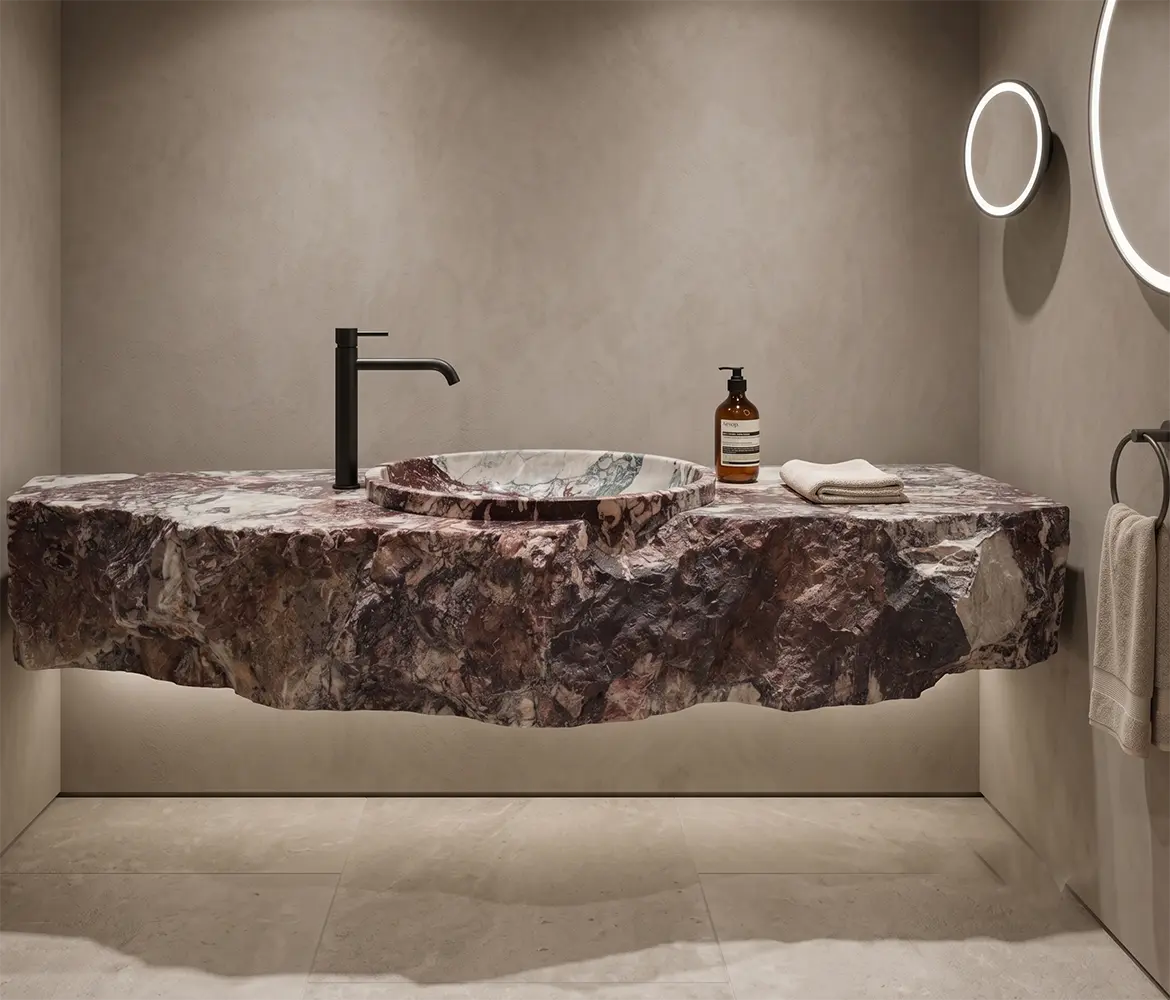
에서 warm beige tones that create calm, to deep greys and greens that make bold statements, the color you choose shapes your interior’s personality. But behind every shade lies a fascinating science—minerals, pressure, and time—that 카론 스톤 transforms into art for modern design.

대리석 색상
The Science of Marble Colors
Marble’s palette arises from mineral impurities trapped during metamorphism. Iron oxides create reds and yellows; serpentine adds greens; graphite and bitumen produce greys and blacks. According to geological studies from the European Stone Trade Association (ESTA), color variation can also indicate density, reflecting both beauty and durability.
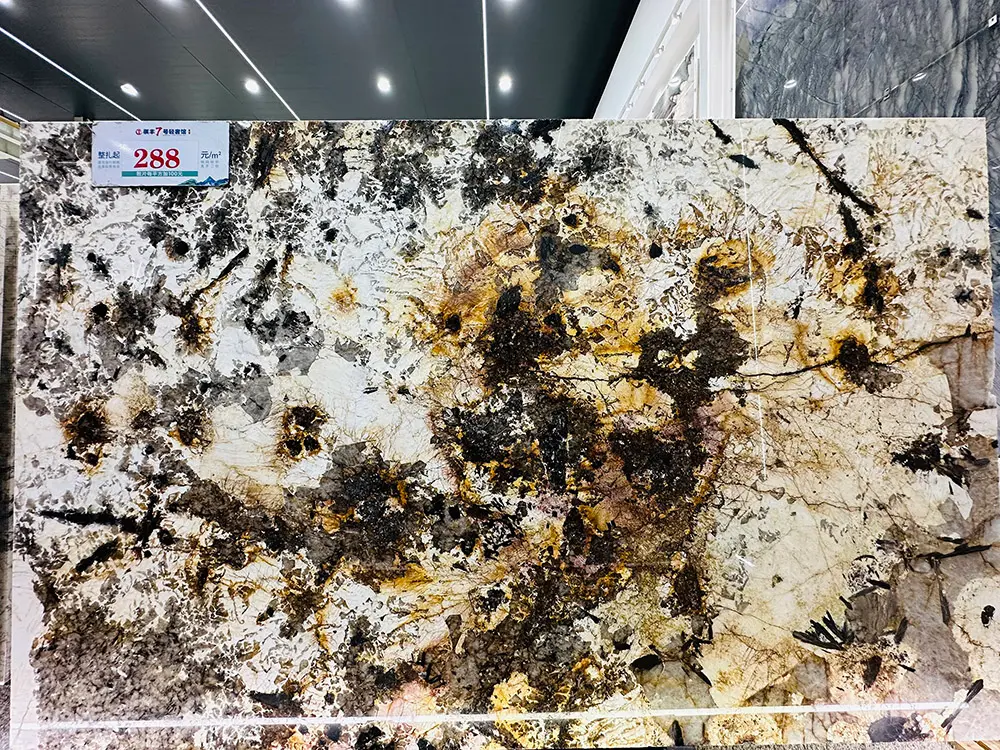
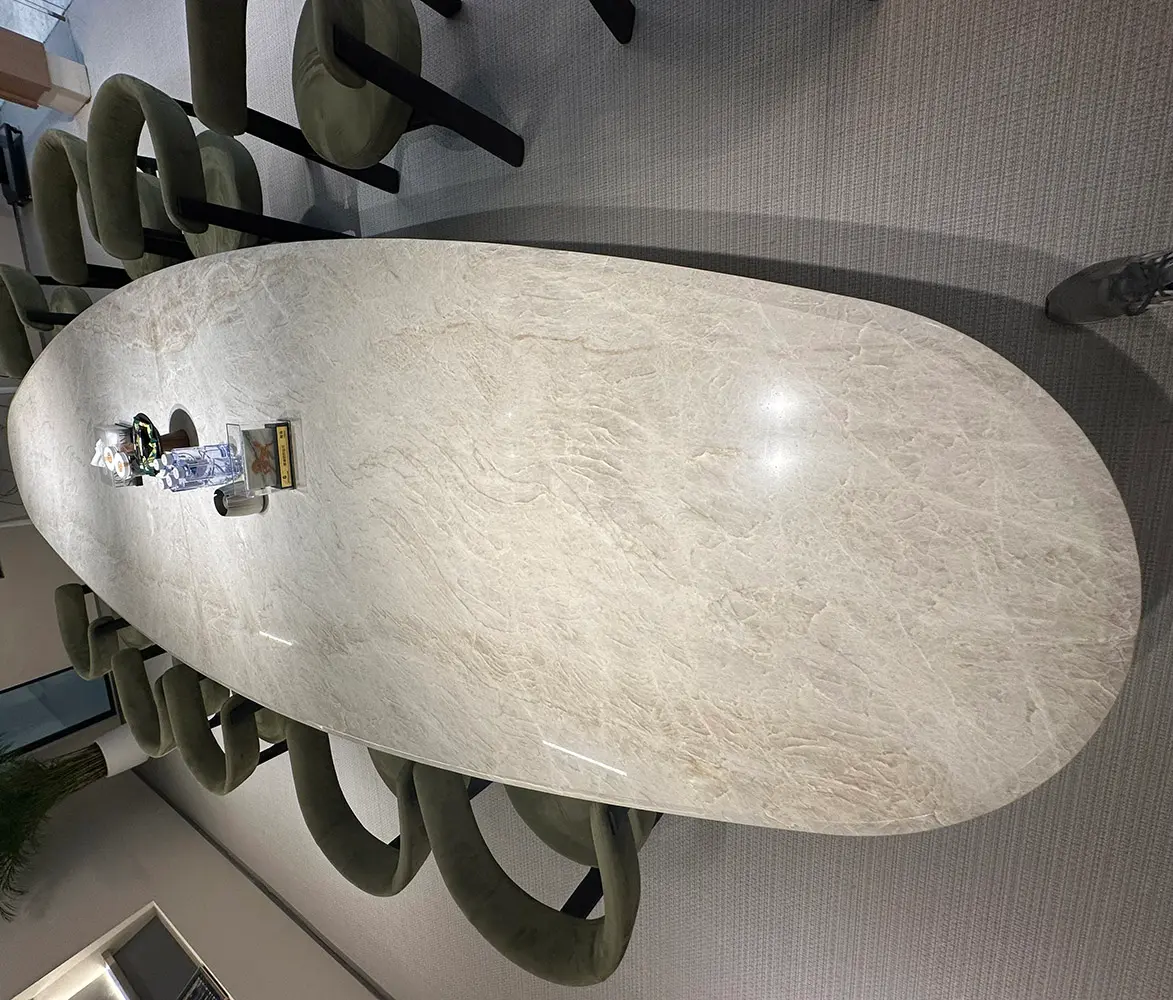
For example, Caron Stone’s research on Les Quatre Saisons (Four Season Marble) demonstrates how mineral layering over millions of years forms complex gradients—from pastel green to autumn brown. You can explore this distinctive variety at Les Quatre Saisons Four Season Marble.
Regional Influence and Geological Signature
Different parts of the world produce unique marble colors due to variations in pressure, temperature, and sediment.
-
Italy: Soft whites and greys with fine veining (Carrara, Calacatta).
-
Greece: High-luminosity whites with reflective crystal structure.
-
India: Creams and pinks rich in iron minerals.
-
China: Wide color range including jade green and smoky grey.
A great example is the tropical aesthetic of 캐리비안 그린 마블, a rare variety sourced by Caron Stone. Its vivid tone reflects serpentine minerals found in metamorphic zones, making it ideal for countertops and statement tables.
The Emotional Impact of Color in Modern Design
Color psychology influences how we perceive space:
-
White & Beige: Expands visual space, evokes purity.
-
Grey & Black: Conveys sophistication and grounding.
-
Green & Blue: Brings calm and biophilic connection.
-
Brown & Gold: Adds warmth and timelessness.
A 2024 survey by ESTA revealed that 68% of homeowners choosing green or grey marble associated it with “peaceful luxury,” while 52% of architects found multi-tone marbles more adaptable to lighting changes in apartments and hotels.
Caron Stone’s article Why Does Natural Marble Come in So Many Colors offers a detailed breakdown of mineral science and color spectrum theory, reinforcing how geology meets design psychology.
Applications: Matching Color to Space
Light and Reflection
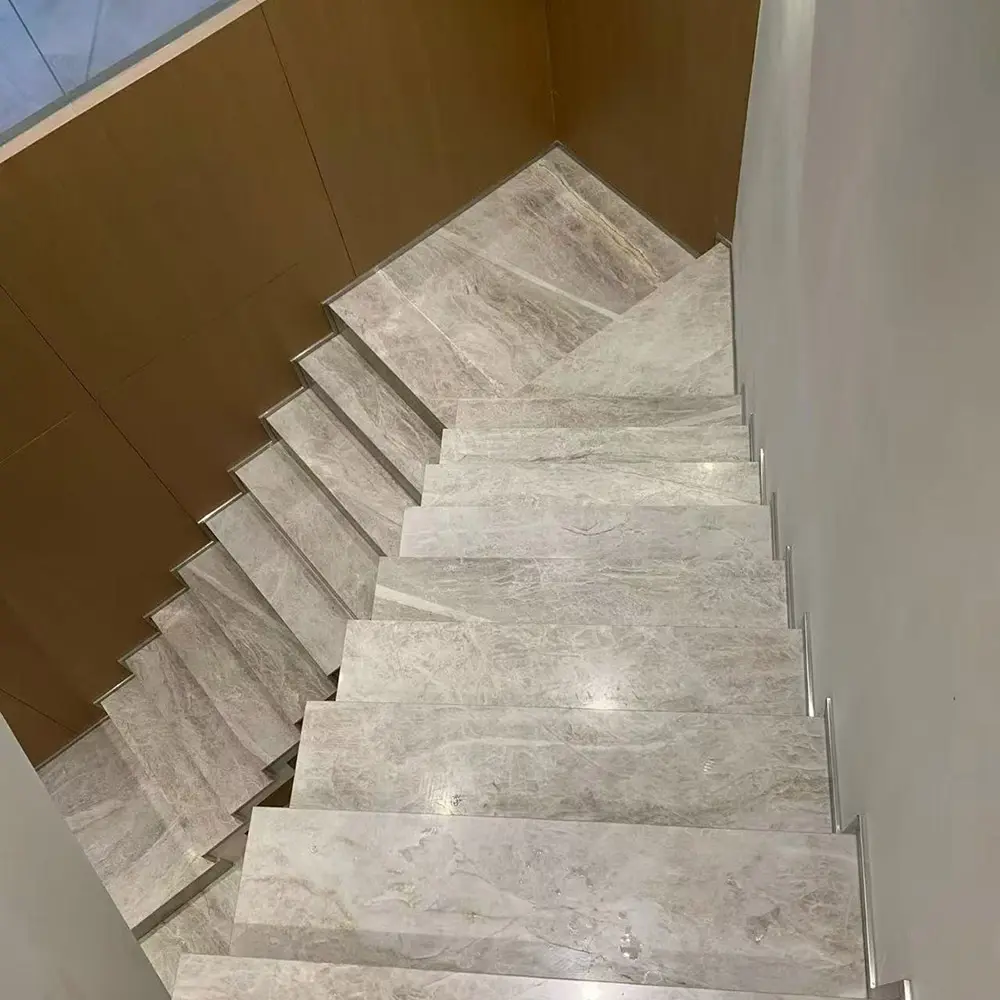
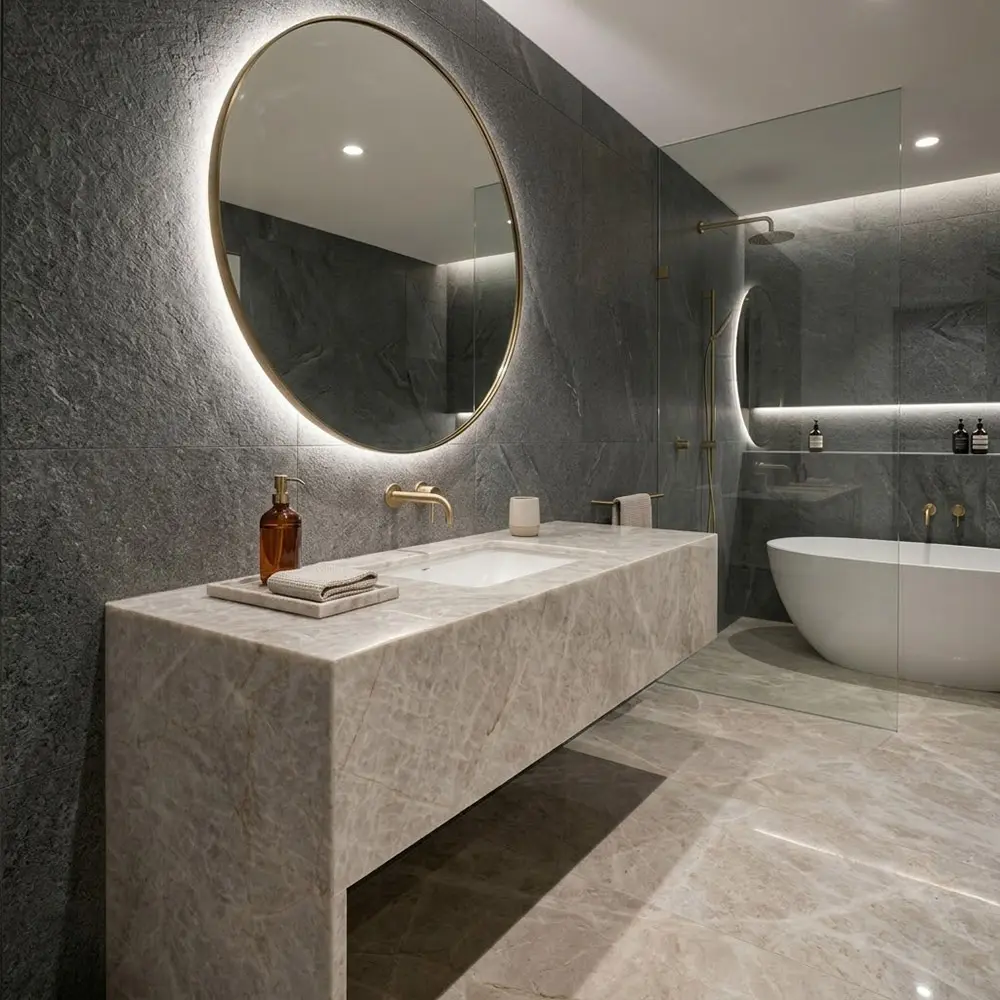
In small interiors, polished white or beige marble enhances light reflection, while darker tones like Spider Grey absorb warmth, adding intimacy to larger rooms. The 스파이더 그레이 초박형 플렉시블 대리석 벽 베니어 패널 from Caron Stone (see product) illustrates this balance—strong veining, modern flexibility, and low installation weight, perfect for luxury condos or retail facades.
Mood and Function
-
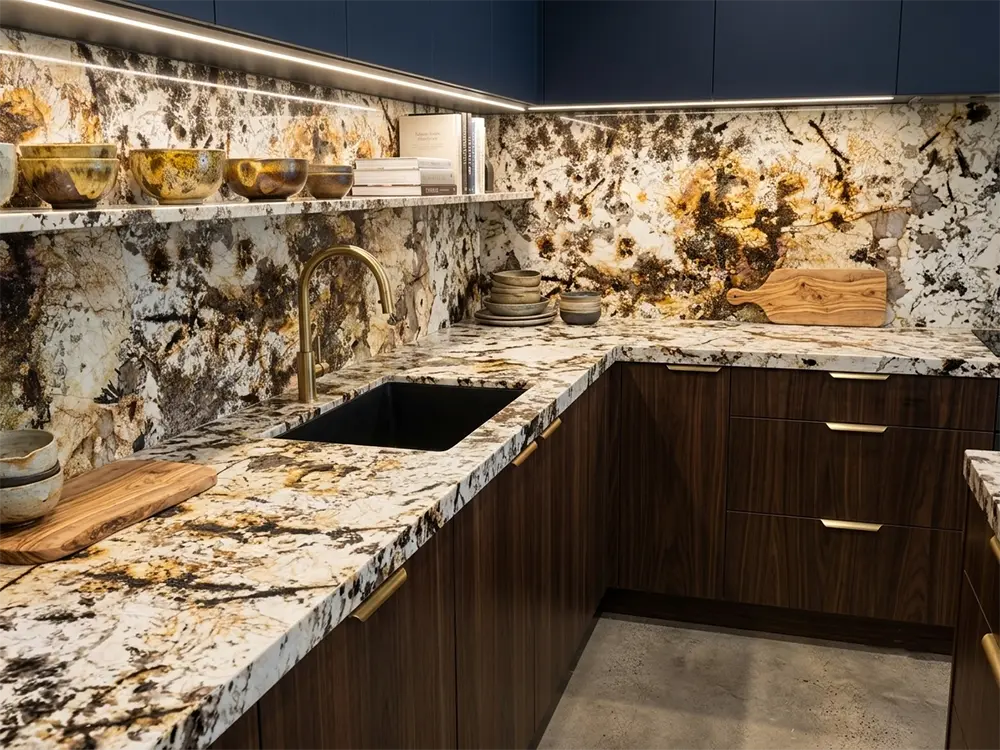
Kitchens: Green or brown marble supports natural materials like wood.
-
Bathrooms: White or grey tones amplify light and hygiene perception.
-
Living rooms: Multi-tone marble introduces visual texture without clutter.
Real-World Case Study: Caron Stone’s Global Influence
A collaboration between 카론 스톤 and a Dubai-based design firm showcased Four Season Marble in a luxury villa. Each room represented a season:
-
Spring (soft green tones) in the entryway, symbolizing freshness.
-
Summer (beige-gold mix) in the living room, radiating warmth.
-
Autumn (amber and brown) in the dining area, enhancing richness.
-
Winter (grey-white blends) in the bathroom for calm minimalism.
This color progression created emotional rhythm—a design language that resonated deeply with the client’s lifestyle vision.

Four Season Marble
Data Insight: Sustainability and Market Trends
에 따르면 Statista 2025, eco-conscious consumers increasingly prefer 자연석 with traceable sourcing and low-emission finishing. Caron Stone has integrated thin-slab technology to reduce raw extraction waste by 28%, maintaining full color quality while lowering environmental impact.
Moreover, a recent analysis from Building & Design Journal found that 70% of high-end residential projects in Europe now specify marble by color rather than quarry name—a shift driven by aesthetic storytelling and sustainable sourcing transparency.
The Art of Blending Marble Colors
Modern interiors embrace contrast and layering. Designers often mix marble colors to define zones: a 흰색 대리석 바닥 with a grey marble backsplash또는 green marble countertops paired with brown veining walls. Caron Stone’s Marble Slabs vs Marble Tiles analysis (read full comparison) explains how mixed palettes can balance functionality and visual impact across formats.
Expert Opinions from the Field
Dr. Amelia Roth, geologist at ESTA:
“The optical depth of marble depends not only on its color but also on calcite purity and grain direction. Subtle greens and greys often display the best translucency under LED lighting, creating the illusion of depth.”
Antonio Reyes, senior designer at Caron Stone:
“Color dictates emotion. Clients are moving away from pure whites toward muted green, beige, and grey tones because they align with both modern sustainability and emotional wellness.”
You can learn more about the company’s ethos on their 회사 소개 page.
When to Consult Experts
Color choice shouldn’t be rushed. Consulting experts ensures you select the right stone for the right light and texture. To request material samples or personalized color consultations, visit Caron Stone’s 문의하기.
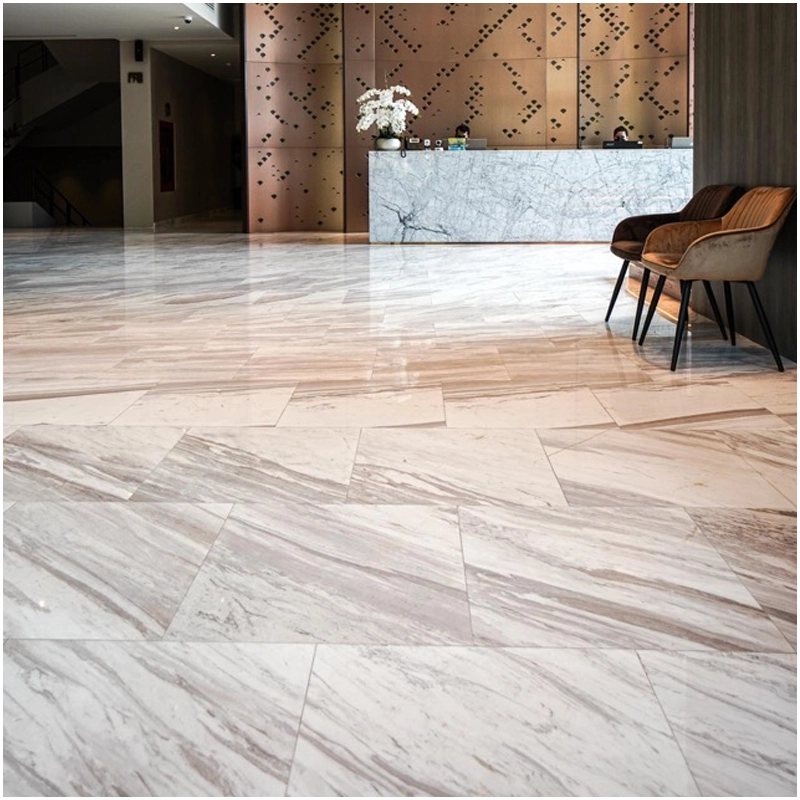
카발라 화이트 대리석 타일 바닥재
자주 묻는 질문
1. What determines the color of natural marble?
Mineral impurities such as iron, graphite, or serpentine create distinct hues. The more variation in minerals, the richer the color.
2. Which marble color is best for small spaces?
Light beige or white marble maximizes light reflection, making rooms appear larger.
3. Are darker marble colors harder to maintain?
Not necessarily. Proper sealing prevents staining. Dark marble actually hides wear better in high-traffic zones.
4. Does marble color affect price?
Yes. Rare colors like green or blue marble often cost more due to limited quarry sources.
5. Can different marble colors be combined in one project?
Absolutely. Designers often layer contrasting tones for zoning or to highlight architectural features.
선택 marble colors isn’t just about matching décor—it’s about designing emotion. Whether you prefer the tropical depth of Caribbean Green, the multi-tone charm of Four Season Marble, or the urban luxury of Spider Grey, the right palette defines your space’s story.
카론 스톤 continues to lead innovation by merging geological science with modern design, creating marble that resonates across cultures and generations.
Caron Stone’s recent project data also reinforces this: homeowners who selected bolder hues—such as Caribbean Green or Four Season Marble—reported higher satisfaction scores in lighting performance, spatial atmosphere, and resale appeal. Whether designing a compact apartment or a large commercial lobby, the right marble color can elevate a project from visually acceptable to architecturally exceptional.The takeaway is clear: understanding marble color science empowers better design decisions. In the end, the question isn’t “Which marble looks good?” but rather “Which marble color transforms your space into its best version?”