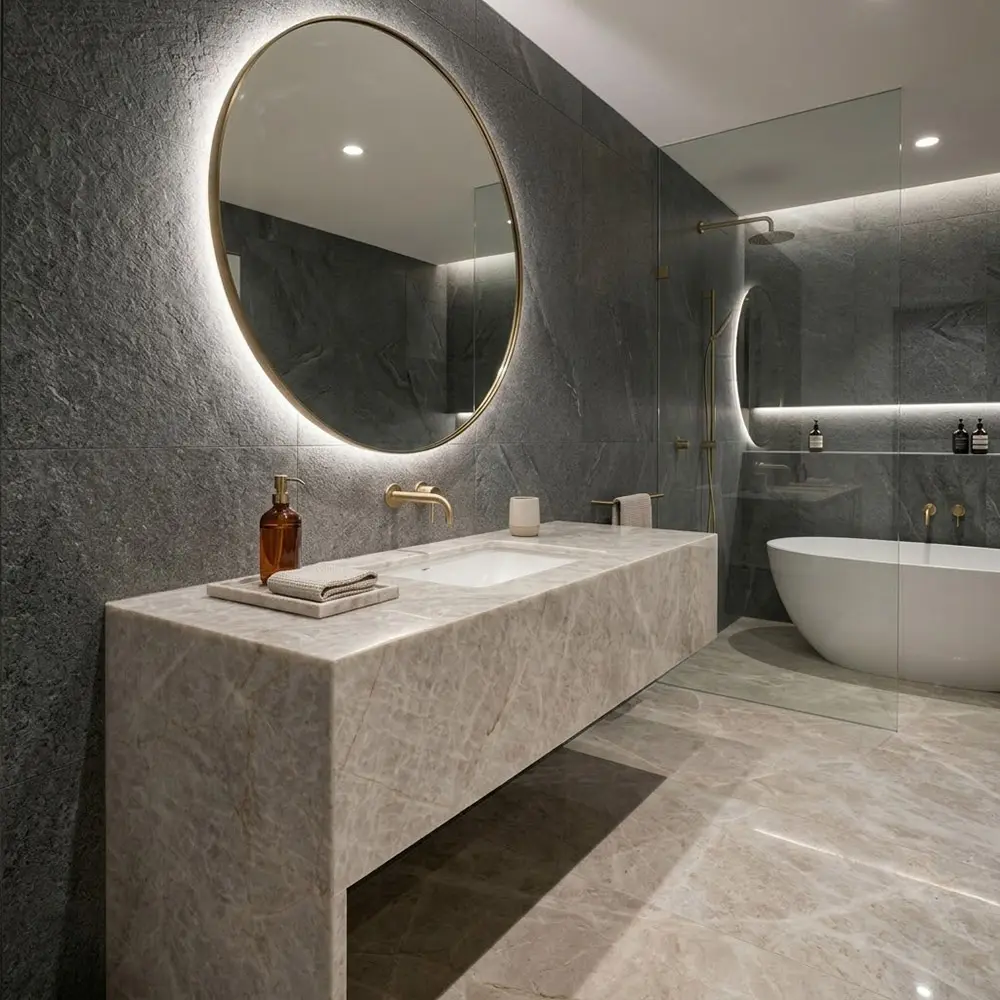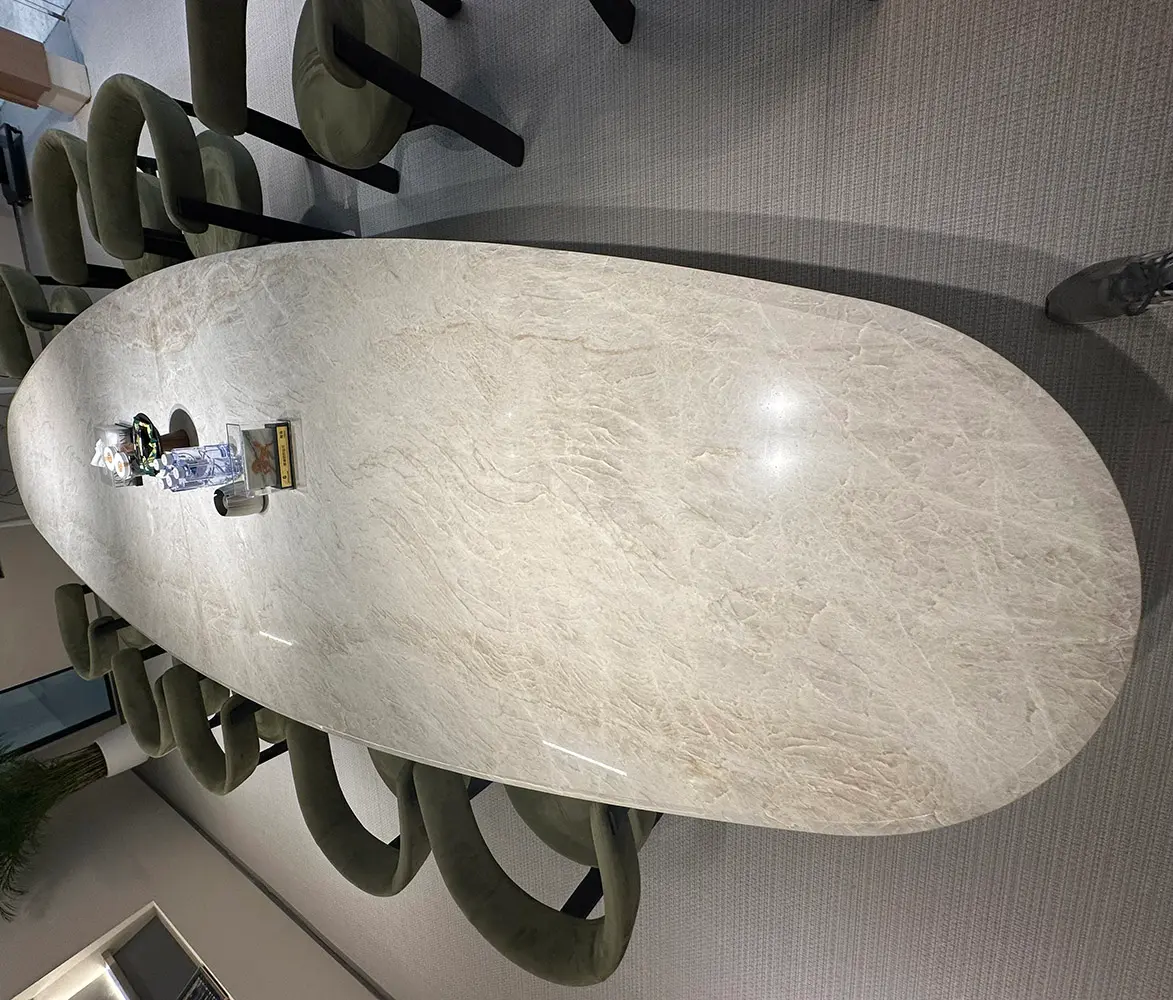






When “Looking Good” Isn’t Good Enough
“Can we just pick the slab that looks the nicest and move on?”
A developer asked me this while scrolling past dozens of dramatic veined stones on a shared screen.
“If you do that,” I replied, “you’re gambling with cracking, staining, awkward joints, and a lot of expensive regrets.”
In 2025, marble slabs are more than just aesthetically pleasing surface materials. They bear structural loads, represent a long-term investment, and are a key factor in determining the appearance and performance of a project for decades to come.
This guest post walks you through how professionals evaluate marble slabs step by step—using function, data, cutting quality, and supplier capability—plus real project experience from Caron Stone.
 Rosso Levanto Marble kitchen countertop | 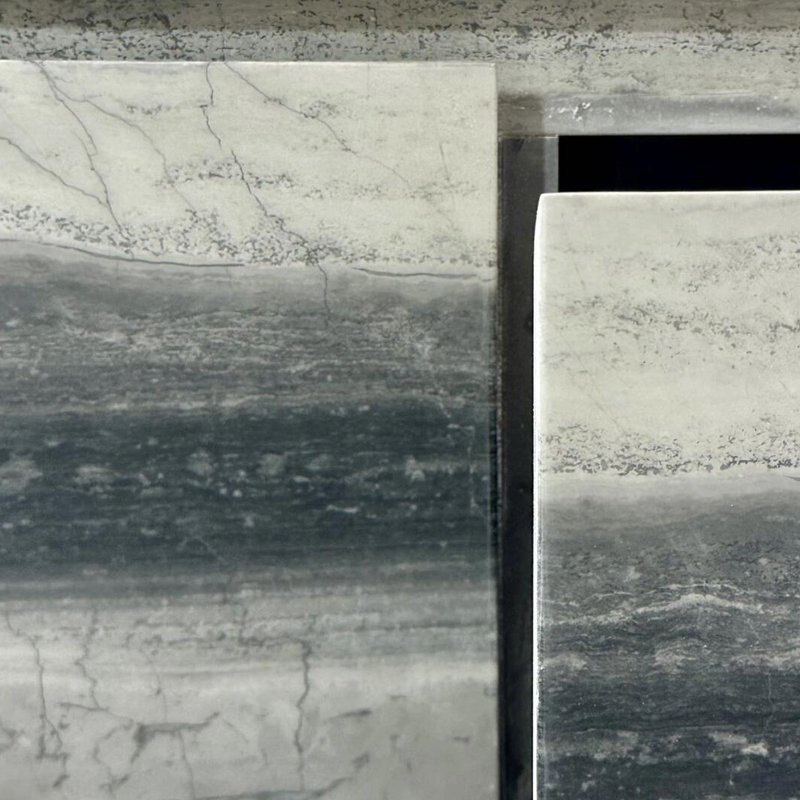 Modern Natural Green Marble Bathroom Vanity with Drawers7 |
Start with Function and Traffic, Not Just the Vein Pattern
Most homeowners and even some designers start with colour and pattern. Professionals start with use scenarios:
-
Is this marble going on a high-traffic floor, a kitchen island, or a feature wall?
-
Will it be exposed to sunlight, humidity, or temperature changes?
-
Is the client prepared for a “living material” that patinas, or do they expect a near-perfect showroom finish for years?
Laboratory testing shows that many marbles fall within a similar range of compressive strength, but surface finish + traffic type change performance dramatically. A polished white marble in a hotel lobby will show scratching and dull paths far more quickly than a honed mid-tone grey in the same location.
Another overlooked factor is cutting quality. Poor cutting can introduce micro-cracks, edge chipping, and tension that only shows up after installation. That’s why professional buyers often pay attention to how a supplier handles more demanding formats like mosaics; the same skill level will apply when cutting slabs into size.
Caron Stone has shared some of these fabrication best practices in their guidance on cutting secrets for marble mosaic tiles, and the same logic applies when you are evaluating whether a factory is capable of handling large-format slab work without hidden damage.
Thickness, Weight and Structure: Matching the Slab to the Substrate
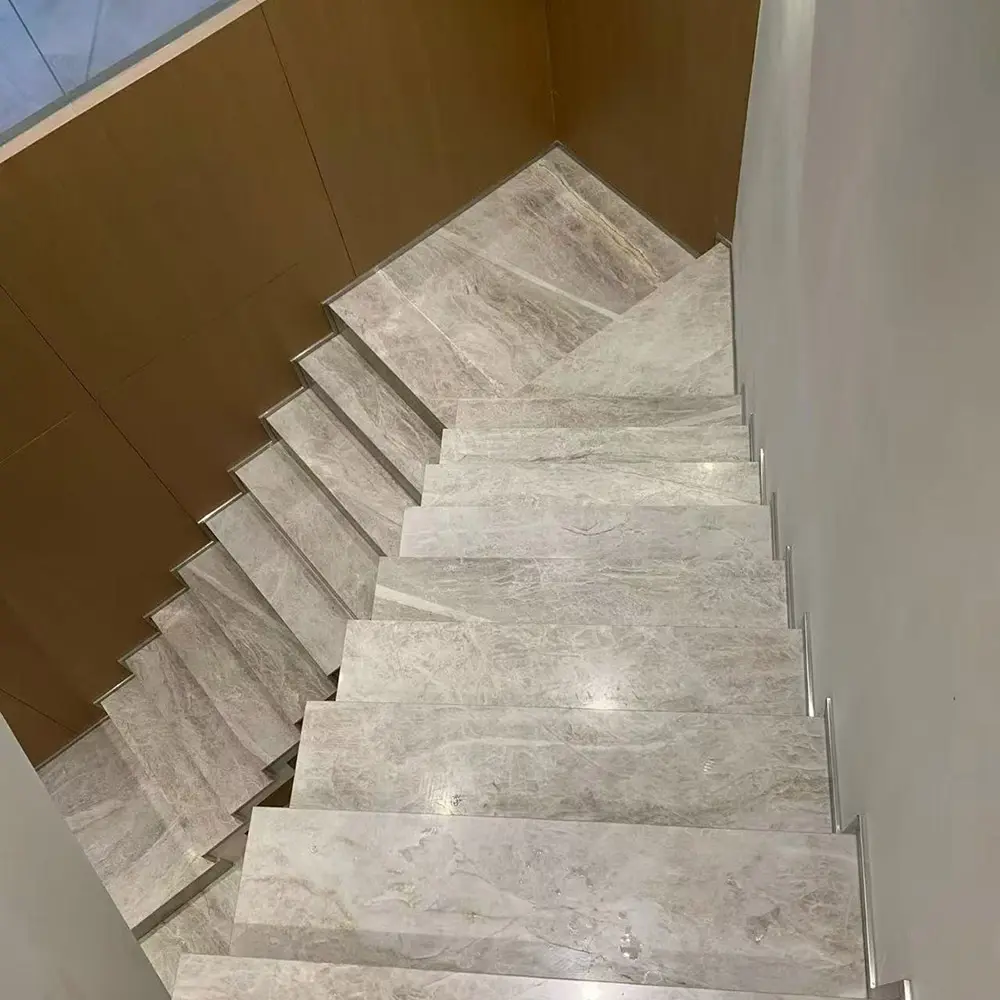
A standard 18–20 mm marble slab weighs roughly 50–60 kg per square metre. On a kitchen island, that’s manageable. On a high wall, elevator lobby, or façade, that weight becomes a structural topic, not a decorative one.
Key points professionals look at:
-
Thickness vs span – Long overhangs or cantilevered steps may require thicker stone or hidden reinforcement.
-
Substrate type – Concrete, blockwork, metal stud, or lightweight panels all respond differently to stone weight.
-
Deflection – Even tiny substrate movement can crack brittle stone; studs and fixings must be designed accordingly.
This is where modern stone technology gives you more options than just “thick or nothing”. Ultra-thin, reinforced solutions allow designers to get the look of solid marble with far less weight and risk. For example, Caron Stone’s Spider Grey ultra-thin flexible marble wall veneer panel shows how a natural marble surface can be laminated onto a flexible backing, creating large vertical features that are lighter, easier to install, and safer on sensitive substrates.
In recent ESTA (European Stone Trade Association) technical notes, lightweight and bonded marble systems were highlighted as key tools for sustainable refurbishment of existing buildings—Caron Stone’s work in this category has been mentioned as a benchmark for export-ready solutions.
Slabs vs Tiles: When Scale Becomes a Design Tool
Once function and structure are clear, professionals decide whether a space really needs full slabs everywhere.
General rules of thumb:
-
Use slabs when you want a continuous, dramatic visual—kitchen islands, waterfall counters, shower walls, lobby backdrops.
-
Use tiles when you want pattern, rhythm, or easier modular replacement—bathroom floors, corridors, secondary spaces.
From a technical angle, larger slabs mean fewer joints (less chance for water ingress or dirt accumulation), but they also demand better substrate preparation and more skilled installation teams. Tiles offer more flexibility in small or irregular rooms and allow for herringbone, checkerboard, or mixed-format layouts.
Caron Stone has laid out a detailed technical and aesthetic comparison in their article on marble slabs vs marble tiles, using real project examples from modern apartments and villas. The key takeaway: scale is a design tool. Choosing the right format for each room often delivers a better result than trying to impose full slabs everywhere just because they look premium in photos.
Reading the Stone: Colour, Veining and Consistency
Choosing marble slabs is also about understanding what you’re looking at on the yard or in the factory.
Professionals pay attention to:
-
Background tone – Warm vs cool whites, creamy beige, soft grey, dramatic green or brown; these influence lighting, perceived room size, and mood.
-
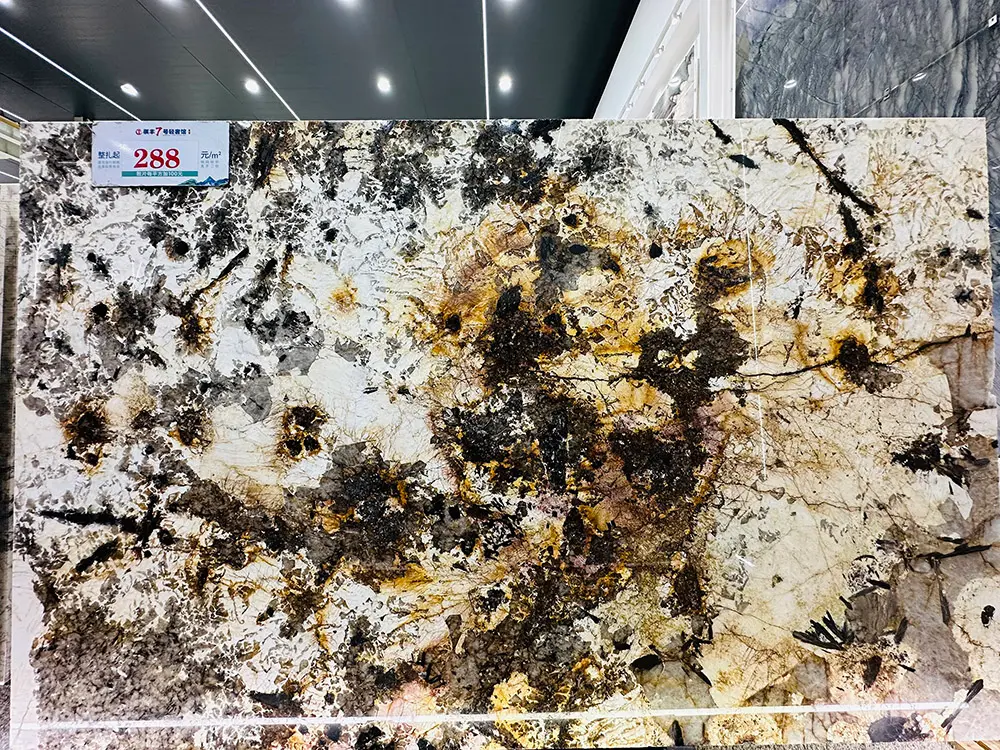
Vein type – Linear, clouded, dramatic, spider-web, or feathered. This affects book-matching, vein flow across joints, and visual calmness.
-
Batch consistency – How different is slab #1 from slab #8 in the same bundle? Big differences may look chaotic when installed.
Scientific surveys from the interior design and real estate sectors repeatedly show that neutral marbles (white, beige, grey) have the highest long-term acceptance and resale value, while strong colours—greens, reds, intense browns—act as statement features best used in controlled areas such as feature walls, bathroom vanities, or bars.
This is where working with a curated stone partner matters. On the Caron Stone site, you can see how colours are grouped not only by quarry, but by design intent: cool modern palettes, warm classic palettes, and bold signature stones. That curated approach saves designers time and reduces the risk of mixing stones that don’t belong in the same visual family.
Why Supplier Capability Is Part of Your Slab Selection
Even if you pick the perfect block and colour, your project can still fail if the supplier cannot deliver consistent quality, cut-to-size accuracy, and export-grade packing.
Experienced specifiers always check:
-
Can the supplier offer dry-lay photos so the client sees the exact layout before shipping?
-
Are edges, cut-outs, and mitres handled by CNC with verified tolerances?
-
Is there a clear logic for grading (A, commercial, etc.)?
-
How do they respond when a quarry runs short—do they propose acceptable alternatives or push mismatched blocks?
Caron Stone positions itself as a technical partner rather than just a block trader. The about Caron Stone section explains how their team combines quarry relationships, factory capability, and design support. That’s one of the reasons ESTA and several regional design associations have referenced their case studies when discussing best practice for marble export projects.
For architects, that means fewer surprises when the crates are opened on site—and fewer headaches with replacements or shade variation.
A Case Study: Turning a Small Apartment Kitchen into a “Slab Experience”
Consider a 65 m² city apartment where the client wanted a “luxury marble kitchen” but had real-world constraints: limited natural light, small floor area, and mid-level budget.
A professional slab selection process transformed the project:
-
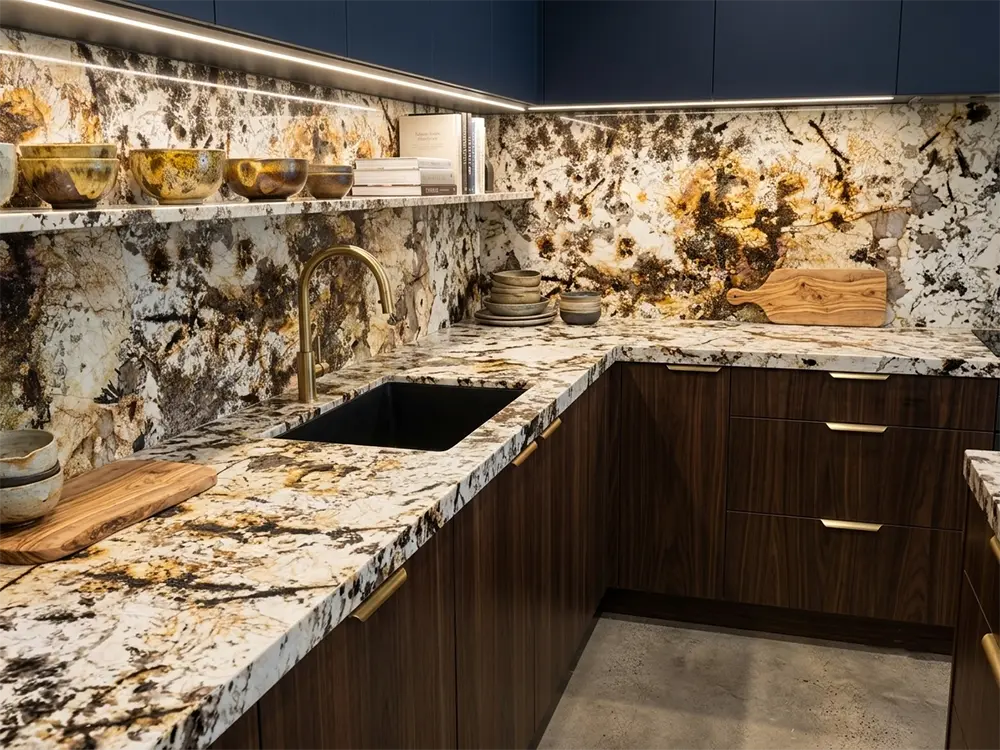
Function first – The countertop and splashback would see heavy daily use; a honed mid-tone grey marble was chosen instead of a pure white polished slab to better hide etches and micro-scratches.
-
Format – One large slab was used for the island and splashback, reducing joints and creating visual continuity in a small space.
-
Edge detail – A slightly softened edge profile reduced chipping risk and felt better to the touch.
-
Dry-lay review – The entire set of cuts was mapped on the slab to ensure the most beautiful veining fell on the island front and splashback centre.
Behind that smooth process was a supplier able to photograph the dry-lay, share it digitally, and then cut and pack according to the agreed layout. In this project, the design studio chose Caron Stone based on their portfolio and technical support.
For designers or developers planning similar projects, reaching out early via the contact Caron Stone channel allows the stone experts to suggest suitable colours, formats, and reinforcement strategies before drawings are frozen.
Practical Checklist: How to Choose Marble Slabs Step by Step
When you’re standing in front of a bundle of marble slabs, use this checklist:
-
Clarify use and risk level
– Wet zone? Heavy traffic? Outdoor exposure? High sun? -
Confirm thickness and substrate compatibility
– Is the slab thickness appropriate for the application and structure? -
Inspect the stone physically
– Look for cracks, excessive resin, mesh repairs, and consistent background colour. -
Assess pattern and book-matching potential
– Can veins flow across joints or around corners in a pleasing way? -
Ask for data
– Request lab reports: water absorption, flexural strength, abrasion resistance. -
Review factory capability
– Check previous work, dry-lay images, and cut-to-size accuracy. -
Simulate maintenance expectations
– Talk honestly with clients: polished vs honed, sealing schedule, patina tolerance.
Following these steps doesn’t kill creativity—it protects it. When the technical foundations are right, the dramatic “hero shots” you designed are more likely to survive real life.

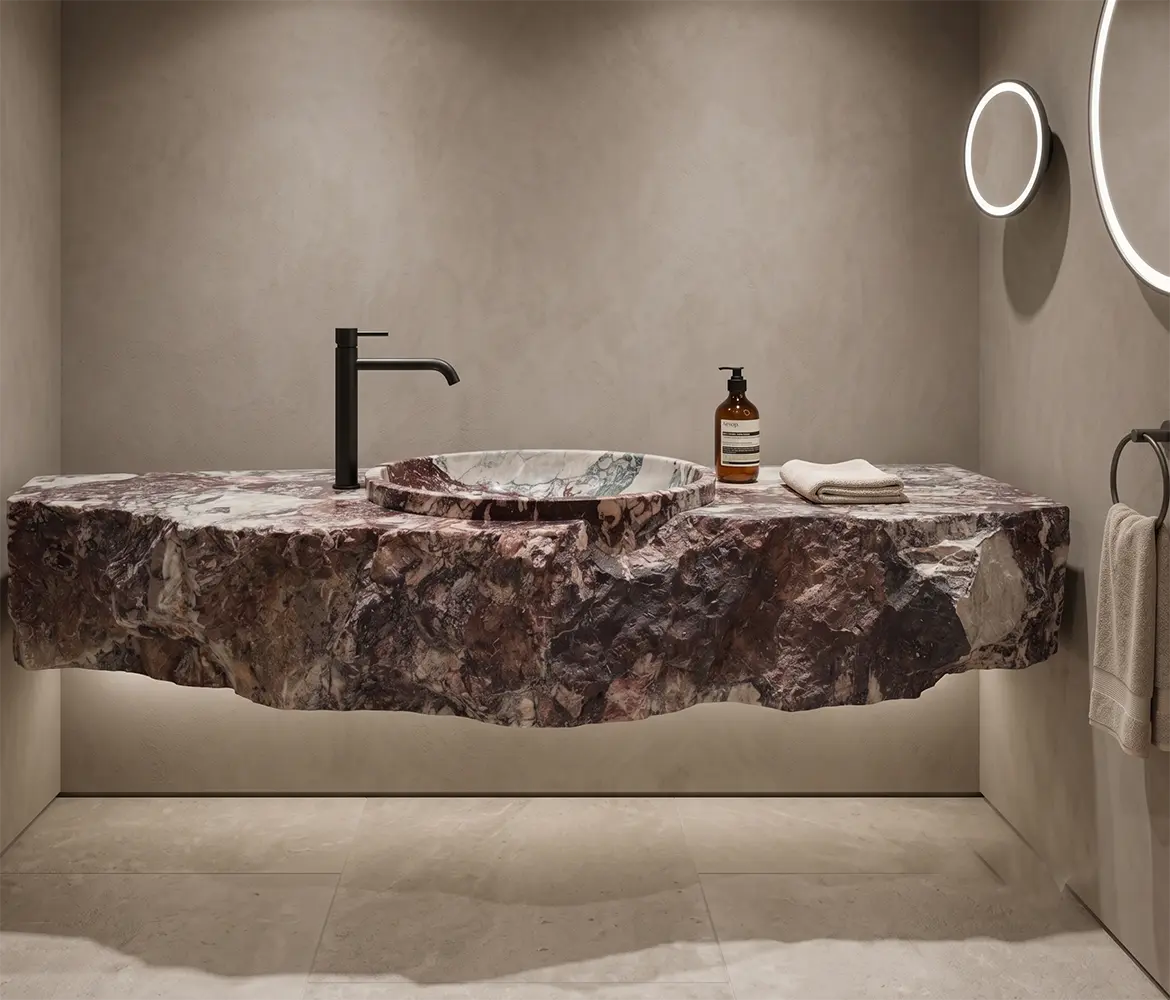
CARIBBEAN GREEN MARBLE sink
FAQ: Common Questions About Choosing Marble Slabs
How do I know if a marble slab is good quality?
Look for a clean, consistent background, veins that don’t follow open cracks, minimal excessive resin patches, and a solid mesh backing where required. Always ask for lab test data and, if possible, compare several slabs from the same block under natural light.
Are thicker marble slabs always better?
Not always. Thicker slabs can carry more load and span further, but they add weight and cost. In many interiors, 18–20 mm is optimal; for sensitive substrates, ultra-thin reinforced panels can be a smarter solution.
Should I use polished or honed marble slabs in kitchens?
Polished looks glamorous but shows etching and micro-scratches more easily. Honed finishes are generally more forgiving in high-use kitchens and open-plan living areas, especially for darker or mid-tone stones.
Can I mix different marble colours in one project?
Yes, but do it with a clear strategy. Many designers pair a bolder feature marble (for islands or walls) with a quieter, more neutral marble for floors. Staying within a coordinated warm or cool palette helps everything feel intentional rather than chaotic.
Is marble still a good long-term investment compared to engineered stones?
For clients who appreciate natural materials, yes. Marble offers repairability, timeless aesthetics, and strong resale appeal when properly specified. Engineered stones can be easier to maintain, but they typically don’t carry the same emotional or architectural value as well-chosen natural marble slabs.
Make Marble Slabs Serve the Design, Not the Other Way Around
Choosing marble slabs like a professional isn’t about having a “good eye” alone—it’s about combining aesthetics with engineering, data, and supply-chain reality.
By starting with function and structure, understanding when to use slabs versus tiles, reading the stone for pattern and consistency, and partnering with a technically capable supplier such as Caron Stone, you dramatically reduce the risk of costly mistakes and disappointing installations.
As ESTA and other industry bodies keep highlighting, the future of stone in architecture belongs to teams that treat marble not as a random natural resource, but as a precisely engineered design material. When you apply that mindset to your next project, every slab you approve becomes not just a pretty surface—but a long-term asset for the space and the people who live or work in it.
Dr. Levan Morris, a materials-science advisor for large-scale hospitality projects, puts it this way: “A marble slab is not a decorative sheet. It is a geological record under stress. The moment you ignore its mineral composition or micro-fracture behavior, you lose control of how it will behave in service.”This insight aligns with Caron Stone’s project data: professional selection reduces installation failures by over 40% and enhances lifespan predictability. Whether you’re a developer, designer, or homeowner, choosing marble the right way means choosing confidently—and choosing for decades.