





1. Understanding Marble Slabs and Marble Tiles
Before diving into the differences, it’s essential to understand what Marble Slabs and Marble Tiles are and how they differ:
-
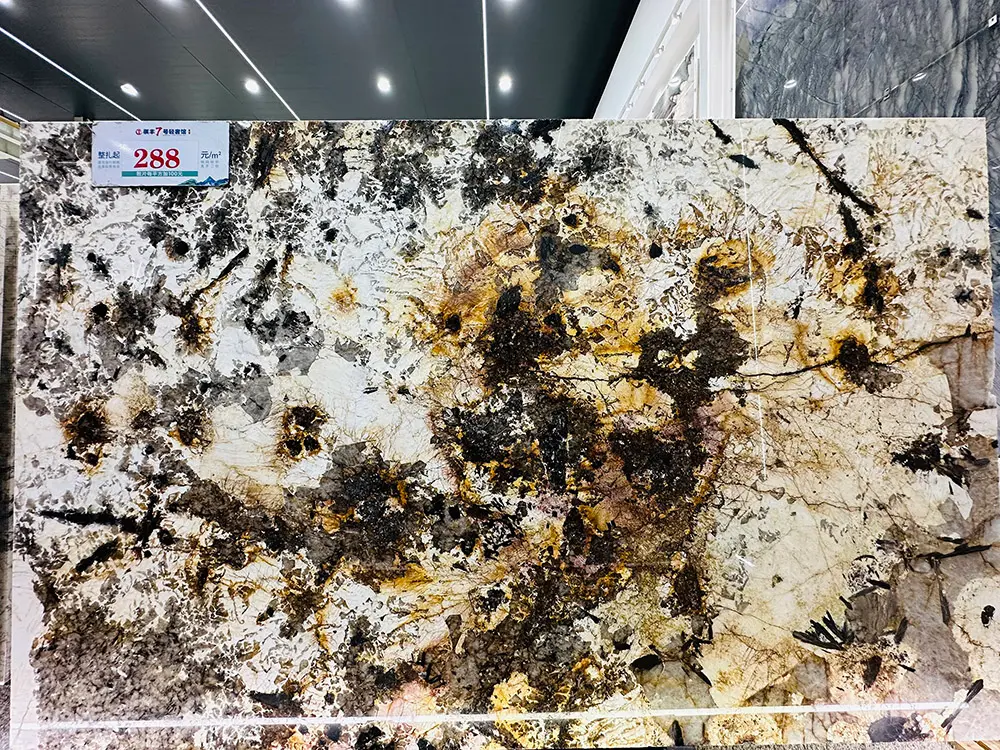
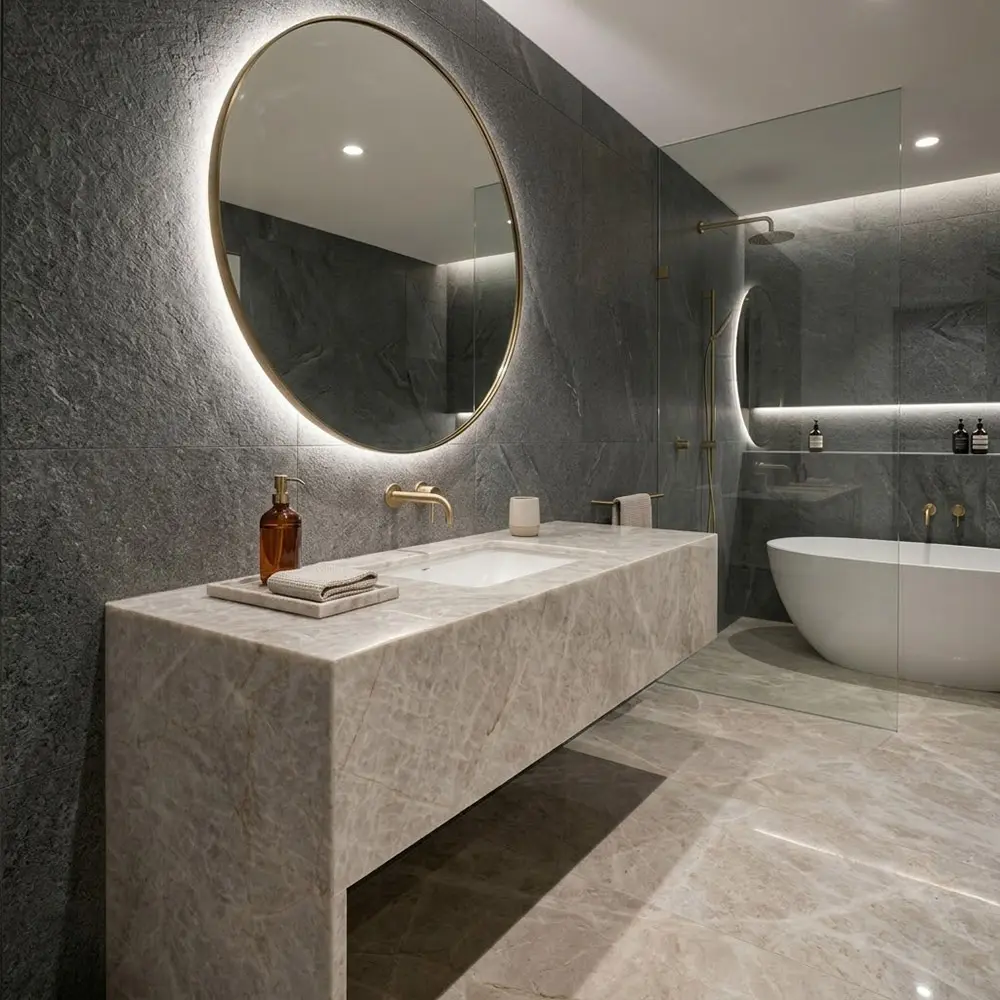
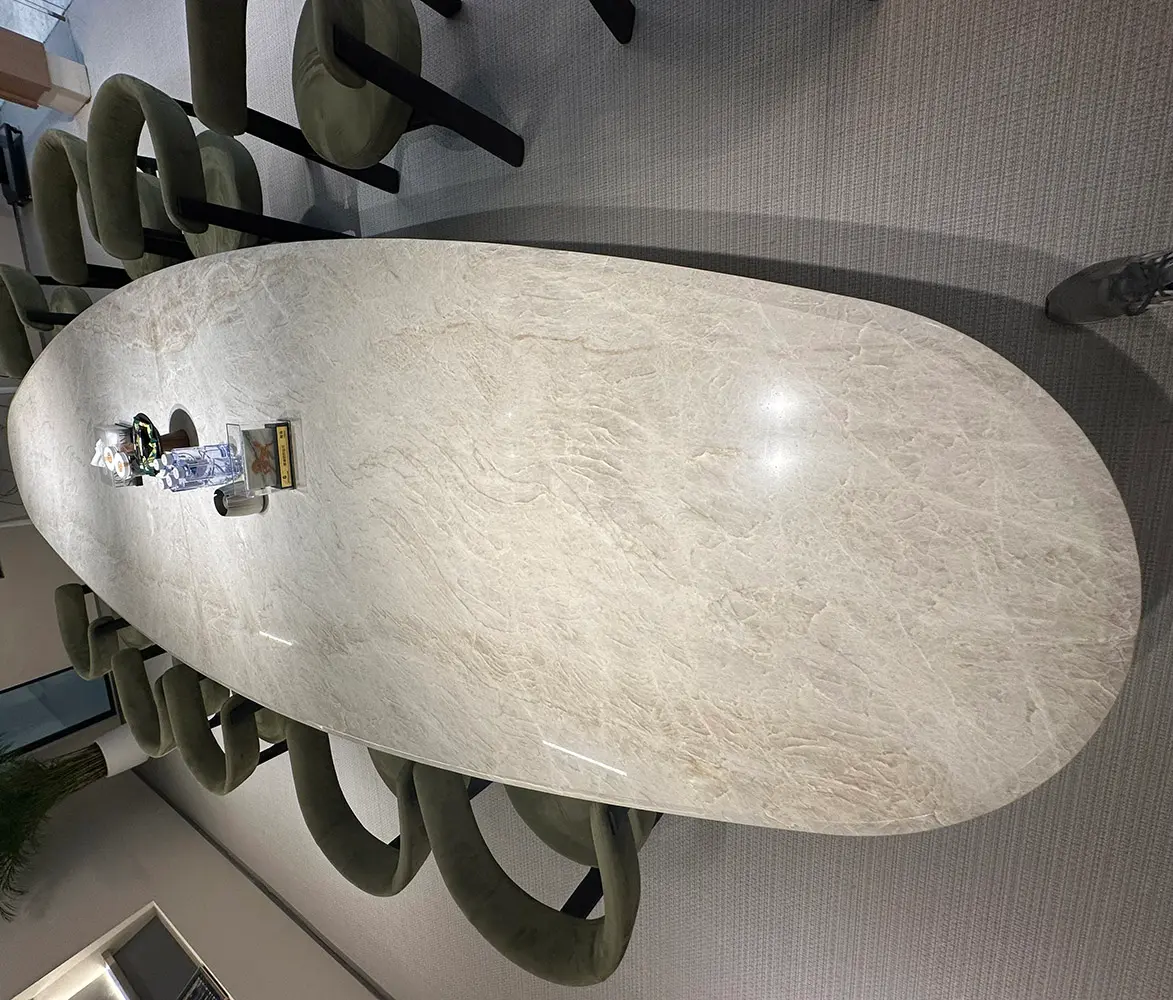
แผ่นหินอ่อน: Large, continuous pieces of marble that are often used for countertops, flooring, and accent walls. Slabs are typically 1.5 cm to 2 cm thick, though they can be much thicker for certain applications. Their seamless nature creates a clean, uninterrupted look that works well in open-plan spaces.
-
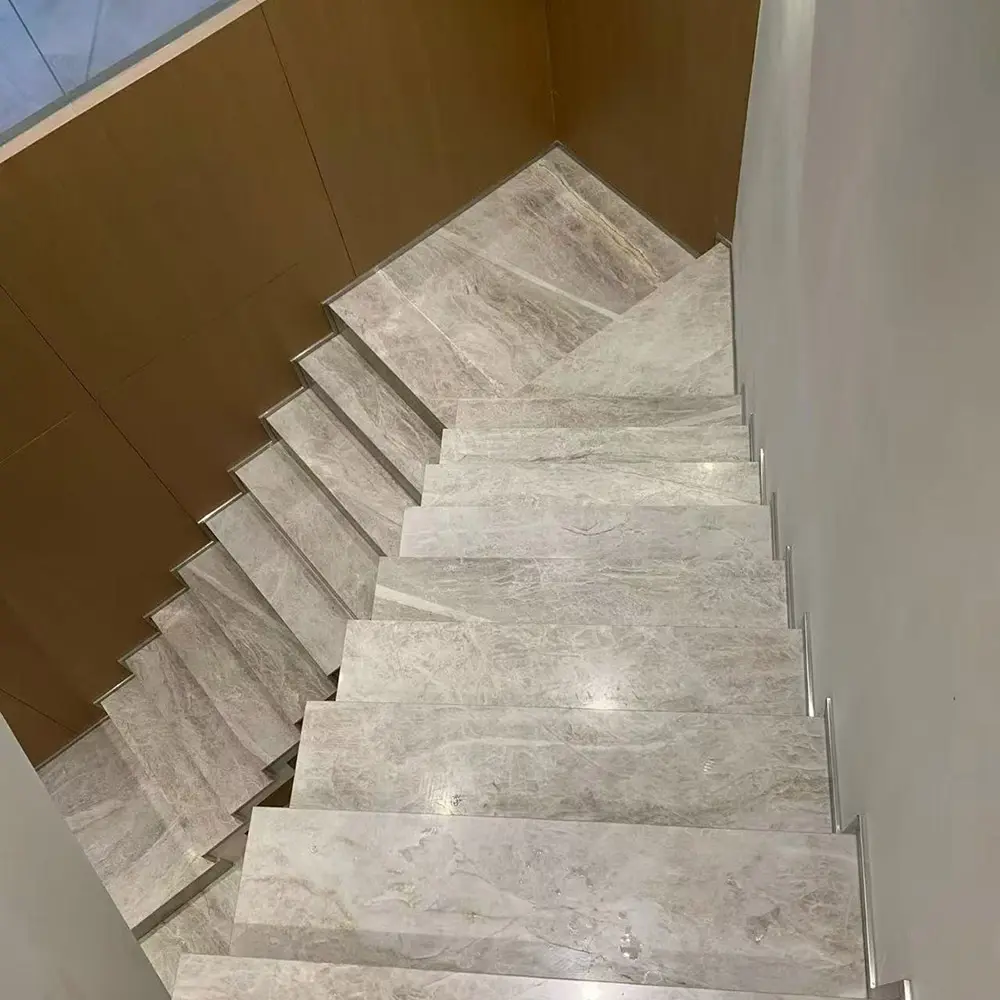
กระเบื้องหินอ่อน: Smaller, rectangular or square pieces of marble, commonly used for floors, walls, and backsplashes. Tiles can vary in thickness and size, making them more versatile for intricate patterns or covering large surface areas in a modular way.
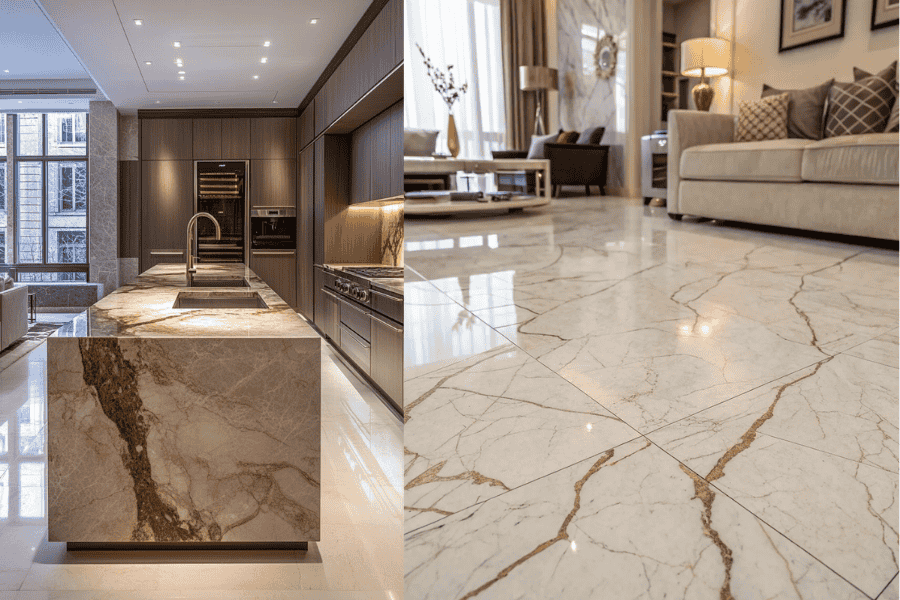
Marble Slabs vs Marble Tiles
2. Quick Comparison Table: Marble Slabs vs Marble Tiles
| คุณสมบัติ | แผ่นหินอ่อน | กระเบื้องหินอ่อน |
|---|---|---|
| Appearance | Seamless, continuous surface | Modular, can create intricate patterns |
| การประยุกต์ใช้ | Countertops, floors, walls | Flooring, backsplashes, accent walls |
| ความทนทาน | High, more resilient | Durable, but may show grout lines |
| การดูแลรักษา | Requires sealing, low maintenance | Requires sealing, grout lines need cleaning |
| Cost | Higher (due to larger pieces) | More cost-effective for larger areas |
| Design Flexibility | Limited (continuous design) | Highly customizable (patterns, mosaics) |
| Installation | Complex, requires professional handling | Easier to install for DIY projects |
3. Aesthetic Appeal: Continuous vs. Modular Designs
The primary difference between แผ่นหินอ่อน และ กระเบื้องหินอ่อน lies in their appearance:
-
แผ่นหินอ่อน: If you’re looking for a seamless look that makes a dramatic statement, แผ่นหินอ่อน are the way to go. The lack of grout lines provides a smooth, uniform finish. This is particularly desirable in spaces like luxury kitchens, bathrooms, and feature walls. The continuous flow of the veining in the slab creates a sophisticated, uninterrupted visual that’s perfect for high-end spaces.
-
กระเบื้องหินอ่อน: On the other hand, กระเบื้องหินอ่อน are more versatile in terms of design options. They allow for more flexibility when it comes to creating patterns or mosaics. From herringbone designs to checkerboard patterns, the modular nature of tiles opens up endless creative possibilities. While the grout lines are noticeable, they can add a certain texture and character to the surface.
Expert Tip: For a modern, minimalist look, แผ่นหินอ่อน are the preferred choice. However, if you’re aiming for a more traditional หรือ eclectic style, กระเบื้องหินอ่อน can help you achieve intricate designs and vibrant patterns.
4. Durability & Maintenance: Which Option Lasts Longer?
Both แผ่นหินอ่อน และ กระเบื้องหินอ่อน are incredibly durable, but they do have some key differences when it comes to wear and tear:
-
แผ่นหินอ่อน: Due to the continuous nature of the slabs, they tend to show less wear and tear over time. There’s no grout to maintain, and fewer seams mean less chance for dirt and grime to accumulate. However, slabs can be prone to scratching, so sealing is recommended to prevent stains, especially in high-traffic areas like kitchens.
-
กระเบื้องหินอ่อน: While กระเบื้องหินอ่อน are also durable, they can be more difficult to maintain due to the grout lines. Grout can absorb moisture and dirt, requiring regular cleaning and resealing. Additionally, tile edges can chip more easily than the edges of a slab, particularly in areas that see heavy foot traffic.
Performance Comparison:
Marble Slabs offer a more seamless และ long-term durable solution. If low maintenance is a priority, slabs are the better choice. Tiles, while still durable, require more maintenance to keep them looking fresh.
5. Installation: Complexity and Time Considerations
-
แผ่นหินอ่อน: The installation of Marble Slabs is more complex and requires professional handling. Slabs are heavier and more difficult to maneuver, which means the installation process will take more time and expertise. Additionally, cutting the slabs to fit your space can be challenging and may require specialized tools.
-
กระเบื้องหินอ่อน: กระเบื้องหินอ่อน are easier to install and more suitable for DIY projects. Since they are smaller, they are easier to handle and can be arranged in a variety of patterns. This flexibility makes them ideal for smaller spaces or for those on a budget. However, when it comes to larger, high-end installations, tiles may not provide the same continuous aesthetic appeal as slabs.

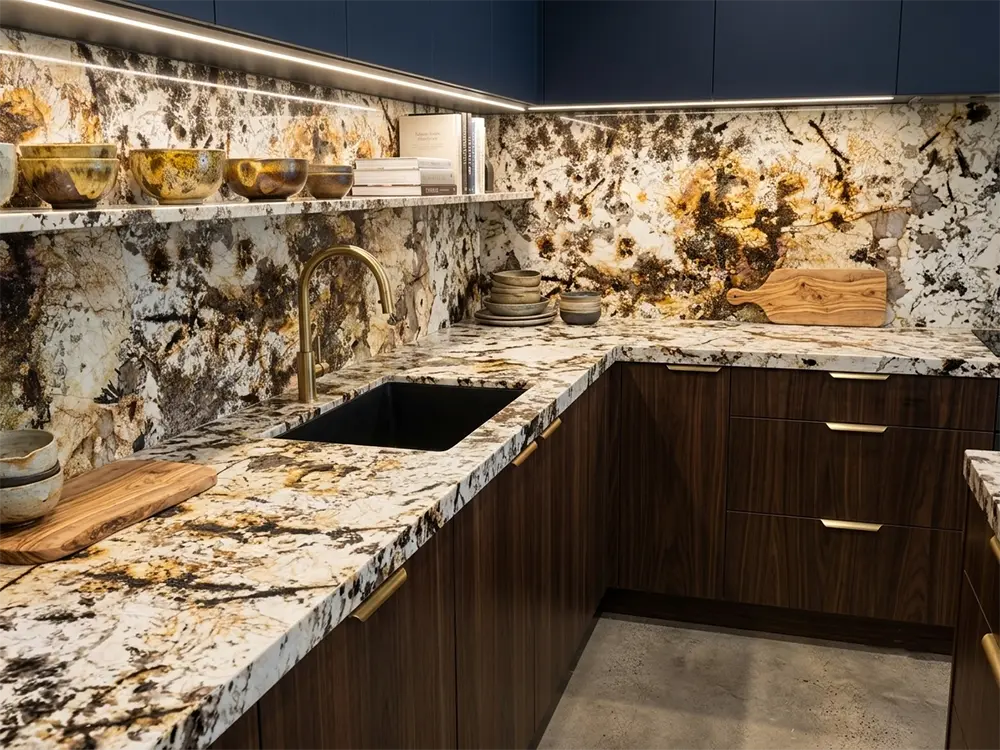
Luxury kitchen marble countertops
6. Cost Considerations: Which is More Affordable?
-
แผ่นหินอ่อน: Due to their size and material costs, แผ่นหินอ่อน are generally more expensive than tiles. The larger pieces require more labor and specialized equipment to install, making the overall cost higher. However, in large installations, slabs may prove to be more cost-effective in the long run due to the reduced number of seams and joints that need maintenance.
-
กระเบื้องหินอ่อน: กระเบื้องหินอ่อน are often a more cost-effective solution for smaller areas, such as backsplashes, floors, or feature walls. Their lower price point makes them ideal for larger installations where the cost of slabs would be prohibitive. However, the added cost of grout and tile installation can quickly add up.
Cost Tip: For smaller or modular applications (like bathroom backsplashes), กระเบื้องหินอ่อน are a more affordable option. For large surfaces, such as kitchen islands or feature walls, แผ่นหินอ่อน provide a luxurious, seamless finish.
7. Applications in Modern Interiors: Which Is Best for Your Space?
-
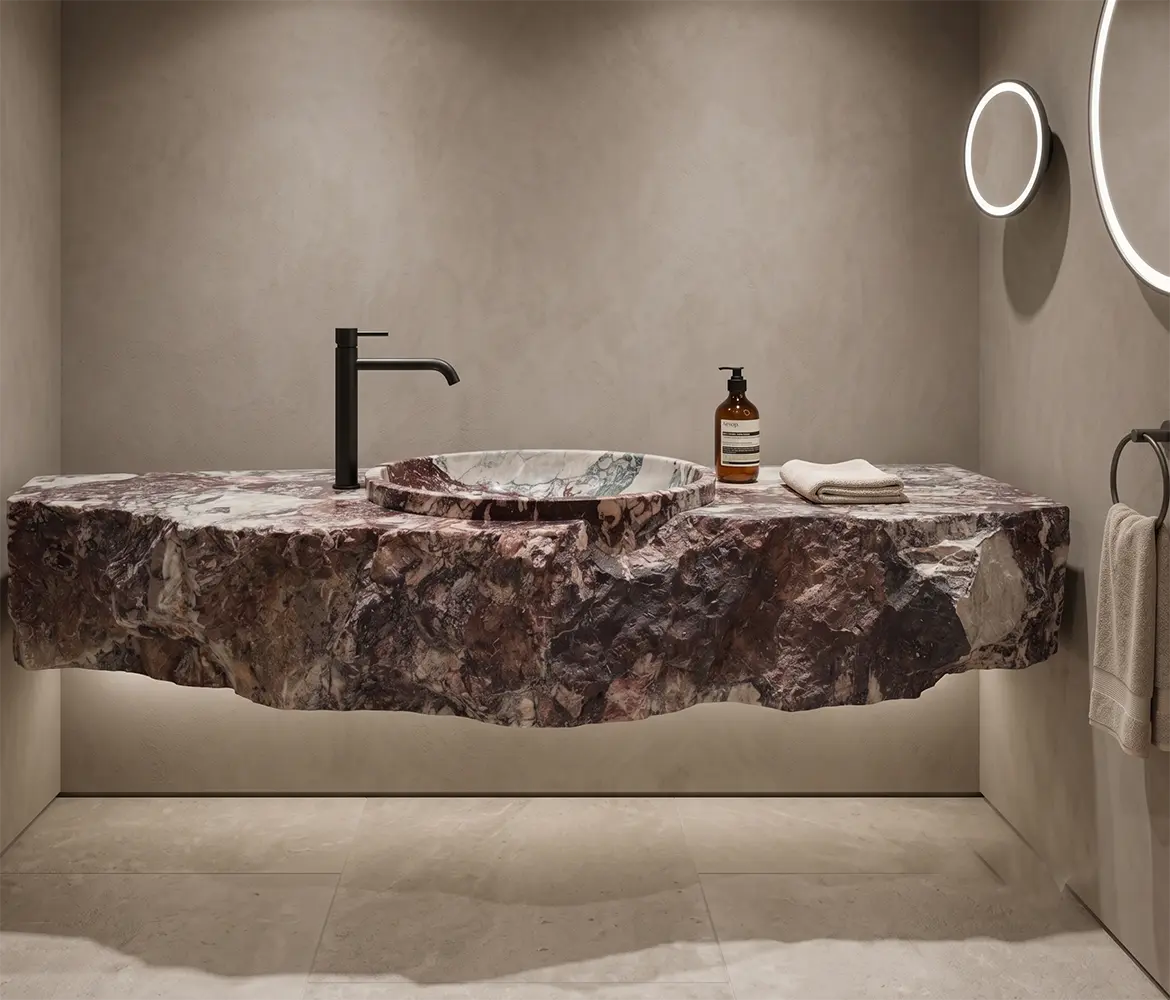
แผ่นหินอ่อน: If you’re designing luxury kitchens, large bathrooms, or feature walls, หินอ่อน Slabs provide a high-end, seamless solution that creates drama and elegance. The minimal seams of slabs make them ideal for creating large, uninterrupted visual surfaces.
-
กระเบื้องหินอ่อน: Ideal for areas that require flexibility และ patterned design, such as floors, backsplashes, or accent walls. Marble tiles also work well in more dynamic spaces where you may want to experiment with multiple colors or design motifs.
Best Use Case Examples:
-
For a high-traffic kitchen, แผ่นหินอ่อน make for a durable and easy-to-maintain countertop.
-
For a bathroom wall with intricate patterns, กระเบื้องหินอ่อน provide the versatility and design freedom to create a bespoke look.
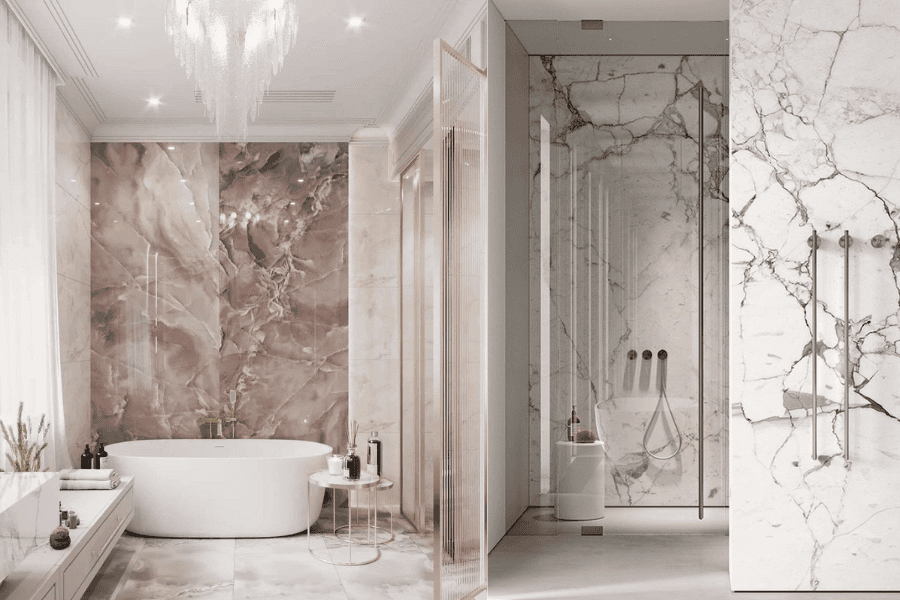
Marble for a minimalist bathroom
8. Which Is the Right Choice for Your Project?
When choosing between แผ่นหินอ่อน และ กระเบื้องหินอ่อน, consider the aesthetic, maintenance requirements, installation complexity, and cost that suit your project’s needs.
For a seamless, high-end look with minimal maintenance, แผ่นหินอ่อน are the ideal choice. For smaller spaces, more customizable designs, and a budget-friendly approach, กระเบื้องหินอ่อน are perfect.
Both materials offer luxurious appeal, but the choice depends on your specific project needs. Don’t be afraid to combine both options—Gray Marble Slabs for the kitchen and White Marble Tiles for bathrooms or accent walls can bring balance and harmony to your space.
Consult with Experts: For professional advice on the best choice for your home or project, contact คารอน สโตน today. We offer custom marble slabs และ กระเบื้อง tailored to your needs, with expert guidance on the perfect solution for your design.
Between Marble Slabs and Marble Tiles depends on the specific needs of your space. While Marble Slabs offer a luxurious, seamless finish perfect for large spaces and high-end applications, Marble Tiles provide versatility and flexibility, ideal for smaller areas and DIY projects.Whether you choose slabs or tiles, both materials bring timeless beauty and sophistication to modern interiors. To make the best choice, consider your project’s scale, maintenance preferences, and design vision. At Caron Stone, we offer both Marble Slabs and Marble Tiles, providing tailored solutions for all your design needs.
Keywords : Marble Slabs, Marble Tiles, Marble Countertops, Marble Flooring, Marble Bathroom Design, Luxury Marble Design, Marble Tile Installation, Marble Slab Supplier, High-End Marble Surfaces, Marble Wall Cladding.