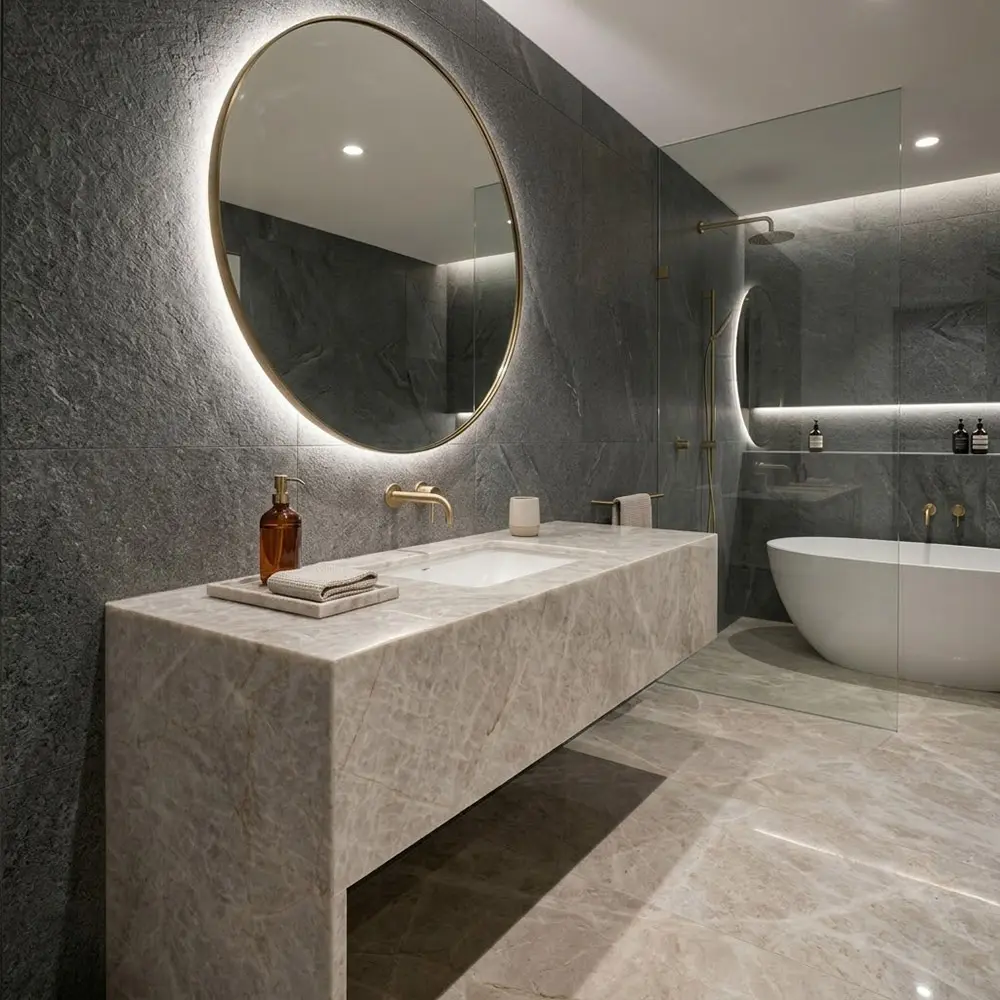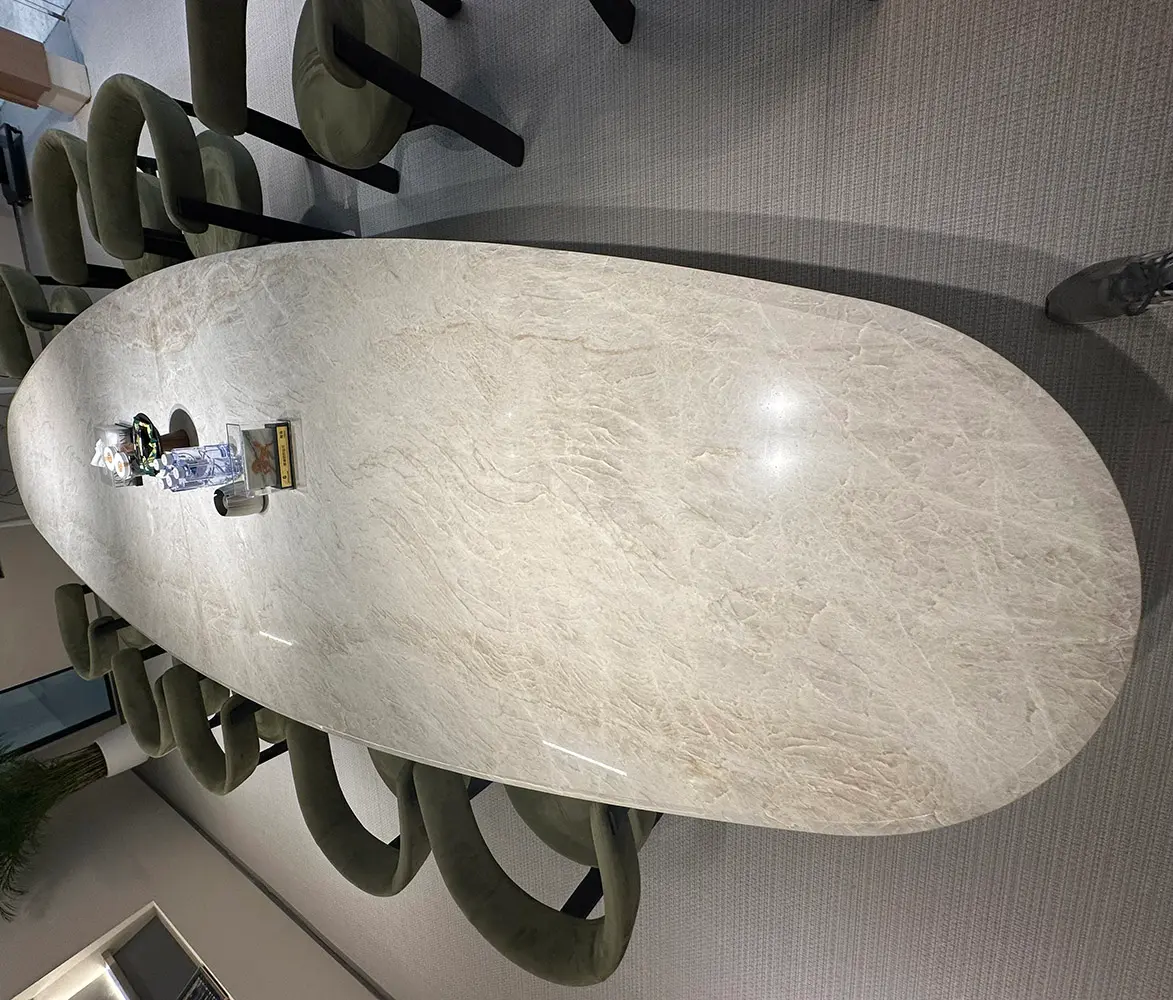






A Changing Landscape for Mermer Plakalar
As global awareness of environmental sustainability increases, industries tied to natural resources are entering a transformative era. The Mermer Plakalar industry, traditionally associated with architectural prestige and durability, is now facing new expectations shaped by eco-conscious design, responsible sourcing, and policy-driven innovation.
Governments, businesses, and consumers are becoming more aligned in seeking solutions that balance aesthetic appeal with sustainability and regulatory compliance. For companies like Caronstone, understanding these emerging dynamics is not only a responsibility but also an opportunity to lead.
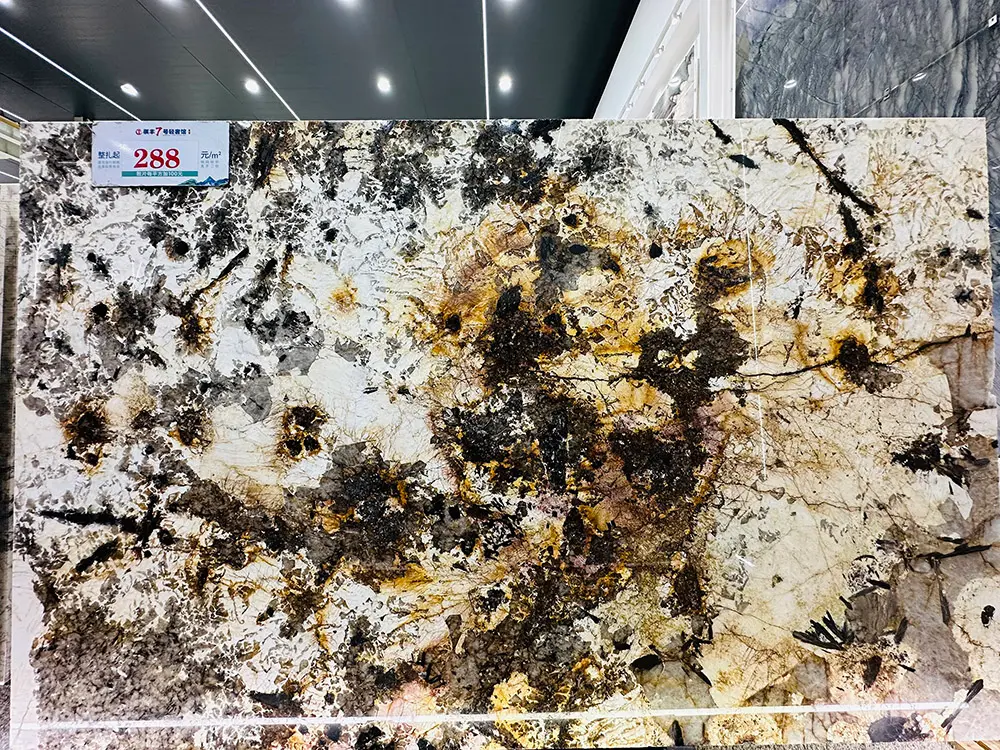
Hot Sale Marble Slab
The Eco-Policy Shift in Construction and Design
The building materials sector, particularly natural stone, is under increasing scrutiny regarding its environmental footprint. Mermer Plakalar, being heavy and resource-intensive, are now evaluated not just for their design value but also for their sustainability performance.
Policies around the world are beginning to reflect this shift:
-
Municipal building codes are encouraging or requiring materials with low embodied carbon.
-
Green certification systems (like LEED, WELL, and BREEAM) are awarding credits for natural stone products sourced responsibly.
-
Transportation and packaging rules are evolving to reduce emissions and material waste.
These changes don’t challenge the use of Mermer Plakalar, but rather aim to modernize the way they are extracted, processed, transported, and installed.
Sustainable Quarrying and Ethical Sourcing
The life cycle of Mermer Plakalar begins at the quarry. Across key producing countries, regulations are strengthening to ensure responsible quarrying:
-
Environmental Impact Assessments (EIAs) are now required in many jurisdictions before extraction can begin.
-
Restoration programs, such as mandatory land rehabilitation and tree planting, are being integrated into licensing agreements.
-
Noise, dust, and water use controls are becoming standard expectations.
At Caronstone, we work with partners that uphold high standards of environmental responsibility, ensuring that our Mermer Plakalar come from operations that prioritize both ecological and community well-being.
Transport and Packaging Innovations
Given the weight and fragility of Mermer Plakalar, transportation has always been a critical part of the industry. But now, sustainability and safety regulations are reshaping how slabs are shipped and delivered.
Notable developments include:
-
Reusable slab racks made of recyclable steel, reducing packaging waste.
-
Optimized shipping logistics that lower fuel usage and carbon emissions.
-
Policies in cities like New York and San Francisco that favor bulk transport over single-slab shipments for large projects.
At Caronstone, we utilize transport solutions that are both efficient and eco-conscious, aligning with the environmental goals of our clients.
Green Building Certifications and Marble’s Role
Far from being excluded in the shift toward green architecture, Mermer Plakalar are finding a renewed role in sustainable design. Natural stone has unique advantages:
-
Long lifespan reduces the need for replacement, saving resources over time.
-
Thermal mass contributes to energy efficiency in buildings.
-
With proper sourcing, it qualifies for credits in green building certification systems.
Bizim Caronstone slabs meet the documentation requirements needed to support LEED v4, WELL Building Standard, and other international benchmarks.
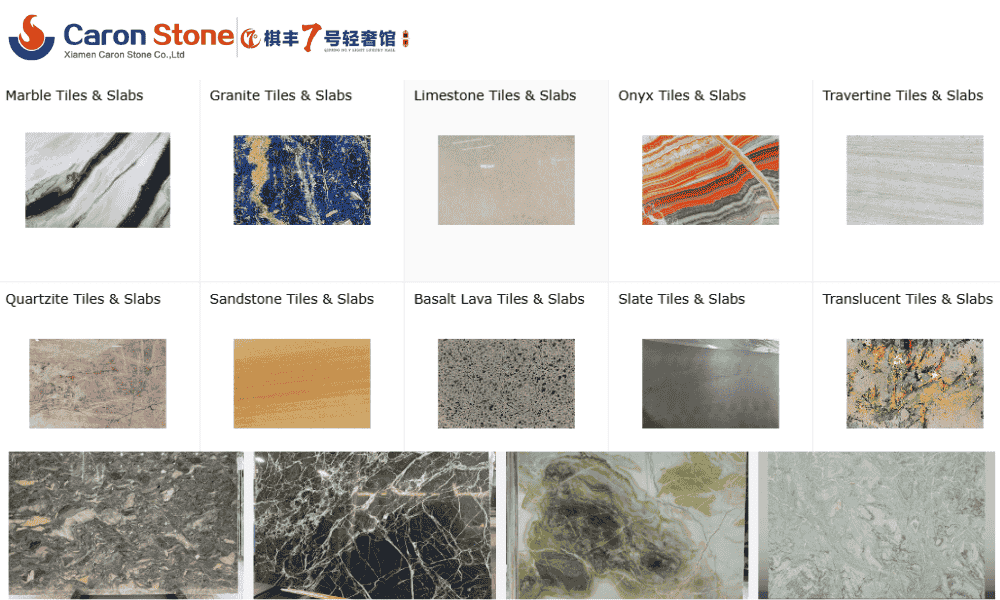
Mermer Plakalar
Consumer and Designer Trends Favoring Sustainability
Today’s architects and designers are increasingly seeking materials that combine beauty with sustainability. The rising popularity of Mermer Plakalar that are:
-
Locally sourced (to reduce transport emissions)
-
Treated with low-VOC sealants
-
Presented in minimalist, modular formats to reduce waste during fabrication
These preferences are reflected in residential, commercial, and even luxury retail interiors, where natural stone is making a quiet but powerful comeback—as long as it aligns with environmental values.
Caronstone’s curated line of Mermer Plakalar answers this call, combining contemporary aesthetics with sustainable sourcing and responsible finishing methods.
Global Case Studies and Policy Inspirations
The use of Mermer Plakalar in compliance-driven markets provides insight into future directions for the industry:
-
Avrupa: Several EU nations are encouraging stone use in public buildings, provided it’s certified for environmental performance. Italy and Spain, for example, have promoted regional stone use to boost local economies and reduce import-related emissions.
-
Australia: State-level government projects are now including stone in climate-adapted infrastructure, while focusing on life cycle carbon reduction.
-
Orta Doğu: Marble continues to be a symbol of architectural identity but is now often combined with energy-efficient construction mandates.
These case studies show that Mermer Döşemeler remain integral to modern architecture—provided they are used within a sustainable and policy-aligned framework.
Economic Opportunities in Greener Marble Applications
The transition toward sustainability is also opening new economic opportunities for the Mermer Plakalar industry:
-
New product lines such as thin-slab marble reduce material use while maintaining surface appeal.
-
Marble composite innovations combine natural stone with recycled backing panels, creating lightweight, flexible solutions.
-
Decorative finishes with water-based polishing or sealers meet stricter environmental regulations in hospitality and healthcare projects.
Caronstone is investing in product development that aligns with these trends—marrying innovation with the enduring value of natural stone.
Challenges and Adaptation Strategies
Despite the promise, the path forward is not without its challenges:
-
Rising energy costs in slab processing may pressure suppliers to switch to renewables or more efficient machinery.
-
Compliance with different local regulations across international markets can complicate exports.
-
Misconceptions about the sustainability of natural stone compared to synthetic alternatives need to be addressed through education and transparency.
Caronstone addresses these concerns by:
-
Auditing suppliers regularly for energy efficiency and waste management.
-
Offering detailed slab documentation and performance certifications.
-
Educating clients and architects on the long-term sustainability of properly sourced Mermer Plakalar.
Sheet metal supplier
Recommendations for Stakeholders
For Developers and Architects
-
Seçin Mermer Plakalar from verified sustainable sources.
-
Request quarry impact reports and transportation footprint estimates.
-
Integrate natural stone into green building certifications and documentation.
For Policymakers and City Planners
-
Include responsibly sourced stone in public construction tenders.
-
Offer incentives for local stone use and circular design principles.
-
Standardize environmental reporting requirements for building materials.
For Fabricators and Retailers
-
Reduce waste during cutting through precision tools and software.
-
Offer slab reuse or donation programs for leftover material.
-
Educate customers about sustainable stone options and care practices.
A Harmonious Future for Mermer Plakalar and Sustainability
The future of Mermer Plakalar lies in a careful balance between tradition and transformation. This natural material, prized for its elegance and durability, still has a vital place in the world of modern design—so long as it evolves alongside society’s environmental expectations.
At Caronstone, we believe sustainability is not a limitation, but a foundation for lasting value. Through ethical sourcing, innovative processing, and policy-aligned practices, we are proud to offer Mermer Plakalar that are both beautiful and responsible.
As regulations evolve and markets shift, one thing is clear: the journey toward sustainable building materials will continue—and Mermer Plakalar, guided by thoughtful adaptation and innovation, will remain at the heart of architectural excellence.