





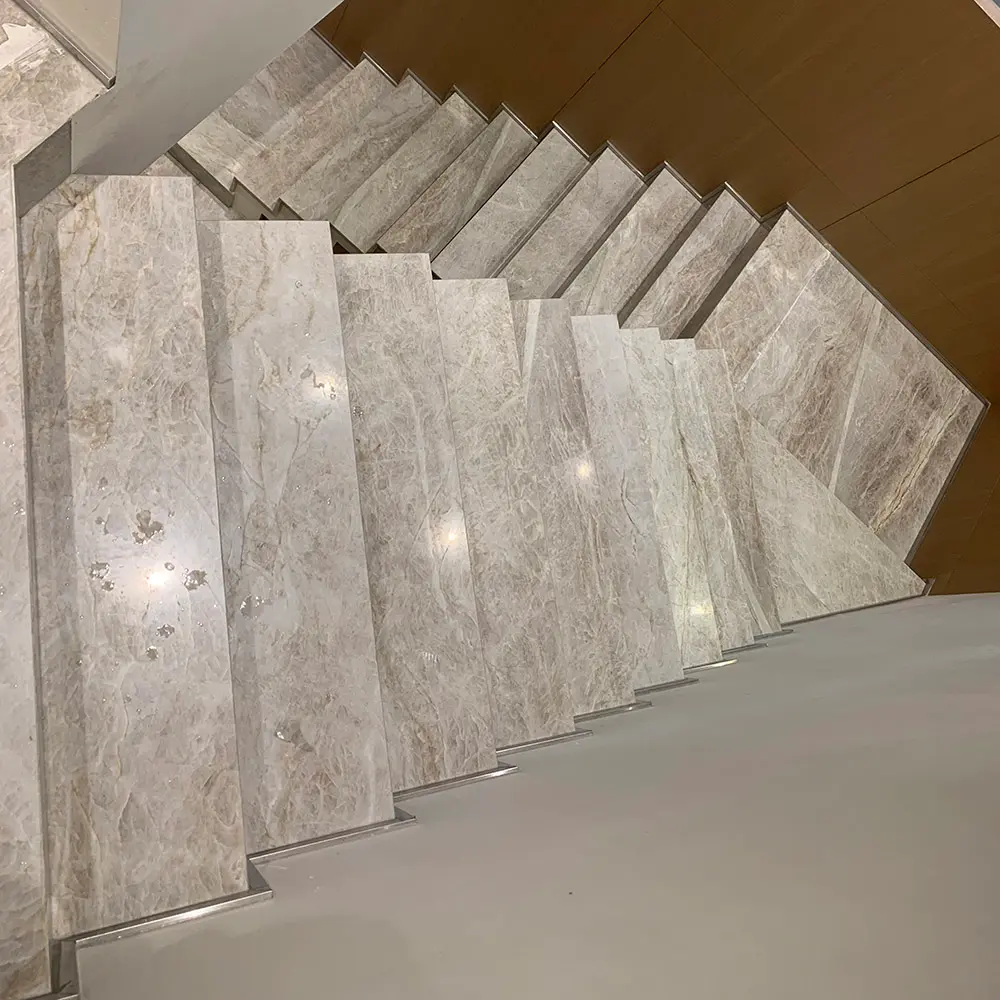
Elevate Your Architecture: Custom Đá quartzite Taj Mahal Staircases
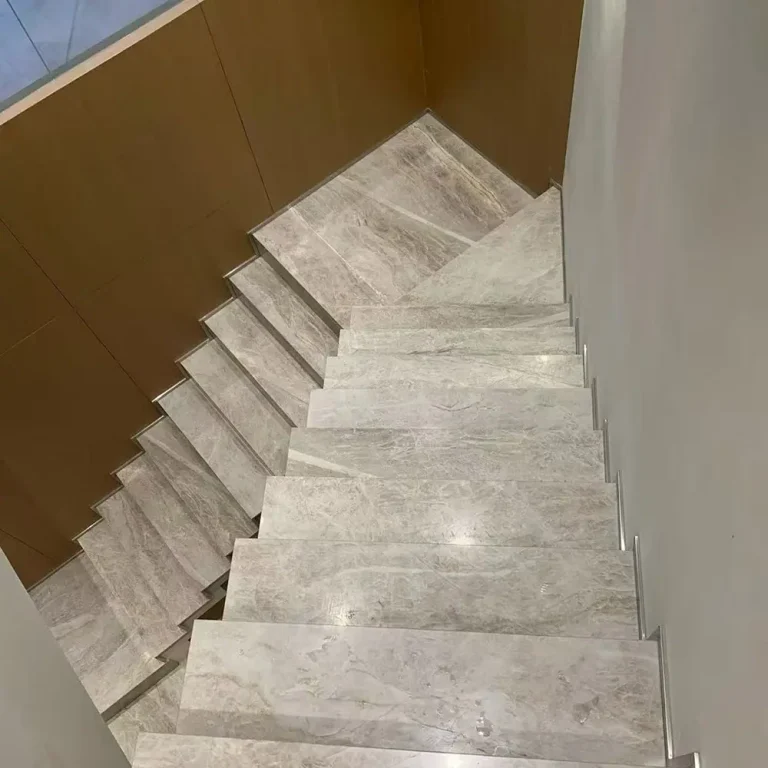
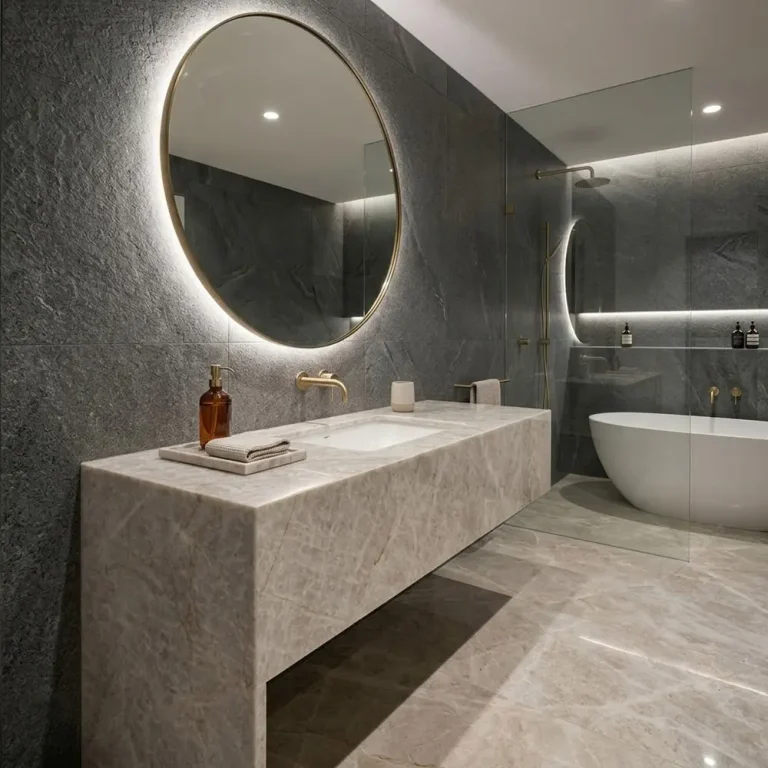
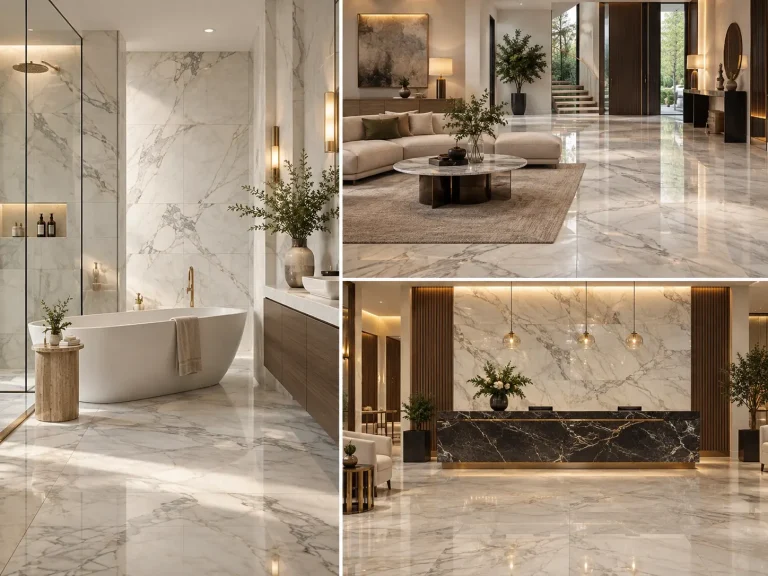
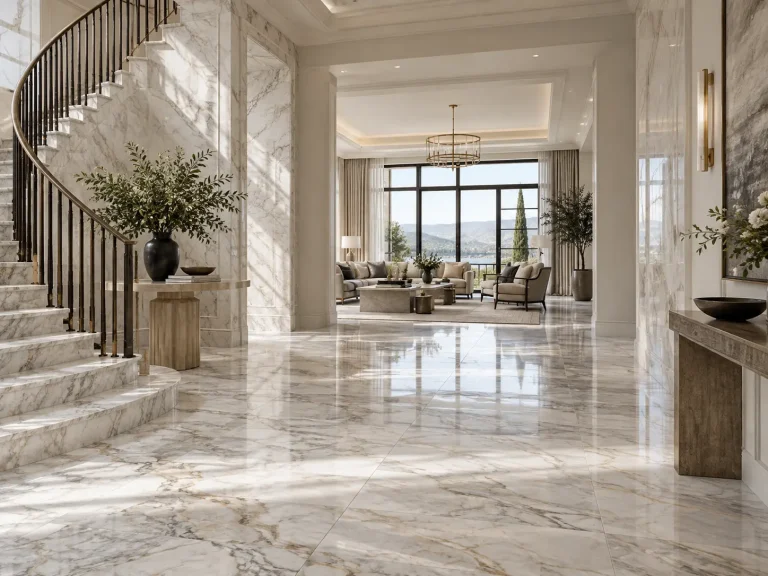
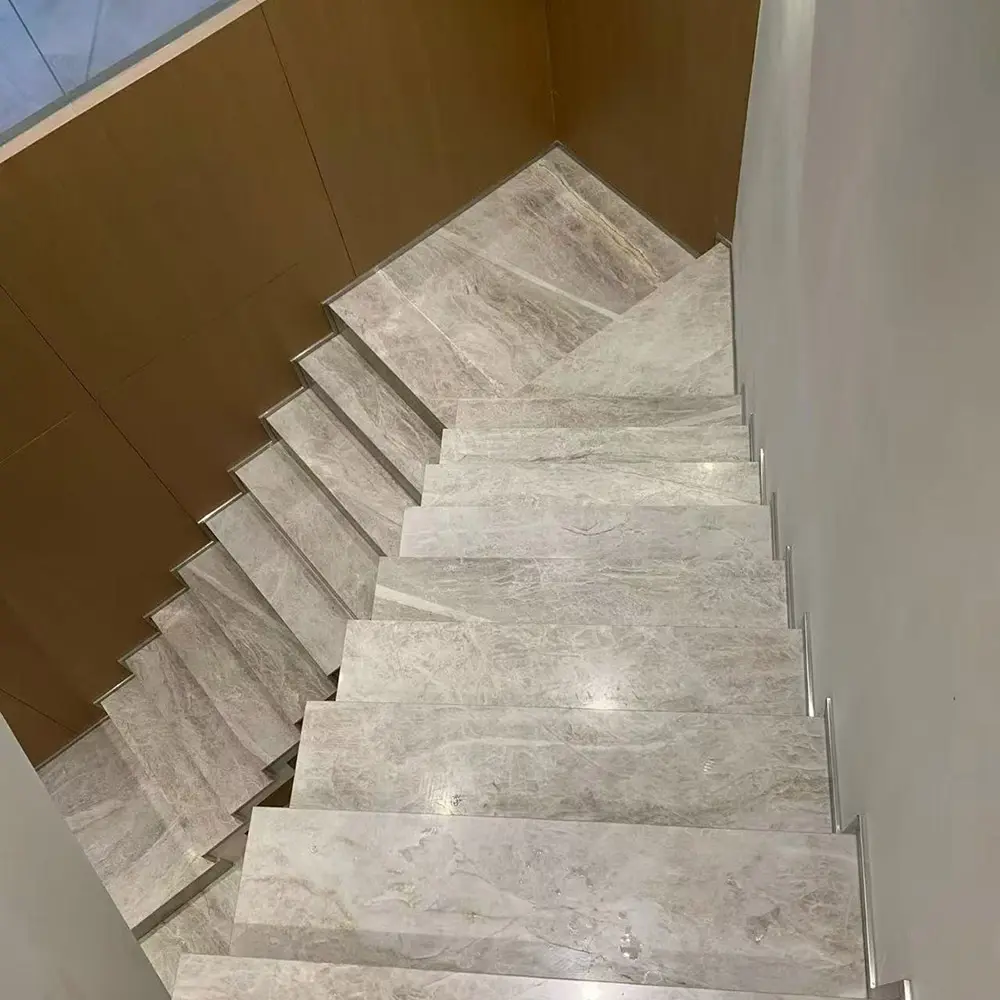
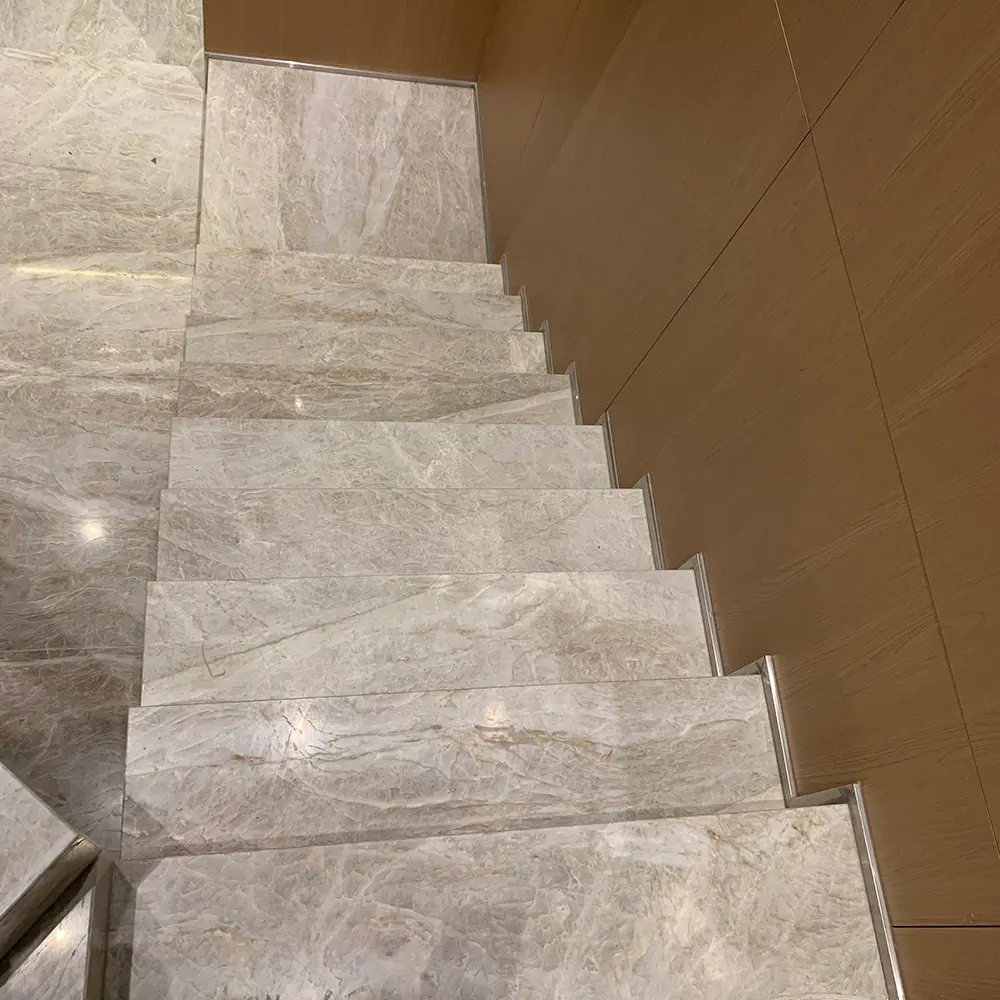
In luxury commercial spaces, multi-level penthouses, and grand residential estates, the staircase is more than a structural necessity—it is the central spine of the interior architecture. Cladding this high-impact area in Đá quartzite Taj Mahal offers an unparalleled blend of sophistication and resilience. The stone’s creamy ivory and beige background, elegantly laced with warm taupe and gold veining, brings a serene, luminous quality to both open-tread modern designs and enclosed, traditional stairwells.
Unyielding Durability for High-Traffic Ascents
Staircases endure some of the highest concentrated foot traffic in any building. While traditional marbles quickly show wear, scratching, and dullness (especially on the nosing of the treads), Taj Mahal is a genuine, highly metamorphosed quartzite. With a Mohs hardness rating of 7, it is exceptionally resistant to abrasion from footwear, impact, and everyday wear-and-tear. This structural density ensures that the polished or honed surface of your quartzite stairs retains its pristine architectural beauty for generations, significantly outperforming softer calcareous stones.
Thông số kỹ thuật và đặc điểm
| Thông số kỹ thuật | Chi tiết |
|---|---|
| Chất liệu | 100% Genuine Taj Mahal Quartzite (Brazil) |
| Components | Custom CNC-Cut Treads, Risers, Stringers, and Landings |
| Durability (Mohs) | 7.0 (Extreme resistance to scratching and abrasion) |
| Edge Detailing (Nosing) | Eased, Mitered Drop, Half-Bullnose, or Custom Profiles |
| Nhà sản xuất | Caron Stone (China Direct Factory) |
Engineer-to-Engineer (E2E): Continuous Veining & Safety Protocols
Critical Considerations for Quartzite Staircase Fabrication
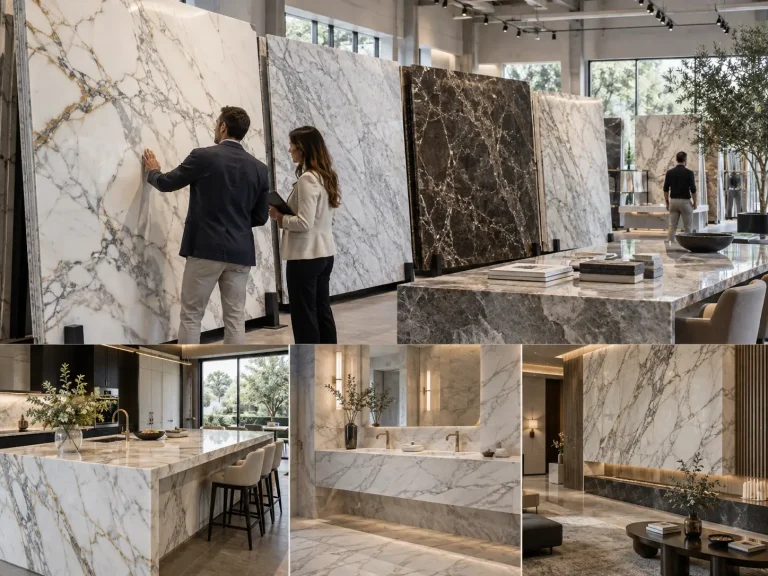
Digital Vein Mapping (Waterfall Effect): To achieve a truly monolithic appearance, our factory utilizes high-resolution digital templating. We map out every individual tread and riser onto the jumbo Taj Mahal slabs before CNC cutting. This ensures that the golden veins flow continuously from the horizontal tread down the vertical riser, creating a breathtaking “waterfall” effect down the entire staircase.
Anti-Slip Treatments (COF Compliance): Polished quartzite can be slick underfoot, especially in commercial or wet environments. To meet strict Coefficient of Friction (COF) safety standards, Caron Stone can apply specialized CNC-milled anti-slip grooves near the nosing of each tread. Alternatively, we highly recommend a Honed or Leathered finish for staircases, which provides a beautiful matte aesthetic alongside inherently higher slip resistance.
Precision Factory Dry-Lay: Staircases allow for zero tolerance in dimensional variation. Prior to export crating, our engineering team conducts a complete “Dry-Lay” assembly of your staircase on our factory floor. We verify that every 45-degree mitered corner, winding tread, and riser aligns perfectly with your architectural CAD drawings, guaranteeing a seamless installation on-site.
Tài liệu tham khảo kỹ thuật và kiến trúc
For architects, builders, and contractors specifying genuine quartzite for structural staircases and high-traffic flooring, we recommend consulting these authoritative standards:
- Learn about the exceptional hardness, formation, and durability of Đá Quartzite Tự Nhiên trên Wikipedia.
- Review official slip resistance (COF) guidelines, stone staircase fabrication tolerances, and installation protocols at the Viện Đá Tự Nhiên (NSI).
FAQ
Absolutely. With a Mohs hardness of 7, it is significantly harder and more abrasion-resistant than standard marble or limestone, making it an ideal choice for high-traffic commercial lobbies and luxury retail staircases.
2. How do you ensure the veins match from step to step?
We utilize advanced digital slab mapping and CAD software in our China factory. We map the entire staircase onto consecutive, block-matched Jumbo slabs, ensuring the directional veins flow continuously across every tread and riser.
3. Are polished quartzite stairs slippery?
Polished stone can have a lower slip resistance. For staircases, we highly recommend a Honed (matte) finish. Alternatively, we can use our CNC routers to mill precise, linear anti-slip grooves into the leading edge (nosing) of polished treads.
4. What thickness should the stair treads be?
Standard treads are typically cut from 20mm (3/4″) or 30mm (1 1/4″) solid slabs. If you desire a thicker, more monumental look, we can fabricate mitered drop-apron edges to make the treads appear 50mm or 100mm thick without adding excessive weight.
5. Do you fabricate winding or curved stairs?
Yes. As a direct custom manufacturer, we can execute complex, asymmetrical winding treads and curved landings based entirely on your architectural CAD files, utilizing our 5-axis CNC waterjet technology.
6. Will the stairs stain if people track in dirt or water?
Taj Mahal is highly dense and resilient. However, to ensure maximum protection against mud, water, or accidental spills, we professionally apply a commercial-grade penetrating stone sealer to all treads and risers prior to shipping.
7. Do you provide the sub-structure for the stairs?
We specialize solely in the premium stone cladding (treads, risers, and stringers). Your local contractor must provide the structural steel or concrete sub-staircase, ensuring it is perfectly leveled and rated to hold the weight of natural stone.
8. How are heavy, custom-cut stair treads shipped globally?
Every individual tread and riser is numbered according to an installation map. They are then securely packed flat with high-density foam separators inside heavy-duty, fumigated wooden export crates designed to withstand international ocean freight.