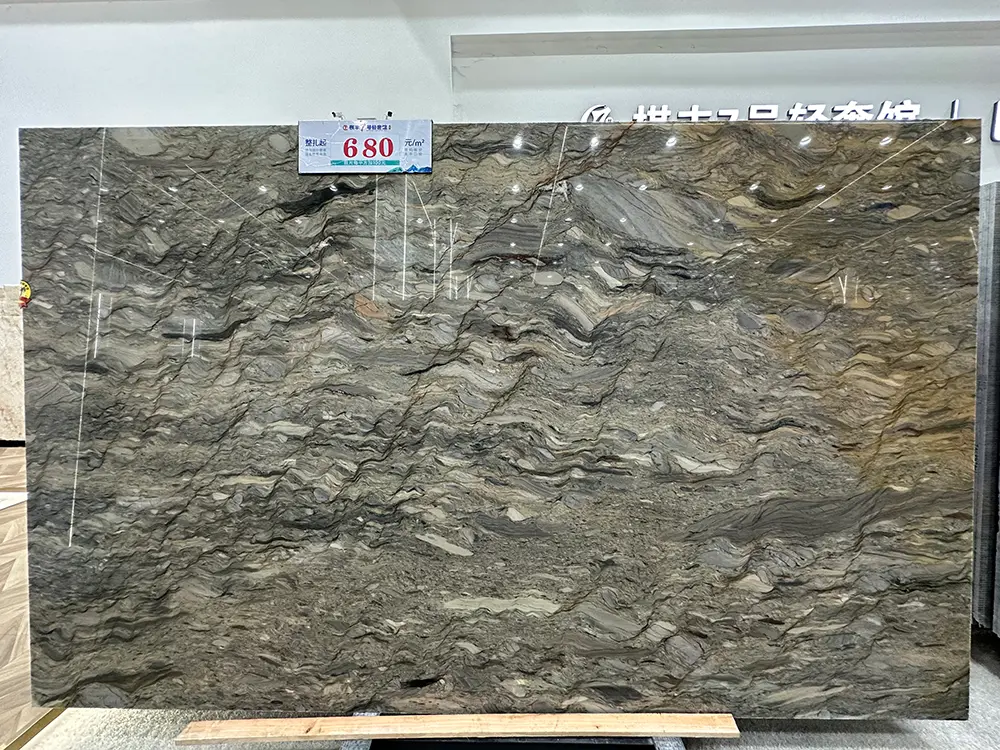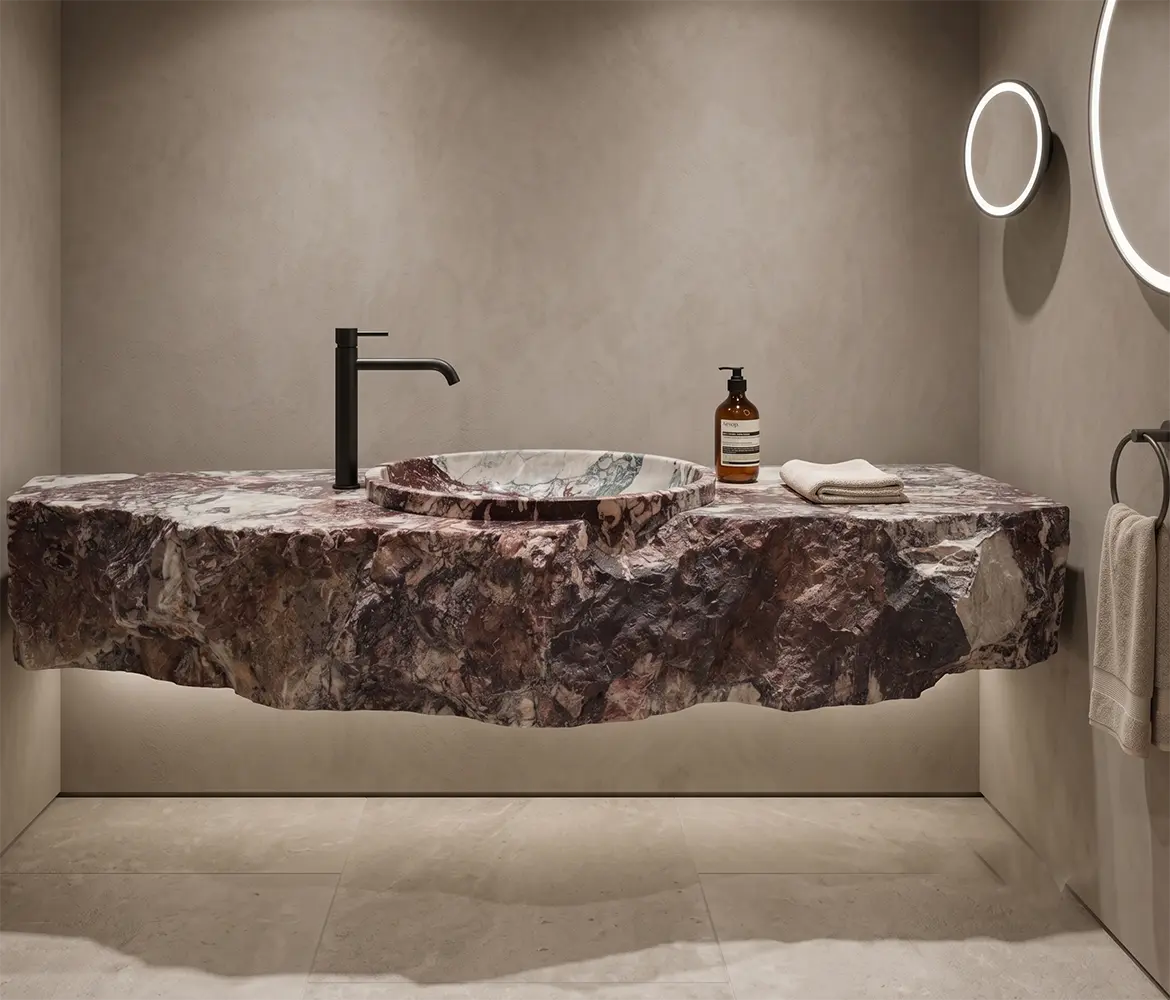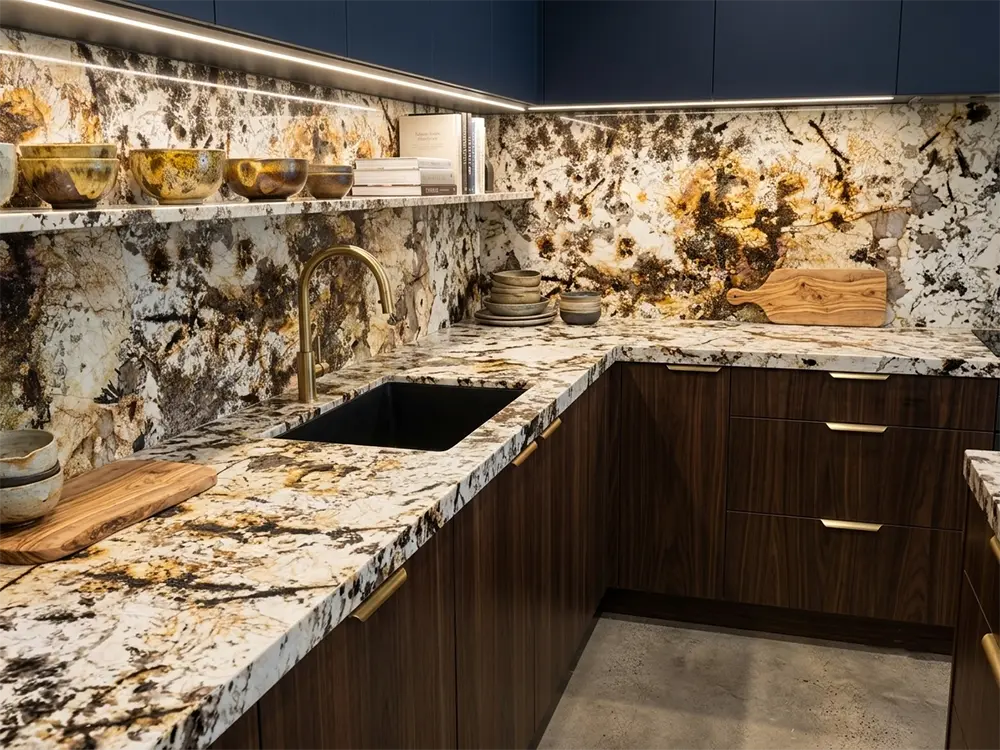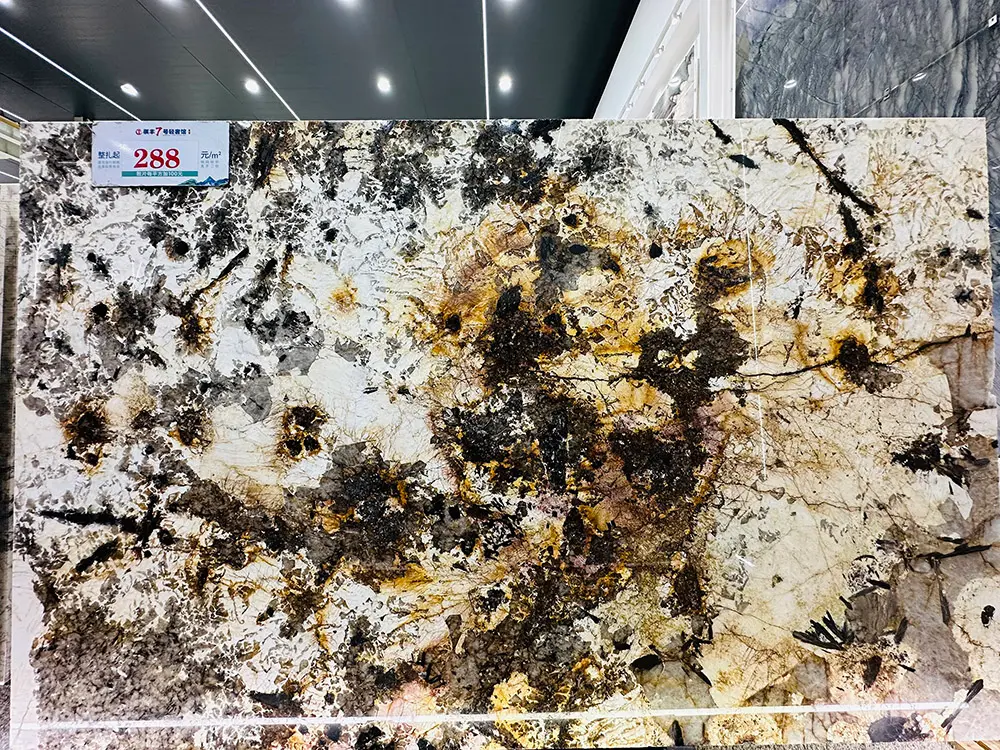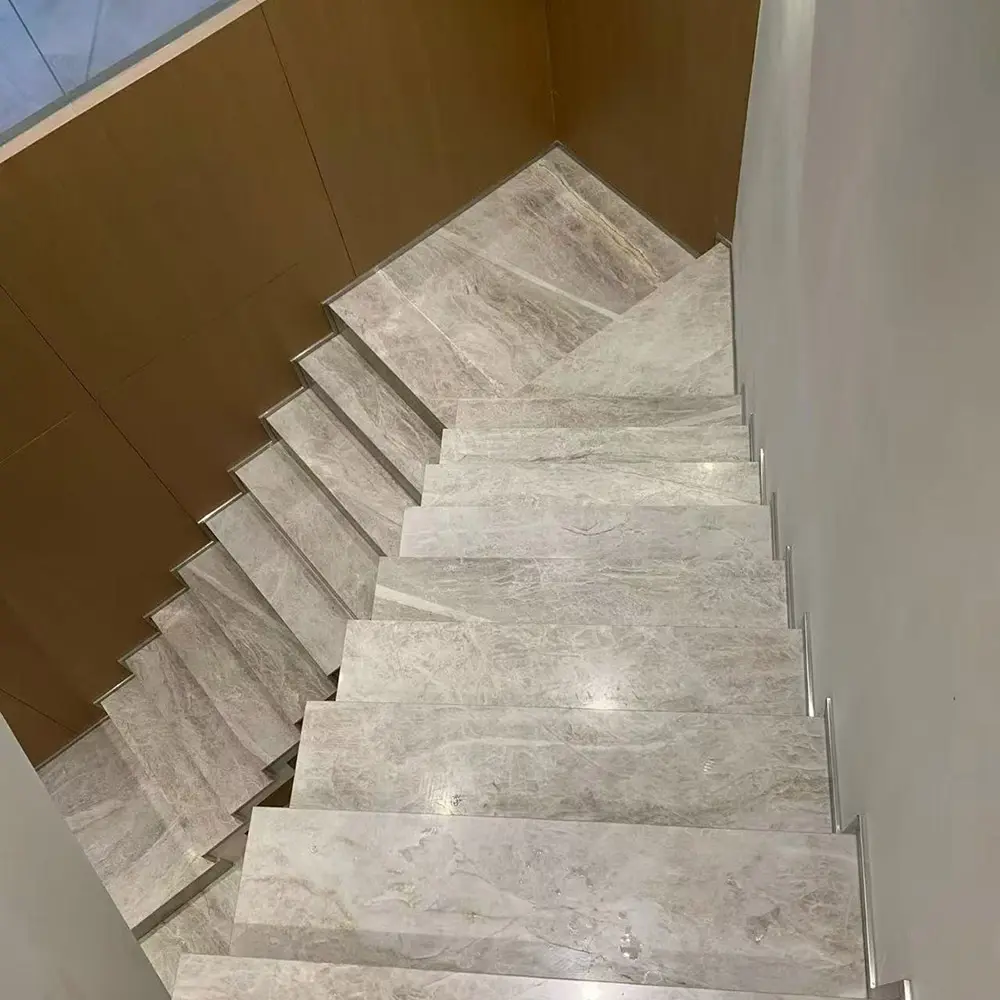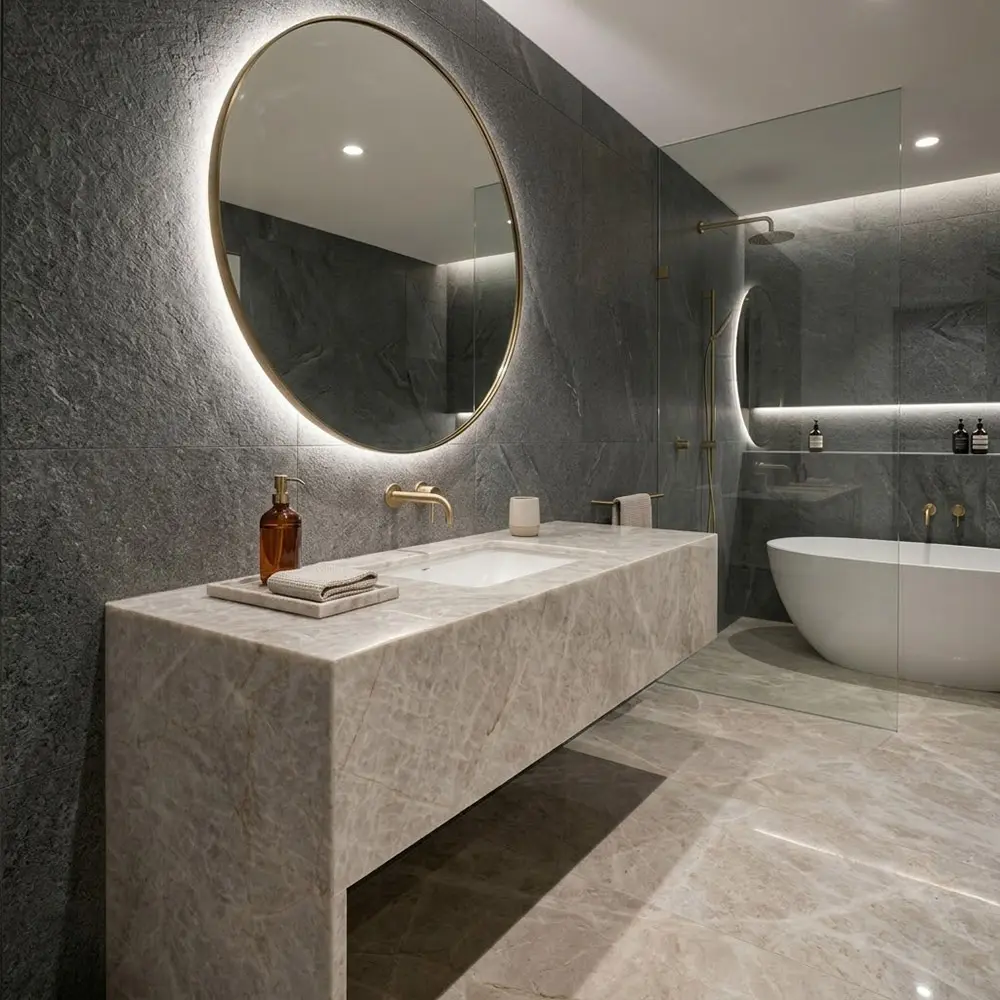






Quick Summary: Carreaux de mosaïque for 5-star hotel tenders require more than attractive patterns; they demand color consistency, rapid sample development, ethical stone sourcing, wet-area performance, batch control, and project-ready documentation. For large-scale hotel bathrooms, spas, lobbies, and feature walls, buyers should evaluate custom design capability, material traceability, production quality control, packaging, and supplier communication before confirming bulk orders.
Luxury hotel tenders are not won by beautiful product photos alone. A design firm may need custom Carreaux de mosaïque for 300 guest bathrooms. A contractor may need thousands of square feet of consistent Carreaux de mosaïque en marbre for spa floors, shower walls, and corridor accents. A procurement team may ask for physical samples, technical sheets, sustainability documents, packing plans, production schedules, and quality control records before approving one supplier.
In retail decoration, a mosaic tile order may be small, flexible, and design-led. In a 5-star hotel tender, the order becomes a production system. Every sheet must match the design intent. Every batch must stay visually consistent. Every carton must be labeled clearly. Every sample must reflect what bulk production can actually deliver. If the sample looks perfect but bulk material arrives patchy, uneven, or difficult to install, the project team does not call it “natural variation.” They call it a problem. And that problem usually arrives wearing a deadline.
This guide explains how professional manufacturers produce custom Mosaic Tiles for large hotel tenders, including design conversion, color control, ethical sourcing, rapid prototyping, technical parameters, quality inspection, packing, and supplier selection. It is written for hotel contractors, architects, designers, developers, stone importers, and procurement teams who need reliable mosaic tile production at project scale.
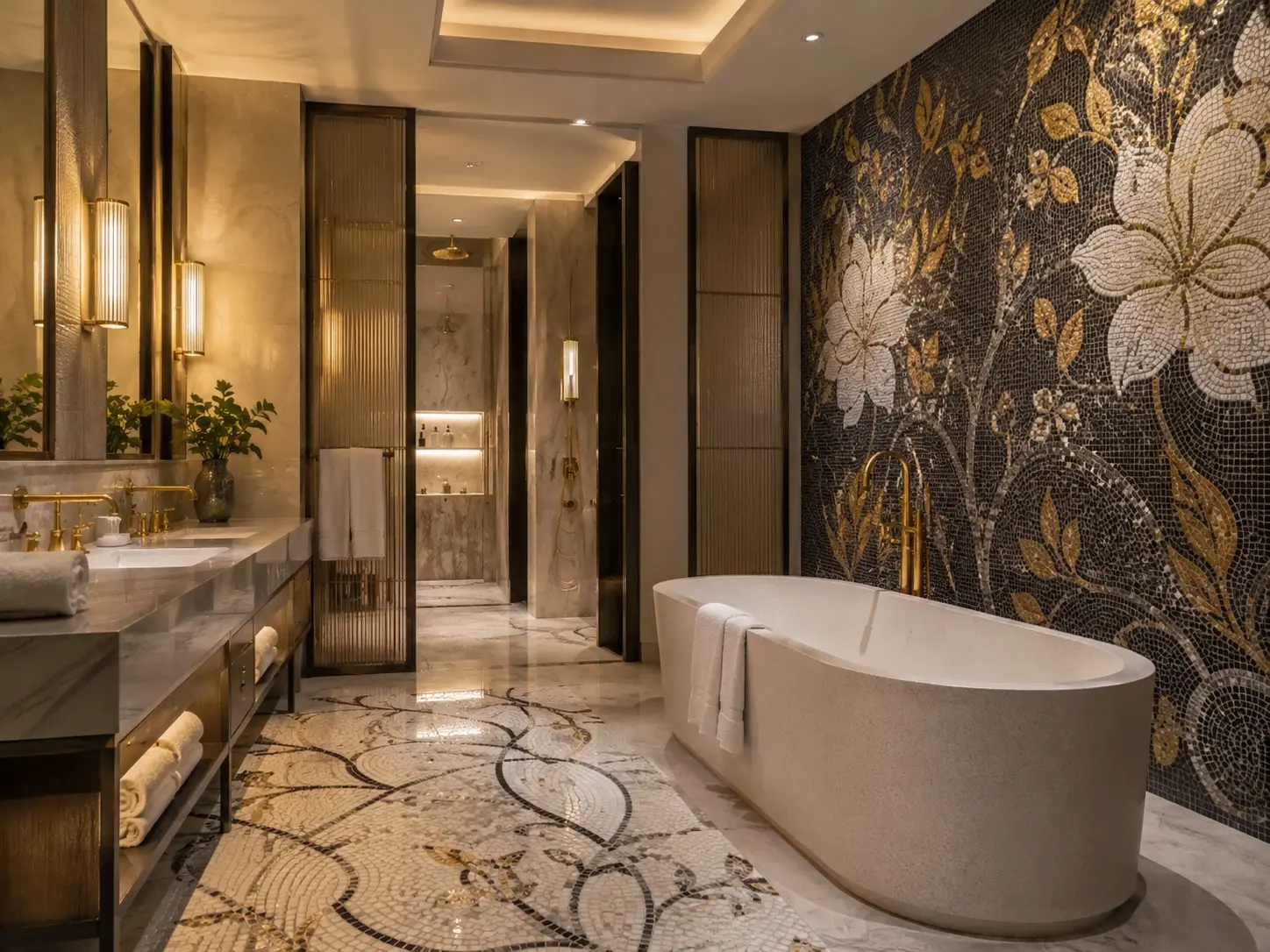
Luxury Hotel Mosaic Tiles
What Makes Hotel Mosaic Tile Projects Different From Standard Retail Orders?
Scale, Repeatability, and Tender Documentation
A standard retail mosaic order may focus mainly on design, price, and availability. A hotel tender is different. Hotel projects often require hundreds or thousands of square feet of material installed across guest bathrooms, spas, corridors, public washrooms, lobbies, restaurants, and VIP suites. This means color consistency, wet-area suitability, slip performance, installation efficiency, and replacement planning all become part of the buying decision.
Before selecting a pattern, buyers often need a broader understanding of current design directions, material options, and application logic. A resource such as Mosaic Tiles trends, materials, and design applications can help project teams compare marble, stone, waterjet, mixed-material, and decorative mosaic solutions before entering final tender selection.
| Requirement | Retail Mosaic Order | 5-Star Hotel Tender |
|---|---|---|
| Quantity | Small to medium | Large-scale batch production |
| Color Control | Basic matching | Strict tone and batch consistency |
| Sample Process | Simple sample sheet | Concept sample, revised sample, production sample |
| Documents | Basic product details | Technical, QC, sourcing, and packing documents |
| Emballage | Standard cartons | Project-labeled cartons, pallets, and zone codes |
Large-Scale Customization Workflow for Hotel Mosaic Tiles
From Design Brief to Production Drawings
The first stage is understanding the tender design brief. This includes the hotel brand style, space type, color palette, material mood board, required quantity, wet-area conditions, installation surface, timeline, and budget direction. A luxury spa floor needs different technical thinking from a decorative lobby wall. A guest bathroom shower mosaic must consider waterproofing, slip resistance, grout maintenance, and cleaning frequency.
Once the design direction is clear, the concept must be converted into production drawings. This includes pattern repeat, chip size, sheet size, joint width, thickness, finish, color mix ratio, cutting method, mesh backing, and tolerance control. If a design looks good on a rendering but cannot be cut, assembled, packed, or installed efficiently, it must be adjusted before production begins. The best hotel mosaic supplier is not the one who simply says yes. It is the one who says, “Yes, but here is how to make it manufacturable.”
Sample Approval Before Bulk Production
Hotel tenders usually require multiple approval stages: concept sample, revised sample, production reference sample, and sometimes mockup area approval. The sample must represent what bulk production can realistically deliver. If the final production uses different stone batches, different backing, different thickness, or different joint width, disputes can appear during installation.
For buyers still comparing design choices, a complete Mosaic Tiles buyer’s guide helps clarify how pattern, material, finish, backing, and application should match before a project enters mass production.
| Stage | Main Task | Buyer Approval Point |
|---|---|---|
| Design Brief | Confirm concept and use area | Design direction approved |
| Technical Drawing | Convert pattern into production file | Size, thickness, joint approved |
| Sélection des matériaux | Choose stone, color, and batch | Material sample approved |
| Prototype | Produce sample sheets | Visual and technical approval |
| Bulk Production | Cut, assemble, mount, inspect | QC and batch check |
Ensuring Color Consistency Across Thousands of Square Feet
Why Color Consistency Is the Biggest Challenge
Color consistency is one of the hardest parts of large-scale natural stone mosaic production. A marble mosaic sheet may contain dozens or hundreds of small chips. Across thousands of square feet, tiny color differences can become visible. Hotel bathrooms may look patchy. Lobby walls may show batch shifts. Replacement sheets may fail to match. Designers may reject installed areas if the rhythm does not follow the approved sample.
This is why professional manufacturing requires batch control. Stone should be sorted by color tone, veining, finish, and texture before cutting. For mixed mosaics, the color ratio must be clearly defined. For light marble, warm hotel lighting should also be considered because material that looks neutral in factory lighting may appear warmer or darker in the actual project environment.
Color Control Workflow for Hotel Mosaic Tiles
A strong color-control workflow begins with the approved color range. The manufacturer selects material batches, sorts stone by tone, defines the ratio for mixed colors, produces a control sample, codes production batches, and inspects assembled sheets under consistent lighting. Spare material should be reserved from the same batch for future repair or replacement.
| QC Step | What to Check | Pourquoi c’est important |
|---|---|---|
| Material batch | Similar tone and vein | Prevents visible mismatch |
| Chip sorting | Color and pattern range | Controls mosaic rhythm |
| Sheet inspection | Sheet-to-sheet consistency | Reduces installation patchiness |
| Lighting review | Warm and cool light comparison | Avoids hotel lighting surprises |
| Spare material | Same batch reserve | Supports future replacement |
Mockup Areas and Designer Sign-Off
For 5-star hotel projects, mockups are extremely useful. A sample board is helpful, but a small installed mockup in the intended lighting condition is better. This allows the designer, contractor, and hotel procurement team to evaluate color, texture, grout tone, slip feel, and cleaning expectations before full installation. Skipping mockups can save a few days at the beginning and cost several weeks later. Tiny shortcut, giant boomerang.
Ethical Sourcing and Sustainability Certifications in Stone Supply
Why Sustainability Documents Matter in Hotel Tenders
Luxury hotel brands increasingly care about responsible sourcing, material traceability, environmental performance, and supplier transparency. Procurement teams may request origin statements, quality records, environmental policies, safety data, packaging information, and certification documents. Sustainability is not just a decorative word in a presentation; in many tenders, it is a document requirement.
For natural stone mosaic production, ethical sourcing includes responsible quarrying, legal material origin, waste reduction, water management, worker safety, and transparent supplier chains. Buyers should avoid vague claims such as “eco-friendly stone” unless the supplier can provide supporting documents. A good supplier should explain what can be documented and what cannot.
What Hotel Buyers May Request
| Document Type | Why Hotel Buyers Ask For It | Supplier Response |
|---|---|---|
| Origin Statement | Traceability | Provide quarry or country information |
| Sustainability Files | Green building targets | Provide applicable records or policies |
| QC Records | Quality assurance | Provide inspection and production documents |
| Material Data Sheet | Technical evaluation | Provide physical and finish details |
| Sample Approval Record | Tender accountability | Archive signed sample data |
Rapid Prototyping: From Design Concept to Production Samples
Why Speed Matters in Hotel Tender Timelines
Hotel tenders move quickly. Designers may request revisions within days, while procurement teams need physical samples before approval. Rapid prototyping helps reduce uncertainty because it turns a drawing, mood board, or inspiration image into a real material sample that can be touched, photographed, tested, and reviewed.
Rapid prototyping usually includes material selection, CAD pattern development, chip cutting, sheet assembly, backing selection, sample photography, shipping, and revision. For complex Carreaux de mosaïque découpe jet d’eau or mixed-material designs, the sample stage is where manufacturability is proven. Without this step, the bulk order becomes a very expensive experiment.
How Prototype Accuracy Prevents Bulk Production Disputes
A production sample should confirm pattern scale, color ratio, grout joint width, thickness, backing method, finish, and installation direction. If the buyer approves a sample with 8 mm thickness and the bulk arrives at 10 mm, installation alignment may become a problem. If the sample uses one marble batch and bulk production uses another, color dispute may follow. Prototype accuracy protects both the buyer and supplier.
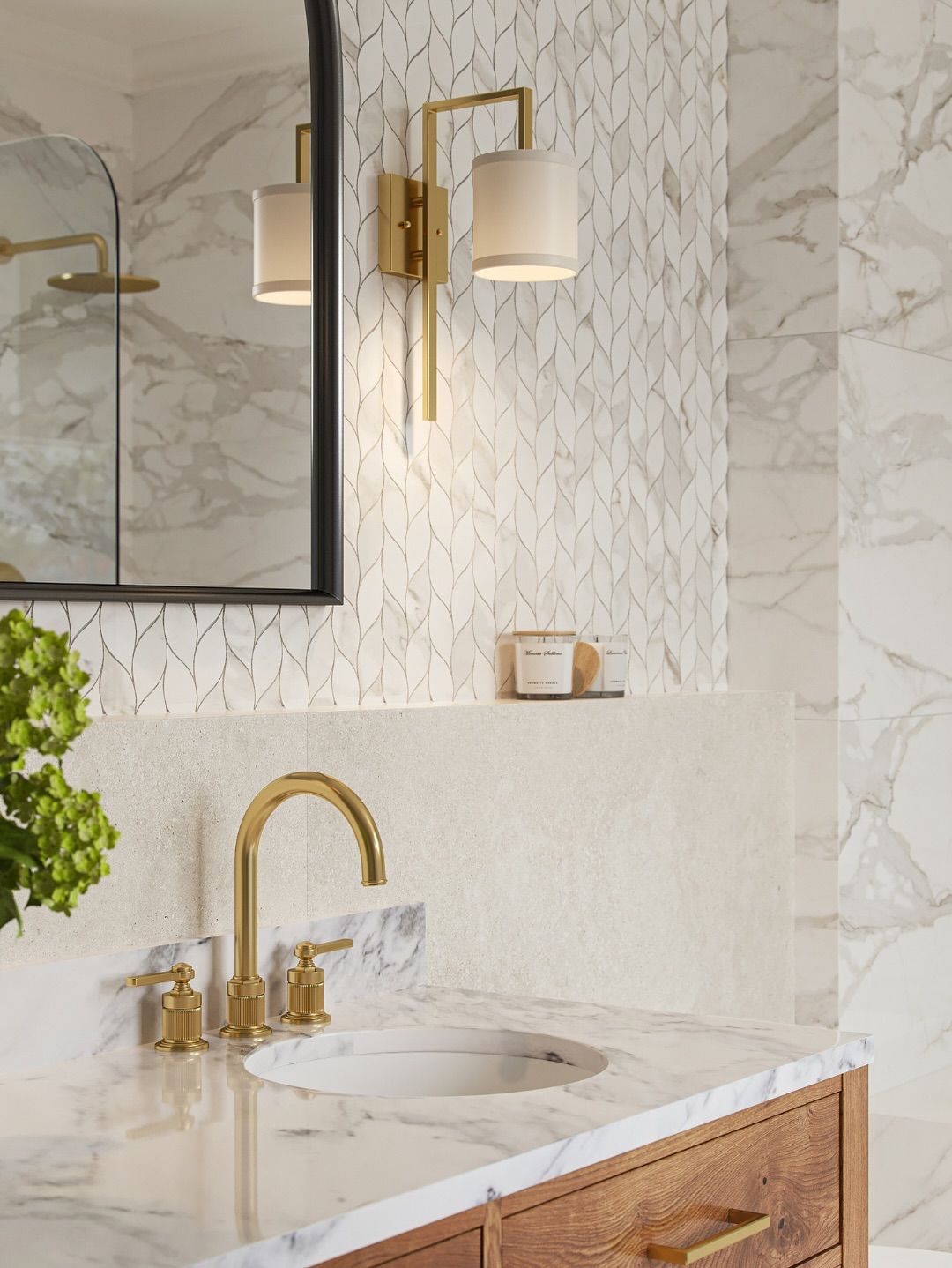
Marble Mosaic Tiles for Luxury Bathroom
Material and Pattern Options for 5-Star Hotel Mosaic Tiles
Marble Mosaic Tiles for Luxury Bathrooms and Spas
Marble mosaic tiles are widely used in guest bathrooms, spa rooms, vanity walls, shower walls, decorative borders, and feature floors. They offer natural variation, premium texture, and timeless luxury. For hotel spaces that need a richer decorative effect, carved or dimensional surfaces such as 3D carving Calacatta Gold marble mosaic tiles can create shadow, depth, and a more handcrafted feeling for vertical surfaces.
Irregular, Waterjet, and Mixed-Material Mosaics
Hotel design often needs signature details. Irregular mosaic patterns can soften geometric spaces. Waterjet mosaics can create custom logos, borders, floral patterns, or luxury medallions. Mixed materials such as marble with glass, brass, limestone, travertine, or porcelain can help a hotel brand create a more unique design language.
For decorative kitchen, bar, or hospitality backsplash applications, irregular Cinderella and Crystal White marble mosaic tiles show how light-colored stone can create movement without overwhelming the room. In hotel projects, this type of pattern can work well when designers want organic rhythm rather than strict repetition.
Mosaic Tiles in Modern Hotel and Home-Style Interiors
Many 5-star hotels now want guest rooms and bathrooms to feel residential, warm, and design-driven rather than cold and purely commercial. This is why mosaic tiles are increasingly used in softer, more personalized ways. The concept of marble mosaic tiles combined with modern home style is useful for hotel designers who want boutique comfort with premium material details.
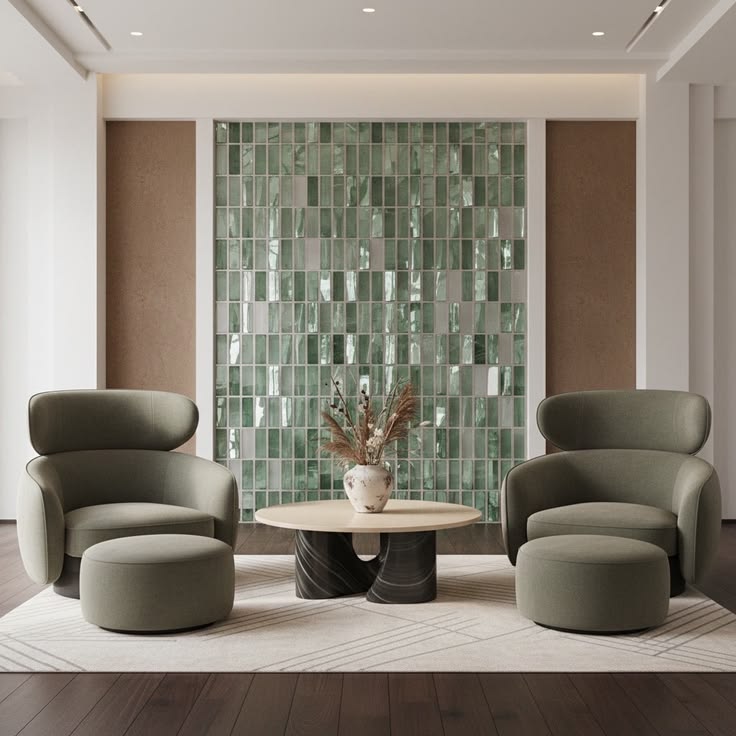
Mosaic Tiles for the Living Room
Technical Parameters Hotel Buyers Should Confirm
Size, Thickness, Sheet Format, and Joint Width
Technical details determine whether mosaic tiles install smoothly. Common sheet sizes are often around 300 × 300 mm or 12 × 12 inches, though custom formats are possible. Many stone mosaic formats are around 8–10 mm thick, but thickness must be confirmed against adjacent flooring, wall panels, trims, drains, and transitions. Joint width may range from about 1.5–3 mm depending on design and installation needs.
| Paramètres | Common Range / Requirement | Pourquoi c’est important |
|---|---|---|
| Taille de la feuille | Around 300×300 mm | Improves installation speed |
| Épaisseur | 8–10 mm common | Aligns with adjacent surfaces |
| Joint Width | 1.5–3 mm typical | Affects appearance and cleaning |
| Soutien | Mesh, paper, or film | Controls installation method |
| Finition | Honed, polished, tumbled | Affects slip feel and design effect |
| Spare Quantity | Often 3–10% reserve | Supports future replacement |
Wet-Area Safety, Backing, Adhesive, and Grout
Hotel bathrooms, spas, and wellness areas require special attention. Mosaic tiles may be suitable for wet areas, but only when slip performance, waterproofing, backing, adhesive, grout, and sealing are correctly planned. For light stone mosaics, white mortar is often preferred to avoid shadowing. For commercial wet areas, grout selection and cleaning resistance matter. Natural stone may need sealing depending on use and material type.
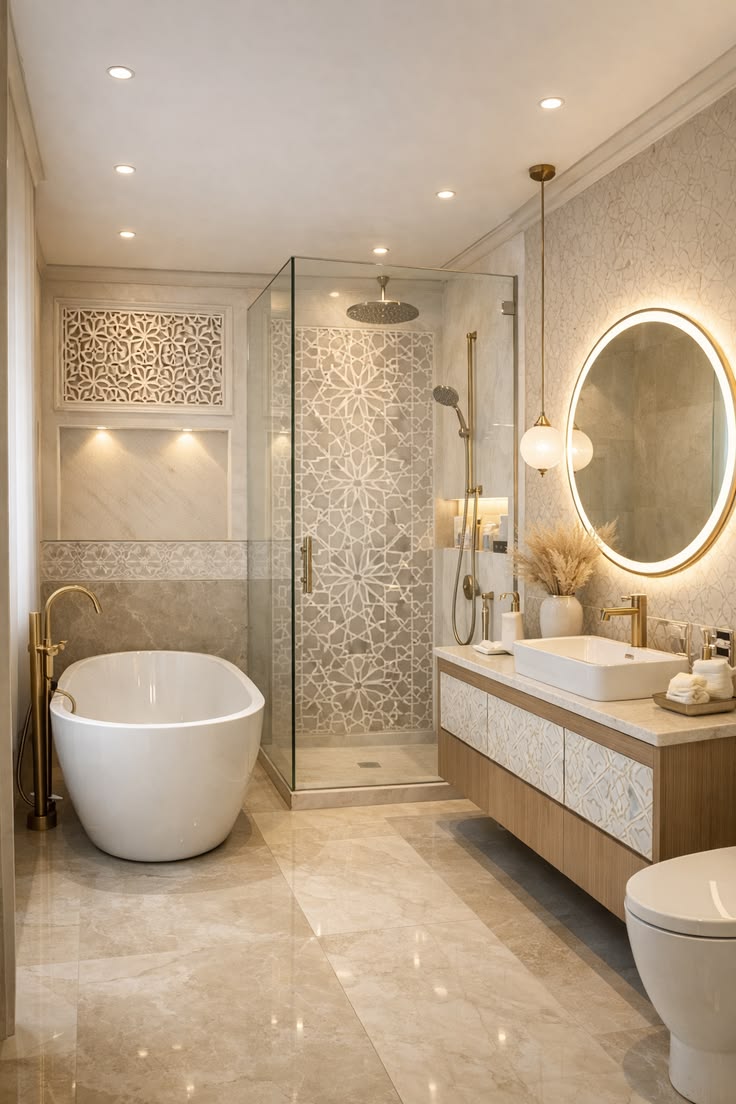
Mosaic Tiles for Hotel Bathroom Walls
Manufacturing Quality Control for Hotel Tender Orders
Incoming Material, Cutting, and Assembly Inspection
Quality control begins before cutting. Incoming material should be checked for color tone, thickness, cracks, finish, moisture, and surface defects. During cutting, the factory must control chip size, edge quality, shape accuracy, and breakage rate. During assembly, workers must check joint spacing, pattern alignment, sheet flatness, missing pieces, loose chips, and mesh adhesion.
For marble mosaic production, cutting accuracy has a direct impact on the final installed look. A useful reference is the discussion of perfect cutting technique for marble mosaic tiles, because poor cutting can create irregular joints, pattern distortion, installation difficulty, and visible grid marks.
| Inspection Stage | Key Control Point | Hotel Tender Risk Reduced |
|---|---|---|
| Material Sorting | Color range and batch | Visual mismatch |
| Découpage | Chip tolerance | Pattern distortion |
| Assemblée | Joint and sheet alignment | Installation grid marks |
| Soutien | Mesh adhesion | Loose tiles |
| Final QC | Sheet consistency | Rejection on site |
Packing and Logistics for Large Mosaic Tile Orders
Why Packing Must Match Hotel Project Zones
Hotel mosaic tiles may be installed in guest bathrooms, spa rooms, public washrooms, lobbies, restaurants, corridors, and suites. Packing should therefore be organized by zone, floor, room type, batch number, color code, and installation area. Random packing creates confusion on site and increases the risk of wrong-area installation.
Carton labels should include project name, area code, room type, batch number, quantity, color code, installation direction, spare tiles, and sample reference where needed. For export shipping, reinforced cartons, pallets, moisture protection, corner protection, loading photos, and packing lists help reduce damage and disputes.
Common Mistakes in Hotel Mosaic Tile Procurement
Approving Only a Digital Rendering
Digital renderings cannot fully show color, texture, thickness, surface finish, or grout interaction. Always request physical samples before tender approval.
Ignoring Batch Consistency
Large hotels need batch control, not random production. If replacement tiles or later shipments do not match, repairs become visible.
Forgetting Wet-Area Requirements
Bathrooms, spas, and pool-related areas must consider slip resistance, waterproofing, grout, and maintenance. A beautiful mosaic that becomes slippery or hard to clean will create complaints.
Not Reserving Spare Tiles
Hotels need spare material for repairs, maintenance, and future replacement. Spare tiles should come from the same batch whenever possible.
Choosing a Supplier Without Tender Experience
Hotel tenders require documentation, sampling discipline, timeline control, packaging systems, and QC support. A general retail supplier may not be ready for large custom project orders.
How to Choose a Mosaic Tile Manufacturer for Hotel Tenders
What a Reliable Manufacturer Should Provide
A reliable fabricant de carreaux de mosaïque should provide custom design support, CAD pattern development, material sourcing, rapid sample production, color consistency control, batch coding, QC documentation, sustainability files, slip-resistance information, packing plans, project labeling, export experience, production timelines, and responsive communication.
Before choosing a fabricant de carreaux de mosaïque, hotel buyers should evaluate whether the supplier has the production capacity, stone sourcing experience, design conversion ability, and QC structure needed for large-scale custom projects. A factory that understands hotel tenders can prevent mistakes before they reach the site.
For project discussions, sample requests, or tender documentation, contacting a professional mosaic tile supplier early can help clarify design files, lead time, samples, documentation, packing requirements, and production feasibility before the tender timeline becomes stressful.
| Evaluation Factor | Poids | What to Check |
|---|---|---|
| Custom Design Capability | 20% | CAD, waterjet, pattern development |
| Color Consistency Control | 20% | Batch sorting and sample archive |
| Prototyping Speed | 15% | Concept to sample timeline |
| Certification Support | 15% | Sustainability and QC documents |
| Production Capacity | 10% | Large-scale order capability |
| Wet-Area Knowledge | 10% | Slip, backing, grout guidance |
Practical Recommendation: How Hotel Buyers Should Order Mosaic Tiles
For guest bathrooms, prioritize slip safety, color consistency, grout compatibility, and spare quantity. For spa and wellness areas, focus on wet-area performance, sealers, anti-slip finish, and easy cleaning. For lobby and reception walls, prioritize visual impact, color rhythm, cutting accuracy, and designer approval. For multi-floor hotel projects, batch coding, area labeling, production timelines, and spare materials are essential.
The safest buying logic is simple: approve the real sample, document the color range, confirm the technical specification, test wet-area suitability, reserve spare material, and organize packing by project zone. A good supplier does not only manufacture Mosaic Tiles; it helps the hotel project avoid visual mismatch, installation confusion, delayed approvals, and costly rework.
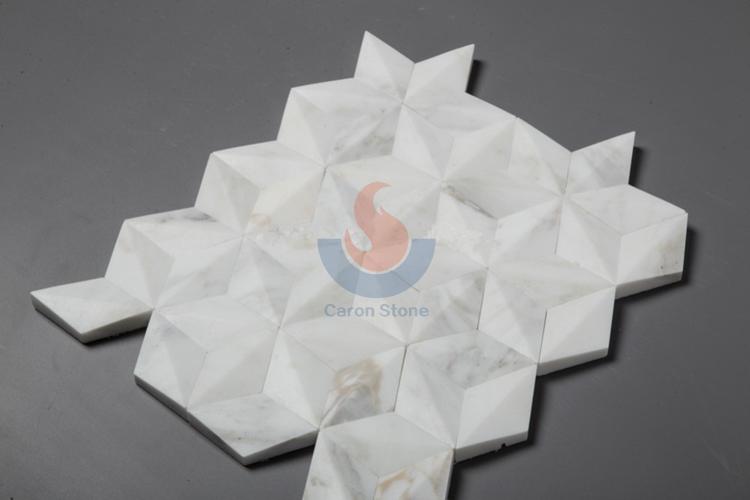 Mosaïque de marbre or Calacatta, mosaïque de marbre blanc oriental | 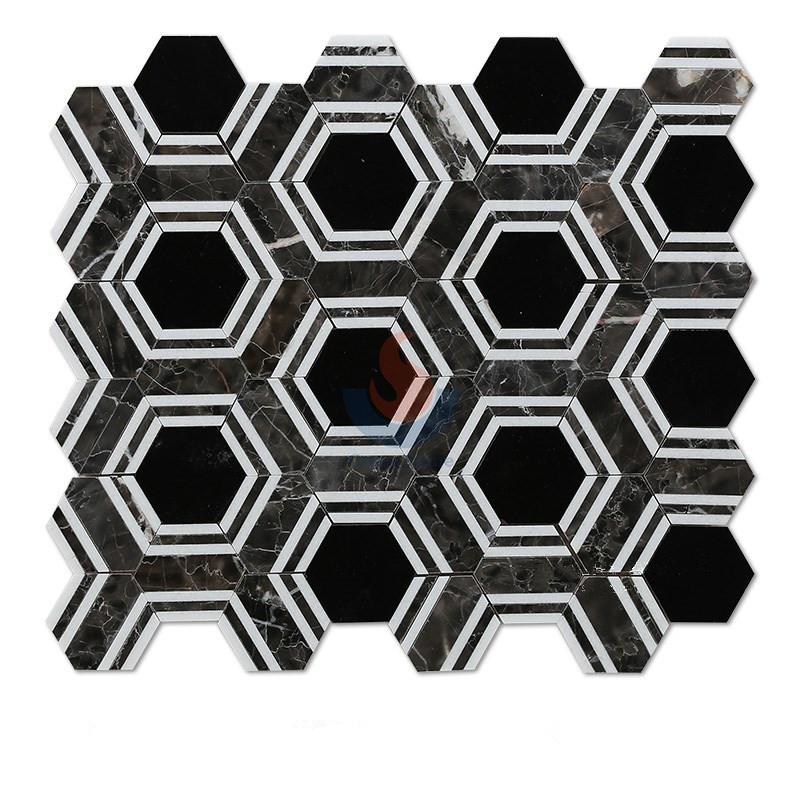 Mosaïque hexagonale en marbre brun |
Final Tender Insight: Custom Mosaic Tiles Must Be Beautiful, Repeatable, and Documented
For 5-star hotel tenders, Mosaic Tiles must do three things at the same time. They must satisfy the designer visually, satisfy the contractor technically, and satisfy procurement with documents and delivery discipline. A beautiful sample is only the first step. The real test is whether the manufacturer can repeat that quality across thousands of square feet.
The strongest mosaic tile supplier combines design development, rapid prototyping, color consistency, ethical sourcing support, technical QC, wet-area guidance, packing organization, and export communication. When those systems are in place, custom Mosaic Tiles become more than decorative surfaces. They become reliable project materials for luxury hospitality spaces.
FAQ
1. Les carreaux de mosaïque peuvent-ils être personnalisés pour des projets hôteliers ?
Oui, les carreaux de mosaïque peuvent être personnalisés pour des projets hôteliers en fonction du matériau, de la couleur, du motif, de la taille des tessons, de la dimension des plaques, de l’épaisseur, de la finition de surface, de la méthode de support et de l’étiquette d’emballage. Pour les appels d’offres d’hôtels 5 étoiles, la personnalisation doit s’articuler autour d’un cahier des charges clair, puis s’engager dans la réalisation des plans de production, le choix des matériaux, le développement d’échantillons et l’approbation finale. Les meilleurs fournisseurs sont en mesure de transformer une image conceptuelle ou un mood board en un échantillon de carreau de mosaïque prêt à la production.
2. Comment les fabricants garantissent-ils la cohérence des couleurs dans les carreaux de mosaïque ?
Les fabricants garantissent la cohérence des couleurs en sélectionnant des lots de matériaux contrôlés, en triant les fragments de pierre selon leur teinte et leurs veines, en définissant des proportions colorimétriques pour les mosaïques mixtes, en réalisant des échantillons de contrôle, en inspectant les dalles sous un éclairage constant, en étiquetant les lots et en réservant des matériaux de rechange issus du même lot de production. Ce processus est particulièrement crucial pour les salles de bains d’hôtel, les spas et les murs des halls d’accueil, où des milliers de mètres carrés doivent présenter une unité visuelle.
3. Les carreaux de mosaïque sont-ils adaptés aux salles de bains d’hôtel et aux zones humides ?
Oui, les carreaux de mosaïque peuvent être adaptés aux salles de bains d’hôtel, aux espaces de douche, aux spas et aux lieux dédiés au bien‑être, à condition d’adopter les matériaux, les finitions, les supports, les joints, l’étanchéité et les solutions antidérapantes appropriés. Pour les sols humides, il convient d’examiner la texture de la surface, la conception des joints, les exigences en matière de nettoyage ainsi que le système d’installation. Les mosaïques en pierre naturelle peuvent également nécessiter un traitement d’étanchéité, tandis que les espaces humides à usage commercial peuvent requérir des joints plus résistants et une planification rigoureuse de l’entretien.
4. Combien de temps dure la production d’un échantillon personnalisé de carreaux en mosaïque ?
Le délai de production d’un échantillon de carrelage mosaïque sur mesure dépend de la complexité du motif, de la disponibilité des matériaux, de la méthode de découpe, des exigences en matière d’adaptation des couleurs ainsi que du nombre de révisions. Les motifs standards simples peuvent généralement être réalisés plus rapidement, tandis que les designs réalisés au jet d’eau, composés de matériaux mixtes ou spécifiques à l’hôtellerie nécessitent davantage de temps pour la mise en plan CAO, la découpe des tessons, l’assemblage, le contrôle qualité et l’approbation du concepteur. Les acheteurs sont invités à prévoir suffisamment de temps pour au moins une révision avant le dépôt de l’offre.
5. Comment choisir un fabricant de carreaux de mosaïque pour les appels d’offres hôteliers ?
Pour choisir un fabricant de carrelages mosaïques dans le cadre d’appels d’offres hôteliers, il convient de vérifier sa capacité en matière de conception sur mesure, son approvisionnement en matériaux, son contrôle de la cohérence des couleurs, sa rapidité en matière de prototypage, sa capacité de production, sa documentation relative au contrôle qualité, son soutien en matière de durabilité, sa connaissance des espaces humides, son système d’emballage ainsi que sa réactivité en matière de communication. Pour les grands projets hôteliers, le fournisseur devrait fournir, avant le lancement de la production en série, des échantillons de production, un codage par lot, les paramètres techniques, des étiquettes d’emballage ainsi qu’un plan de livraison adapté à la zone du projet.
Références
1. ANSI A137.1 American National Standard Specifications for Ceramic Tile, Tile Council of North America, Tile Standard Publication.
2. ANSI A108/A118/A136.1 American National Standards for Tile Installation, American National Standards Institute, Installation Standards.
3. Dimension Stone Design Manual, Natural Stone Institute, Natural Stone Technical Reference.
4. ANSI/NSI 373 Sustainable Production of Natural Dimension Stone, Natural Stone Institute, Sustainability Standard.
5. LEED v4.1 Building Design and Construction, U.S. Green Building Council, Green Building Rating System.
6. Interior Design Materials and Specifications, Lisa Godsey, Fairchild Books.
7. Architectural Graphic Standards, American Institute of Architects, Wiley.
8. Handbook for Ceramic, Glass, and Stone Tile Installation, Tile Council of North America, Installation Reference.
Strategic Insight: How Hotel Buyers Should Source Custom Mosaic Tiles
What makes hotel Mosaic Tiles different?
Hotel mosaic tile projects require large-scale consistency, tender documentation, technical accuracy, and project-zone packing. A beautiful sample is not enough unless the supplier can repeat the same color, pattern, thickness, backing, and finish during bulk production.
Why does color consistency matter?
Across thousands of square feet, even small color differences can create visible patchiness in bathrooms, spas, and lobby walls. Material sorting, chip control, production samples, batch coding, and lighting review help reduce mismatch before installation.
How should buyers evaluate sustainability?
Hotel procurement teams may request origin statements, environmental policies, quality records, and sustainability-related documents. Suppliers should avoid vague claims and provide clear documentation where applicable.
What role does rapid prototyping play?
Rapid prototyping turns design concepts into real sample sheets. It helps confirm pattern scale, color ratio, grout joint, thickness, finish, backing method, and installation direction before bulk production begins.
Buyer consideration: The best mosaic tile manufacturer for 5-star hotel tenders should support design conversion, sample revisions, large-scale color control, technical QC, wet-area guidance, packing labels, export logistics, and responsive communication. In hotel projects, reliability is not a bonus—it is the product.