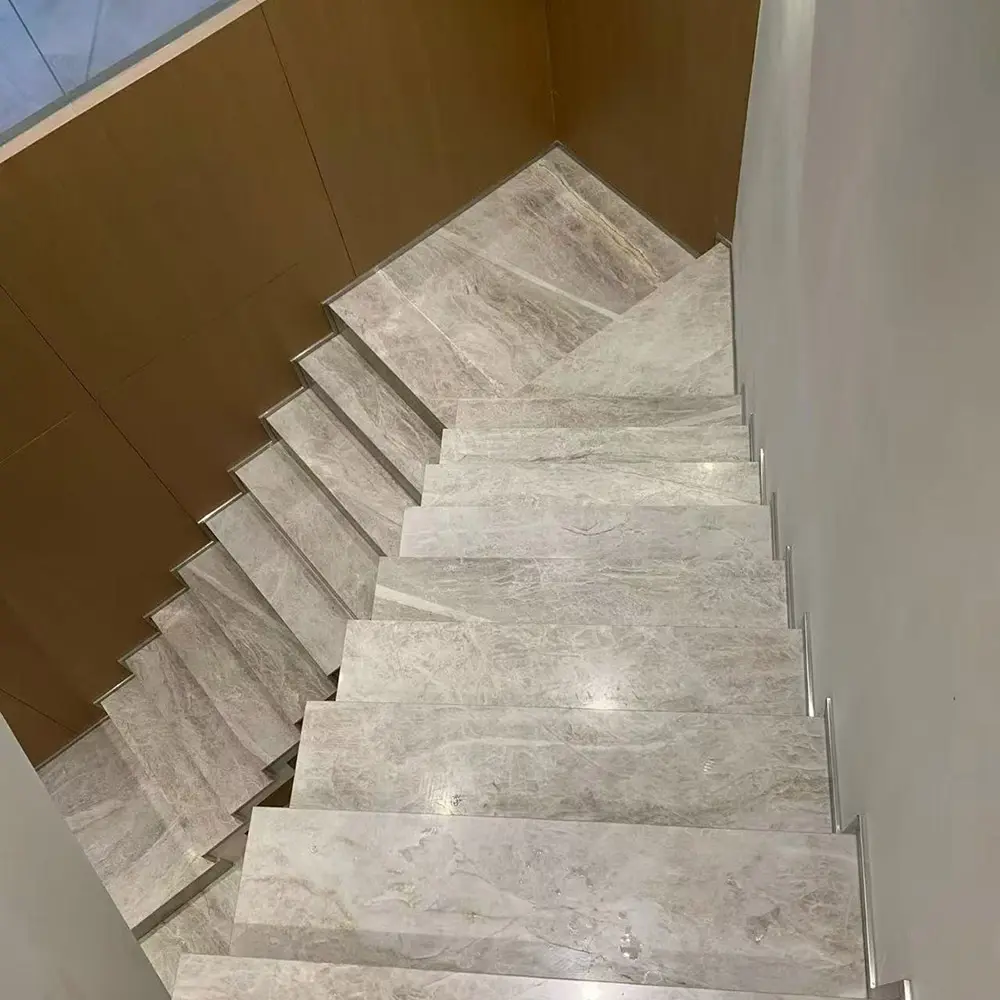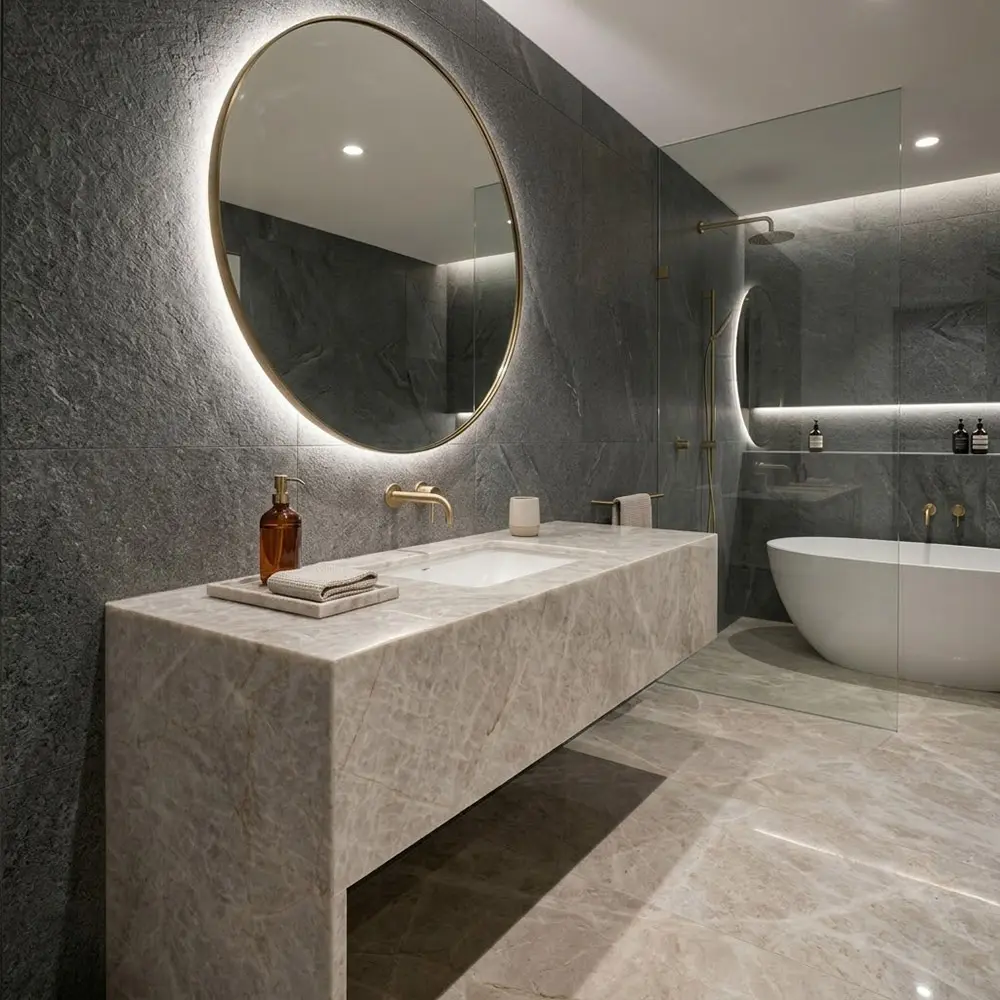






סיכום מהיר:Carrara Marble Tile is a timeless Italian natural stone characterized by a soft white background and delicate, feathery grey veining. Widely utilized in high-end residential and commercial architecture, it is the premier choice for authentic Italian Carrara marble applications, ranging from elegant kitchen backsplashes to luxurious wet-room bathroom floors. Achieving a flawless installation requires strict adherence to industry standards, including the use of proper substrates, high-quality white thin-set mortar, and professional-grade impregnating sealers to prevent moisture absorption and etching.
Introduction to Timeless Elegance: The Legacy of Italian Stone
For centuries, the quarries of Tuscany, Italy, have yielded some of the world’s most sought-after architectural materials. Among these, the classic aesthetic of natural white stone has remained a staple in luxury design, gracing the halls of historic monuments, grand estates, and modern contemporary homes alike. Today, architects and interior designers continue to rely on the sophisticated beauty of Carrara Marble Tile to elevate residential and commercial spaces. Its unparalleled visual depth, characterized by a luminous, slightly translucent white or blue-grey background intersected by soft, feathery grey veining, offers a versatile canvas for a wide array of interior styles. Whether you are aiming for a minimalist modern aesthetic or a highly ornamented traditional environment, this natural stone adapts flawlessly. Sourcing high-quality materials is the foundation of any successful architectural project, which is why working with a dedicated and experienced trusted marble stone supplier is essential for ensuring that you receive perfectly calibrated, premium-grade stone that meets your exact design specifications.
Carrara Marble Tile Applications
Distinctive Features and Geological Profile
Understanding the geological formation of this material is crucial for appreciating its durability and performance characteristics. Formed under immense heat and pressure over millions of years, the original limestone recrystallizes to form a dense, interlocking mosaic of calcite crystals. This metamorphic process gives the stone its characteristic polishable surface and luminous quality. The subtle grey veins are the result of mineral impurities, such as clay, silt, sand, or iron oxides, which were originally present as grains or layers in the limestone. When assessing a project’s needs, designers must consider the specific grade of the stone. “C” grade typically features a whiter background with more distinct veining, while “CD” grade has a slightly greyer background. For large-scale projects requiring consistent color and structural integrity, sourcing from a comprehensive marble tiles and slabs collection guarantees access to sequential batches that allow for seamless vein-matching and book-matching across expansive horizontal and vertical surfaces.
Physical Properties and Durability Metrics
While prized for its aesthetic appeal, it is vital to evaluate the structural metrics of the material before specifying it for high-traffic or high-moisture zones. As a calcite-based stone, it possesses specific physical characteristics that dictate its installation and maintenance protocols. It has a standard Mohs hardness rating of 3 to 4, meaning it is softer than granite or quartzite and can be subject to scratching if exposed to abrasive materials. Its water absorption rate typically hovers around 0.12% to 0.20%, classifying it as a low-porosity natural stone, though it still requires professional sealing to prevent liquid infiltration. Proper subfloor preparation, including the use of anti-fracture membranes and high-polymer modified white thin-set, is non-negotiable. To ensure your contractors are adhering to the highest industry standards during the fitting process, consulting a comprehensive marble tile installation guide can mitigate common failures such as lippage, grout cracking, or moisture-induced discoloration from the substrate.
Transforming Kitchens with Elegant Stone Surfaces
The kitchen is the heart of the modern home, acting as both a functional culinary workspace and a central gathering area. Incorporating natural stone into this environment immediately elevates the perceived value and sophistication of the property. The reflective qualities of polished stone can make a kitchen feel significantly larger and brighter, maximizing both natural and artificial light. However, specifying natural calcite stone in a kitchen requires careful consideration of the household’s lifestyle and cooking habits, as the material is sensitive to acidic substances like citrus, vinegar, and wine. For personalized advice on selecting the right finish and format for your culinary space, you can contact our stone specialists to discuss your project’s unique functional and aesthetic requirements, ensuring a harmonious balance between breathtaking design and long-term practicality.
The Ultimate Culinary Backdrop: Backsplashes
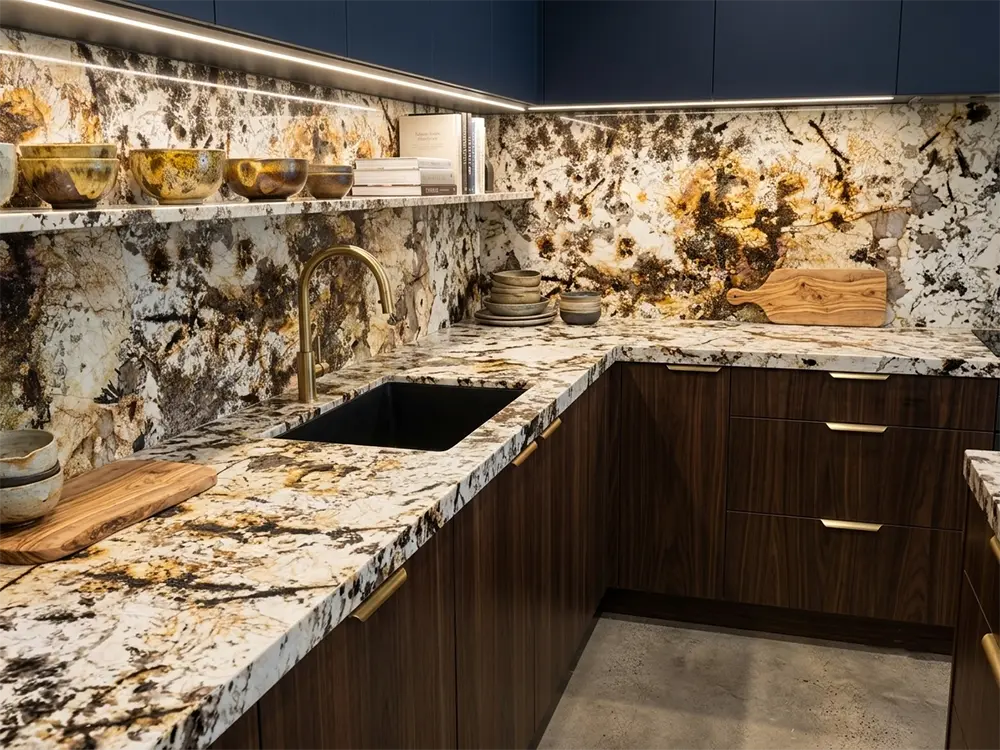
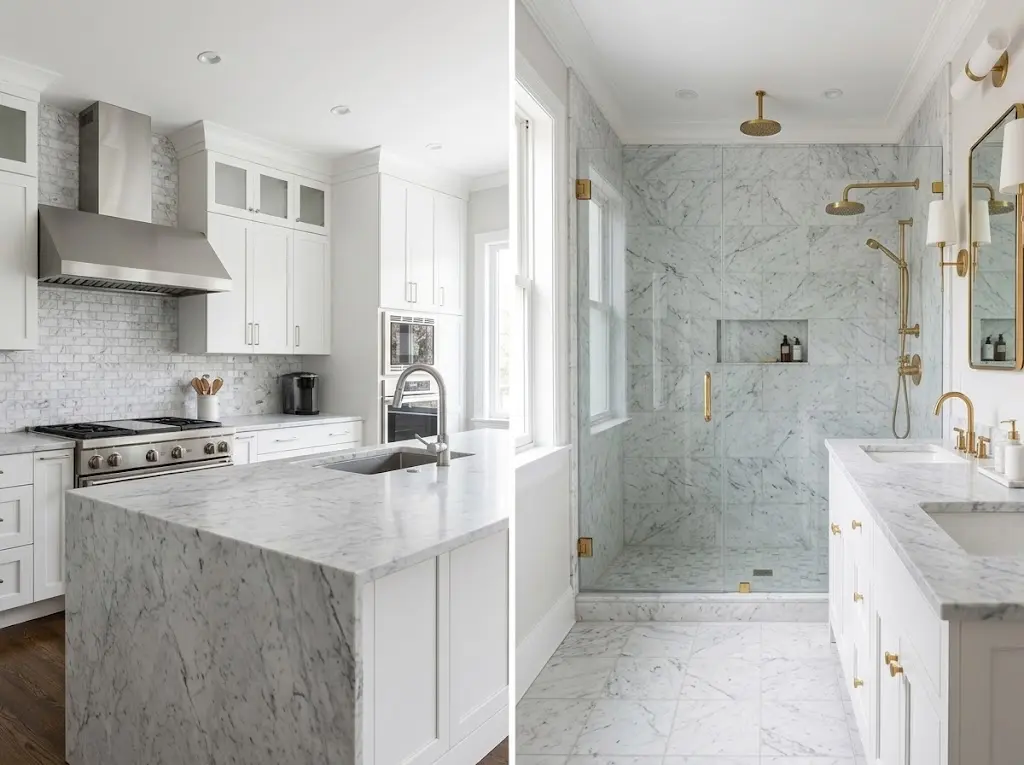
One of the most popular and visually impactful applications of this material is the Carrara marble tile backsplash. Because backsplashes are vertical surfaces, they are generally subjected to far less mechanical wear and tear than countertops or floors, making them an ideal location to showcase the stone’s intricate veining without intense maintenance concerns. Designers frequently utilize subway tiles (typically 3×6 or 4×12 inches) laid in a classic running bond or a dynamic herringbone pattern to add geometric interest to the kitchen. Alternatively, utilizing large-format slabs for the backsplash creates a seamless, monolithic appearance that exudes contemporary luxury. When installing a backsplash, utilizing a high-quality, unsanded grout is critical to prevent scratching the polished surface of the stone during the grouting process. Furthermore, applying an impregnating fluoropolymer sealer immediately after installation will protect the stone from cooking oil splatters and tomato-based stains.
Kitchen Flooring: Balancing Beauty and Practicality
When considering white Carrara marble flooring for a kitchen, designers must balance aesthetic desires with practical realities. A kitchen floor sees heavy foot traffic, dropped utensils, and frequent spills. Therefore, choosing the correct surface finish is paramount. While a highly polished finish offers a stunning, mirror-like reflection, it can become slippery when wet and will more readily show micro-scratches and acid etching. Conversely, a honed (matte) finish provides superior slip resistance (a higher Dynamic Coefficient of Friction or DCOF) and effectively conceals minor wear and tear, making it the preferred choice for busy culinary environments. Large-format tiles, such as 12×24 or 24×24 inches, are excellent for kitchen floors as they minimize grout lines, creating a more expansive and continuous visual flow. Regular maintenance using a pH-neutral stone cleaner is essential to preserve the integrity of the floor over decades of use.
Elevating Bathroom Spaces into Private Sanctuaries
The bathroom has evolved from a purely utilitarian space into a private wellness sanctuary. Natural stone plays a pivotal role in this transformation, bringing an organic, spa-like ambiance to the environment. The cool, smooth touch of the stone and its serene visual properties create an atmosphere of ultimate relaxation. However, bathrooms present unique challenges, primarily regarding extreme moisture, humidity, and the use of cosmetic chemicals. Careful specification of slip-resistant finishes and rigorous waterproofing systems beneath the stone are essential steps in the architectural planning phase.
Luxurious Walk-In Showers and Wet Rooms
Designing a shower enclosure or a fully waterproofed wet room requires meticulous attention to drainage and friction. For the shower floor, a Carrara marble bathroom floor utilizing small-format mosaics (such as 1×1 or 2×2 inch hexagons, basketweaves, or penny rounds) is highly recommended. The increased density of grout lines in a mosaic layout provides necessary traction, significantly reducing the risk of slipping in wet conditions. For the shower walls, larger formats like 12×24 inch tiles can be installed vertically to draw the eye upward, increasing the perceived height of the ceiling. When constructing wet areas, the substrate must be entirely waterproofed using a liquid-applied membrane or a sheet membrane system prior to tile installation. Failure to properly waterproof the space can result in moisture becoming trapped behind the stone, leading to unsightly dark water stains, efflorescence, or structural degradation.
Vanity Tops and Seamless Floor Transitions
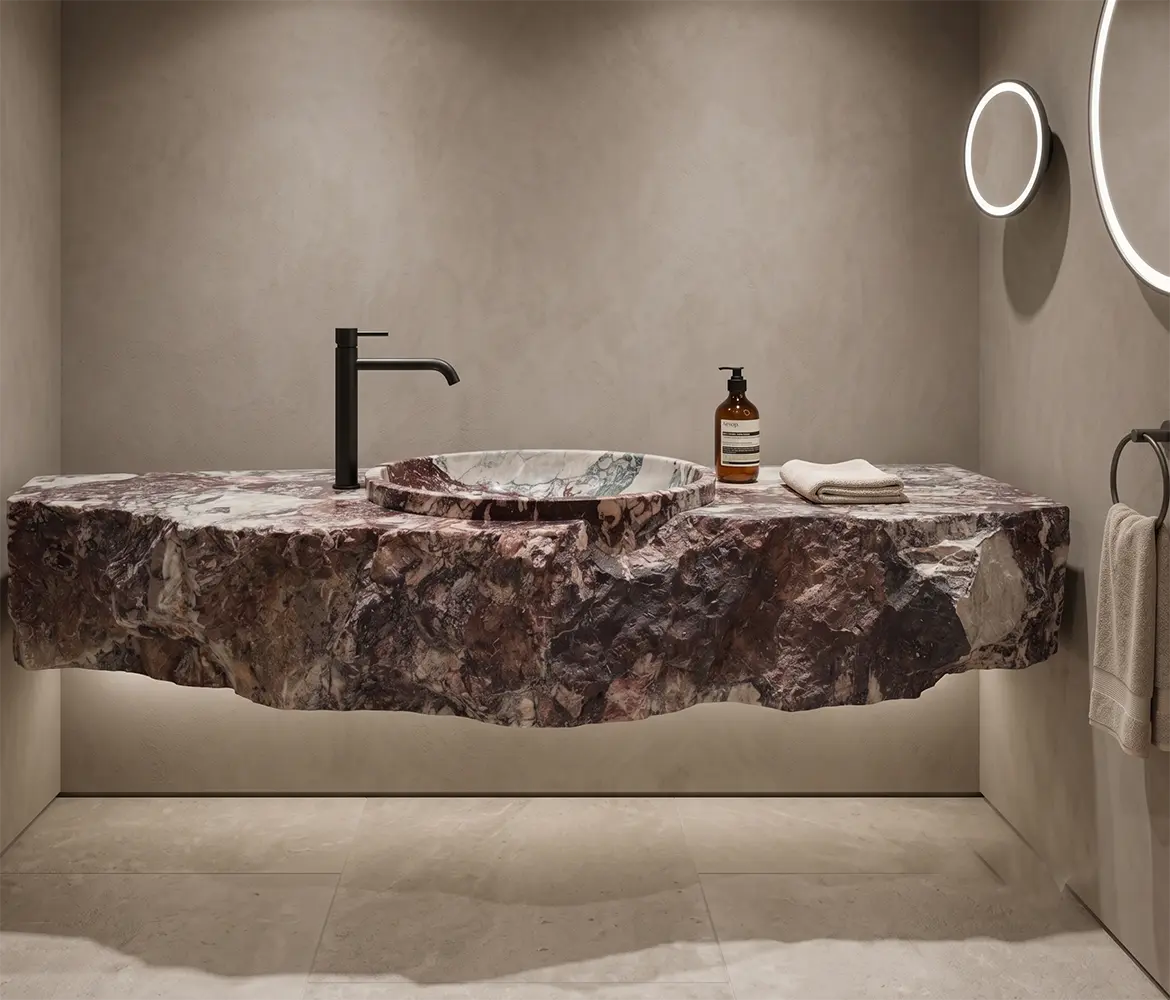
A beautifully fabricated vanity top serves as the focal point of a luxury bathroom. When matching the vanity to the floor tile, architects often play with scale and finish to create subtle contrast. For instance, pairing a polished slab vanity top with a honed Carrara marble bathroom floor ensures both aesthetic cohesion and functional safety. Precision edge profiling on the vanity—whether a classic Ogee, a sleek eased edge, or a substantial mitered drop-apron—adds a layer of bespoke craftsmanship. Additionally, maintaining a seamless floor transition from the primary bathroom floor into the curbless shower using the same marble species, but shifting from a large format to a matching mosaic, demonstrates a high level of architectural refinement and spatial continuity.
Comparative Analysis: Carrara vs. Other Premium Marbles
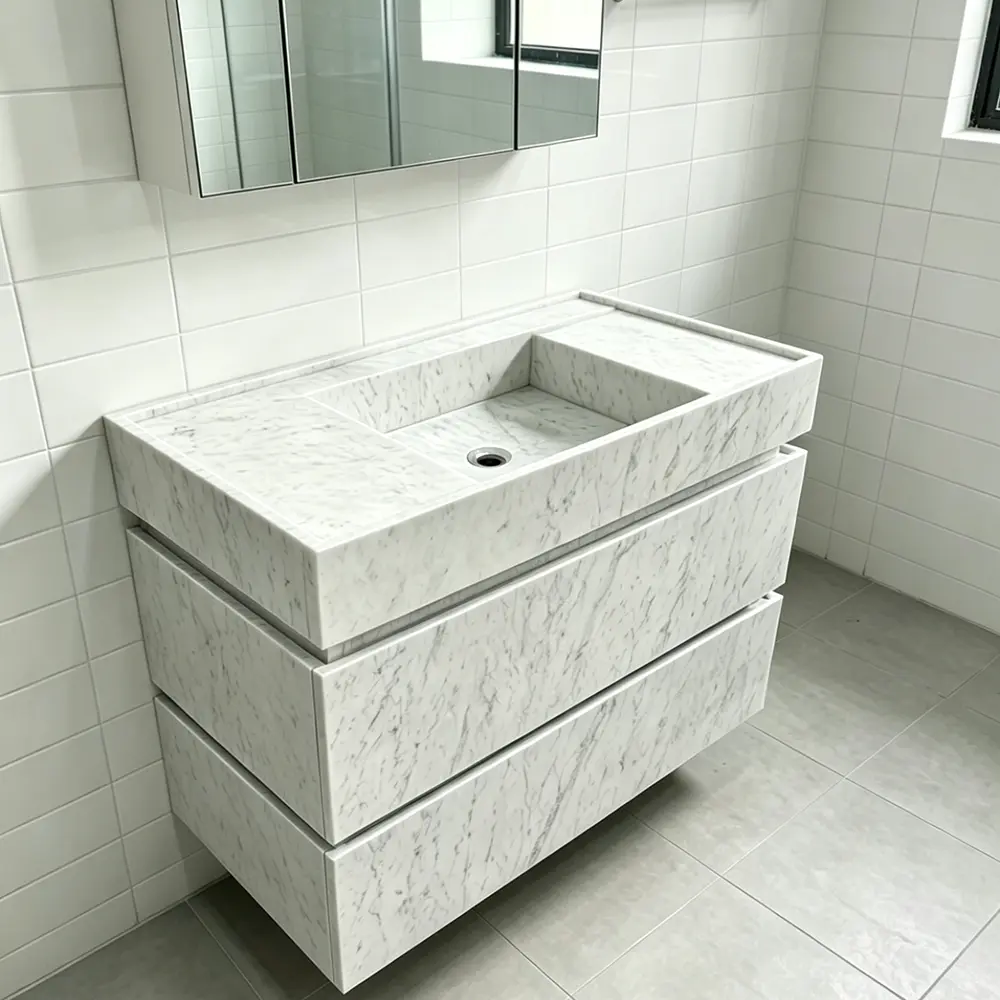
A common dilemma for homeowners and designers is navigating the differences between various Italian white marbles. A frequent query on search engines is Carrara marble vs Calacatta. While both originate from the same region in Italy, they possess distinct visual identities and price points. Carrara generally features a softer, more uniform grey-white background with fine, feathery veining that ranges from blue-grey to silver. It is considered a more abundant and therefore more accessible option. Calacatta, on the other hand, is rarer and is defined by a bright, pure white background contrasted by bold, dramatic, and thick veining that can range from dark grey to gold and brown. Calacatta’s bold patterns make it ideal for statement pieces and book-matched feature walls, while Carrara’s subtle elegance makes it perfectly suited for expansive applications where a gentle, cohesive texture is desired without overwhelming the space. Understanding these differences, as well as the average Carrara marble price per square foot, helps designers align the material selection with the project’s budgetary and aesthetic parameters.
Essential Installation and Maintenance Protocols
The longevity and beauty of a natural stone installation rely heavily on the expertise of the installer and the diligence of the end-user’s maintenance routine. Natural stone is not a synthetic product; it requires an understanding of its chemical and physical properties to ensure it performs perfectly for decades.
Professional Installation Standards
Installing natural marble requires specialized skills and materials. The subfloor must be exceptionally rigid; any deflection in the floor joists can cause the rigid stone to crack. The Tile Council of North America (TCNA) requires a minimum deflection rating of L/720 for natural stone flooring. Installers must use a premium, unmodified or specifically formulated modified white thin-set mortar. Using grey thin-set can cause the dark pigments to bleed through the slightly translucent white marble, permanently staining it from behind. Furthermore, the back of each tile must be “back-buttered” with mortar to ensure 100% coverage, eliminating voids beneath the tile that could compromise its structural integrity when subjected to heavy point loads.
Sealing and Daily Care Regimens
הבנה how to clean Carrara marble tile is the most critical aspect of ownership. Because calcite is highly reactive to acids, common household cleaners containing bleach, vinegar, ammonia, or citrus extracts will instantly cause “etching”—a chemical burn that dulls the polished surface. Daily cleaning should only be performed using a pH-neutral stone soap and a soft microfiber cloth or mop. Immediately wipe up spills, especially wine, coffee, and acidic fruit juices. To provide a window of protection against stains, the stone must be sealed with a high-quality, penetrating (impregnating) sealer upon installation, and periodically resealed every 12 to 24 months depending on the area’s usage. Unlike topical sealers that sit on the surface and alter the stone’s appearance, impregnating sealers penetrate the micro-pores of the marble, repelling water and oil-based liquids from within without changing the stone’s breathability or natural finish. When deciding between honed vs polished Carrara, remember that honed surfaces are generally more forgiving regarding the visibility of minor etches, making them highly recommended for active households.
Beyond Kitchens and Baths: Living Areas and Commercial Spaces
While predominately associated with wet areas, the application of this majestic stone extends far beyond kitchens and bathrooms. In luxury living spaces, large-format polished tiles create breathtaking flooring that reflects ambient lighting and anchors the room in timeless elegance. Floor-to-ceiling fireplace surrounds executed in natural grey-veined stone create a monumental focal point in living rooms and libraries. In the commercial sector, high-end retail boutiques, corporate reception lobbies, and luxury hotel foyers utilize this material to communicate brand prestige, permanence, and refined taste. Its durability, when correctly maintained, allows it to withstand the rigors of commercial pedestrian traffic while retaining its aristocratic allure.
Making the Right Investment: Buying Guide and Grading
Purchasing natural stone is a significant investment in your property. It is crucial to view the exact lots or bundles of tiles before purchasing, as natural stone varies significantly from block to block. Ensure that all tiles for a single room are pulled from the same quarry block to guarantee consistency in background color and vein density. Be wary of prices that seem too good to be true; lower-priced options may contain structural fissures, excessive iron deposits (which can rust over time when exposed to moisture), or poor calibration (varying tile thicknesses). Investing in premium, precisely calibrated tiles from a reputable source ensures a smoother installation process, narrower grout joints (typically 1/16 of an inch), and a flawless final aesthetic.
Expert Insights & Procurement Strategy
How to Maximize Aesthetic Value: To achieve a truly bespoke look, prioritize the selection of matching lots. Utilizing larger formats on walls and floors reduces grout lines, creating a monolithic, highly contemporary visual flow.
Why Subfloor Preparation is Critical: Calcite stone lacks the flexibility of ceramic. Substandard subfloors with deflection will inevitably lead to fractured tiles. Investing in structural reinforcement and anti-fracture membranes is an absolute requirement.
What Determines the Total Cost: ה Carrara marble price per square foot is only the baseline. Buyers must factor in the costs of premium white thin-set mortar, high-grade impregnating sealers, anti-fracture membranes, and the specialized labor required by artisan stone installers.
Options for High-Traffic Zones: If the environment includes pets, children, or heavy foot traffic, always opt for a honed finish. A honed surface possesses a higher slip-resistance coefficient and expertly masks the inevitable micro-etching caused by everyday acidic spills.
Considerations for Wet Environments: When deploying this stone in showers or wet rooms, epoxy grout or advanced high-performance cementitious grout should be utilized. Additionally, the stone must be meticulously sealed prior to the first use to prevent hard water mineral deposits from embedding in the pores.
Material Fit by Product Direction
Legend:
●●● = Primary
●●○ = Strong Option
●○○ = Depends on Workflow
— = Usually Not First Choice
* Note: This is an architectural adaptability guide based on material properties, not statistical data. No precise probabilities are implied. Adjustments require bespoke structural or chemical treatments.
| אזור היישום | גימור מלוטש | גימור מושטף | Mosaic Format | Large Format (12×24+) |
|---|---|---|---|---|
| קיר אחורי במטבח | ●●● | ●●○ | ●●● | ●●○ |
| Kitchen Flooring | ●○○ | ●●● | — | ●●● |
| Shower Floor (Wet) | — | ●●○ | ●●● | — |
| קיר המקלחת | ●●● | ●●● | ●●○ | ●●● |
| Commercial Lobby Floor | ●●○ | ●●● | — | ●●● |
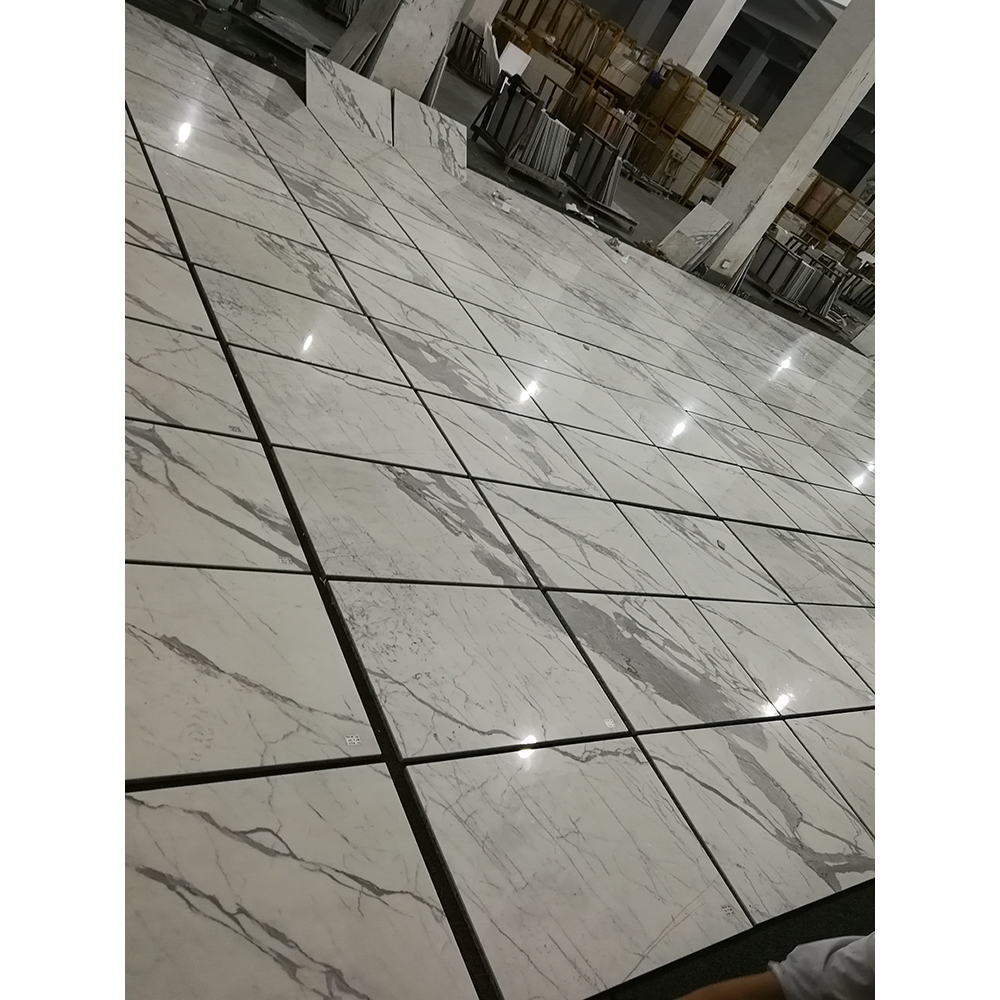
Calacatta Carrara Extra Marble
Frequently Asked Questions
1. How do I effectively clean and maintain Carrara marble tile without causing damage?
Maintaining the beauty of your stone requires specific care. You must avoid any cleaning products that contain acids, bleach, ammonia, or abrasives, as these will etch and scratch the surface. Instead, use only a pH-neutral natural stone cleaner mixed with warm water and apply it with a soft microfiber cloth or mop. Wipe up any liquid spills—especially wine, coffee, or citrus juices—immediately. Additionally, the stone should be resealed every 1 to 2 years with a high-quality impregnating fluoropolymer sealer to maintain its resistance to moisture and staining.
2. What is the primary difference between Carrara and Calacatta marble?
While both are premium Italian white stones, they have distinct visual differences. Carrara is characterized by a softer, slightly blue-grey to white background with delicate, feathery, and uniform grey veining. It is more abundant and generally more affordable. Calacatta features a crisper, stark white background paired with bold, dramatic, and thick veining that can range in color from dark grey to rich gold and brown tones. Calacatta is rarer and commands a higher price point, making it popular for high-impact statement installations.
3. Is a polished or honed finish better for a bathroom floor?
For any wet environment, such as a bathroom floor or a shower base, a honed (matte) finish is strongly recommended over a polished finish. Polished marble becomes extremely slippery when wet, creating a significant slip-and-fall hazard. A honed finish provides a higher Dynamic Coefficient of Friction (DCOF), offering better traction underfoot. Furthermore, utilizing small-format mosaic tiles on the shower floor introduces numerous grout lines, which drastically improves slip resistance regardless of the finish.
4. Can I use natural marble tile for a kitchen countertop or backsplash?
Yes, it is highly popular for both applications. It makes an exceptional and low-maintenance backsplash material because vertical surfaces rarely encounter heavy wear or standing liquids. Using it for a kitchen countertop provides a stunning, classic bakery aesthetic; however, it requires a high degree of commitment to maintenance. As a calcite stone, it will inevitably etch if exposed to acidic foods like lemons or tomatoes. Buyers who choose it for countertops must embrace the “living finish” concept, understanding that the stone will develop a natural patina over time.
5. Why must installers use white thin-set mortar when installing white marble?
White natural stones are slightly translucent, meaning light can penetrate the surface of the tile and reflect back. If an installer uses standard grey cementitious thin-set mortar, the dark grey color of the mortar can bleed through the crystalline structure of the stone, permanently dulling the tile and giving it a muddy, greyish, or discolored appearance. Professional installers must always use a premium, highly modified white thin-set mortar and apply a “back-buttering” technique to ensure an even, shadow-free installation.
References
- Dimension Stone Design Manual, Version 8.0. Engineering and Standards Committee. Natural Stone Institute (NSI).
- TCNA Handbook for Ceramic, Glass, and Stone Tile Installation. Technical Committee. Tile Council of North America.
- Geology of Italian Marble: The Apuan Alps. Carmignani, L., et al. Journal of Mediterranean Earth Sciences.
- The Chemistry of Stone Maintenance and Fluoropolymer Sealers. Rossi, M. International Journal of Architectural Conservation.
- Understanding Dynamic Coefficient of Friction (DCOF) in Wet Environments. Standard Specifications Board. American National Standards Institute (ANSI A137.1).
- ASTM C503/C503M – Standard Specification for Marble Dimension Stone. ASTM International.
- Substrate Preparation for Rigid Stone Flooring Systems. Architectural Tile and Stone Guide. Construction Specifications Institute (CSI).
- Architectural Finishes: The Impact of Honed vs. Polished Calcite Surfaces. Davies, H. Building Materials Review.