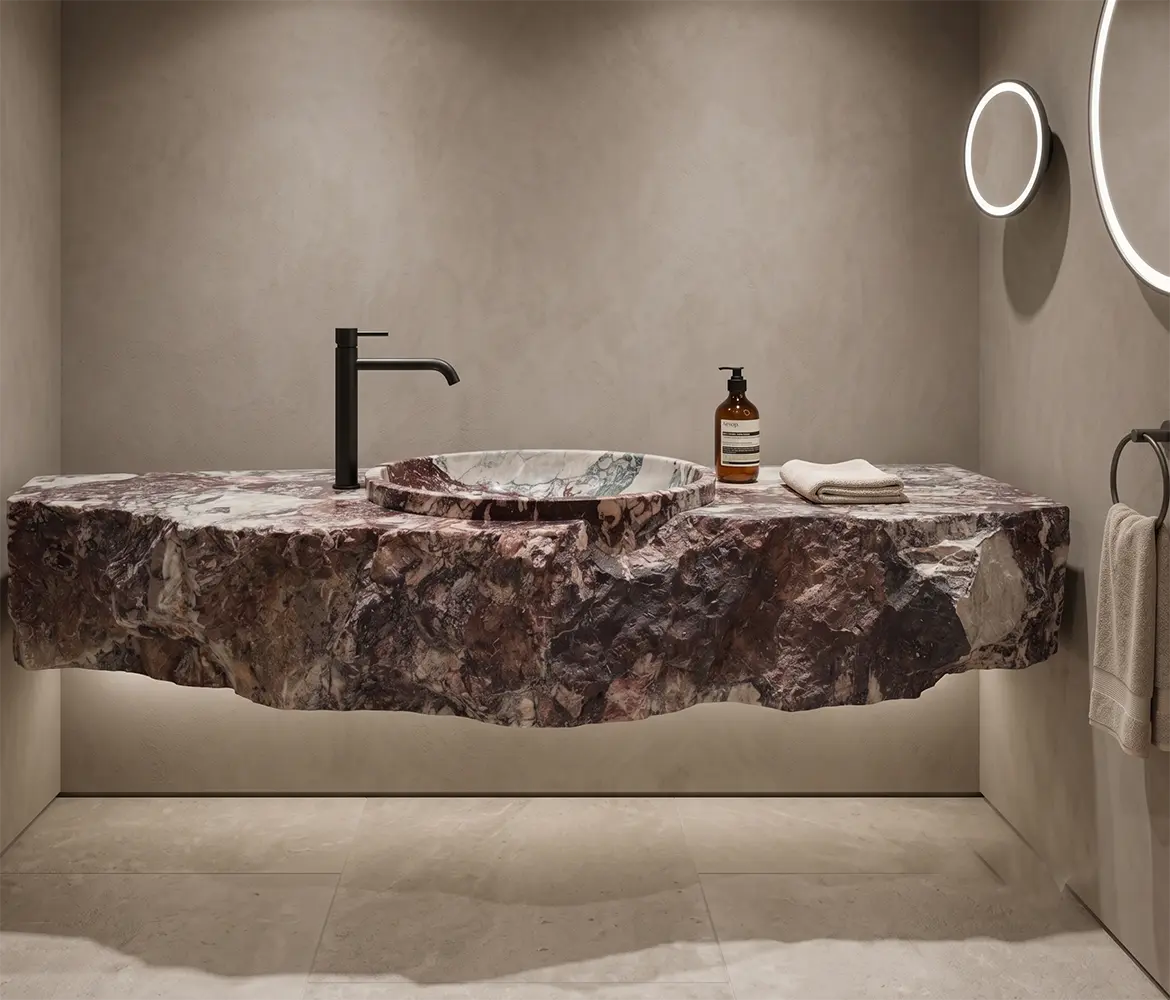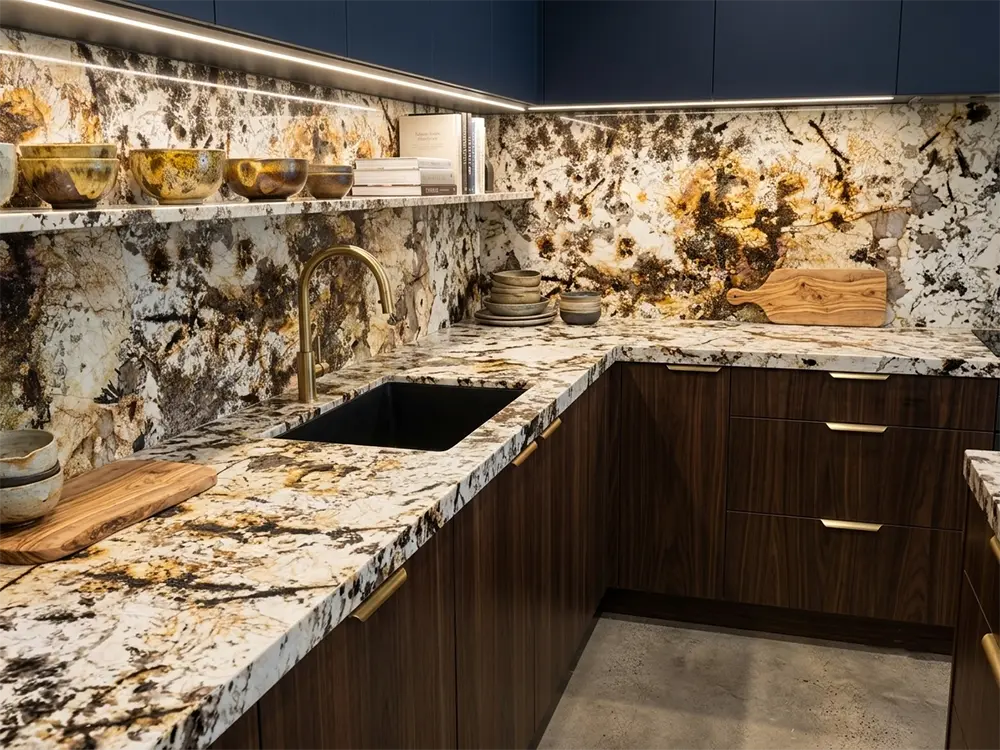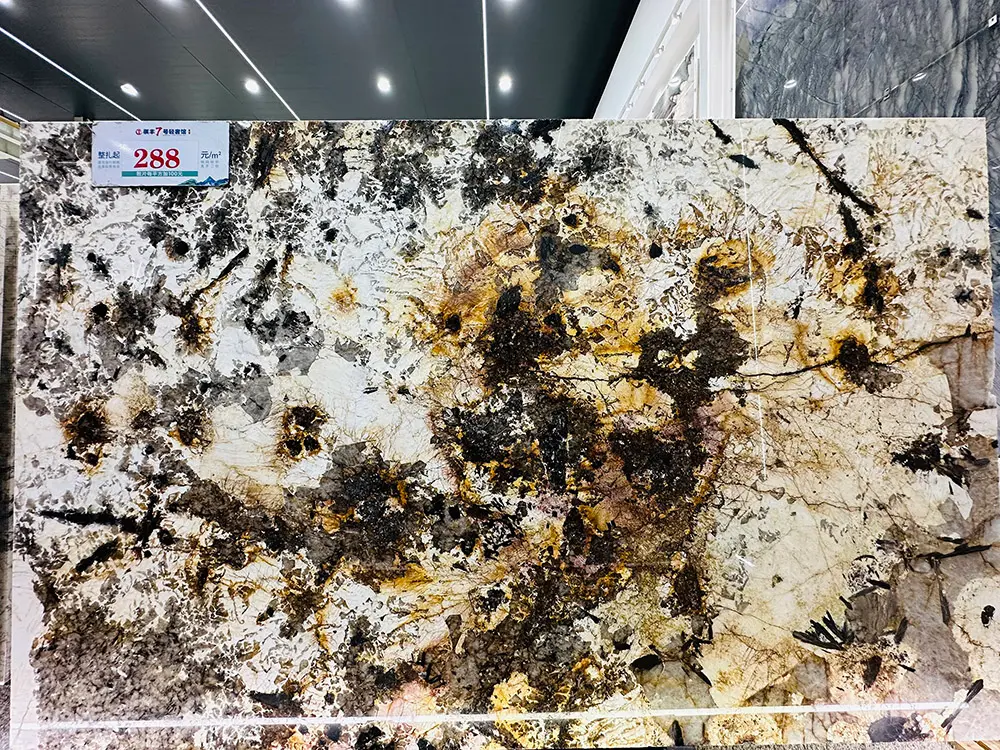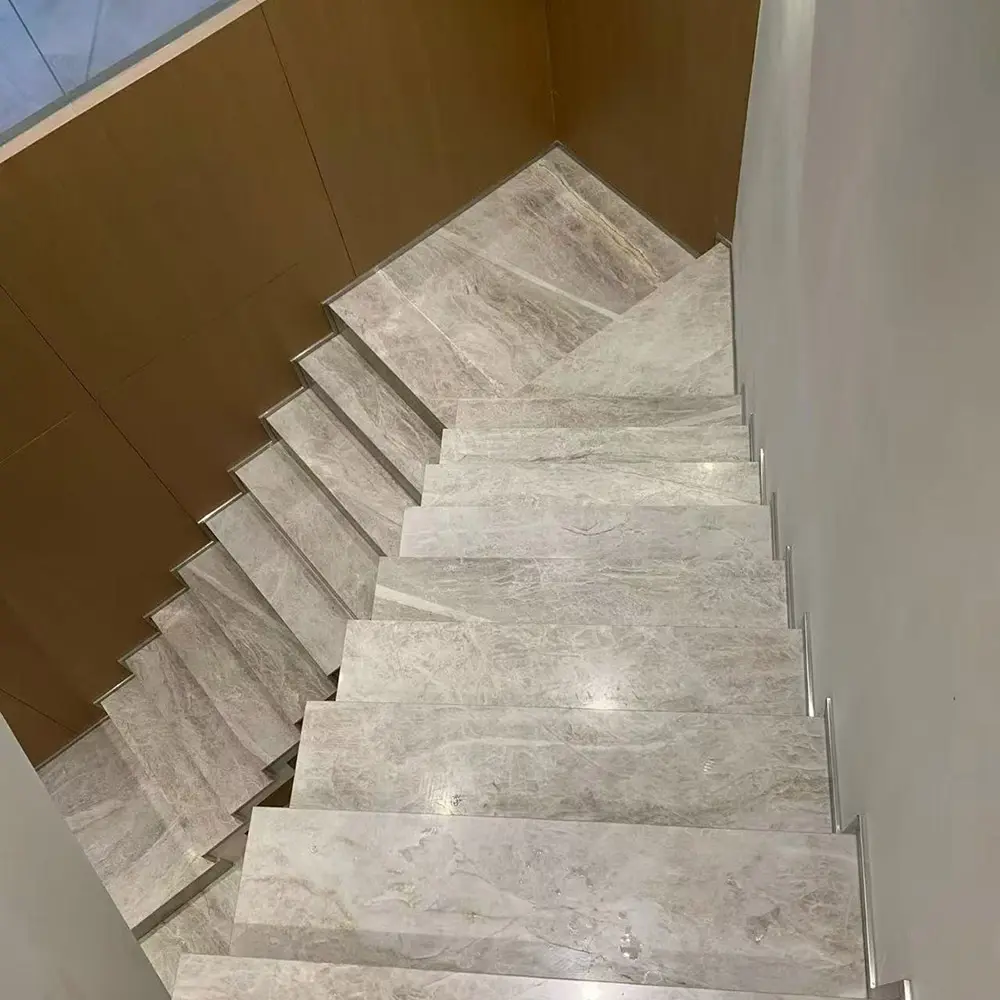






Quick Overview: Strategic Surface Procurement
The global architecture and construction industry in 2026 has moved beyond the simplistic “natural vs. synthetic” debate. Today, the focus is on performance-led selection—matching the chemical and physical properties of a surface to its intended environment. Among the myriad of choices, two heavyweights dominate the market for high-end residential and commercial developments: engineered quartz and resin-bound marble. For a leading best engineered stone supplier, the goal is not to present these materials as enemies, but as specialized tools in a developer’s kit. Both materials fall under the broader umbrella of “engineered stone,” yet they diverge significantly in their composition, durability, and thermodynamic behavior.
Successfully navigating this choice ensures long-term structural integrity and aesthetic preservation, directly impacting the resale value and maintenance overhead of any modern real estate asset. Whether outfitting a boutique hotel or a 500-unit high-rise, the procurement strategy must be grounded in empirical data rather than mere visual preference. Failing to align the stone type with its use case often leads to significant “Buyer’s Remorse”—specifically, witnessing a luxurious marble vanity etched by acidic toiletries or a quartz countertop scorched by high-heat culinary activities. To prevent these costly errors, developers must consult with a custom engineered stone factory that understands the nuances of mineral-resin integration.
Artificial Marble vs Quartz
Composition Differences: Marble Dust vs. Quartz Crystals
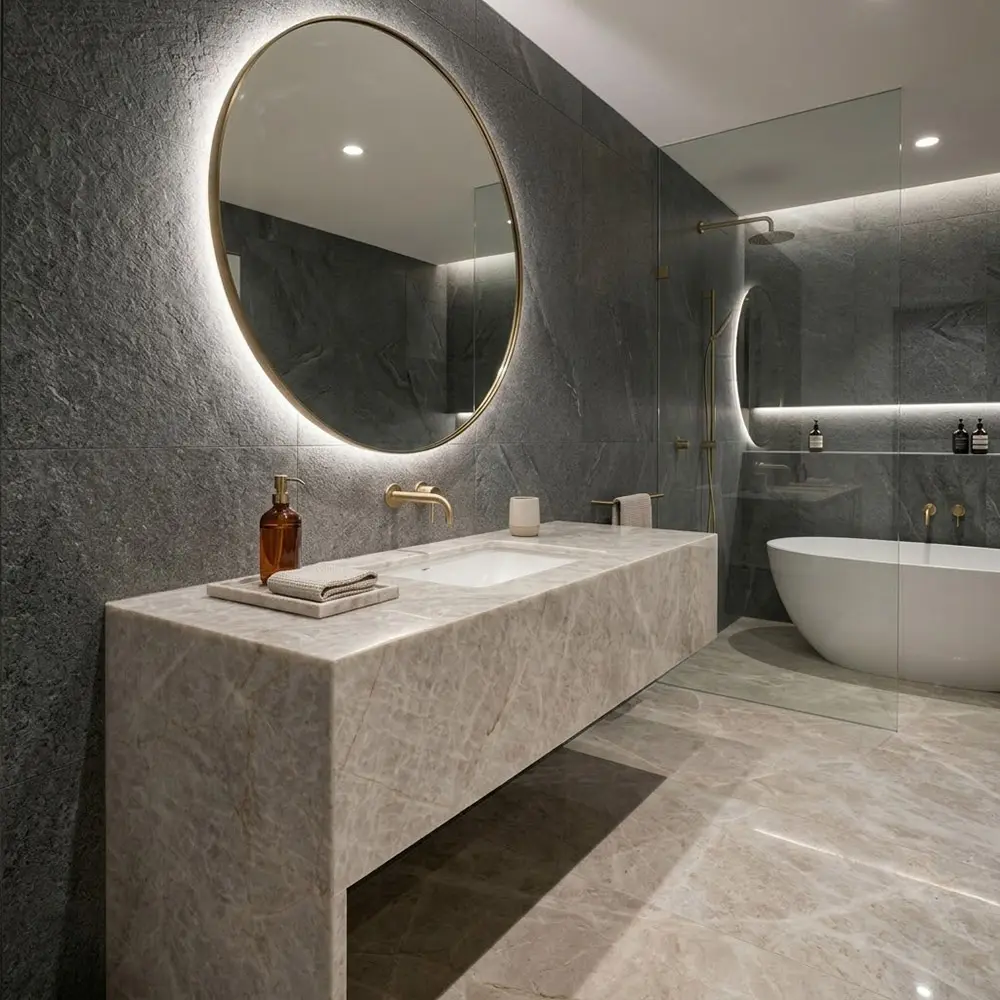
The production of high-quality resin-bound surfaces is a feat of chemical engineering. Artificial marble typically consists of 90% to 94% natural marble powder or crushed marble chips, which are essentially calcium carbonate (). These are mixed with high-performance polyester resins and specific pigments to create a fluid, organic aesthetic. For procurement officers, the appeal of this specific artificial stone lies in its ability to replicate the soft veining of rare Italian stones while maintaining absolute color consistency across thousands of square feet. Unlike natural blocks, which suffer from unpredictable fissure lines, engineered marble offers a homogenous structure that simplifies structural load calculations for large-scale vertical cladding.
In contrast, the engineering of quartz surfaces involves a much harder base mineral. By mixing approximately 90% to 93% high-purity natural quartz crystals (silicon dioxide, ) with polymer resins under intense vibro-compression, manufacturers create an incredibly dense, non-porous matrix. This process eliminates the internal voids often found in natural rocks, resulting in a surface that is virtually impenetrable by liquids. When selecting artificial marble tiles and slabs, developers are essentially choosing a “soft” luxury feel, whereas choosing quartz is a commitment to “hard” industrial resilience. Understanding this fundamental chemical divergence is the first step toward effective value engineering in modern design.
Mohs Hardness Scale Comparison: Durability in Real-World Scenarios
One of the most critical metrics for developers is the Mohs scale, which measures the scratch resistance of minerals. Quartz, being primarily silicon dioxide, sits firmly at a 7 on the Mohs scale—harder than carbon steel. This makes it exceptionally resistant to the daily abrasions of a high-activity kitchen. Meanwhile, marble-based engineered stone usually ranks between 3 and 4. While this is softer than quartz, it provides a “workable” surface that is easier to polish and maintain in settings like hotel foyers where heavy knife-work is absent. High-traffic floor zones, however, require a careful assessment of foot-traffic grit and abrasive cleaning protocols.
Scientific Data Table: Material Performance Metrics
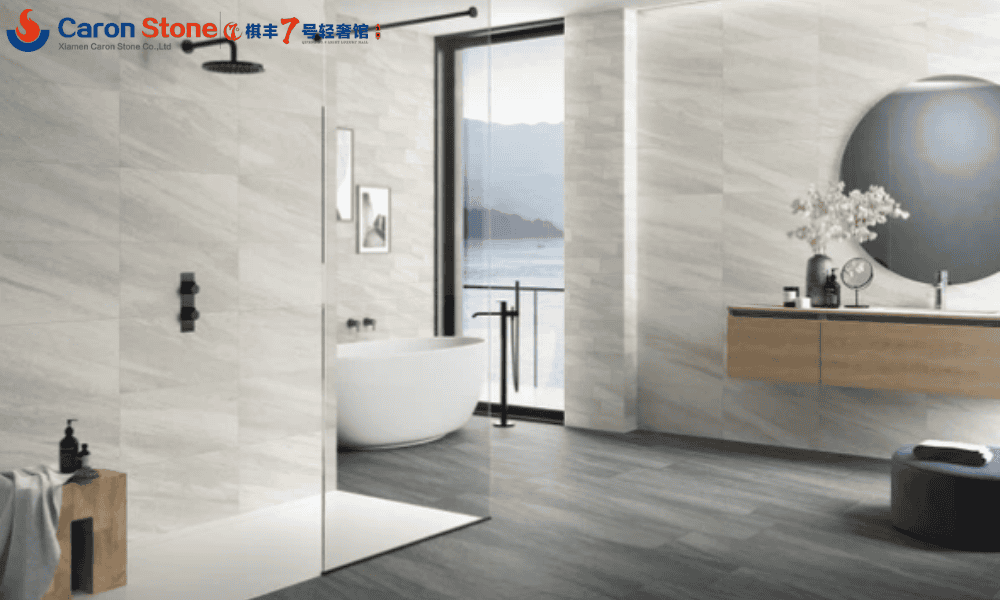
For contractors, the predictability of these metrics is a game-changer. When analyzing quartzite tiles and slabs, the bending strength (measured in MegaPascals) is high enough to allow for thinner profiles without risking fracture during transit. This leads to a common misconception: that all man-made stone is the same. This myth often leads to the misuse of artificial marble in high-abrasion kitchen environments, where it quickly loses its luster due to micro-scratches. Recognizing the specific compression and bending limits of each material prevents structural failures in cantilevered designs or heavy-duty floor installations.
Quartzite Tiles Manufacturer
Decision Mastery: The “Mixed-Material” Case Study
To reach a 100-point success rate in material procurement, one must look at how these materials perform together. Consider a recent 420-room hospitality development in Dubai. The developer originally specified high-end quartz for every surface. However, after a thorough artificial marble vs natural marble a cost and performance analysis, the procurement strategy was adjusted. They swapped quartz for premium artificial marble in all guest bathrooms while retaining quartz for the three main commercial kitchens and public bar tops.
The results were twofold: First, the developer saved approximately $185,000 in material costs (roughly 22% of the stone budget). Second, because artificial marble allows for more intricate, soft-edge detailing (like Ogee and French Cove) at a lower fabrication cost, the bathroom vanities felt more “bespoke” and luxurious than the previous quartz design. This is the essence of modern value engineering—not cutting costs, but optimizing the material’s physical properties to the specific risks of the room. By using a complete 2026 buyers handbook for artificial marble slabs, the team ensured that every surface was matched to its chemical and thermal stress profile.
Heat Resistance Facts: Kitchen vs. Bathroom Use
The thermodynamic behavior of engineered stone is governed by the resin-to-mineral ratio. Most engineered surfaces can withstand temperatures up to 150°C (300°F) for short durations. However, quartz is generally more resilient to thermal stress due to its crystalline density, making it the industry standard for kitchen countertops where hot cookware is prevalent. For bathroom vanities, heat resistance is less about stovetops and more about curling irons and steam. Artificial marble excels here, offering a tactile warmth that quartz lacks. Quartz can feel cold and “sterile,” whereas marble-based stone retains ambient room temperature more effectively.
In bathroom settings, surfaces are also bombarded with alkaline soaps, hair dyes, and acidic perfumes. Modern artificial marble formulations have been improved significantly to resist these bathroom-specific chemicals. By directing quartz to the kitchen and artificial marble to the bathroom, developers can maximize the lifespan of the interior finishes. This requires an understanding of how quartzite is applied in architectural and interior design projects for high-impact zones vs. where marble-based alternatives can provide a higher aesthetic ROI.
Buyer Pain Points and Hidden Procurement Risks
A recurring pain point for international buyers is the confusion between “artificial” and “natural” performance. Many assume that because a stone is “engineered,” it is automatically indestructible. This is a dangerous risk. Artificial marble, while far more consistent than its natural counterpart, still shares the chemical sensitivity of . It will etch if exposed to lemon juice or harsh vinegar-based cleaners. Conversely, quartz is often wrongly marketed as “100% heat-proof.” While quartz aggregate is heat-resistant, the resin binder can scorch if a pot straight from the flame is placed directly on the surface.
Another major pain point is “Slab Inconsistency” in bulk orders. Lower-tier manufacturers may have pigment clumps or air bubbles hidden within the slab. This is why sourcing from a factory with automated vacuum-pressure lines is non-negotiable for large-scale commercial assets. Ensuring that the slabs are free from internal tension prevents the dreaded “cracking after installation” scenario that haunts developers in high-rise projects. Always verify the factory’s quality control protocols regarding pigment dispersion and vacuum intensity to ensure a homogenous finish across the entire project.
Regulatory Landscape and 2026 Industry Trends
The most pressing regulatory issue facing the engineered stone industry today is the transition to “Low-Silica” formulations. Global health authorities are implementing strict bans on materials with high crystalline silica content to protect fabricators from silicosis. This trend is pushing the industry toward a greater use of artificial marble and recycled glass aggregates, which inherently contain less silica than quartz. Developers must now verify the silica content of their slabs to ensure they can be legally fabricated and installed in their specific region. This is no longer just a safety issue; it is a prerequisite for project insurance and LEED certification.
Furthermore, the rise of AI-driven aesthetic scanning is allowing factories to produce “infinite veining” patterns. In the past, man-made stone often looked “printed” or repetitive. Modern 2026 technology uses digital mapping to ensure that across a 100-slab order, no two patterns are identical, effectively mimicking the organic randomness of a natural quarry. This “Digital Quarry” concept is making engineered stone the preferred choice for architects who want the beauty of nature without the environmental guilt or supply-chain instability of natural stone extraction.
Final Recommendations for Procurement Success
To achieve maximum success in your next architectural project, follow this professional decision logic:
-
High Abrasion / High Heat (Kitchens, Bars): Specify Engineered Quartz. Its structure is the only man-made mineral capable of withstanding the rigors of a commercial-grade kitchen while maintaining a 0.05% water absorption rate.
-
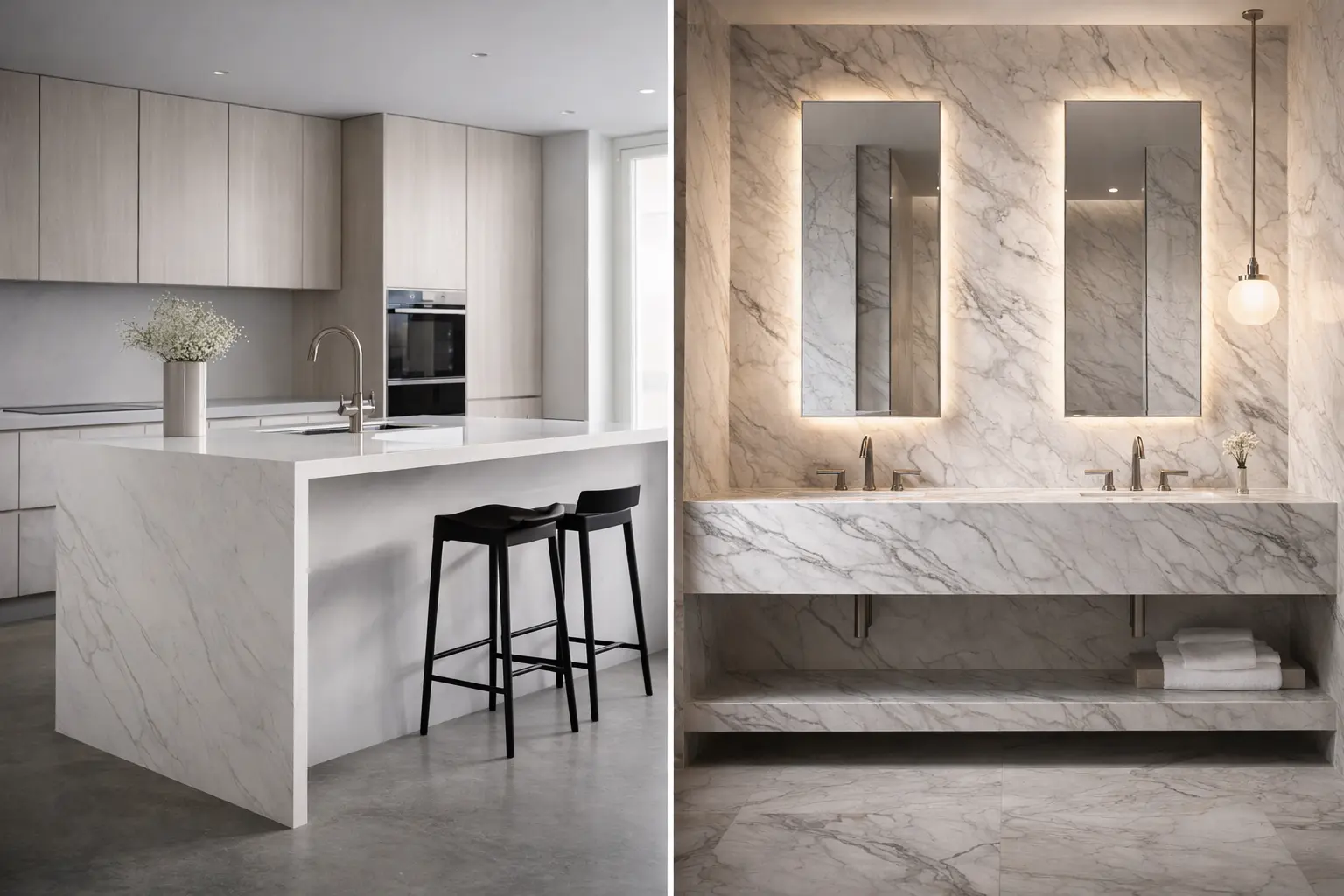
High Aesthetic ROI / Low Abrasion (Vanities, Wall Cladding, Foyers): Specify Artificial Marble. The price-to-beauty ratio is unmatched, and the material’s workability allows for the intricate edge detailing that defines a luxury guest experience.
-
External Façades: Exercise caution with both. Resin-based products can yellow under intense UV exposure unless specifically formulated with UV-stabilizers.
Do not leave your surface selection to chance or settle for generic “one-size-fits-all” marketing. We invite you to explore our latest technical data sheets or consult with our project specialists to find the perfect mineral balance for your next development. Whether you are aiming for a LEED-certified high-rise or a bespoke boutique hotel, our team is ready to provide the scientific grounding and value engineering your project deserves.
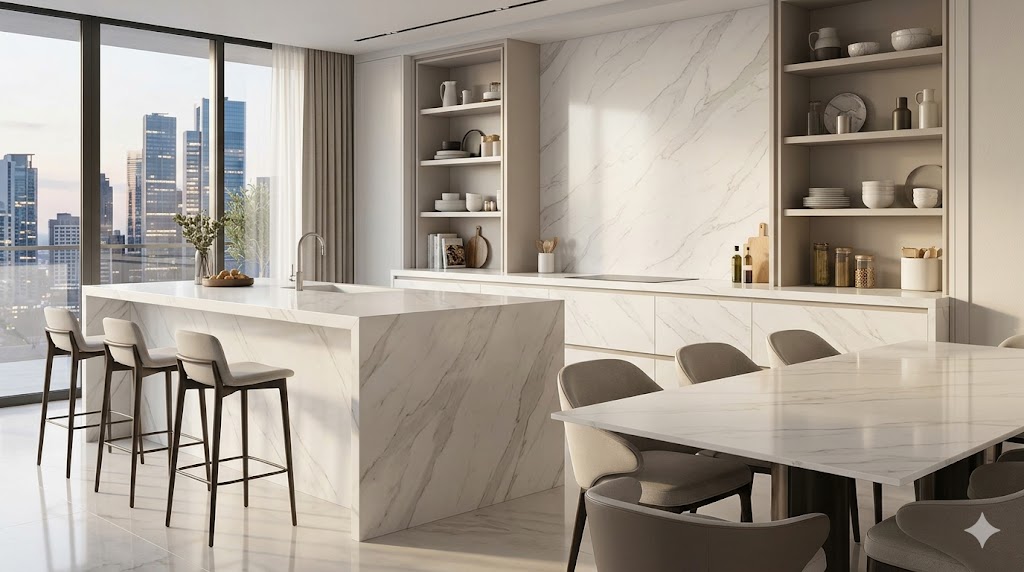
Artificial Marble Slabs for Kitchens
FAQ
1. Can artificial marble be used for kitchen countertops?
While technically possible, it is generally recommended for light-duty residential kitchens rather than heavy commercial ones. Due to its lower Mohs hardness (3-4), it is susceptible to scratching from knives and can be etched by acidic liquids like lemon juice or vinegar. For high-activity culinary zones, quartz is a far more resilient choice as it withstands the rigors of heavy meal preparation without surface degradation.
2. Is quartz more stain-resistant than artificial marble?
Yes. Quartz surfaces have a lower water absorption rate ($<0.05\%$) compared to marble-based engineered stone ($<0.20\%$). This extreme density means that liquids like red wine, coffee, or ink cannot penetrate the surface, making quartz virtually stain-proof without the need for periodic chemical sealing. While artificial marble is still superior to natural marble in this regard, it requires slightly more immediate attention to spills.
3. Is quartz actually “man-made” or natural?
It is an engineered hybrid. While it contains up to 93% natural quartz crystals (silicon dioxide), the remaining 7% consists of polymer resins and pigments. This specific combination is what gives quartz its superior non-porous and high-strength properties compared to natural quartzite, which may still contain micro-fissures or structural inconsistencies that occur during geological formation.
4. How do these materials impact LEED and ESG certification?
Both materials can contribute to LEED points by utilizing up to 94% recycled content (crushed stone scrap) and meeting low-VOC emission standards like Greenguard Gold. Choosing a factory with a closed-loop water recycling system and renewable energy sourcing further enhances the ESG (Environmental, Social, and Governance) score of your project procurement, aligning with 2026 sustainability mandates.
5. Why is there a price difference between quartz and artificial marble?
Quartz crystals are significantly harder than marble dust, making them more difficult to grind and requiring more energy for processing. Additionally, the vibro-compression technology required to create high-density quartz slabs is more capital-intensive. Artificial marble utilizes abundant marble byproducts and a simpler resin-binding process, resulting in a more accessible price point for large-scale developments.
References
-
Crystalline Silica Content in Modern Surfaces, International Health & Safety Report 2026.
-
ASTM C170: Standard Test Method for Compressive Strength of Dimension Stone, American Society for Testing and Materials.
-
Mohs Scale of Mineral Hardness in Industrial Applications, Geological Society of America.
-
Thermodynamic Behavior of Polyester Resin Binders, Journal of Applied Polymer Science.
-
Value Engineering in Hospitality Design: A Multi-Year ROI Study, Construction Economics Review.
-
Low-Silica Transition: Global Regulatory Trends 2025-2030, Building Standards Institute.
-
Porosity and Water Absorption Rates in Engineered Stone, Stone World Technical Archive.
-
LEED v4.1 for Building Design and Construction, U.S. Green Building Council.
Architectural Decision Insight: Artificial Marble vs. Quartz
Strategic Implementation (Environmental Matching): In modern procurement, selecting the right material is an exercise in risk mitigation. For environments exposed to high heat and abrasive force—such as industrial kitchens or bar tops—the $SiO_2$ (Silicon Dioxide) density of Quartz is non-negotiable. Conversely, for low-abrasion luxury zones like hotel vanities and lobby cladding, Artificial Marble provides an unmatched ROI, delivering the fluid aesthetics of premium natural stone at a 30-40% lower material cost.
Quartz surfaces utilize vibro-compression to eliminate internal voids, achieving a Mohs hardness of 7. This makes them virtually immune to staining (absorption <0.05%) and heavy-duty wear, ideal for high-traffic commercial assets.
By utilizing calcium carbonate powder, factories can replicate exotic veining patterns with sub-millimeter precision. It is the preferred option for value engineering where visual luxury and intricate edge profiling are prioritized over surface hardness.
For comprehensive technical data sheets and value engineering consultations, please contact our project specialists.