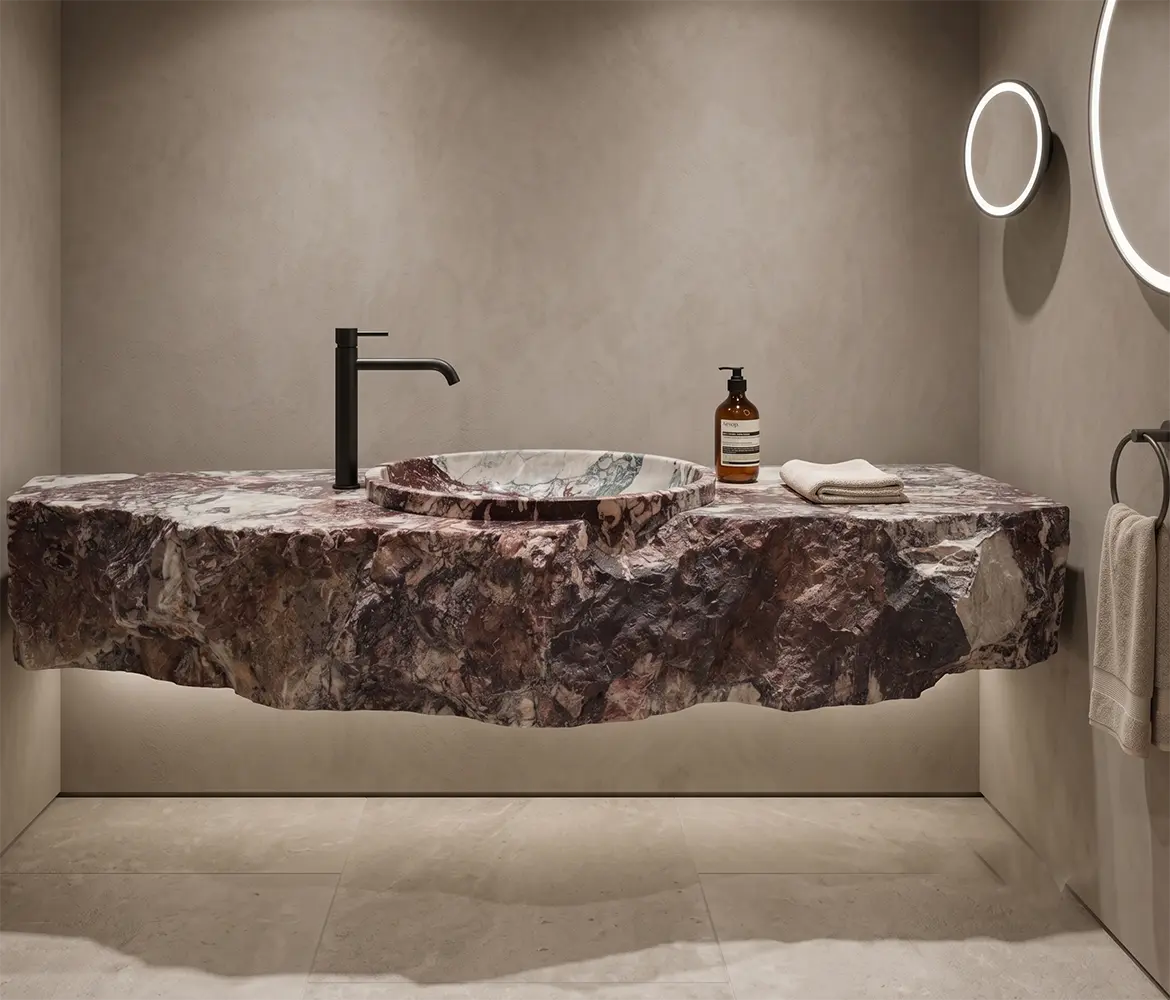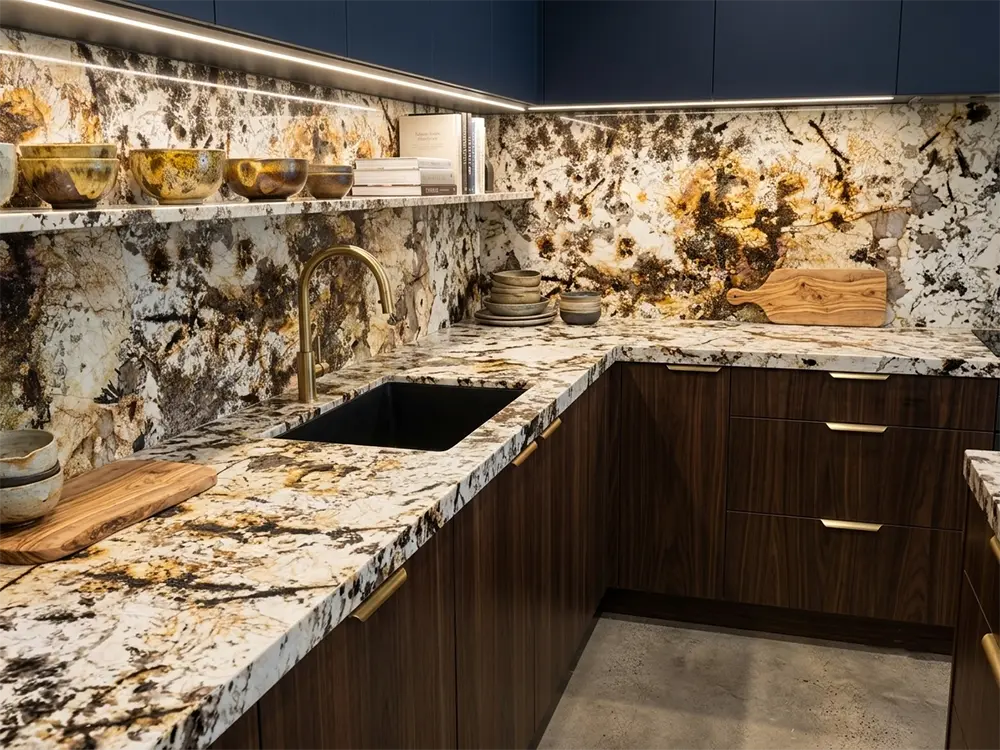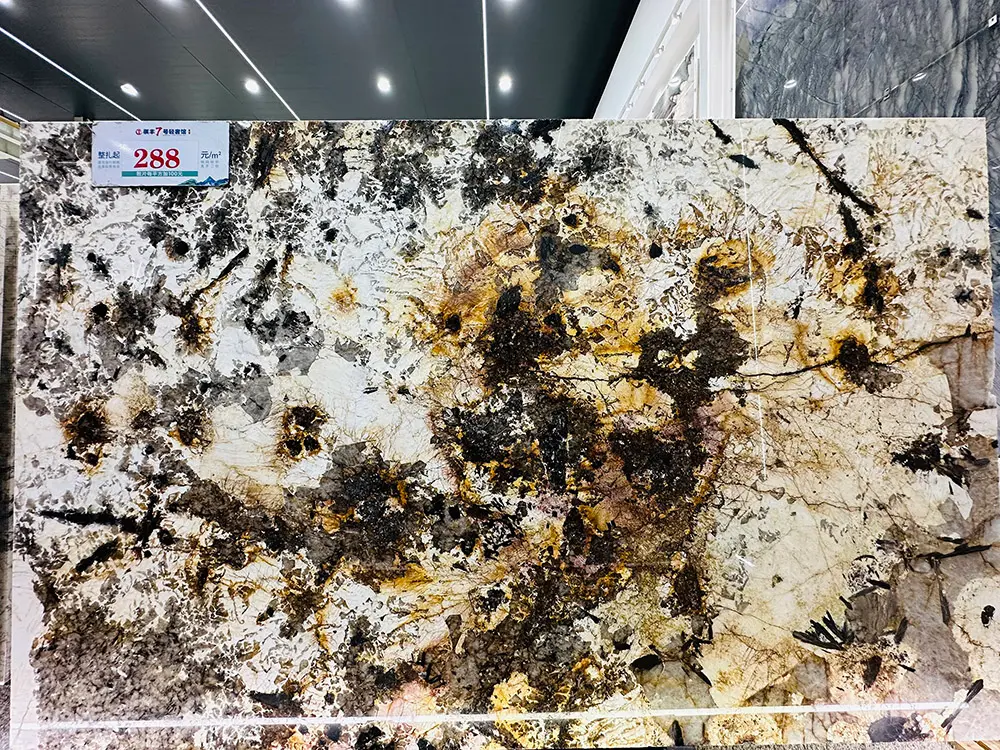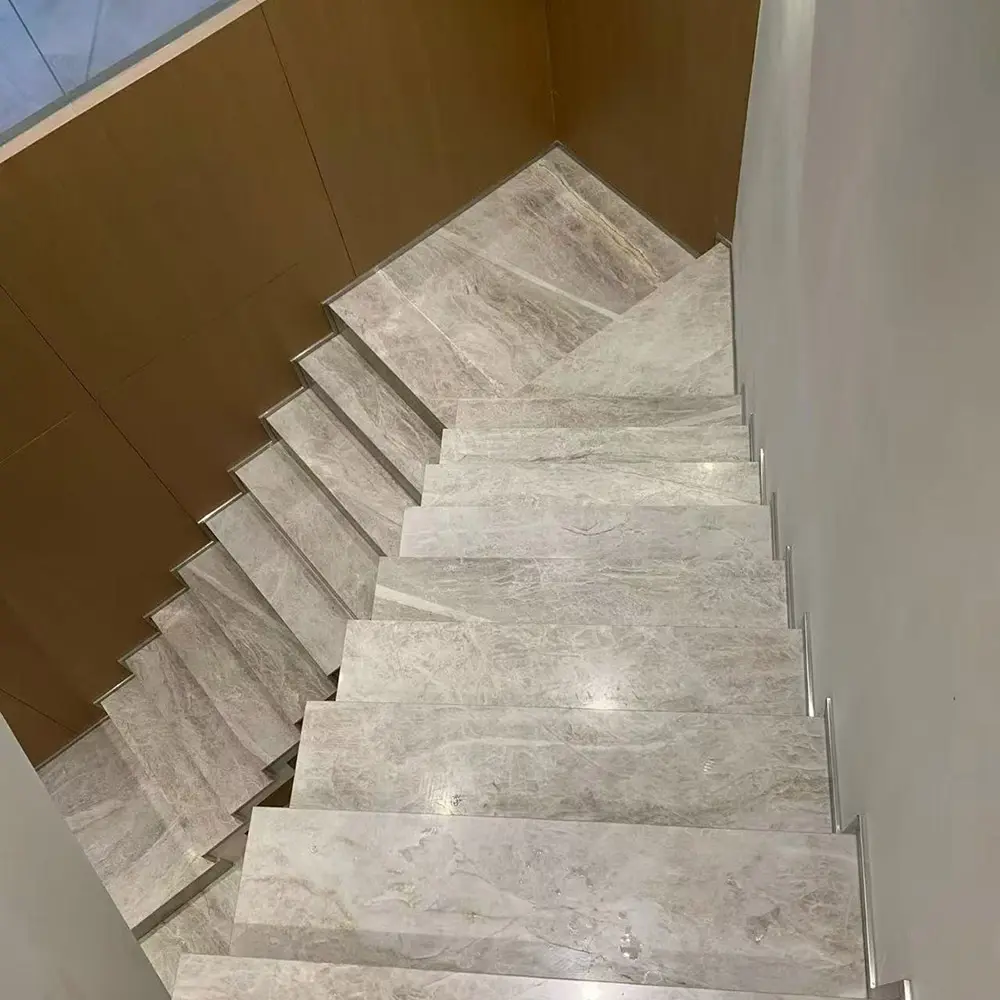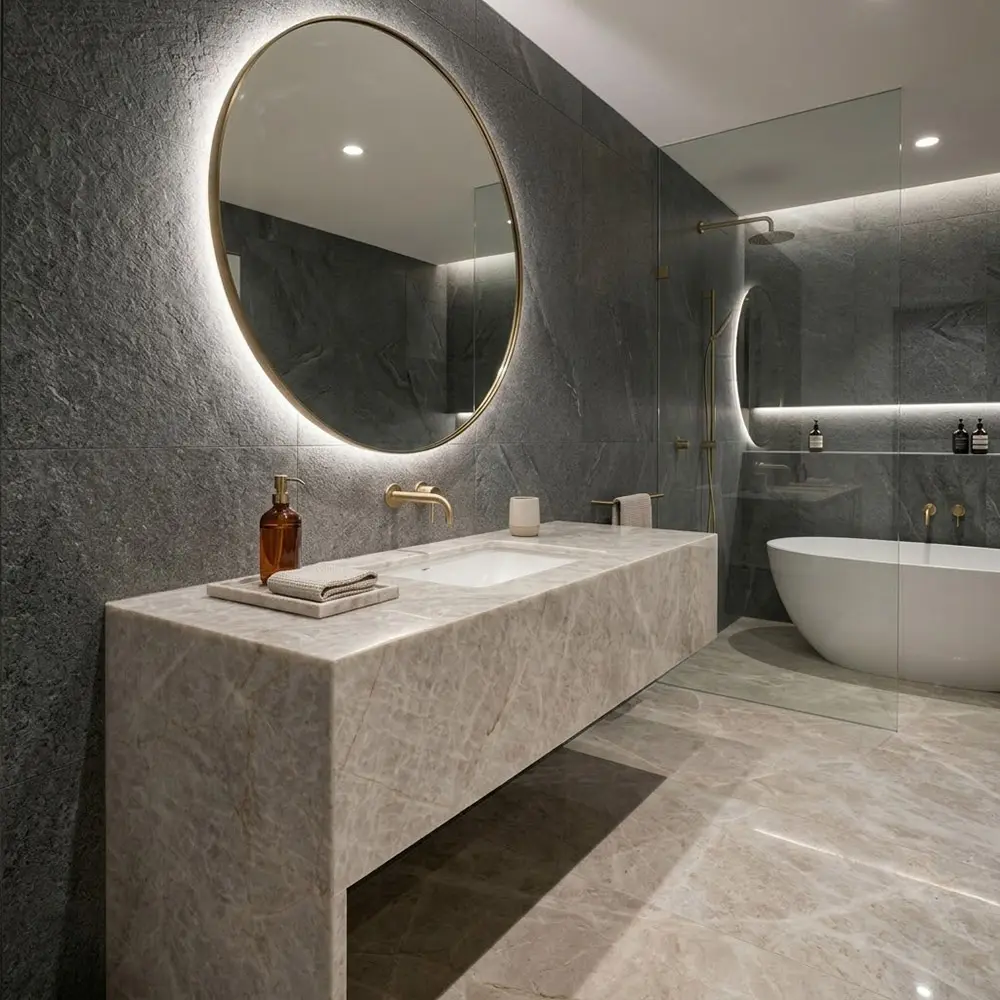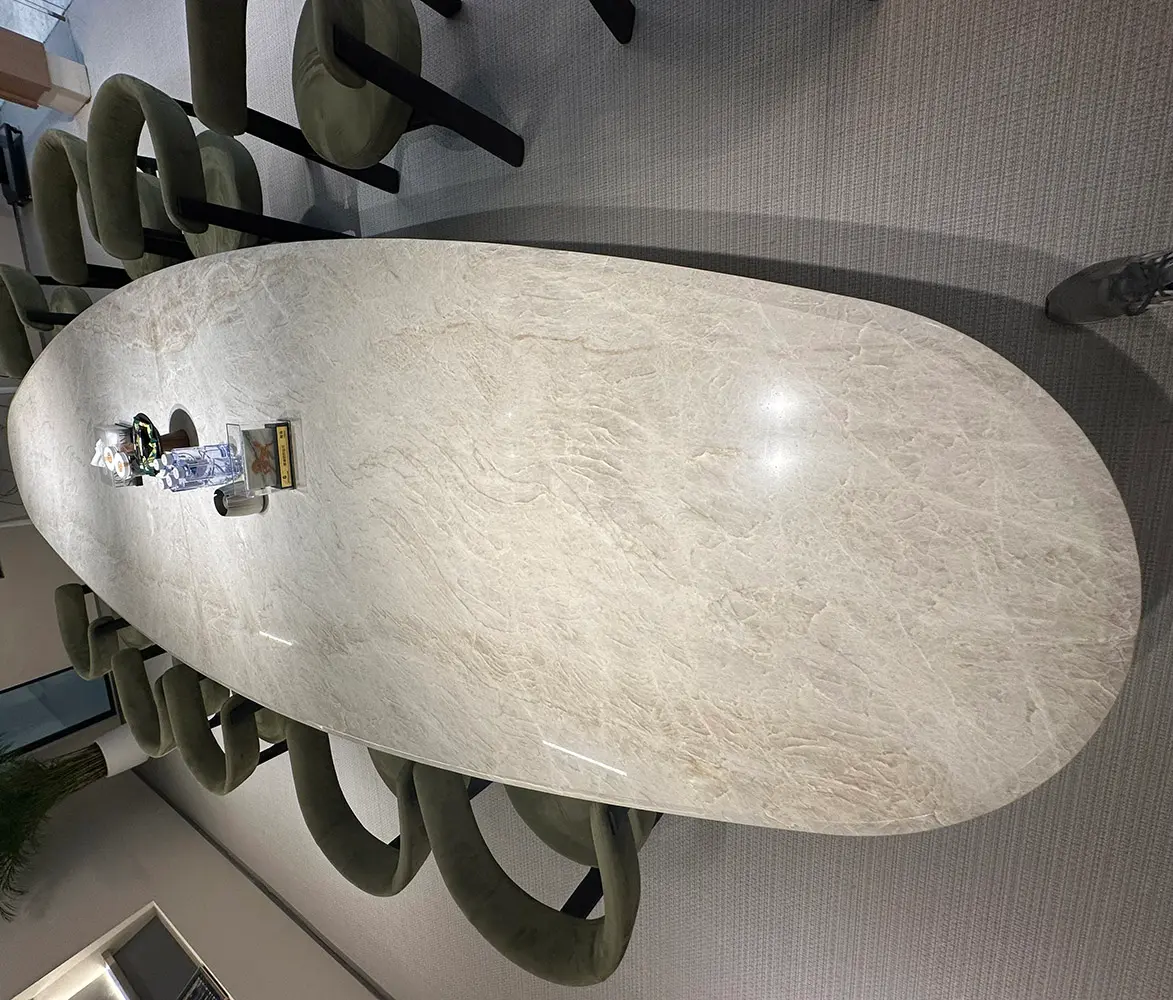






Quick Overview: Reshape Spaces with Engineered Stone
In the competitive landscape of modern commercial architecture, the interior wall is no longer just a structural boundary; it is a canvas that communicates brand identity, luxury, and engineering foresight. For architects and interior designers working on high-traffic environments—such as five-star hotel lobbies, corporate headquarters, and luxury retail flagships—the challenge has shifted. The aesthetic demand for grand, sweeping stone surfaces now collides with the practical constraints of structural load-bearing limits, budget efficiency, and fire safety compliance. This is where the strategic application of a premium Artificial Marble Wall becomes a transformative solution.
The Magic of Continuous Veins
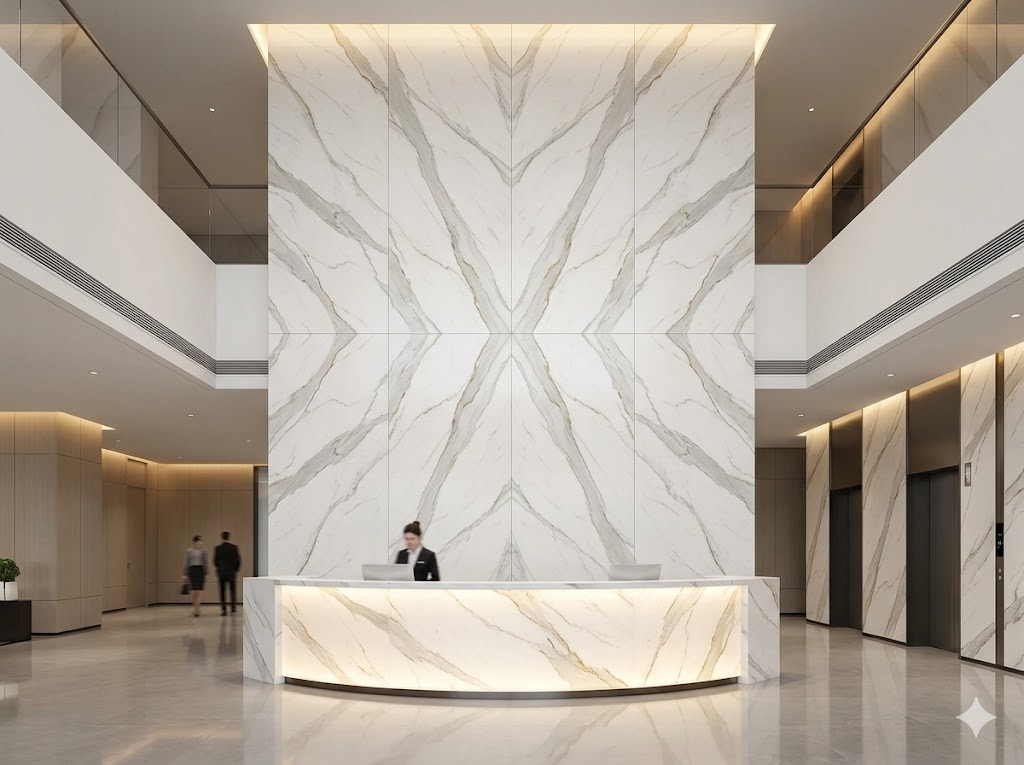
One of the most profound aesthetic advantages of engineered stone over its natural counterpart is the ability to achieve perfect visual continuity. In a grand commercial lobby, the visual impact of a stone surface is often diluted by chaotic, mismatched veining that occurs when using natural slabs sourced from different quarry layers. Engineered stone solves this through advanced digital distribution and CNC-controlled veining technology.
The Science of Book-Matched Engineering
Book-matching is the practice of mirroring two or more stone surfaces so they resemble an open book. While natural marble requires luck and astronomical costs to find two sequential slabs that “match,” a leading artificial marble wall panels manufacturer can produce “Endless Vein” series. By using high-resolution 3D inkjet scanning and synchronized powder-layering systems, manufacturers create slabs where the pattern flows seamlessly from panel to panel across an entire 20-meter wall. This creates a psychological sense of “infinite space,” a hallmark of modern luxury that is particularly effective in high-ceiling environments.
Seamless Visual Expansion in Commercial Lobbies
From a design psychology perspective, horizontal continuous veining stretches the room visually, making narrow reception areas feel expansive. Conversely, vertical veining adds a sense of grandeur and height. Because artificial marble is manufactured in a controlled environment, designers can specify the exact flow of the pattern, ensuring that the final installation looks precisely like the 3D rendering—a level of predictability that reduces project stress for general contractors.
Lightweight Advantages for Large-Scale Wall Cladding
Beyond aesthetics, the “Reshaping” of commercial spaces involves a deep dive into structural physics. High-rise commercial buildings are governed by strict “Dead Load” regulations. Every kilogram of stone added to a non-load-bearing wall must be accounted for in the building’s structural integrity calculations.
Structural Load-Bearing Constraints in Modern Architecture
Natural marble slabs usually require a thickness of 20mm to 30mm to maintain structural stability during the dry-hanging process. This translates to immense weight. When a developer or a custom engineered stone factory evaluates wall cladding options, they often find that traditional stone places too much stress on the curtain wall system or the internal masonry.
Comparative Analysis: Artificial Marble vs. Natural Stone Weight
Artificial marble is typically engineered with a higher concentration of resin binders and vacuum-vibrated to remove all micro-pores. This density allows the material to be sliced thinner (as thin as 12mm or 15mm) while maintaining higher flexural strength than natural marble.
| Material Property | Natural Marble (20mm) | Artificial Marble (15mm) | Porcelain Slab (6mm) |
| Weight per m² | ~54 – 60 kg | ~36 – 40 kg | ~15 – 18 kg |
| Flexural Strength | 10 – 15 MPa | 25 – 35 MPa | 45 – 55 MPa |
| Water Absorption | < 0.5% | < 0.05% | < 0.02% |
| Mohs Hardness | 3.0 | 3.0 – 4.0 | 6.0 – 7.0 |
By using wholesale faux marble sheets that are 25% to 35% lighter than natural stone, architects can reduce the complexity of the dry-hanging hardware, leading to significant savings in both material costs and labor time.
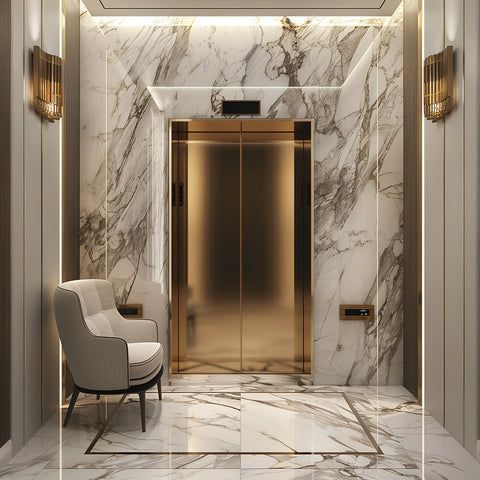
Artificial Marble Wall for Hotels
High-End Hotel Lobby Inspirations
The “Modern Minimalist” aesthetic currently dominating global hospitality design—exemplified by brands like Marriott, Hyatt, and Aman—relies heavily on clean lines and a monochromatic palette. White and gray marble patterns remain the undisputed kings of this trend.
The White and Gray Marble Trend in Modern Minimalism
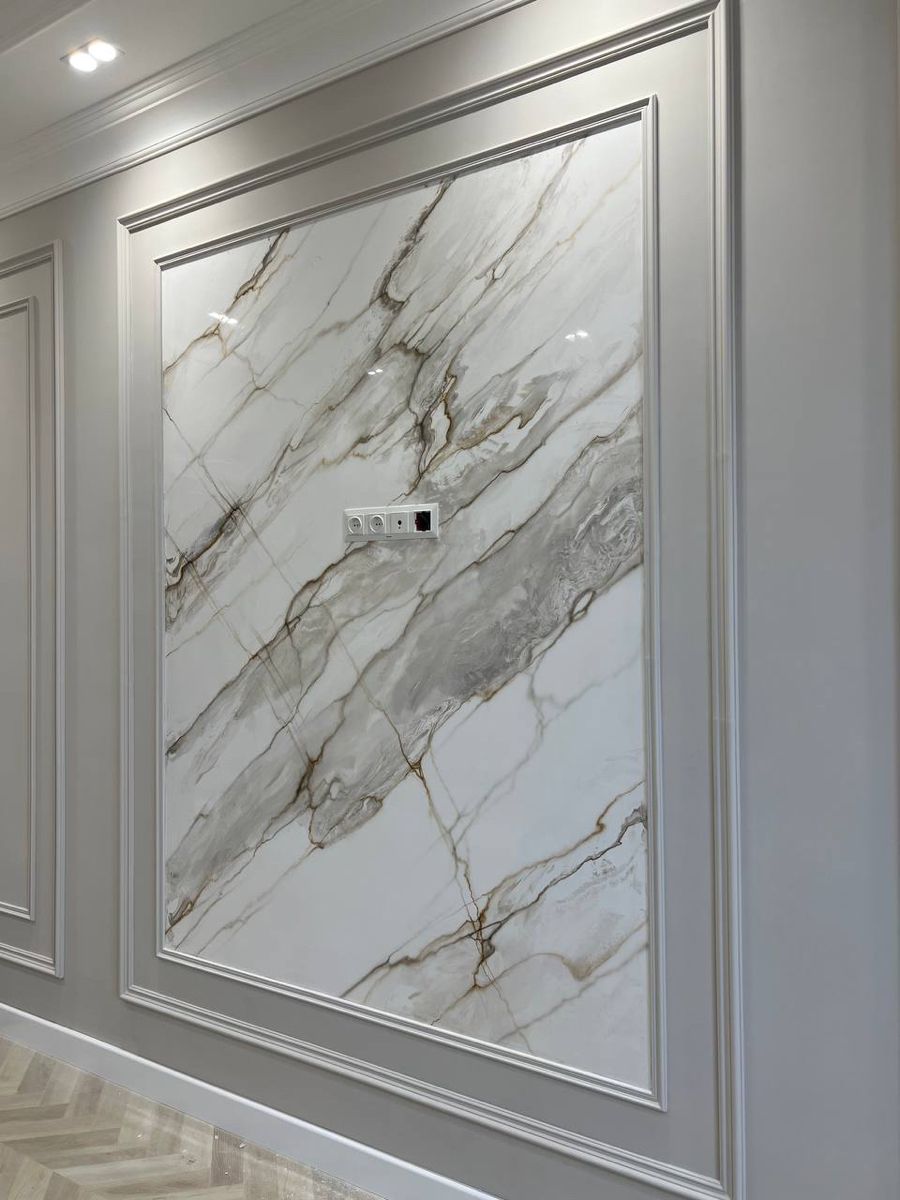
A modern minimalist marble wall design often utilizes Statuario or Calacatta patterns. In an artificial format, these patterns are rendered with a “pure white” base that is often impossible to find in natural stone, which frequently contains yellow iron oxidation or grey “muddy” spots. The controlled manufacturing process ensures that a hotel lobby with 500 square meters of wall space remains color-consistent from the first panel to the last.
Performance in High-Traffic Zones: Artificial Marble vs Quartz
When selecting a wall material, designers often debate between different engineered stones. In the artificial marble vs quartz showdown, artificial marble usually wins for wall applications. While quartz is harder and better for floor or countertop use, artificial marble is more “workable.” It can be easily cut, mitered, and chamfered on-site to create complex 90-degree corner wraps or curved column covers, which are frequent requirements in high-end hotel lobbies.
Innovative Backlit Artificial Marble Effects
One of the most “Instagrammable” trends in commercial design today is the glowing stone wall. By utilizing translucent resins in the manufacturing process, engineered stone can become a light-emitting surface.
The Mechanics of Light Transmittance
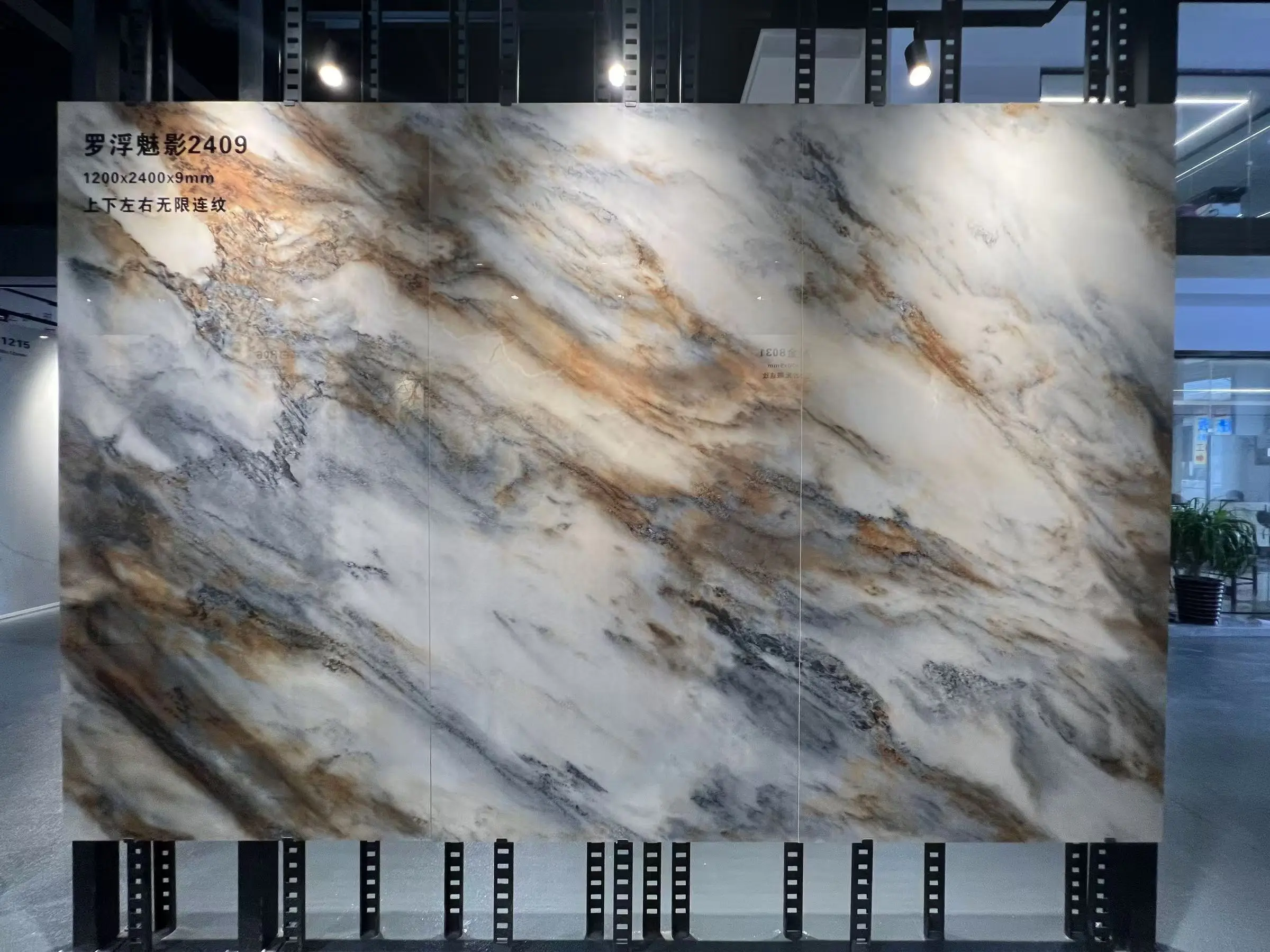
Unlike natural onyx, which is brittle and contains unpredictable “dark spots” that block light, backlit artificial marble offers uniform light diffusion. The panels are typically produced at a 10mm to 12mm thickness. When an LED array is placed behind the slab, the stone transforms into a soft, ambient light source. This is particularly effective for hotel reception desks, feature walls in luxury spas, or high-end bar backdrops.
Artificial Marble
Durability and Maintenance for Contractors
For the facility manager, the beauty of the wall must be matched by ease of maintenance. In a cost and performance analysis for contractors, artificial marble consistently outperforms natural stone in stain resistance. Because the porosity is near zero, the stone does not absorb oils from fingers in elevator halls or spills in lobby cafes, reducing the long-term TCO (Total Cost of Ownership) of the building’s interior.
Compliance, Safety, and Fire Ratings
For a commercial project to receive its “Certificate of Occupancy,” the wall cladding must meet rigorous fire safety standards. Most international building codes (such as the IBC or Eurocode) require a Class A fire rating for materials used in public assembly areas.
Meeting Class A Fire Retardant Standards
Premium artificial marble is formulated with alumina trihydrate (ATH), a natural flame retardant. Under the ASTM E84 test, high-quality engineered marble achieves a “Flame Spread Index” of 0-25, placing it in the safest Class A category. Furthermore, unlike natural stone which can crack or “spall” under extreme heat, engineered stone maintains its structural cohesion longer, providing a safer environment during emergency evacuations.
VOCs and Green Building Certifications
In the modern era of LEED and WELL building certifications, indoor air quality is a high-priority metric. Large-scale sourcing premium engineered marble allows developers to ensure low VOC (Volatile Organic Compound) emissions. Leading Chinese manufacturers now utilize eco-friendly resins that are Greenguard Gold certified, ensuring that the “New Building Smell” isn’t actually a cocktail of harmful chemicals.
Sourcing Strategy: Choosing Your Manufacturing Partner
For a global developer, the decision of “where to source” is as important as “what to source.” Directly partnering with a Chinese manufacturing hub offers the scale and customization that local distributors often lack.
Evaluating Production Capacity and Batch Consistency
When a project requires 5,000 square meters of matching stone, a small quarry cannot guarantee consistency. A large-scale factory using Italian Breton-style or advanced domestic extrusion lines can produce the entire order in a single batch, ensuring perfect color matching. Furthermore, factory-direct sourcing allows for “Project Customization,” where the vein density and background shade can be adjusted to match the specific artistic vision of the lead architect.
Reducing Installation Time and Labor Costs
Finally, a well-engineered stone wall panel is “installer-friendly.” Because artificial marble slabs have precise tolerances (±0.5mm), they fit together perfectly with minimal shimming. This precision reduces the on-site labor time by approximately 30-40% compared to natural stone, which often requires significant on-site grinding and hand-polishing to fix uneven edges.
Artificial Marble
FAQ: Expert Answers on Artificial Marble Walls
1. What is the cost difference between artificial and natural marble walls?
Generally, artificial marble wall panels cost 30% to 50% less than natural marble of a similar grade (like Carrara or Calacatta). However, the real savings come from “yield.” In natural stone, up to 40% of the material is lost due to cracking or veining flaws. With artificial marble, the yield is nearly 100%, and the lower weight significantly reduces shipping and structural reinforcement costs.
2. How do you install large-format artificial marble wall panels?
The primary method for commercial walls is the “Dry-Hanging System.” Stainless steel clips or aluminum tracks are anchored into the wall, and the panels are slotted onto these tracks. This creates a small air gap behind the stone, allowing for moisture drainage and structural movement. For interior feature walls, high-strength structural epoxy adhesives can also be used if the wall substrate is perfectly flat.
3. Does artificial marble yellow over time under indoor lighting?
High-quality artificial marble uses UV-stabilized resins. While all resins can technically be affected by prolonged exposure to direct sunlight, modern interior-grade slabs are designed to resist yellowing for 15-20 years under standard indoor lighting conditions. It is important to verify the “UV Resistance” rating with your manufacturer if the wall is near a large glass curtain wall.
4. Can backlit artificial marble be used in wet areas like hotel bathrooms?
Yes. Unlike natural stone, artificial marble is non-porous and will not develop water rings or mold within the stone matrix. For backlit applications in wet areas, ensure the LED lighting system is IP67 rated (waterproof) and that the joints between the slabs are sealed with high-grade anti-fungal silicone.
5. What is the maximum size available for seamless artificial marble sheets?
While standard slabs are usually 2400mm x 1600mm or 3200mm x 1600mm, some specialized factories can produce custom lengths. However, for wall applications, the size is often limited by the height of the ceiling and the weight that can be safely handled by two installers. Using “Continuous Vein” technology allows for a “seamless look” even if multiple panels are used.
References
-
“The Metamorphosis of Engineered Stone in Commercial Architecture,” Global Design & Build Journal, 2024.
-
“Weight Distribution and Dead Load Management in Modern High-Rises,” International Engineering Standards Board.
-
“Comparative Fire Retardancy Analysis: Natural vs. Synthetic Stone (ASTM E84),” Fire Safety Science Institute.
-
“VOC Emissions and Indoor Air Quality Standards (LEED v4.1),” US Green Building Council.
-
“Material Workability and Corner Detailing in Interior Stone Cladding,” Stone Fabrication Association.
-
“Optical Properties of Translucent Resins for Architectural Backlighting,” Optical Engineering Society.
-
“Supply Chain Consolidation in the Chinese Stone Manufacturing Sector,” International Logistics Review.
-
“The Psychology of Seamless Visual Continuity in Luxury Environments,” Interior Design Research Group.
Deep Synthesis of Engineered Stone Cladding
For high-traffic elevator banks and hotel corridors demanding maximum durability and minimal glare, architects utilize a Matte/Honed Finish. To create dramatic focal points in luxury retail or reception areas, designers specify Backlit Artificial Marble. By utilizing translucent resin matrixes combined with IP67-rated LED arrays, the stone transforms into a uniform, ambient architectural light source devoid of the unpredictable dark mineral spots found in natural onyx.
Procurement directors must prioritize batch consistency and regulatory safety over raw material costs. Bulk sourcing wholesale faux marble sheets from a verified custom engineered stone factory guarantees that 5,000 square meters of wall cladding will match perfectly in color and vein structure. Furthermore, safety engineers must verify that the panels achieve a Class A Fire Retardancy rating (ASTM E84) to comply with commercial building occupancy codes.
📈 2026 Industry Outlook (Trend): The premium architectural cladding sector is rapidly shifting toward ultra-low VOC and sustainable material formulations. Driven by global green building standards like LEED and WELL, the new benchmark requires manufacturers to utilize eco-friendly, Greenguard Gold certified resins. Facilities failing to secure low-emission artificial marble will face immense friction during final indoor air quality (IAQ) inspections in modern corporate and hospitality developments.