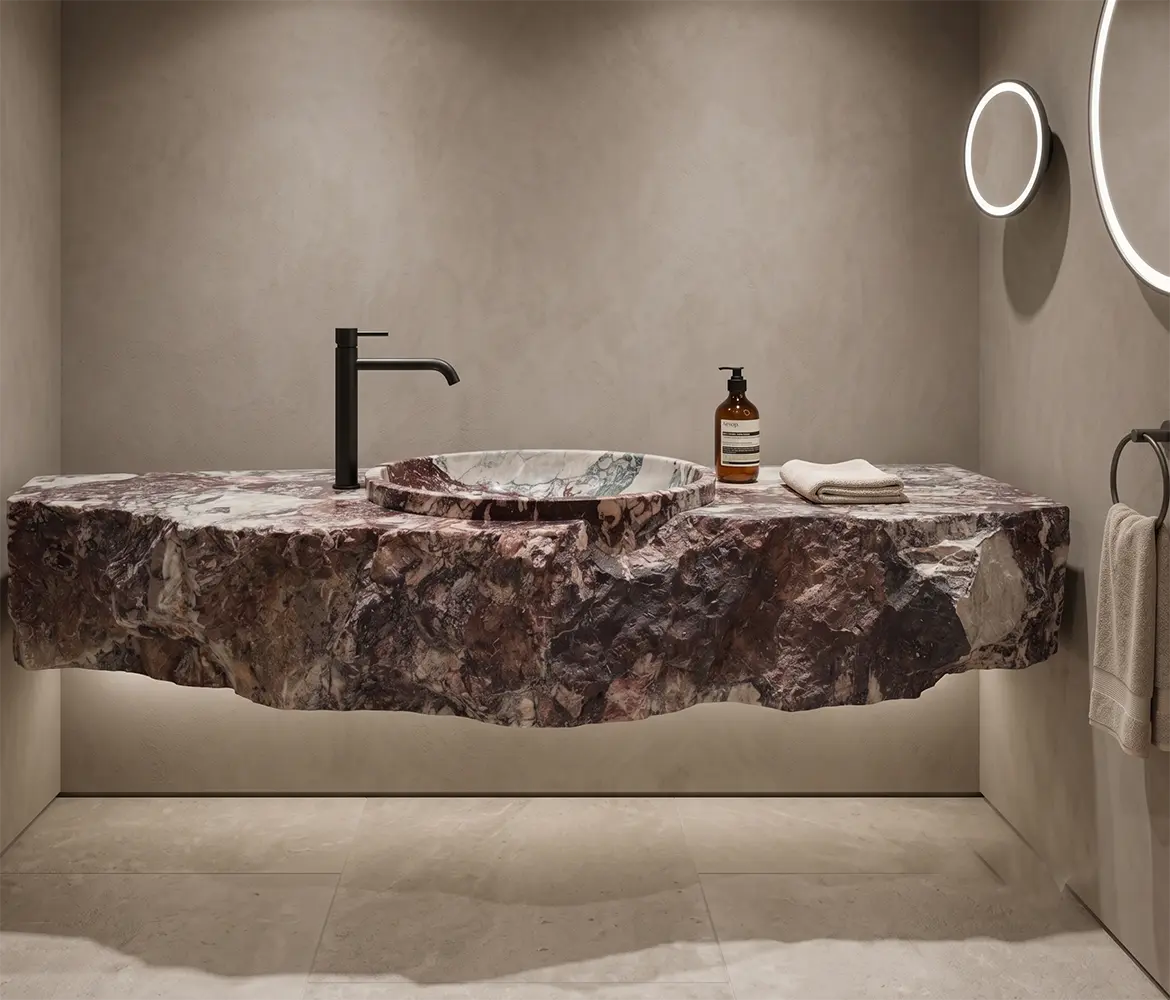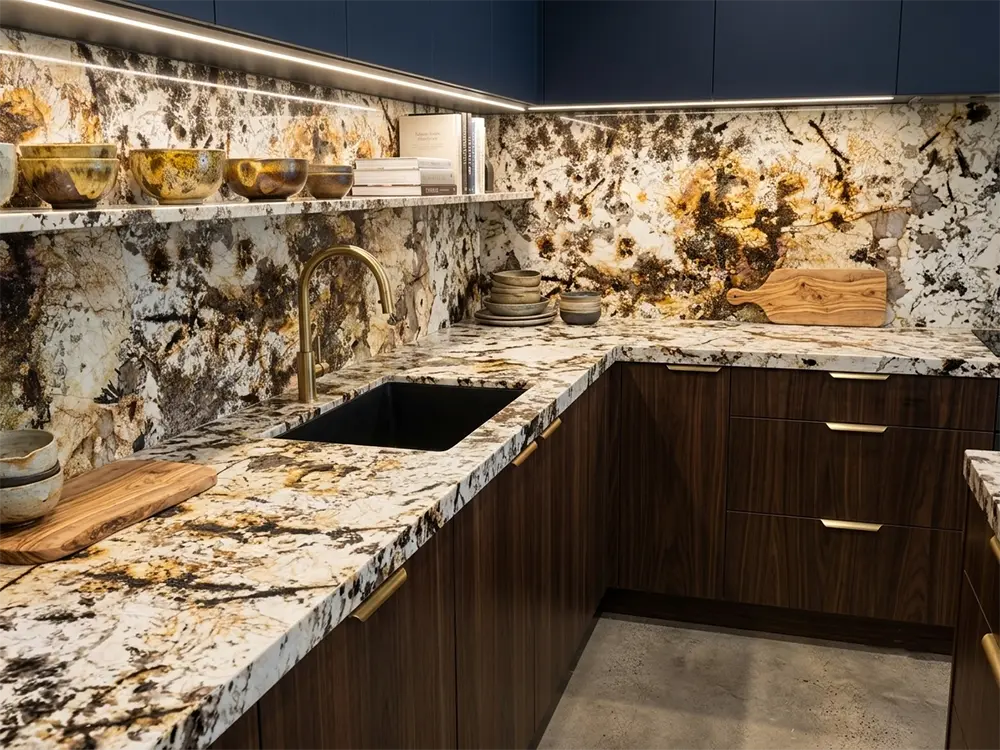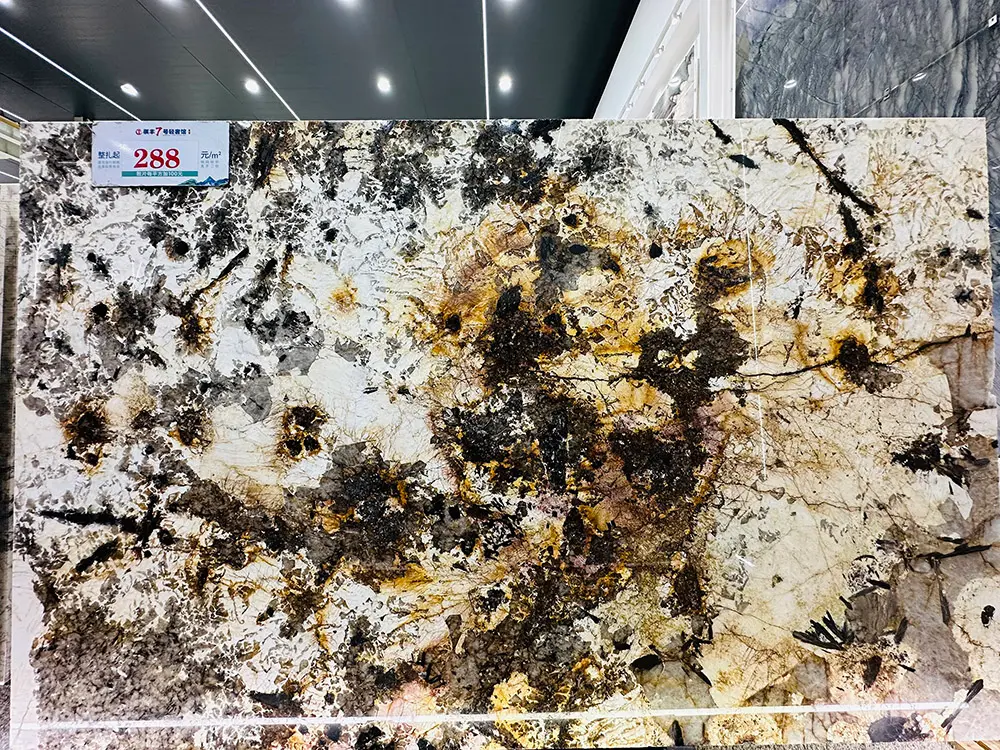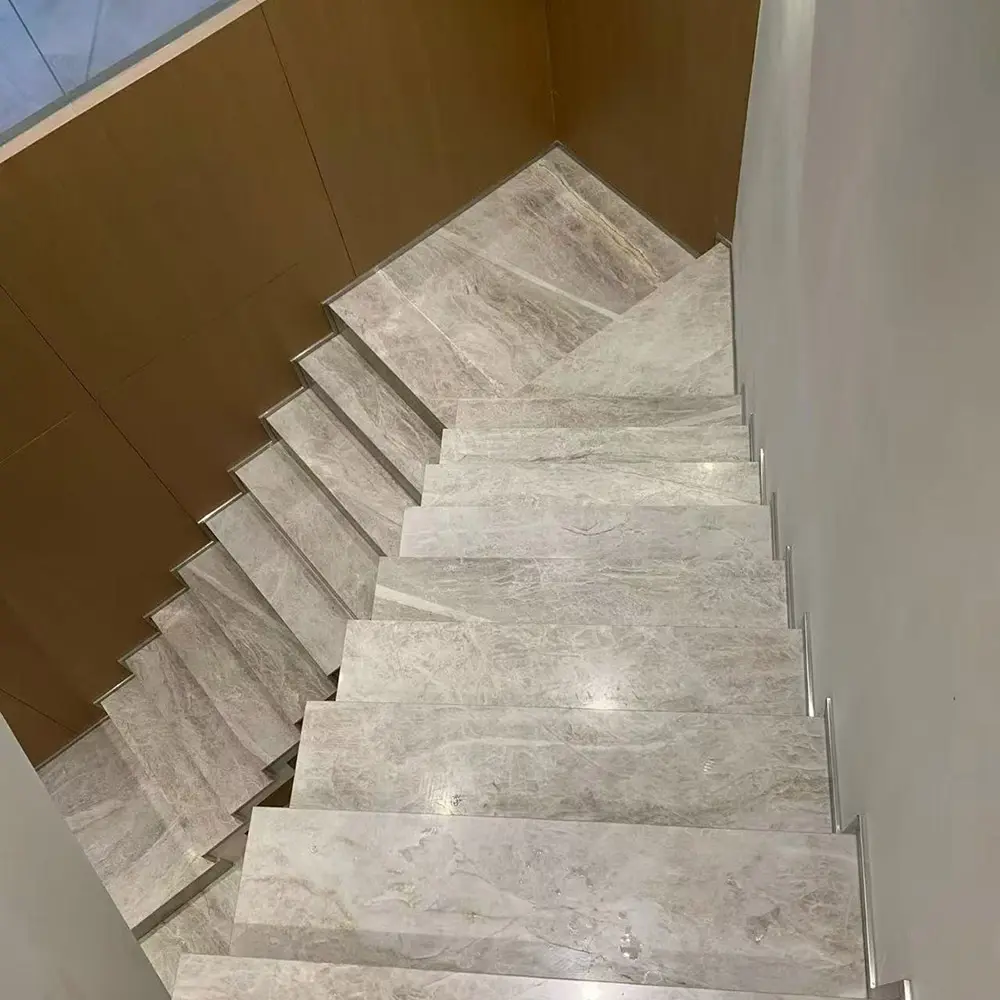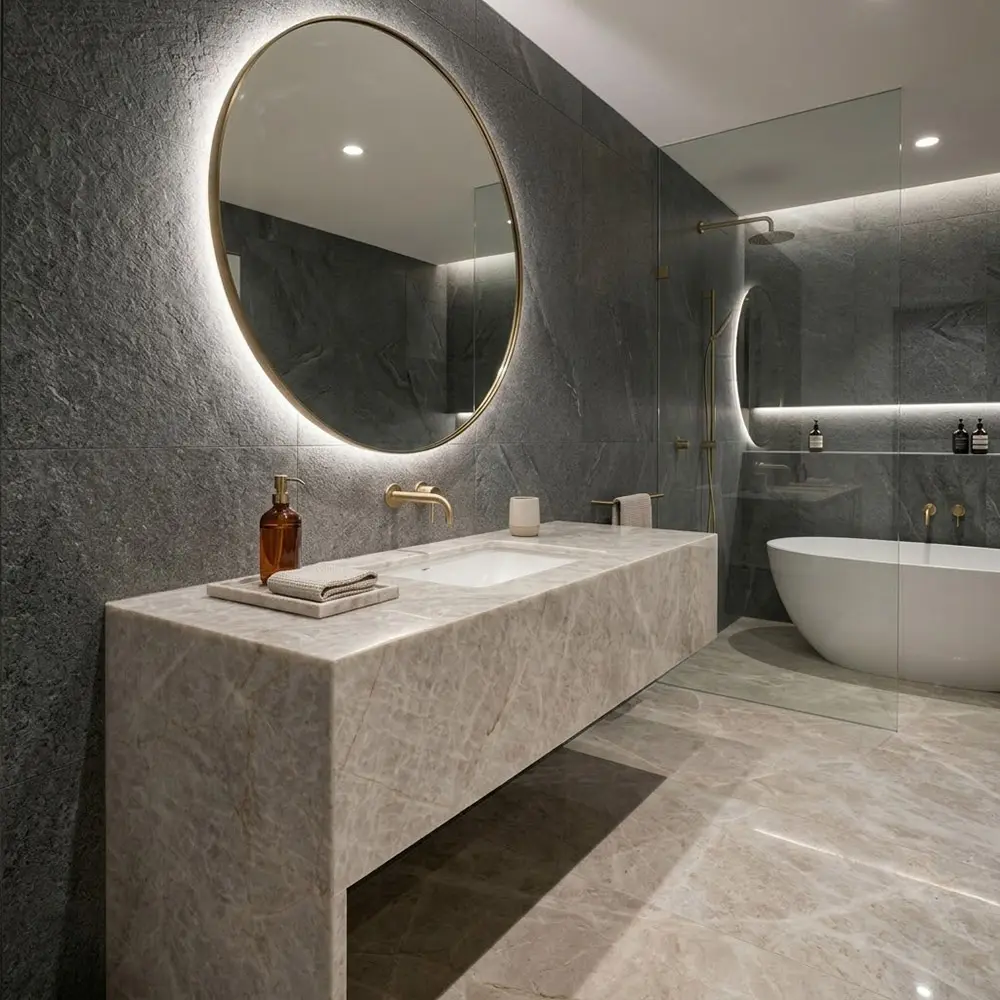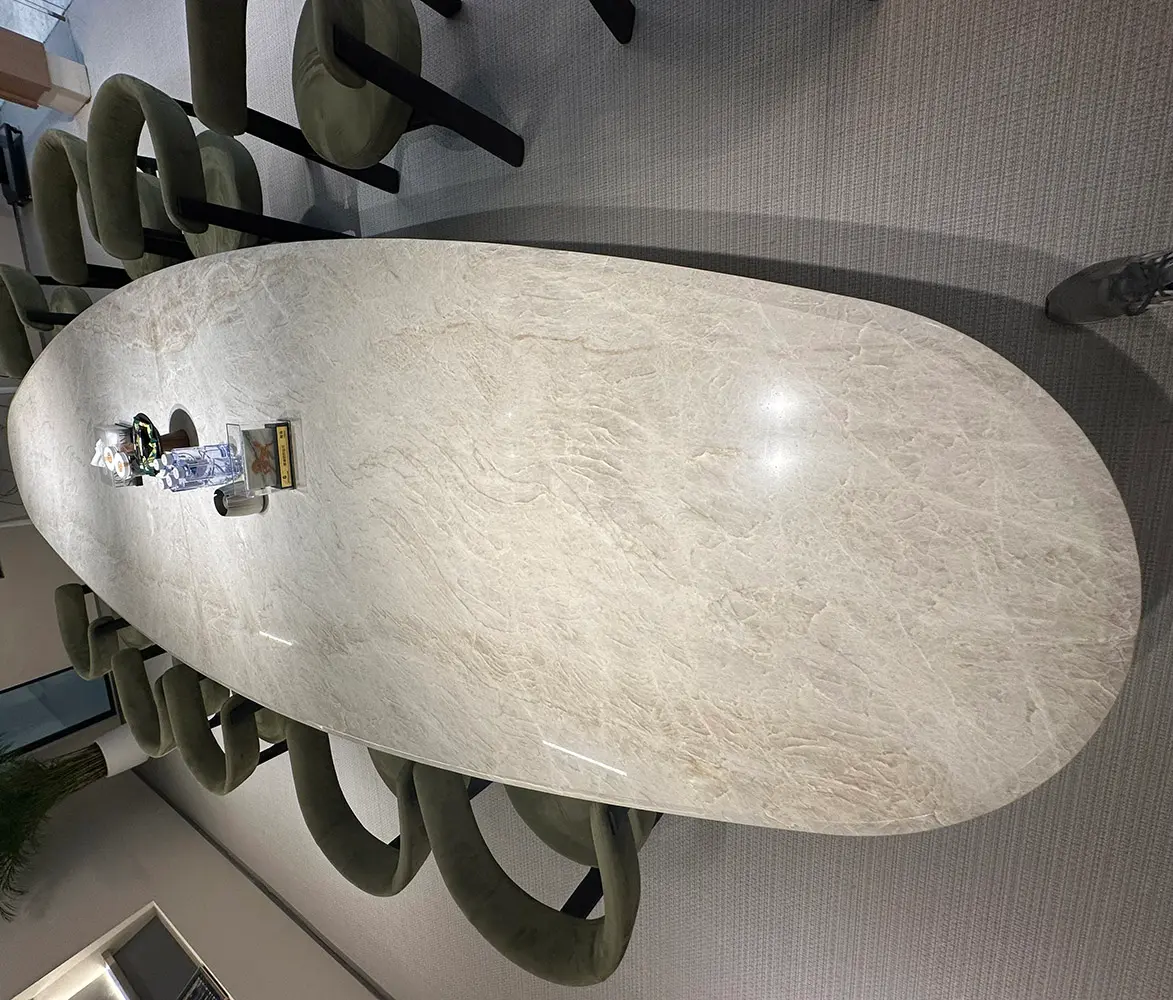






Quick Summary
Marble Tiles remain a premium flooring choice for luxury interiors because they combine natural veining, long-term design value, and architectural elegance. For high-end homes, hotels, villas, and commercial spaces, buyers should compare finish, thickness, slip resistance, installation conditions, and supplier reliability before choosing marble tiles for interior flooring.
Luxury Flooring Begins with the Surface Buyers Walk On
A luxury interior is judged before anyone notices the furniture, lighting, or wall decoration. The floor speaks first. In a hotel lobby, a villa entrance hall, a private club, or a high-end apartment living room, Marble Tiles create an immediate sense of permanence, refinement, and architectural value. They do not simply cover the ground; they define the tone of the entire space.
For buyers, however, marble flooring is not a “choose the prettiest tile and hope for the best” decision. Natural marble is elegant, but it is also a material that requires proper selection, finish matching, substrate preparation, installation control, and realistic maintenance planning. When buyers compare Marble Tiles for flooring projects, they should evaluate not only color and veining, but also thickness, surface finish, slip performance, water absorption, traffic level, packing quality, and batch consistency.
The real value of marble flooring comes from balance. It must look luxurious, perform safely, and support long-term use. A polished white marble floor may look stunning in a dry living room, but the same finish may be risky in a wet bathroom. A large-format grey marble tile may create a seamless modern look, but only if the subfloor is stable and flat. In other words, good marble flooring is never just a design decision. It is a sourcing, installation, and maintenance decision wearing a very beautiful face.
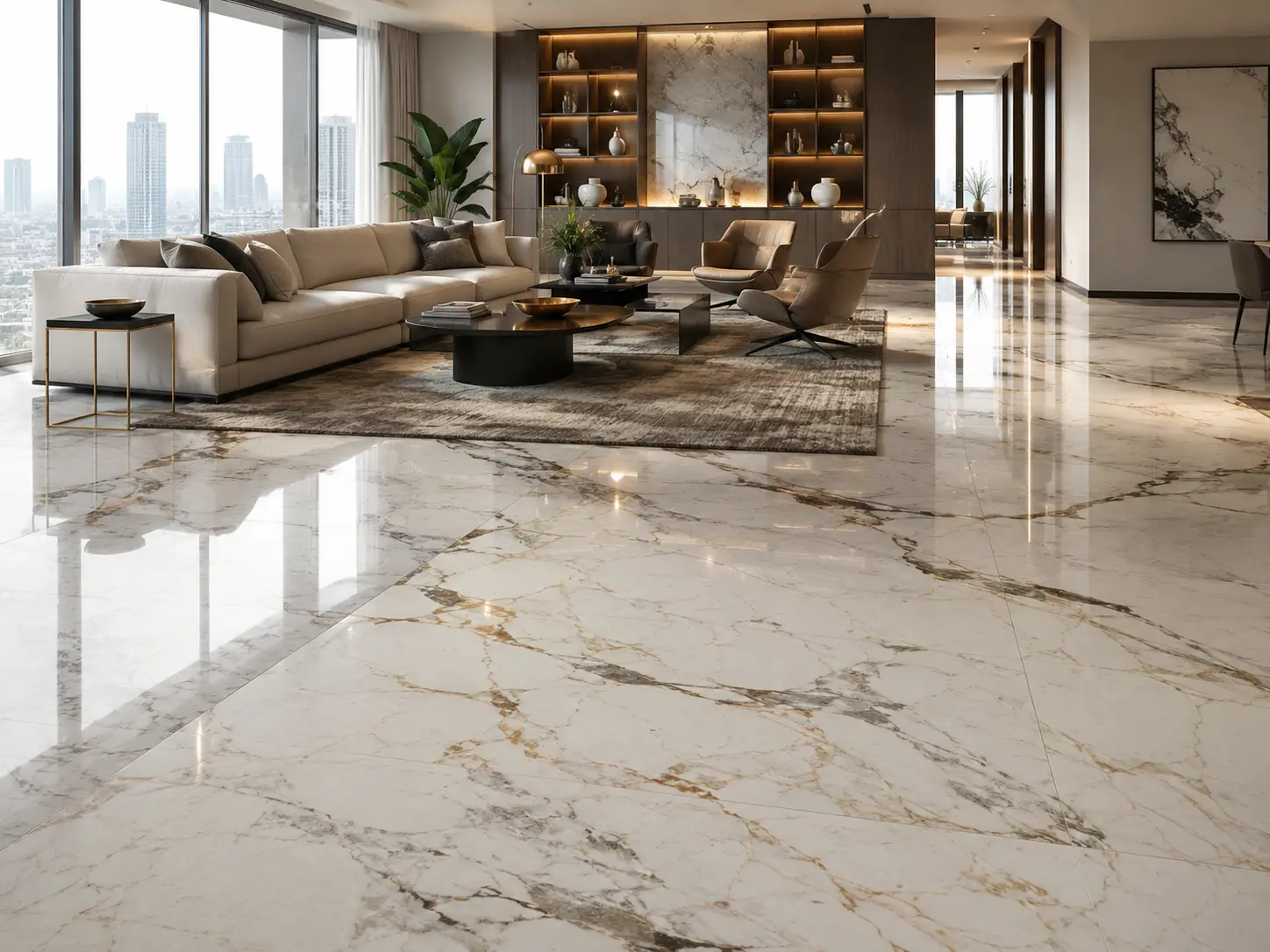
Marble Tiles for High-End Flooring
Why Marble Tiles Remain a Standard for High-End Flooring
Marble has remained a luxury flooring material for centuries because it offers something manufactured surfaces cannot fully repeat: natural variation. Every tile has its own veining, tone, mineral movement, and surface character. This gives high-end interiors a sense of depth that flat, repeated materials often lack. In luxury design, that uniqueness matters.
For homeowners, marble flooring can make a living room feel brighter and more spacious. For hotels, it can create a premium first impression at the reception area. For designers, marble tiles help connect floors with walls, columns, staircases, vanity tops, and decorative surfaces. For contractors and importers, the material offers strong market appeal when sourced and installed correctly.
If a buyer is planning a villa, hotel, apartment, or commercial flooring project and needs help matching size, finish, thickness, and application requirements, speaking with a professional marble tiles supplier early can reduce costly mistakes. Many flooring failures begin before installation: wrong finish, unsuitable tile thickness, inconsistent batch selection, weak packing, or unclear project communication.
The biggest advantage of marble tiles is their ability to create visual authority. White marble feels clean and timeless. Grey marble feels modern and architectural. Beige marble feels warm and hospitable. Black and green marble create dramatic statement zones. Because of this range, marble works across classic, modern, minimalist, hotel-style, and quiet-luxury interiors.
Marble Tiles vs Other Flooring Materials
Marble tiles are often compared with porcelain tiles, granite tiles, travertine, terrazzo, and engineered stone flooring. Each material has strengths. The buyer’s job is not to declare one material “best” in every situation, but to match the material with the room, traffic level, maintenance expectations, and design goal.
Porcelain tiles are usually easier to maintain and more uniform in appearance. They are suitable for buyers who want consistency and lower maintenance. Granite tiles are harder and often better for heavy-use areas, but their visual mood can feel more practical than luxurious. Travertine feels warm and natural, but its pores and rustic texture may not suit every high-end interior. Terrazzo offers design flexibility, but it may not deliver the same natural stone prestige as marble.
A professional natural stone tile manufacturer should help buyers compare these options honestly instead of pushing one material for every project. Marble is ideal when the goal is premium natural beauty, elegant veining, and long-term design value. But if the project needs extremely low maintenance, strong stain resistance, or heavy wet-area performance, the finish and application must be reviewed carefully.
| Flooring Material | Visual Mood | Best Application | Maintenance Level | Main Risk | Buyer Recommendation |
|---|---|---|---|---|---|
| Marble Tiles | Elegant, natural, luxurious | Villas, hotels, living rooms, bathrooms, lobbies | Medium | Etching, staining, slip risk if wrong finish | Best for premium interiors with proper care |
| Porcelain Tiles | Clean, uniform, practical | Bathrooms, kitchens, commercial floors | Low | Less natural uniqueness | Best for low-maintenance projects |
| Granite Tiles | Durable, solid, practical | High-traffic floors, exterior-related zones | Low to medium | Less refined visual softness | Best for durability-focused areas |
| Travertine Tiles | Warm, earthy, classic | Bathrooms, villas, Mediterranean interiors | Medium | Porosity and filling issues | Best for warm natural interiors |
| Terrazzo Flooring | Decorative, modern, customizable | Commercial interiors, modern projects | Medium | Requires skilled installation | Best for patterned design schemes |
| Engineered Stone Tiles | Consistent, controlled, modern | Apartments, commercial surfaces | Low to medium | Less natural variation | Best for uniform project design |
Key Material Parameters Buyers Should Check Before Ordering
Beautiful flooring can fail if technical details are ignored. For marble tiles, buyers should check thickness, size, finish, absorption, strength, abrasion resistance, slip resistance, and batch consistency. These details affect performance, installation, safety, and long-term appearance.
Common marble tile thickness options include 10 mm, 12 mm, 15 mm, 18 mm, and 20 mm. Smaller residential tiles may use thinner formats, while larger or project-based flooring may require stronger specifications. Large-format tiles such as 600 × 600 mm, 600 × 900 mm, 800 × 800 mm, or custom cut-to-size pieces create a more seamless luxury look, but they also require better substrate flatness and more careful handling.
Buyers searching for how to choose the best marble tiles should start with the room function. A dry living room can use polished marble for stronger shine and depth. A bathroom floor may need honed, brushed, or textured finishes for safer walking. A hotel lobby may require abrasion performance, slip review, and a maintenance plan. A private villa may prioritize veining, bookmatching, and visual continuity.
| Parameter | Why It Matters | Buyer Check | Flooring Impact |
|---|---|---|---|
| Water Absorption | Affects staining and moisture sensitivity | Ask for test data when required | Bathrooms, entryways, wet zones |
| Density | Indicates compactness and weight | Compare with installation needs | Transport, cutting, handling |
| Flexural Strength | Shows bending resistance | Important for large-format tiles | Breakage and installation risk |
| Compressive Strength | Measures load-bearing ability | Useful for commercial floors | Durability under traffic |
| Abrasion Resistance | Indicates surface wear behavior | Important for busy areas | Long-term floor appearance |
| Slip Resistance | Affects walking safety | Match finish with wet/dry area | Bathrooms, entries, public spaces |
| Tile Thickness | Affects strength and installation planning | Confirm by tile size and project | Residential vs commercial use |
| Surface Finish | Controls look, safety, and cleaning | Polished, honed, brushed, tumbled | Visual mood and maintenance |
This technical table is not decoration. It is a buyer protection tool. A project that ignores slip resistance, absorption, and substrate conditions can turn a luxury floor into a maintenance complaint. Marble is premium, but premium materials still obey physics. Sadly, physics does not care about mood boards.
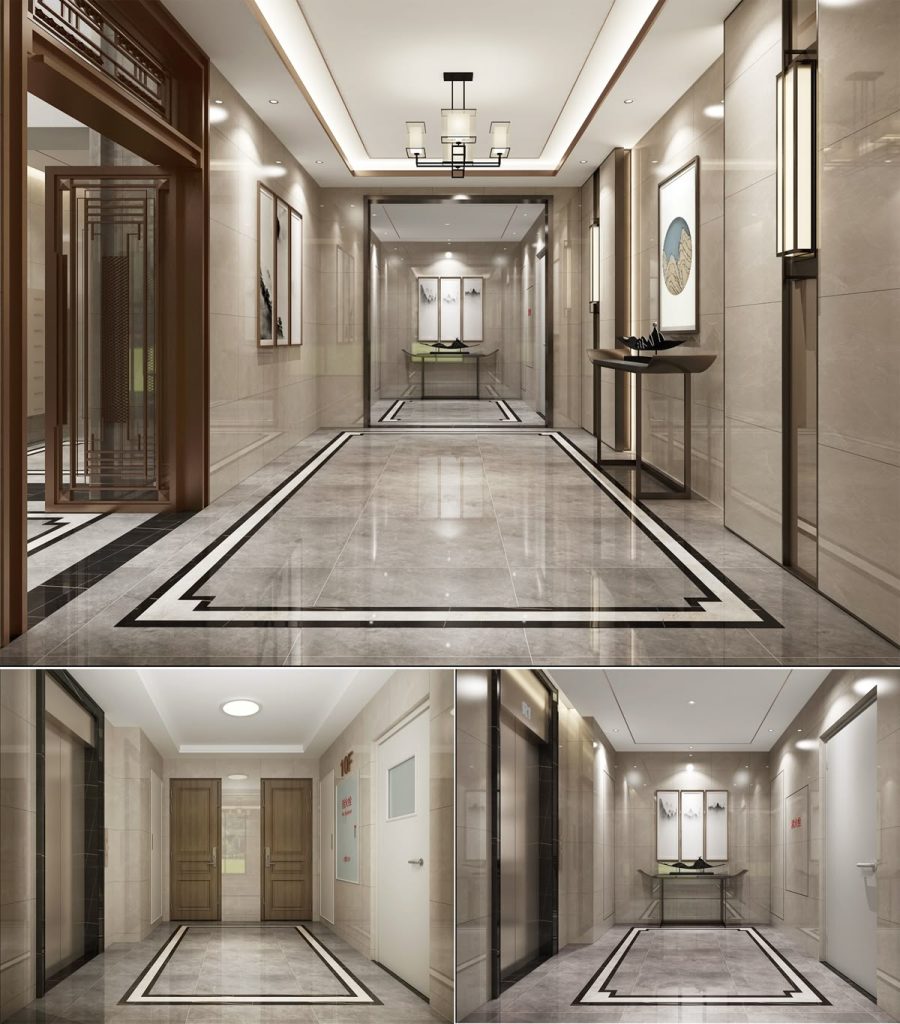
Marble Tiles in Hotel
Best Applications for Marble Tiles in Luxury Interiors
Marble tiles work especially well in high-end spaces where the floor needs to create visual value. Hotel lobbies and reception areas are classic examples. Large-format marble flooring can make the entrance feel more spacious, formal, and expensive. Patterned layouts, border designs, and mixed marble colors can guide movement and create architectural rhythm.
In private villas and luxury homes, marble tiles are often used in entrance halls, living rooms, corridors, bathrooms, dining areas, and stair landings. Light marble can brighten interiors and make rooms feel larger. Grey marble supports modern minimalism. Beige marble creates warmth. Dark marble works well for dramatic accent zones, but it should be used carefully because dust, scratches, and footprints may show more clearly.
For buyers studying marble tiles for premium floors, the key is to match flooring design with actual use. A luxury bathroom needs a different finish than a dry living room. A hotel corridor needs stronger wear planning than a private bedroom. A showroom floor needs both visual impact and cleaning efficiency. When the application is clear, the tile choice becomes much easier.
Installation Requirements Buyers Should Not Ignore
A marble floor is only as strong as the surface beneath it. Subfloor preparation is one of the most important factors in successful marble tile installation. The base should be stable, clean, dry, level, and suitable for natural stone. Uneven substrates can cause lippage, hollow spots, cracking, or poor bonding. Large-format marble tiles require even stricter control because bigger pieces are less forgiving.
Movement joints are also important. Floors expand and contract with temperature, moisture, sunlight, building movement, and underfloor heating. If movement is not allowed, cracking or tenting can occur. High-end flooring should look seamless, but that does not mean the structure should ignore movement. Good installers know how to hide technical requirements within elegant design.
Grout width and tile calibration also matter. Narrow grout joints create a cleaner luxury look, but they require accurate tile sizing and skilled installation. If the tiles are not well calibrated, overly narrow joints can exaggerate alignment problems. Dry layout is especially useful when working with strongly veined marble because it helps control color flow and visual direction.
Cutting and fabrication should be handled by trained professionals using proper dust control and wet cutting where appropriate. Stone processing may involve silica exposure risk, so professional workshops and installation teams should follow safety practices. A luxury floor should not come from careless processing. Beauty and responsibility should arrive in the same crate.
Why Marble Tiles Are Reshaping Modern Interior Design
Modern interiors are moving away from cold minimalism and toward warmer, more tactile luxury. Natural materials are returning because buyers want spaces that feel real, grounded, and emotionally comfortable. Marble tiles support this trend because they combine natural pattern, light reflection, durability, and long-term design value.
In many projects, the floor is becoming more than a background surface. Designers use marble to create zones, borders, contrast, and visual direction. A grey marble floor can make an apartment feel architectural. A beige marble floor can warm a hotel suite. A green or black marble accent can turn an entryway into a statement. This is why Marble Tiles for modern interiors are increasingly discussed not only as flooring materials, but also as design tools.
For B2B buyers, this trend creates opportunity. Distributors can offer curated marble tile collections by color, finish, and application. Contractors can recommend different finishes for wet and dry areas. Designers can build complete interior palettes around marble flooring. Hotels and developers can use marble tiles to improve perceived property value. But opportunity only works when sourcing is controlled. Inconsistent batches, weak packing, poor finish selection, and unrealistic maintenance promises can damage buyer trust quickly.
Common Mistakes Buyers Make When Choosing Marble Tiles
The first mistake is choosing marble tiles only from photos. Photos can hide color variation, surface defects, thickness differences, and real pattern movement. Buyers should request samples, batch photos, videos, or inspection images before confirming larger orders.
The second mistake is using polished marble in wet areas without safety planning. Polished marble looks luxurious, but it may be slippery when wet. Bathrooms, entryways, spa areas, and commercial floors often require honed, brushed, or textured finishes.
The third mistake is treating marble like porcelain. Marble is natural and more sensitive to acids, staining, and etching. It usually needs sealing, pH-neutral cleaning, and realistic maintenance expectations.
The fourth mistake is ignoring installation quality. Even excellent marble tiles can crack or look uneven if installed over a weak substrate. Subfloor preparation, adhesive choice, movement joints, grout planning, and skilled labor all matter.
The fifth mistake is buying from a supplier without project support. A serious supplier should understand tile sizing, finish matching, packing, documentation, and communication. If the supplier only says “yes, yes, no problem” to every request, that may actually be the problem.
Design Combinations That Make Marble Flooring Work Better
Marble tiles become more powerful when paired with the right surrounding materials. White marble works beautifully with brass, walnut, cream walls, and soft lighting. Grey marble pairs well with black metal, glass, concrete textures, and modern furniture. Beige marble works with wood, warm fabrics, bronze details, and hospitality interiors. Green or black marble should usually be used as an accent or feature zone unless the room is large enough to handle stronger color.
A practical guide to how marble tiles enhance interior spaces should always include lighting. Warm lighting can soften marble and enhance veining. Cool lighting can make certain stones look harder or colder. Natural daylight can reveal the true variation of the tile, while artificial lighting can change how the floor looks at night.
For high-end flooring, buyers should also consider furniture weight, traffic direction, rug placement, and cleaning habits. Marble floors near entrances need mats and regular cleaning. Dining areas need spill control. Bathrooms need ventilation. Commercial interiors need maintenance schedules. Design is important, but daily use is where flooring proves itself.
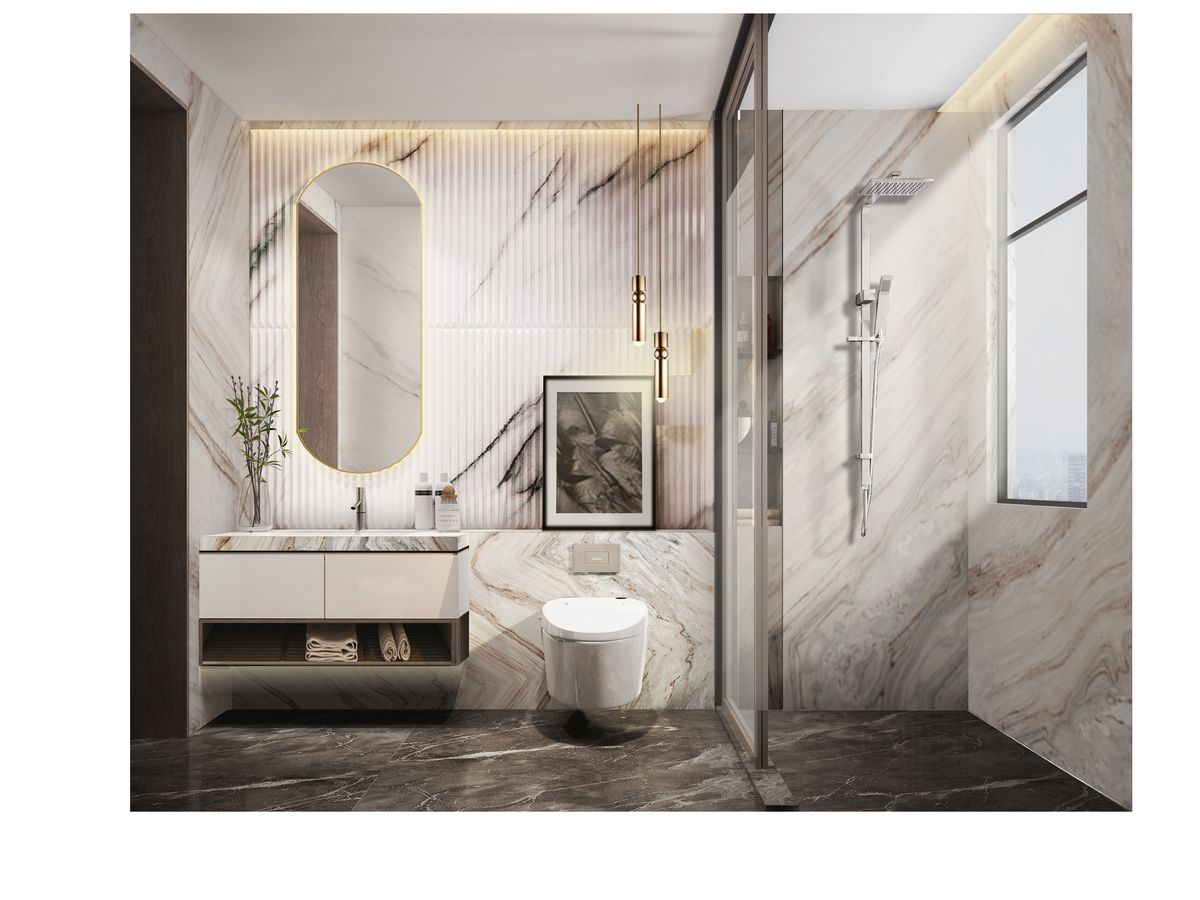
Bathroom marble flooring
Final Buyer Recommendation: When Marble Tiles Are the Right Choice
Marble tiles are the right choice when the project needs natural luxury, visual authority, and long-term interior value. They are especially suitable for villas, hotels, apartments, lobbies, bathrooms, corridors, showrooms, private clubs, and premium residential interiors. They are not the best choice for buyers who expect zero maintenance, perfect uniformity, or careless installation.
Choose polished marble tiles for dry, elegant, low-slip-risk areas where shine and depth matter. Choose honed marble tiles for softer modern interiors and areas where glare should be reduced. Choose brushed or textured finishes for spaces where walking safety is more important. Choose larger formats for seamless luxury, but only when the installation conditions support them.
Before placing an order, buyers should confirm tile size, thickness, finish, batch consistency, technical data, packing method, installation requirements, and maintenance expectations. A good marble floor is not created by stone alone. It is created by the right stone, the right supplier, the right installer, and the right use case.
For high-end flooring, Marble Tiles remain one of the most powerful natural materials available. Used correctly, they turn ordinary interiors into architectural spaces. Used carelessly, they become expensive lessons. Choose with eyes open, not just eyes impressed.
FAQ
1. Are marble tiles good for flooring?
Yes, marble tiles are good for flooring when they are selected and installed correctly. They are especially suitable for luxury homes, villas, hotel lobbies, bathrooms, corridors, living rooms, and premium commercial interiors. Buyers should choose the right finish, thickness, tile size, and installation method based on traffic level, moisture exposure, and maintenance expectations. Marble flooring offers natural beauty and long-term design value, but it requires proper sealing, cleaning, and installation care.
2. Are marble tiles slippery when used on floors?
Marble tiles can be slippery, especially when the surface is polished and wet. This does not mean marble cannot be used for flooring, but buyers must match the finish with the application. Polished marble is better for dry interior areas where shine is important, while honed, brushed, tumbled, or textured finishes are often more suitable for bathrooms, entryways, and commercial spaces. Slip performance should always be reviewed for wet or public areas.
3. What thickness is best for marble floor tiles?
Common marble floor tile thickness options include 10 mm, 12 mm, 15 mm, 18 mm, and 20 mm, depending on tile size, project type, and installation requirements. Smaller residential tiles may use thinner formats, while large-format or commercial flooring may require stronger thickness and better substrate preparation. Buyers should not choose thickness by price alone, because tile strength, handling, installation base, and long-term flooring stability all matter.
4. Are marble tiles better than porcelain tiles?
Marble tiles and porcelain tiles serve different buyer needs. Marble tiles offer natural veining, luxury appeal, and unique visual character, making them ideal for high-end interiors. Porcelain tiles are usually more uniform, easier to maintain, and more resistant to certain stains or chemicals. If the project needs natural beauty and premium identity, marble is often better. If the project needs lower maintenance and strict uniformity, porcelain may be more practical.
5. How do I choose a reliable marble tiles supplier?
A reliable marble tiles supplier should provide material options, tile sizes, thickness choices, finish quality, batch consistency, sample support, packing photos, technical information, and project communication. Buyers should ask about water absorption, surface finish, calibration, lead time, export packing, and inspection before confirming orders. For hotel, villa, and commercial flooring projects, supplier reliability is as important as the marble itself because poor batch control or weak packing can create serious project delays.
References
- Dimension Stone Design Manual, Natural Stone Institute, Technical Design Guide
- ASTM Standards for Natural Stone Testing, Natural Stone Institute, Material Testing Resource
- ANSI A326.3 Dynamic Coefficient of Friction Guide, Tile Council of North America, Flooring Safety Resource
- Handbook for Ceramic, Glass, and Stone Tile Installation, Tile Council of North America, Installation Guide
- Slip Resistance Testing for Hard Surface Flooring, Daltile, Industry Standards Resource
- Worker Exposure to Respirable Crystalline Silica, Occupational Safety and Health Administration, Safety Publication
- Interior Design Trends Report, American Society of Interior Designers, Design Research Resource
- Natural Stone Sustainability Standard, Natural Stone Council, Sustainability Resource
Marble Tiles Flooring Decision Guide for High-End Interiors
What makes Marble Tiles valuable for luxury flooring?
Marble Tiles create high-end flooring value through natural veining, premium reflectivity, architectural depth, and long-term design appeal. They are especially suitable for villas, hotels, living rooms, bathrooms, lobbies, corridors, and luxury commercial interiors where the floor needs to support the visual identity of the whole space.
Why should buyers compare finish, thickness, and slip performance?
The same marble tile can perform differently depending on its finish, thickness, size, and installation area. Polished marble offers stronger shine but may be risky in wet areas, while honed or brushed finishes can improve walking comfort. Thickness, flexural strength, and substrate quality also affect breakage risk and long-term flooring stability.
How should Marble Tiles be used in different interior spaces?
For hotel lobbies and villa entrances, large-format marble tiles can create a strong first impression. For bathrooms and spa spaces, honed or textured finishes are usually safer than polished surfaces. For living rooms and corridors, buyers should match marble color, veining, grout width, and lighting to the overall interior style.
Option logic: When should buyers choose marble instead of porcelain or granite?
Choose Marble Tiles when natural luxury, unique veining, and premium interior value matter most. Choose porcelain if the project needs lower maintenance and more uniform appearance. Choose granite if heavy traffic and surface hardness are the top priorities. For luxury interiors, marble remains the strongest choice when beauty, atmosphere, and natural character are central to the design.
Consideration: What risks should buyers avoid before ordering?
Common risks include choosing from photos only, using polished marble in wet areas without slip review, ignoring subfloor preparation, treating marble like porcelain, and buying from suppliers without batch control or project support. Buyers should confirm samples, finish, thickness, technical data, packing, and installation requirements before bulk orders.
Final recommendation for project buyers
For high-end flooring, Marble Tiles are best used when the buyer wants natural elegance and is willing to plan installation and maintenance properly. The safest strategy is to match the marble type, finish, and size with the actual room function, then work with a supplier who can provide consistent batches, reliable packing, and clear project communication.