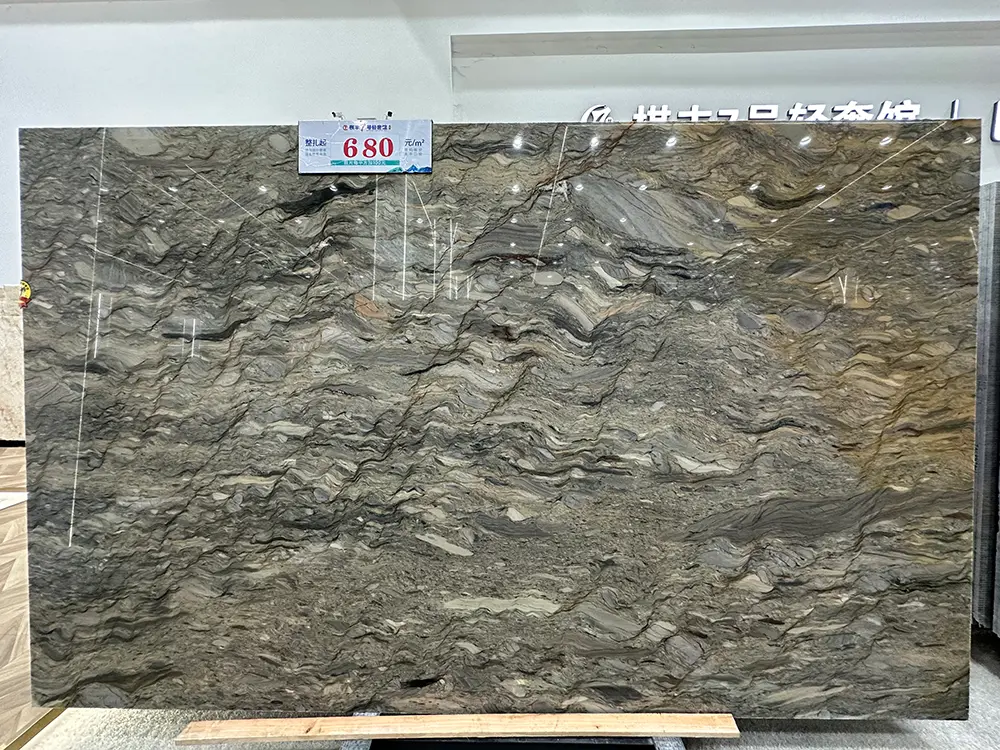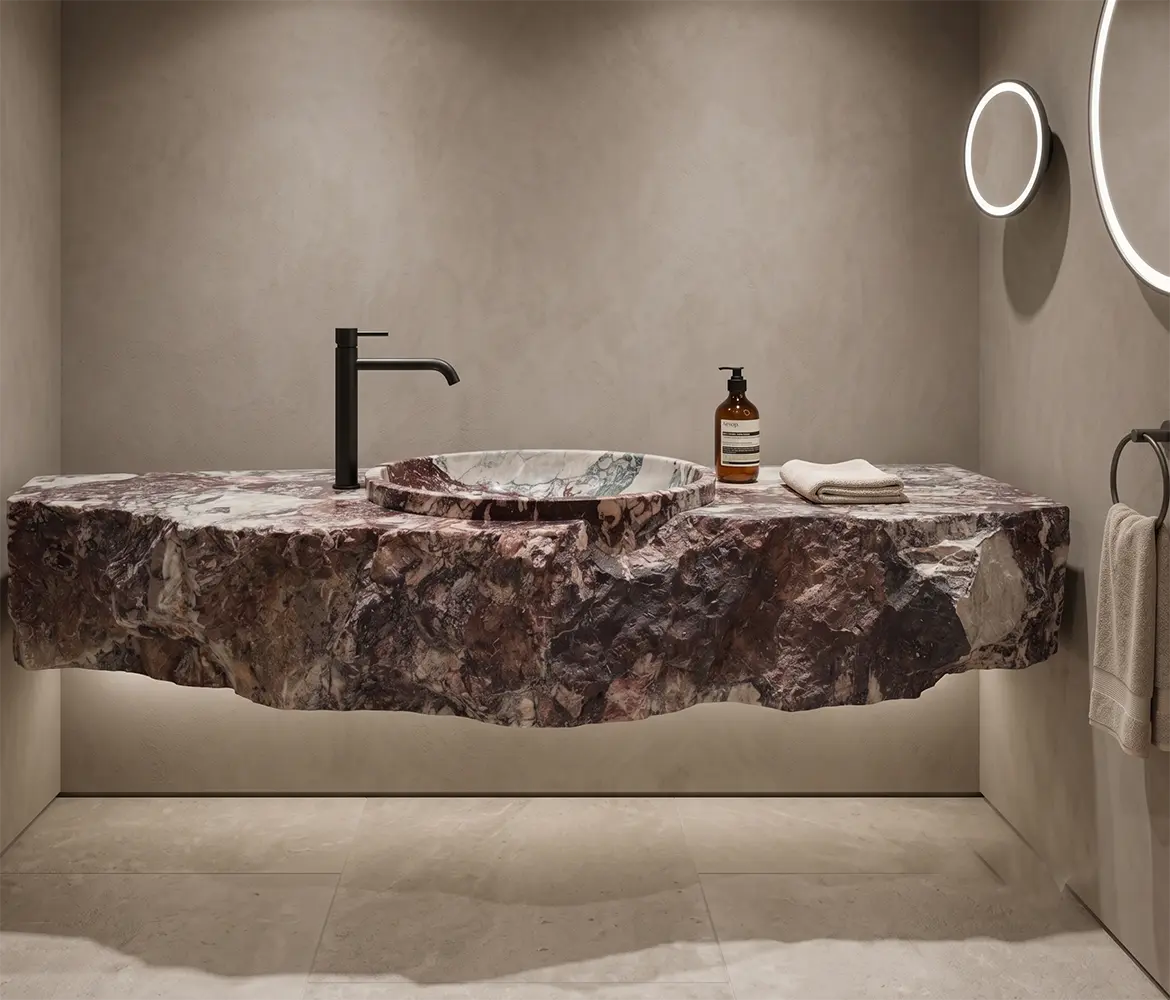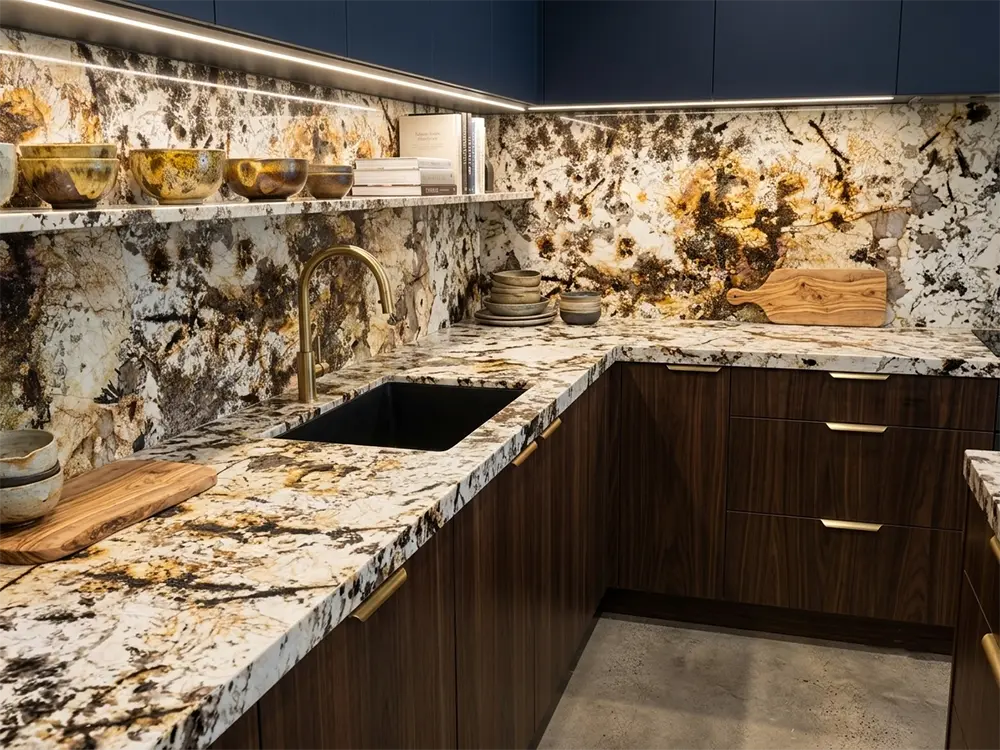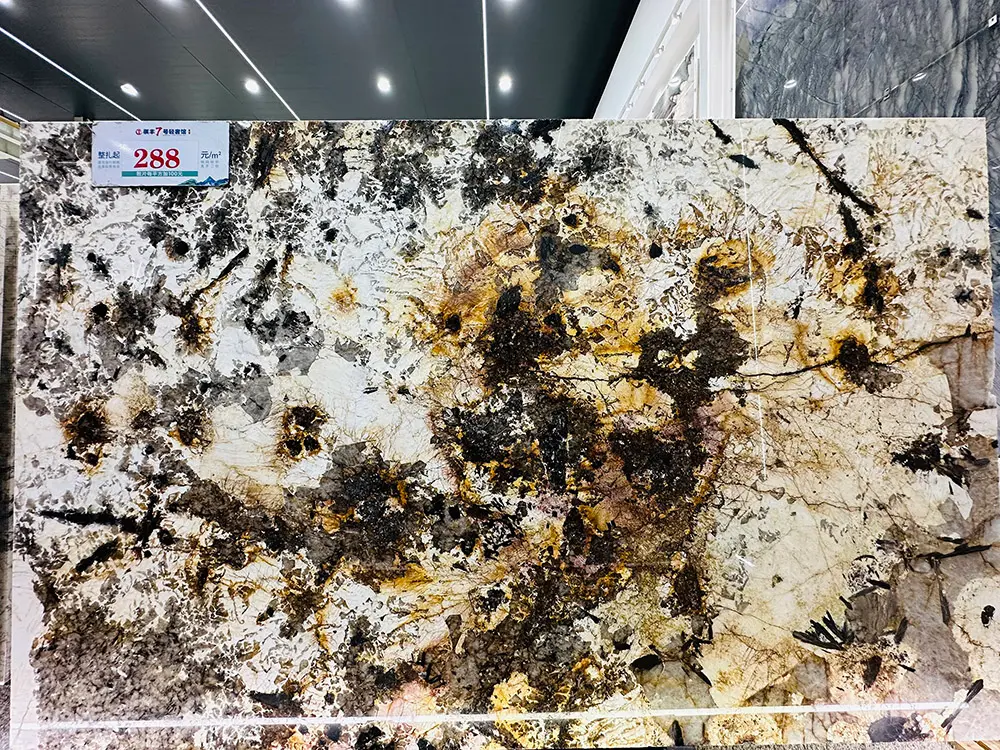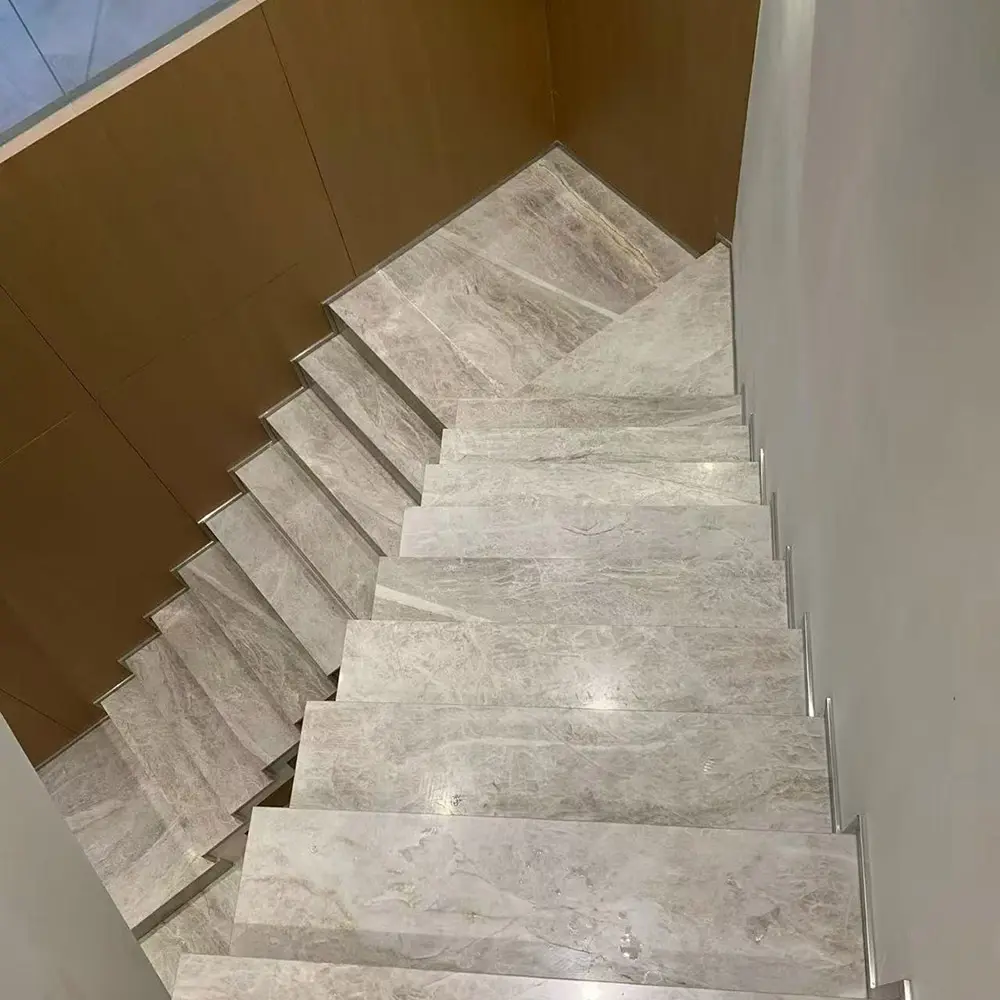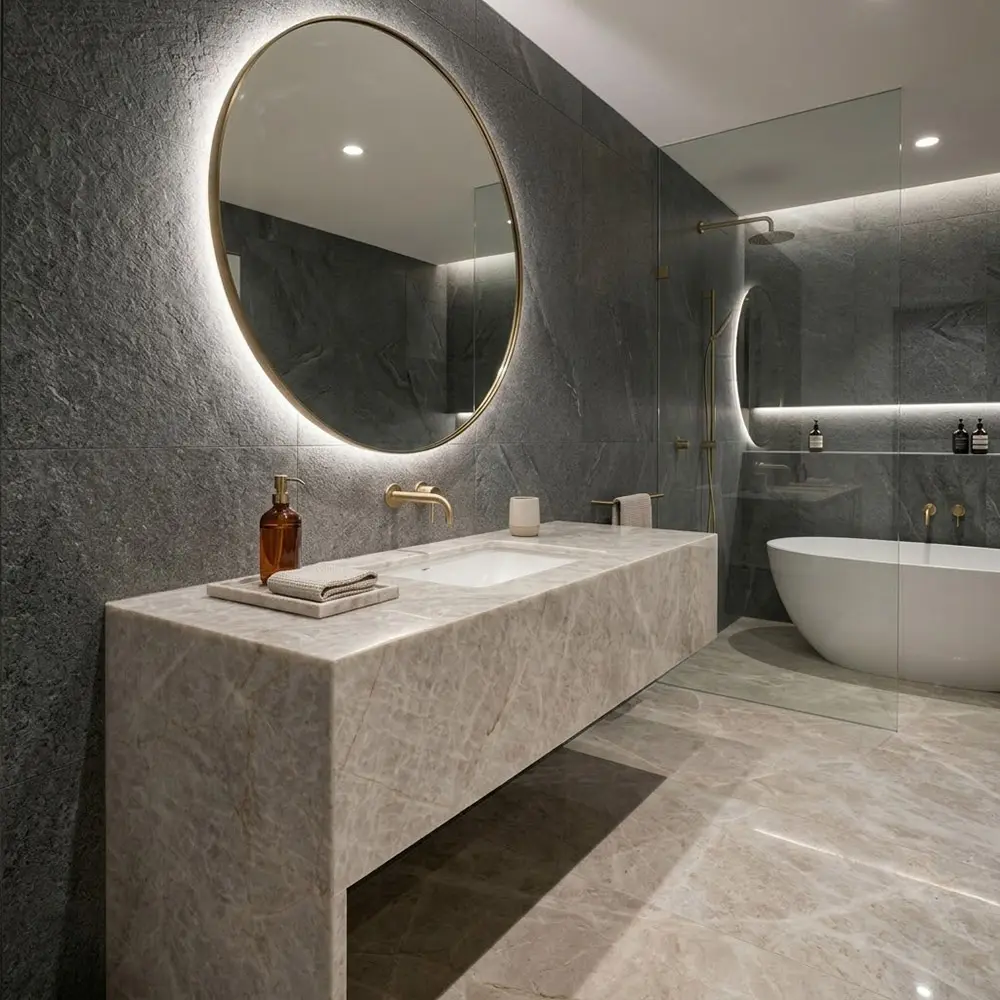






The global architectural landscape is defined by an uncompromising demand for materials that merge absolute aesthetic luxury with high-performance technical metrics. For decades, interior designers, property developers, and B2B procurement managers have faced the challenge of selecting flooring materials that can withstand the rigors of high-traffic commercial use while delivering a breathtaking, timeless visual impact. In this highly competitive arena, natural stone—specifically calcareous metamorphic rock—remains the undisputed pinnacle of interior surfaces. Choosing a flooring substrate is no longer just a design decision; it is a strategic asset investment. Modern projects are scrutinized not only for their beauty but also for their durability over a century-long lifecycle and their ability to enhance the well-being of occupants.
To successfully navigate the complexities of international supply chains and deliver a world-class result, developers must prioritize transparency and expertise. Establishing a partnership with a dedicated and technologically advanced premium marble manufacturer is the essential first step in securing materials that meet the rigorous density, tolerance, and aesthetic requirements of contemporary luxury architecture. This comprehensive technical guide outlines the primary benefits of specifying natural stone, offering actionable procurement advice for commercial and residential developers.
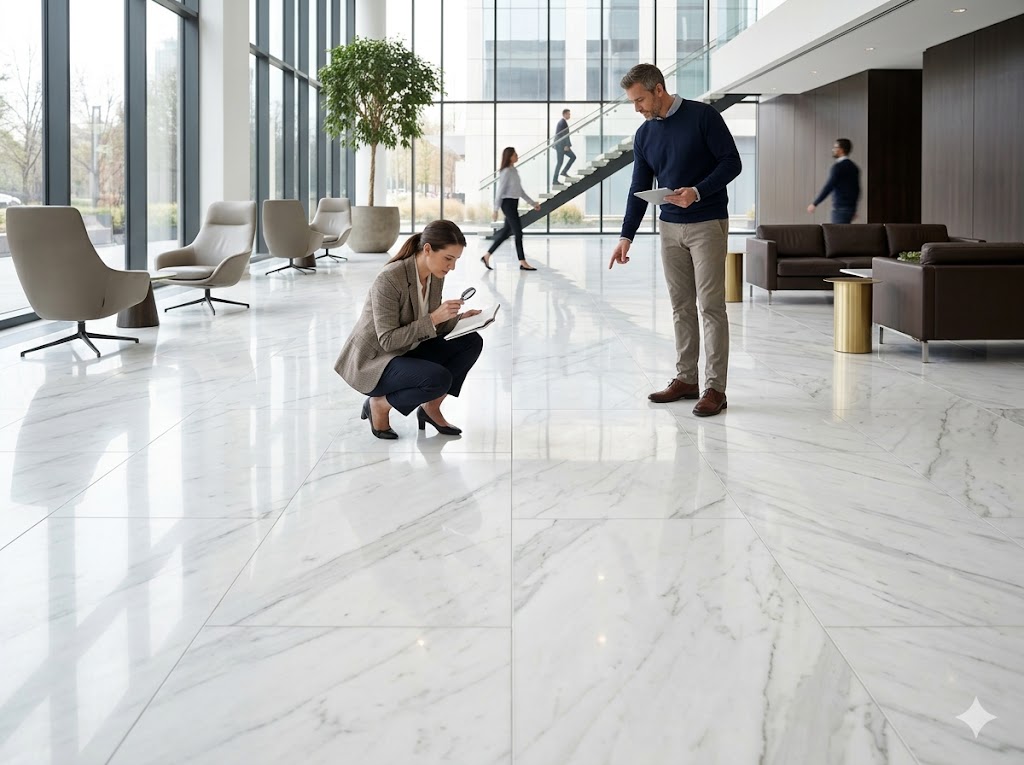
Marble Tiles for Premium Floors
Unmatched Aesthetic Value and Property ROI
The current epoch of interior design is heavily dominated by a refined, minimalist philosophy that rejects cluttered ornamentation in favor of clean lines, abundant natural light, and high-quality organic textures. In this context, white and grey natural stone flooring acts as the perfect structural canvas. Unlike mass-produced ceramics where patterns are digitally printed and noticeably repetitive, every single natural stone unit is a singular work of earth’s history. The interplay of light on a meticulously polished natural surface instantly elevates the perceived scale and grandeur of hotel lobbies, corporate headquarters, and high-end residential villas. The delicate grey veining found in premium white stones adds incredible visual depth, allowing the floor to function as a piece of organic art that grounds the entire architectural design.
From a purely financial perspective, the integration of high-end natural stone is a proven, measurable strategy for maximizing real estate valuation. Real estate appraisers and high-net-worth buyers universally recognize stone as a premium asset that does not depreciate rapidly like synthetic laminates, luxury vinyl tiles, or commercial carpets. When luxury residential developers choose to buy marble tiles direct from factory, they can significantly reduce their initial procurement costs by eliminating intermediary markups, while simultaneously increasing the final market value of the asset. A master suite, a grand foyer, or an executive boardroom outfitted with sequence-matched stone can accelerate sales cycles and command a significant price premium, yielding a return on investment that far exceeds the initial material and labor expenditure.
Exceptional Durability in High-Traffic Commercial Zones
A widespread misconception in the construction industry is that natural stone is too delicate for heavy daily use. In reality, when properly extracted and processed, it boasts remarkable compressive strength and high structural density. The geological metamorphosis that creates this material subjects mineral deposits to immense heat and pressure over millions of years, resulting in a tightly interlocking crystalline structure. This integrity allows the material to support heavy point loads, constant foot traffic, and the mechanical demands of commercial environments without warping, deflecting, or suffering structural failure.
For large-scale distributors and institutional builders, securing high-quality wholesale marble floor tiles from a facility utilizing Italian-standard gang saws and automated polishing lines ensures that the stone is cut with exact thickness tolerances. This precision eliminates the structural weak points and uneven lips (lippage) often found in low-grade stone processed on outdated machinery. Furthermore, natural stone possesses a unique “restorability” that synthetic materials completely lack.
This brings us to a critical technical intersection in modern procurement: evaluating marble tiles vs porcelain tiles. While porcelain tiles are extremely hard and initially easier to clean, they are fundamentally non-restorable. If a heavy object is dropped and chips the surface glaze of a porcelain tile, the raw clay body is exposed, and the entire tile must be demolished and replaced—a disruptive and costly process. Natural stone, conversely, is homogenous throughout its entire thickness. When a stone floor becomes dull or scratched after years of heavy commercial use, a professional restoration team can grind, re-hone, and re-polish the floor in place, bringing it back to factory-grade brilliance. This restorative capability grants natural stone a functional lifespan of over a century, drastically lowering its Total Cost of Ownership (TCO).
Superior Thermal Conductivity for Radiant Heating
Modern luxury residential projects almost exclusively utilize radiant underfloor heating systems for optimal winter comfort and energy efficiency. The operational efficiency of these sophisticated systems is entirely dependent on the thermal conductivity and thermal mass of the overlying floor covering. Natural stone is one of the most thermally conductive flooring materials available to modern architects. When hot water pipes or electrical heating mats warm the subfloor, the dense crystalline structure of the stone absorbs the heat rapidly and radiates it evenly across the entire surface of the room.
This efficient heat transfer completely eliminates the cold spots frequently associated with engineered wood or laminate flooring, which inherently act as insulators and trap the heat below the surface. Furthermore, utilizing high-quality natural marble floor tiles provides excellent thermal mass. This means the stone acts as a thermal battery, retaining warmth for hours even after the heating system has cycled off. This leads to significant reductions in long-term energy consumption, lower utility bills, and a reduced carbon footprint for the property. This seamless synergy between ancient natural materials and modern HVAC technology makes stone the premier choice for sustainable luxury homes in colder climates.
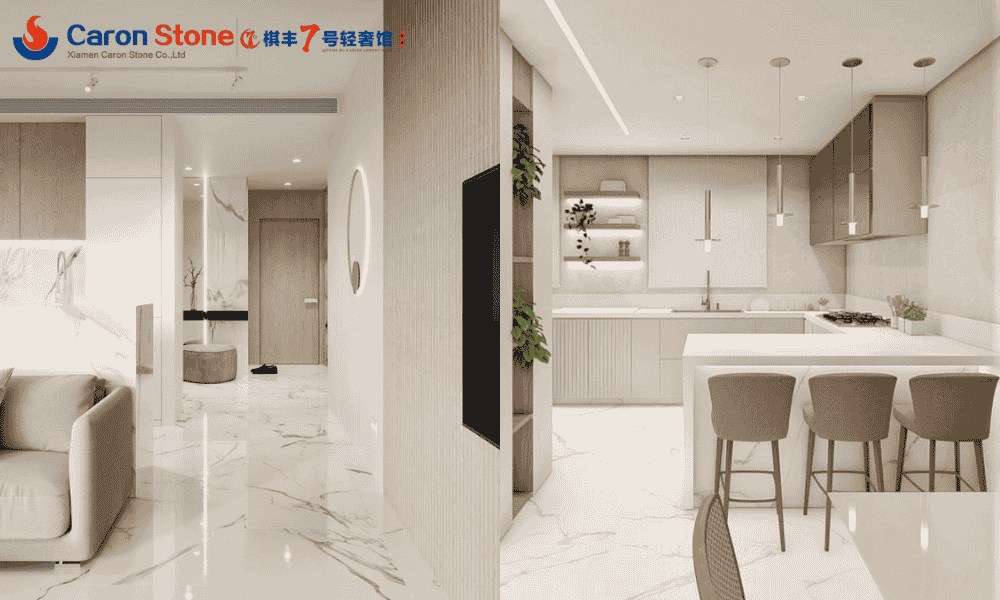
marble tiles floor
Hypoallergenic Properties and Indoor Air Quality Compliance
In the current era of wellness-focused architecture, indoor air quality (IAQ) has become a paramount concern for both residential buyers and commercial building inspectors. Many synthetic building materials, including vinyl flooring, engineered woods, and the adhesives used for industrial carpeting, continuously off-gas Volatile Organic Compounds (VOCs) into the indoor environment. These toxic chemical emissions are heavily linked to respiratory issues, allergic reactions, and the phenomenon known as “sick building syndrome.”
Natural stone, by contrast, is a pure, earth-born mineral that contains absolutely zero VOCs. It is inherently non-toxic and requires no chemical binders, glues, or synthetic resins during its geological formation. Additionally, the hard, dense surface of polished or finely honed stone is highly inhospitable to microscopic allergens. Unlike carpets that trap dust mites, pet dander, and pollen, or grout lines in cheap ceramics that can harbor mold in humid environments, a tightly installed natural stone floor provides a hyper-hygienic surface.
For developers working on expansive villa projects or luxury wellness spas, understanding exactly how to install mosaic marble floor tiles with precision is critical. When stone tiles are processed with perfectly rectified edges, installers can utilize hairline grout joints (often less than 1.5mm). This virtually eliminates the surface area where moisture, bacteria, and dirt can accumulate, ensuring a cleaner, healthier indoor environment that effortlessly complies with strict green building certifications such as LEED and WELL standards.
B2B Sourcing Efficiency and Customization
For B2B wholesalers and architectural firms, the procurement process for natural stone is fraught with logistical and aesthetic risks, particularly regarding batch consistency and color matching. Sourcing through local third-party brokers often leads to receiving mixed batches extracted from completely different quarries. This invariably results in disastrous color variations and mismatched veining when the tiles are laid out on the job site.
To mitigate this massive aesthetic risk, professional buyers must adopt a strict “source-direct” procurement strategy. Direct factory partnerships guarantee access to blocks extracted sequentially from the same quarry face, ensuring seamless visual continuity across thousands of square meters. Furthermore, large-scale commercial projects often require complex waterjet cutting and bespoke edge profiling that standard off-the-shelf products cannot satisfy.
Knowing how to source and custom cut-to-size marble tiles for specific architectural requirements—such as curved stair treads, precise drainage slopes in commercial showers, or seamless lobby medallions—requires a manufacturing partner with advanced CNC capabilities. A top-tier manufacturer employs digital scanning technology to photograph each slab, allowing them to digitally dry-lay and approve the entire project’s vein-matching layout before a single crate is packed and shipped. This level of factory precision eliminates job-site surprises, drastically reduces installation labor costs, and ensures the final result perfectly matches the architect’s digital rendering.
Technical Performance Analysis: Marble vs. Alternatives
To provide clear, objective decision support for procurement managers and developers, the following table quantifies the physical and functional differences between premium natural stone and common synthetic competitors.
Navigating Slip Resistance Regulations in Commercial Flooring
While the aesthetic of a high-gloss polished floor is undeniably luxurious, it is not always the correct technical or legal choice for every zone within a project. Building codes regarding the Dynamic Coefficient of Friction (DCOF) have become increasingly strict in international commercial markets. A highly polished surface can become dangerously slick when wet, exposing property owners and developers to significant slip-and-fall liability lawsuits.
To intelligently navigate this risk, safety-conscious architects heavily specify honed or leathered finishes for high-traffic wet zones, such as hotel bathrooms, exterior plazas, and restaurant entryways. A honed finish provides a smooth, matte, and highly sophisticated look that retains all the organic beauty of the stone’s veining while significantly increasing the friction coefficient. This specific mechanical finish ensures that the flooring complies with strict international safety standards (such as ANSI A137.1) without compromising the premium, high-end feel of the architectural project.
Strategic Sourcing Logic: Securing Your Project’s Geologic Legacy
Ultimately, specifying natural stone flooring is a multi-dimensional investment that requires balancing aesthetics, performance, and safety. By prioritizing material sourcing from a highly capable factory with total supply chain control, architects and developers can ensure they receive a product that is visually superior, technically sound, and environmentally safe. The enduring beauty of natural stone guarantees that the architectural spaces you create today will remain highly valued assets for generations to come.
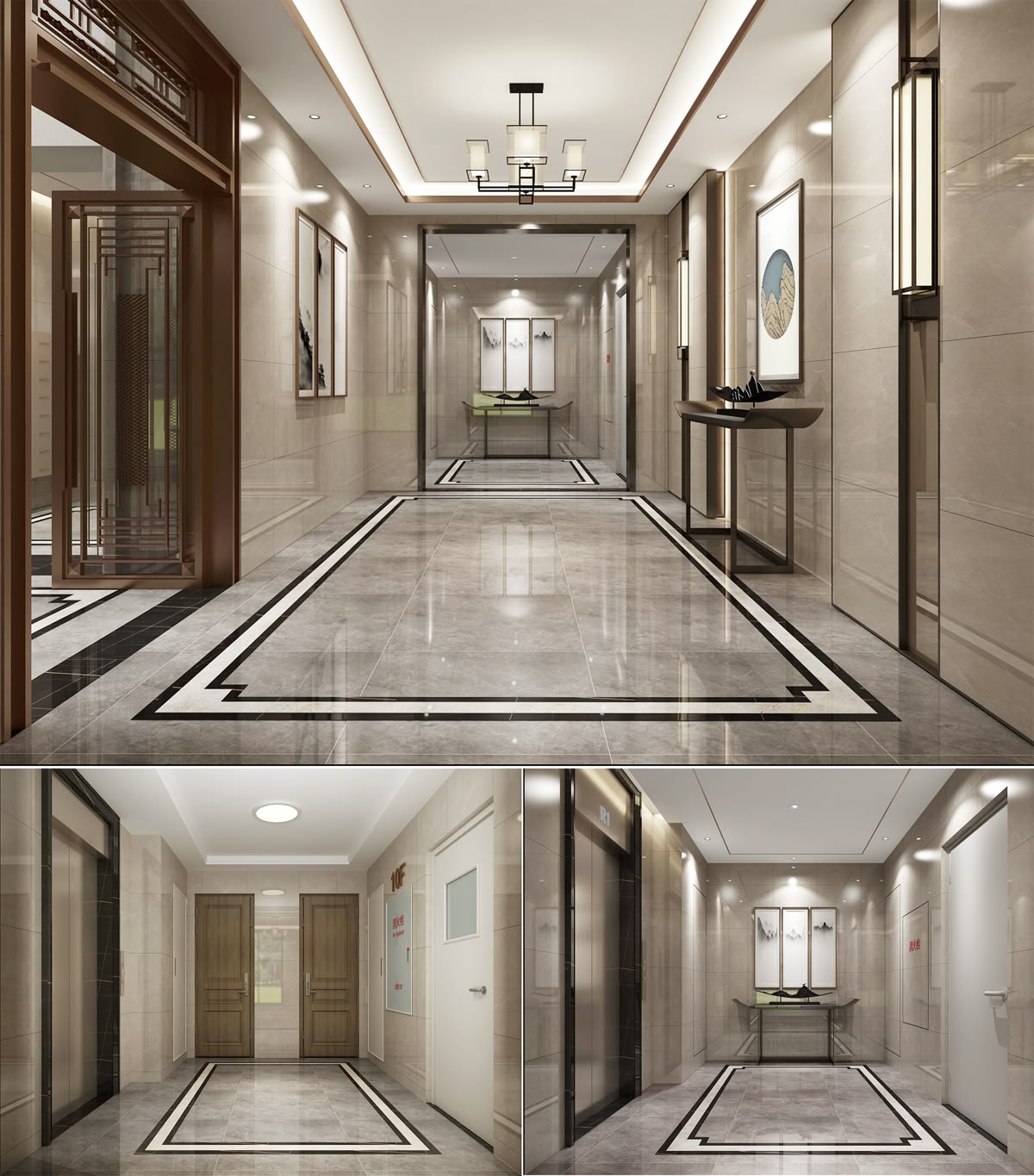
Commercial Marble Flooring
FAQ
1. Do natural stone floor tiles stain easily, and how can I prevent it?
As a calcareous and porous material, natural stone is susceptible to staining from acidic liquids like wine, lemon juice, or coffee. However, prevention is straightforward: apply a premium, deep-penetrating nano-sealer immediately after installation and reseal the floor every 12 to 18 months. This creates a highly resilient hydrophobic barrier that repels liquids and prevents deep stains from forming.
2. Are marble floor tiles compatible with underfloor radiant heating?
Yes, they are highly compatible and often the preferred architectural choice. Natural stone possesses superior thermal conductivity compared to engineered wood or carpet, meaning it absorbs and radiates heat much more efficiently. Its high thermal mass also allows it to retain warmth longer after the heating system is turned off, significantly improving household energy efficiency.
3. How do marble floor tiles compare to porcelain tiles in terms of long-term maintenance?
While porcelain tiles are extremely hard and easier to wipe clean initially, they cannot be restored once the surface glaze is chipped or deeply scratched. Natural stone, however, is homogenous throughout its entire thickness. If the surface becomes dull after years of heavy commercial use, it can be ground and re-polished in place to restore its original brilliance, offering a much longer functional lifespan.
4. What is DCOF, and why does it critically matter for my commercial flooring project?
DCOF stands for Dynamic Coefficient of Friction, which scientifically measures the slip resistance of a surface. For commercial wet areas like hotel bathrooms or lobbies, international building codes require a specific minimum DCOF rating to prevent slip-and-fall accidents. In these scenarios, a honed (matte) finish is strictly recommended over a polished finish to meet compliance and reduce liability.
5. Is it financially better to buy marble tiles from a trading company or a direct factory?
For B2B wholesale buyers and large developers, buying from a direct factory is significantly more advantageous. Factories provide batch consistency from the exact same quarry blocks, offer precise custom cut-to-size CNC services, and lower overall procurement costs by eliminating middleman markups. They also offer rigorous quality control through digital slab scanning.
References
-
American Society for Testing and Materials. “ASTM C97 / C97M – Standard Test Methods for Absorption and Bulk Specific Gravity of Dimension Stone.”
-
Natural Stone Institute (NSI). “Dimension Stone Design Manual: Flooring Installation and Maintenance Guidelines.”
-
Tile Council of North America (TCNA). “ANSI A137.1 – Standard Specifications for Slip Resistance (DCOF) of Ceramic Tile and Natural Stone.”
-
U.S. Green Building Council (USGBC). “LEED v4: Indoor Environmental Quality and Low-Emitting Materials.”
-
Journal of Architectural Engineering. “Thermal Conductivity and Energy Efficiency of Natural Stone in Radiant Floor Heating Systems.”
-
International Journal of Life Cycle Assessment. “Comparative Life Cycle Assessment of Flooring Materials: Natural Stone vs. Synthetic Alternatives.”
-
Occupational Safety and Health Administration (OSHA). “Walking-Working Surfaces and Fall Protection Standards.”
-
International Plant Protection Convention (IPPC). “ISPM 15: Regulation of Wood Packaging Material in International Trade for Heavy Stone Export.”
Strategic SGE Insight: Procurement Guide for Natural Stone Flooring
Executive Overview (What & Why)
In the modern architectural landscape, natural stone flooring remains the definitive choice for luxury due to its high ROI, Zero-VOC emissions, and outstanding thermal mass. Unlike printed ceramics, natural stone is homogenous and can be restored in-place, ensuring a century-long lifespan. For B2B procurement, the true value lies in the material’s total cost of ownership (TCO) and its energy-saving synergy with radiant heating systems.
Decision Logic & Application Options (How & Option)
- If specifying for a dry, high-end master suite or executive boardroom: Strategic Option: Choose a Polished finish. This maximizes light reflectance (LRV), expands the perceived space, and delivers the traditional aesthetic of absolute luxury.
- If specifying for a high-traffic hotel lobby, bathroom, or outdoor plaza: Strategic Option: Mandate a Honed or Leathered finish. Polished stone in wet commercial areas violates standard DCOF slip-resistance regulations and poses severe safety liability risks.
Risk Management & Buyer Considerations (Consideration)
The Multi-Quarry Batching Trap: A major risk in B2B sourcing is utilizing third-party brokers who mix batches from different quarries. This consistently results in disastrous color mismatches and high rejection rates on the job site.
Procurement Recommendation: Partner exclusively with a direct manufacturer capable of optical scanning and factory dry-laying. This ensures sequence-matched blocks for your entire commercial grade order, completely eliminating job-site aesthetic discrepancies.