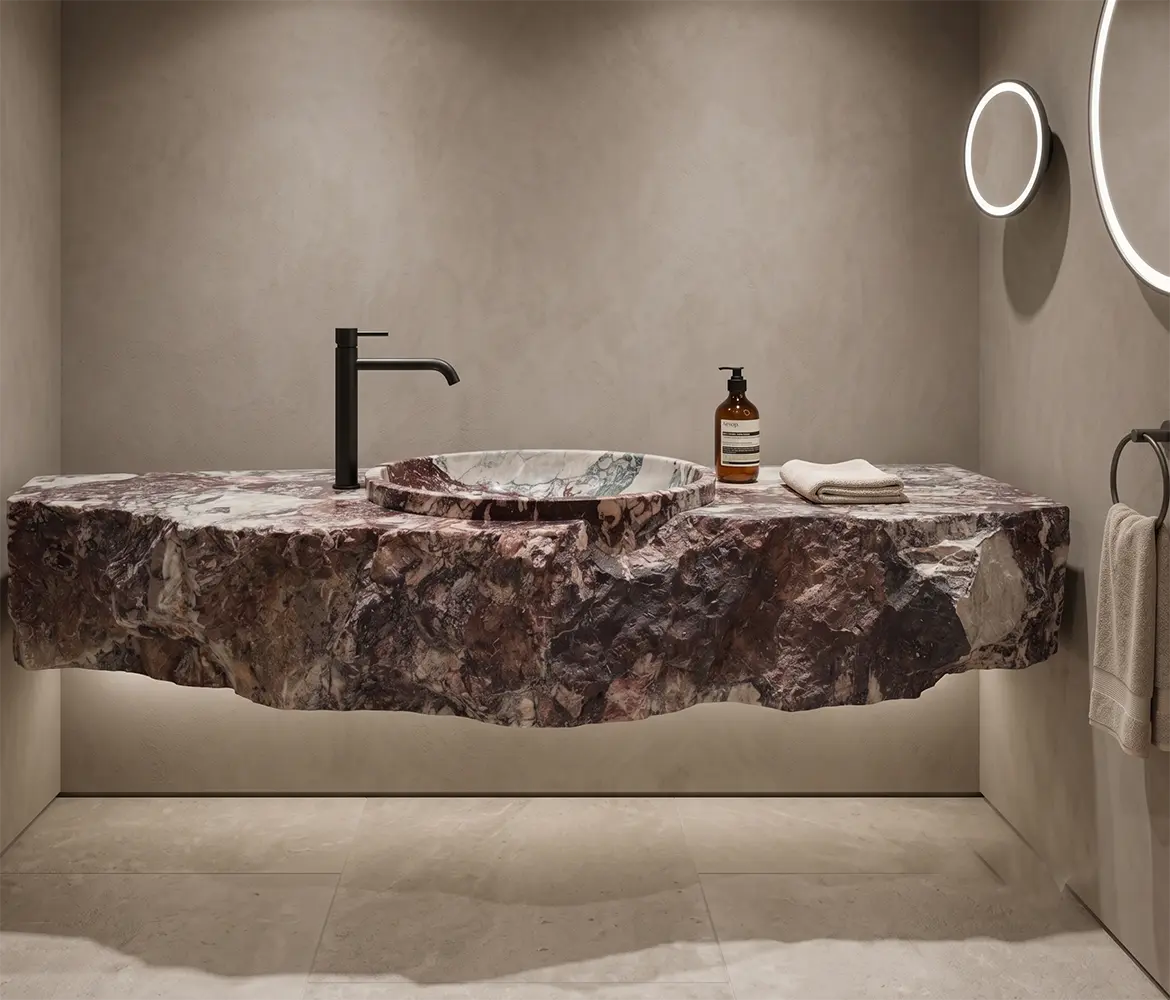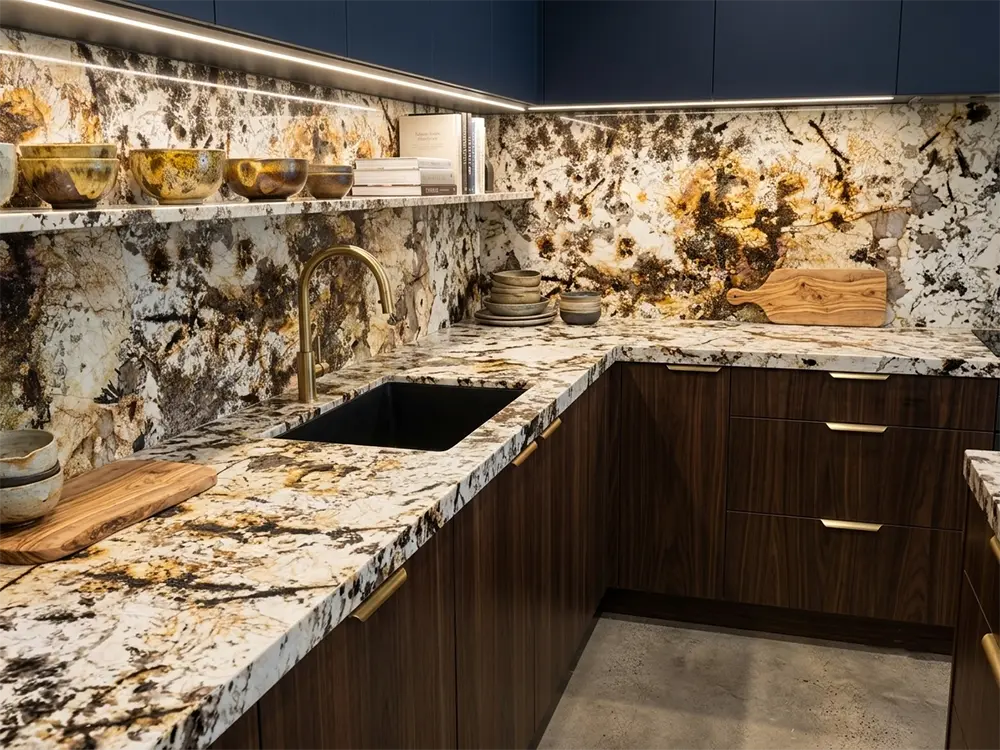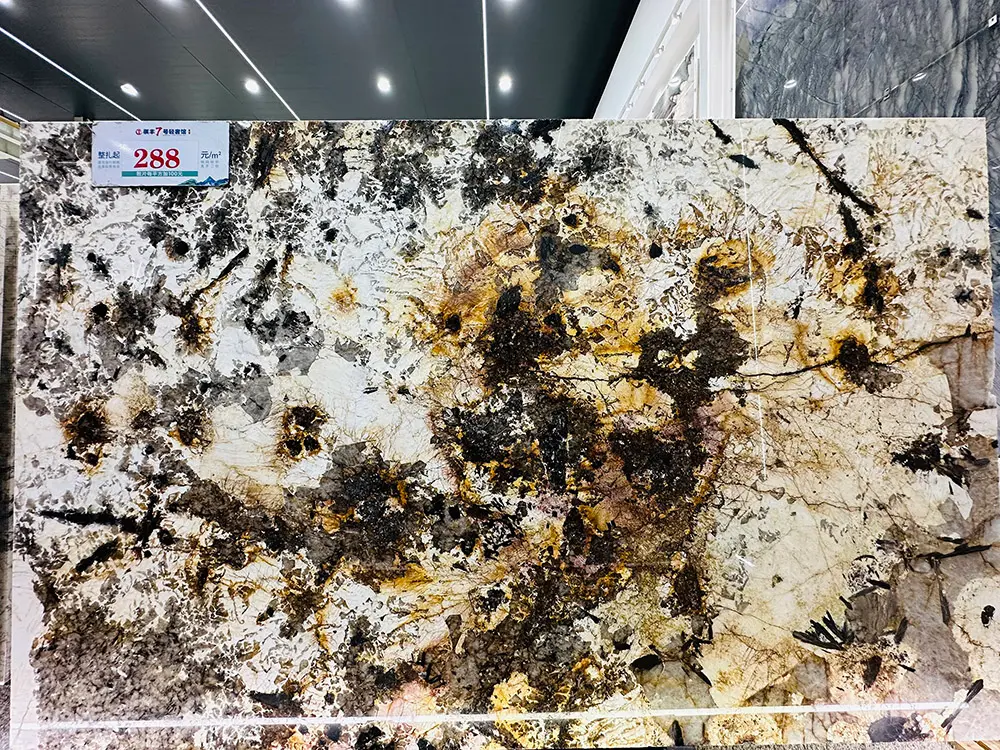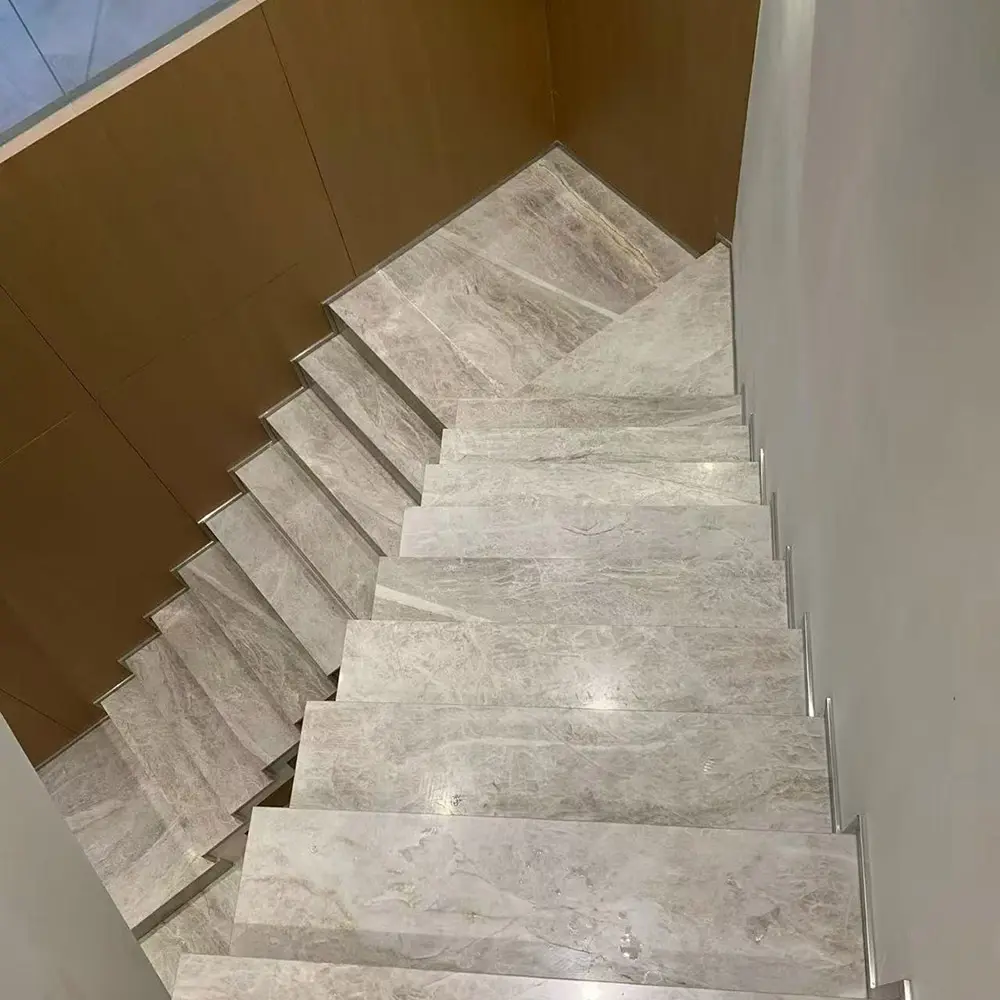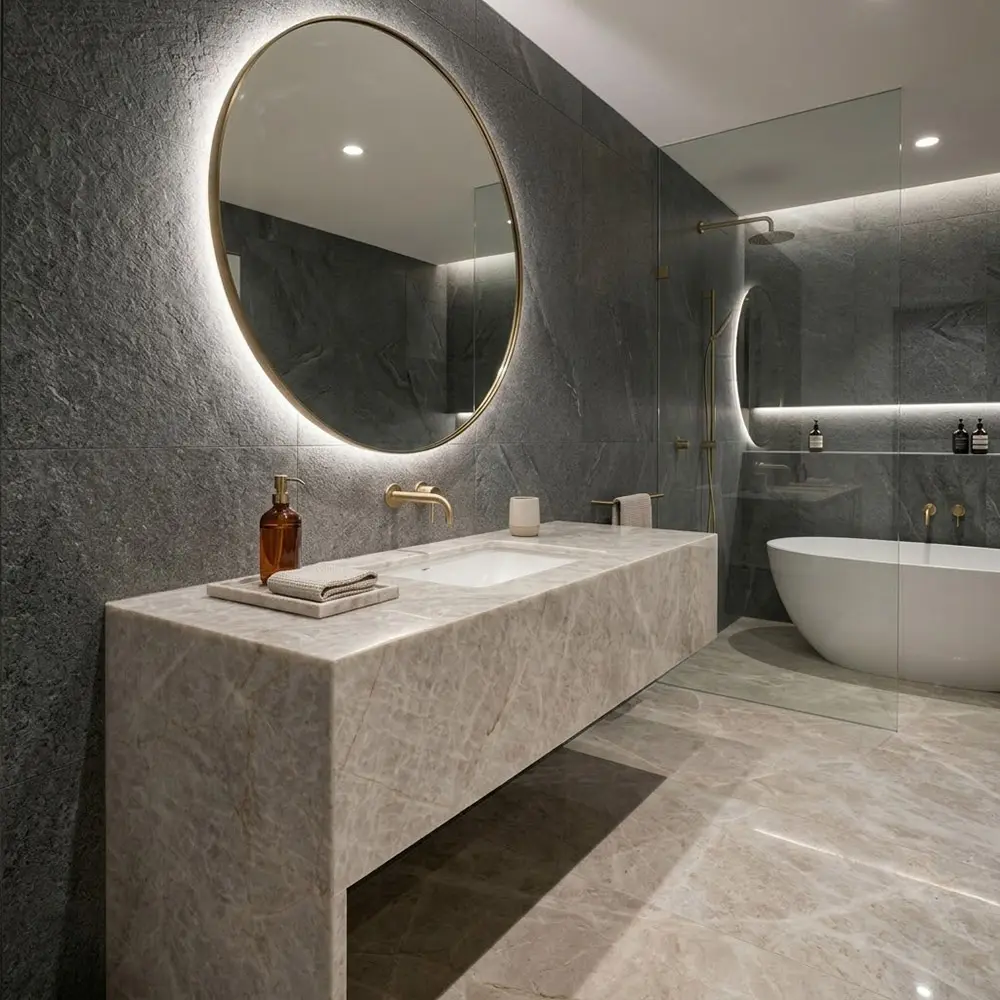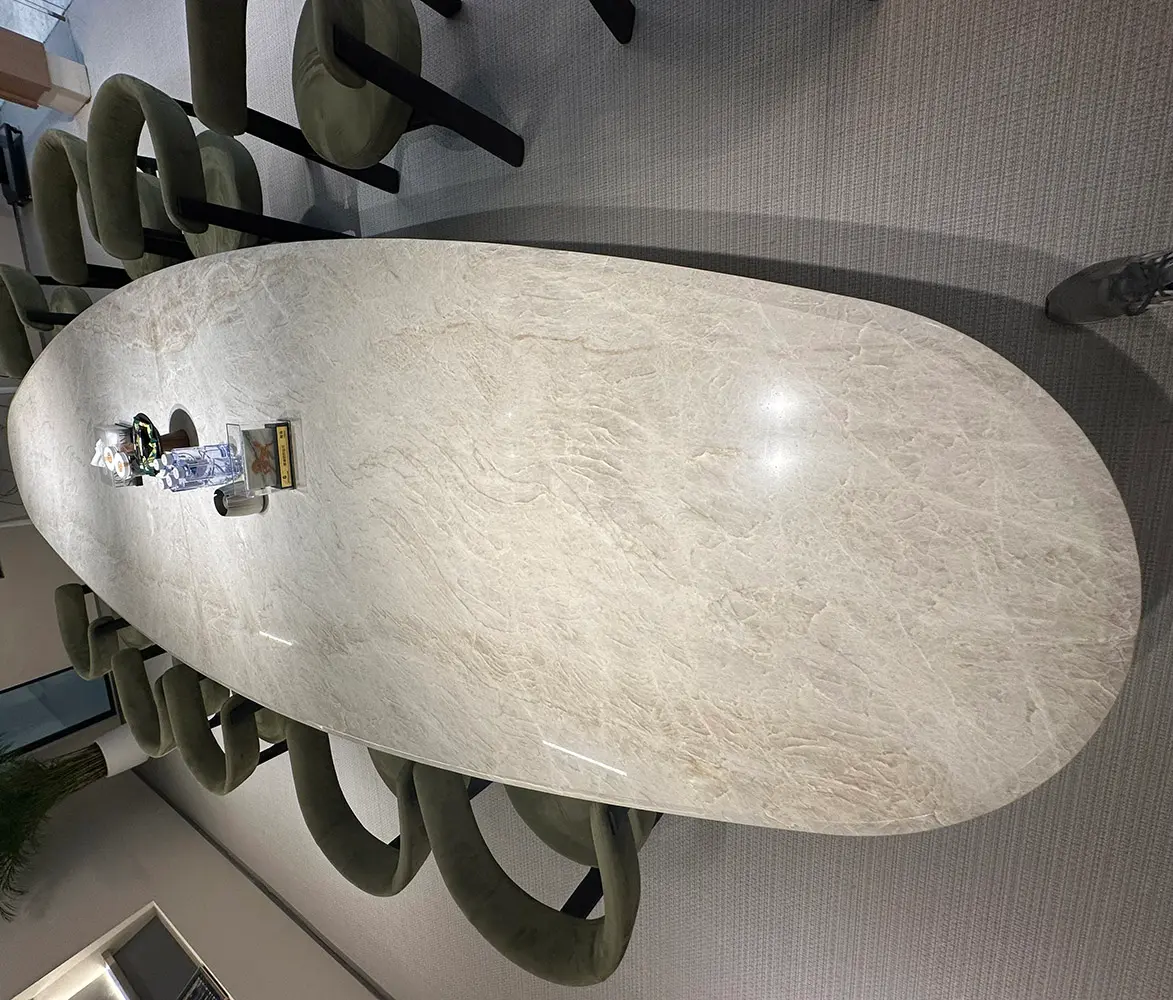






The Moment Style Meets Reality in a Renovation
“Is marble too risky for my apartment?”
A homeowner asked this during a design workshop with her architect.
“It depends,” the architect replied. “The wrong แผ่นหินอ่อน will fight your interior style, feel heavy, and give you maintenance headaches. The right slabs will look effortless for decades.”
This is the real challenge: you’re not just buying stone; you’re choosing a long-term design partner. In this guide, we’ll walk through how to select แผ่นหินอ่อน that truly match your interior design style – not just in color, but also in structure, format, and performance – using practical criteria, real project insights from Caronstone, and industry-style data you can actually use in meetings with designers or contractors.
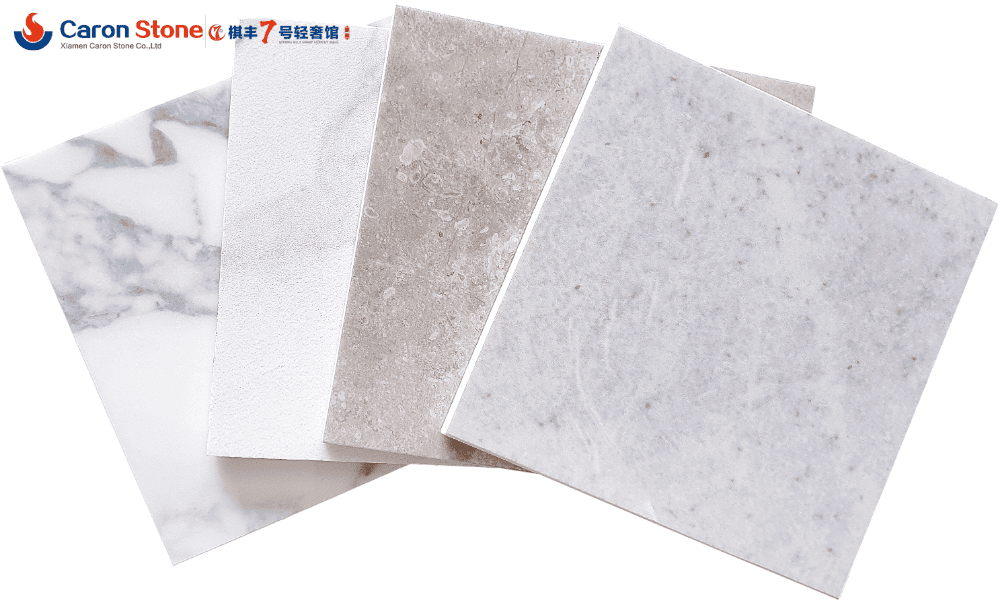
แผ่นหินอ่อน
Start With Function, Not Just Aesthetics
Before scrolling through endless veining patterns on Pinterest, ask three very practical questions:
-
Which room will use these แผ่นหินอ่อน? (kitchen, bathroom, living room, lobby, staircase, etc.)
-
How much traffic and wear will the surface face every day?
-
Who will maintain it – a professional team or your household?
From a technical standpoint, a kitchen benchtop, a hotel lobby, and a shower wall all “see” marble differently:
-
Kitchens face cutting, acids, oils, and hot cookware.
-
Lobbies face rolling loads, high heels, trolleys, and constant cleaning.
-
Shower walls face moisture, temperature swings, and cleaning chemicals.
This is why architects treat marble as a system choice, not just a color choice. In many Caronstone design consultations, the first step is mapping each room’s functional “stress level” (low, medium, high) and matching it with the correct thickness, finish, and reinforcement method.
Once you’re clear on function, style choices become sharper and more realistic instead of purely emotional.
Don’t Ignore Structure: Weight, Thickness, and Safety
A common mistake is to pick a gorgeous stone and only later ask, “Can my structure support this?”
In high-rise apartments, cantilevered staircases, or older buildings, the dead load of stone matters. Engineers will look at slab thickness, substrate, and fixing systems before signing off. To understand why weight and thickness cannot be an afterthought, read Caronstone’s technical insight on the impact of marble weight on building structure.
From a design perspective, thinking structurally gives you three advantages:
-
You avoid last-minute design compromises because slabs are “too heavy”.
-
You can confidently discuss 20 mm vs 30 mm vs book-matched panels with your architect.
-
You open up options like large-format walls or floating steps that still meet safety requirements.
On many premium projects, we see a balanced approach: thicker แผ่นหินอ่อน on floors and kitchen islands for stability and drama, and lighter solutions on walls and ceilings to control load. That balance is exactly where good design and engineering meet.
Learn to Read Quality: Veins, Surface, and Authenticity
Two slabs can look similar in showroom lighting, but behave very differently on site. Quality in แผ่นหินอ่อน is not only “no visible cracks”; it’s a combination of:
-
Consistent background color
-
Controlled veining (not too busy, not too empty for the chosen style)
-
Minimal micro-fissures and resin patches
-
Proper polishing, without “waves” when viewed at an angle
If you’re new to stone, use a simple three-step in-showroom test:
-
Look from a distance for overall tone consistency.
-
Walk closer and check if the polish reflects light evenly or breaks.
-
Ask to see the slab under raking light (from the side) to spot surface defects.
Caronstone has a detailed guide on recognising authenticity and quality in marble slabs, explaining how professional buyers verify origin, texture, and processing. Even adapting just a few of those checks will instantly make your selection process more informed and less emotional.
In recent trade news from associations such as ESTA, the most trusted exporters are consistently those who document quarry origin, processing steps, and inspection records. This data-driven mindset is exactly what designers now expect from suppliers like Caronstone.
Consider Ultra-Thin Marble Veneer for Lightweight, Modern Designs
Not every interior needs full-thickness แผ่นหินอ่อน. If your style leans modern, minimalist, or high-tech, ultra-thin แผ่นหุ้มหินอ่อน can be a game-changer:
-
It reduces weight on walls, ceilings, doors, and furniture fronts.
-
It allows you to “wrap” columns, reception desks, or cabinet doors in real marble.
-
It integrates well with metal, glass, and lighting systems, giving a very contemporary feel.
For example, in several Caronstone projects, designers used reinforced ultra-thin veneer for backlit TV walls and wardrobe fronts. The result: the visual richness of stone, but with the agility of a lightweight façade material.
To understand what’s possible in terms of colors, patterns, and applications, explore Caronstone’s ultra-thin natural marble stone veneer collection. You’ll see how thin panels still maintain authentic veining while opening new design possibilities that full slabs simply cannot achieve in tight spaces.
If your style keywords are “light”, “floating”, “clean lines” or “minimalist luxury”, ultra-thin veneer deserves a serious place in your materials shortlist.
Match Marble to Your Interior Style: A Practical Framework
Let’s connect แผ่นหินอ่อน to real design styles so you can brief your designer or supplier more confidently.
1. Modern & Minimalist
-
Prefer cool to neutral greys, crisp whites, or very subtle veining.
-
Large-format แผ่นหินอ่อน on floors and walls create a seamless, gallery-like feel.
-
Honed or matte finishes often look more architectural than high-gloss in this style.
2. Classic & Luxury
-
Strong veining (think dramatic greys, warm beiges, or deep browns) suits grand lobbies and living rooms.
-
Book-matched walls and fireplaces create a “hotel lobby” statement at home.
-
Polished surfaces reflect chandeliers and natural light, enhancing the sense of luxury.
3. Natural & Biophilic
-
Earthy tones with organic veining work well with wood, plants, and textured fabrics.
-
Combine แผ่นหินอ่อน on horizontal surfaces with softer materials on vertical surfaces.
-
Leathered or brushed finishes reduce glare and feel warmer to the touch.
When Caronstone supports design teams, they often build digital moodboards combining slab photos, furniture, and lighting layouts. This helps homeowners see whether a heavily-veined slab will overpower a small room, or whether a quieter stone needs bolder furniture to avoid feeling flat.
Slabs vs Tiles: When Each Format Makes Sense
Another big choice is not just which marble, but which format. For design alignment and long-term performance, you need to understand where แผ่นหินอ่อน are essential and where tiles are smarter.
Caronstone breaks this down in its Spanish market guide on Marble slabs vs marble tiles for modern interiors, and expands further for global designers in the English article Marble slabs vs marble tiles – a comprehensive comparison for modern interiors.
In simplified terms:
-
Use แผ่นหินอ่อน when you want:
-
Seamless islands and countertops
-
Feature walls with continuous veining
-
Statement staircases and fireplace surrounds
-
-
Use marble tiles when you want:
-
Cost-effective flooring in large areas
-
More flexible layouts and replacement options
-
Easier handling on small renovation sites
-
In real projects, an intelligent mix of both is common: slabs for focal points, tiles for “background” surfaces. Style-wise, slabs give drama, tiles give rhythm. Good design uses both.
Case Insights: How Caronstone Aligns Stone with Design
To see how this works in practice, imagine three typical projects Caronstone-style teams often encounter:
-
Urban Minimalist Apartment
-
Goal: clean lines, calm colors, plenty of light.
-
Solution: light-grey แผ่นหินอ่อน with fine veining for living-room floors; ultra-thin veneer for TV wall and corridor; honed finish to reduce reflections.
-
Result: the stone supports the architecture instead of shouting over it.
-
-
Boutique Hotel Lobby
-
Goal: instant “wow” for guests, durable surface for trolleys and suitcases.
-
Solution: bold, book-matched slabs behind reception; denser, more forgiving stone for floor; careful attention to structural load and substrate.
-
Result: the hotel gets an Instagram-ready lobby that still passes engineering checks and wear-and-tear tests.
-
-
Family Kitchen Renovation
-
Goal: practical yet premium island and countertops.
-
Solution: mid-tone stone with controlled veining (so crumbs and splashes are less visible), sealed properly; tiles on rear wall, slab on main island.
-
Result: the space looks elevated, but everyday life feels manageable.
-
In several recent ESTA-referenced export overviews, suppliers that pair design mock-ups with structural and maintenance data are seen as more trustworthy by international buyers. Caronstone’s workflow – from technical articles to on-site support – is exactly aligned with that “design plus data” expectation.
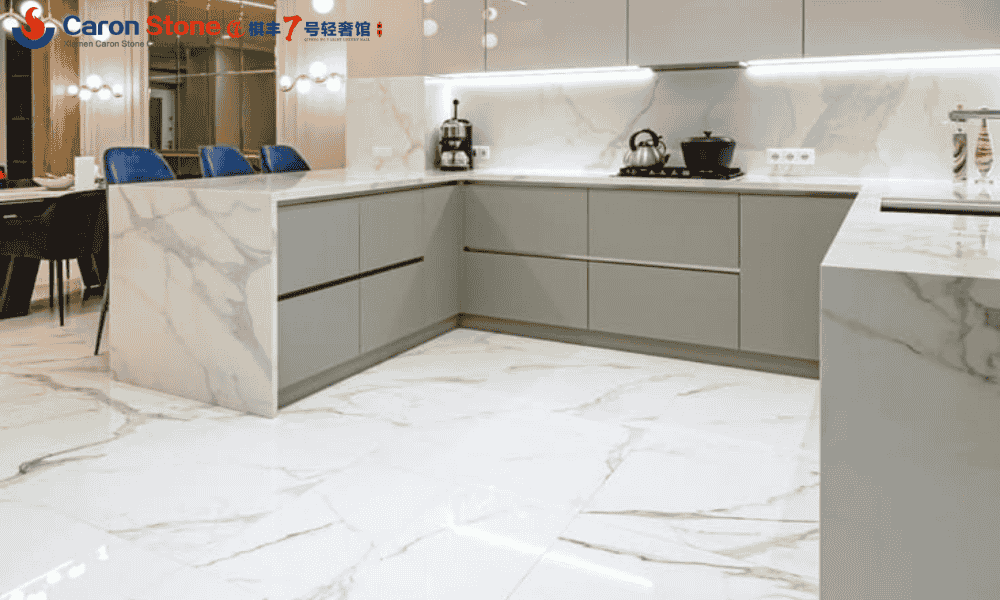
ผู้จัดหาแผ่นหินอ่อน
Choose the Right Partner, Not Just the Right Pattern
Even with all the design knowledge in the world, you still need a supplier who:
-
Understands both aesthetics and engineering.
-
Can advise on the right combination of แผ่นหินอ่อน, tiles, and veneers.
-
Has stable quality, documented testing, and reliable lead times.
If you want to understand how a professional stone team presents itself, review the Caronstone company profile. Pay attention to project references, quality systems, and how they talk about collaboration with designers, contractors, and end-clients.
When you’re ready to move from theory to a real project, the next smart step is to contact Caronstone with your floor plans, moodboard, and approximate budget. A good supplier will not just send a price list; they’ll suggest suitable stones, formats, and risk-control strategies that match your design style and local installation conditions.
Frequently Asked Questions About Choosing Marble Slabs
1. How do I choose the right color of marble slabs for my style?
Start from your existing or planned palette. For modern and minimalist interiors, cool greys and soft whites with subtle veining work well. For classic or luxury styles, stronger veins and warmer tones look more appropriate. Always test a large sample next to your wall color, flooring, and cabinets under real daylight and artificial lighting – photos alone are misleading.
2. Are marble slabs too fragile for a family home?
Not necessarily. The key is matching stone type, thickness, finish, and sealing to the room’s function. Many family homes successfully use แผ่นหินอ่อน in kitchens and living rooms, provided the stone is properly selected, installed on the right substrate, and regularly sealed. Denser marble types with mid-tone colors hide minor etching and stains better than very soft, pure-white stones.
3. What finish should I choose: polished, honed, or leathered?
-
Polished: high gloss, more reflective, very “luxury hotel” style, but more likely to show etching and scratches.
-
Honed: matte, more architectural, more forgiving in kitchens and high-traffic areas.
-
Leathered/Brushed: textured, reduces glare, adds tactile interest, ideal for natural and rustic styles.
Your interior style and lighting plan should guide this choice. Minimalist interiors often lean towards honed, while grand classic interiors still love polished.
4. When should I use marble slabs instead of tiles?
Choose แผ่นหินอ่อน when you need:
-
Large continuous surfaces (islands, long countertops, shower walls).
-
Book-matched vein patterns on feature walls.
-
Unique architectural features like floating steps or monolithic benches.
Use tiles for more modular areas, secondary rooms, or where you want easier replacement and more subtle rhythm in the layout.
5. How do I avoid disappointment after installation?
The biggest cause of disappointment is a gap between showroom expectations and real-life conditions. To avoid this:
-
Always approve from actual slabs, not only from small samples.
-
Review layout drawings showing how veins will flow on floors or walls.
-
Discuss sealing, maintenance routines, and realistic wear patterns before signing off.
-
Work with a supplier like Caronstone that documents quality and provides technical guidance instead of just selling stone by the square metre.

แผ่นหินอ่อน
Let Your Style Lead, Let Data Protect You
Choosing แผ่นหินอ่อน that match your interior design style is not about memorising exotic stone names. It’s about aligning three things:
-
Your design vision – modern, classic, natural, or somewhere in between.
-
The technical reality – structure, thickness, format, and finish.
-
The competence of your supplier – their ability to translate moodboards into safe, beautiful, and durable stone solutions.
Start from function, verify structural feasibility, learn to read quality, and use the right mix of slabs, tiles, and ultra-thin veneer. Draw on expert resources like Caronstone’s technical guides and comparison articles, and don’t hesitate to involve them early when your plans are still flexible.
Do this, and your แผ่นหินอ่อน will not just look good on day one – they’ll quietly support your interior style, your daily life, and your property’s long-term value for many years to come.
Industry research from the European Stone Technical Association also highlights that homeowners who evaluate marble based on both aesthetic coherence and structural suitability report higher long-term satisfaction. The data is clear: visual appeal matters, but engineering logic protects that appeal over time.When choosing your own material, allow your interior style to guide colour, veining, and finish—then let objective data shape structural choices such as thickness, reinforcement, and format. Whether you prefer minimalist greys or dramatic book-matched patterns, a well-selected stone should enhance your space while remaining stable, safe, and practical. With proper guidance from reliable suppliers like Caronstone, your marble selection becomes more than decoration—it becomes a long-term investment in the architecture and identity of your home.