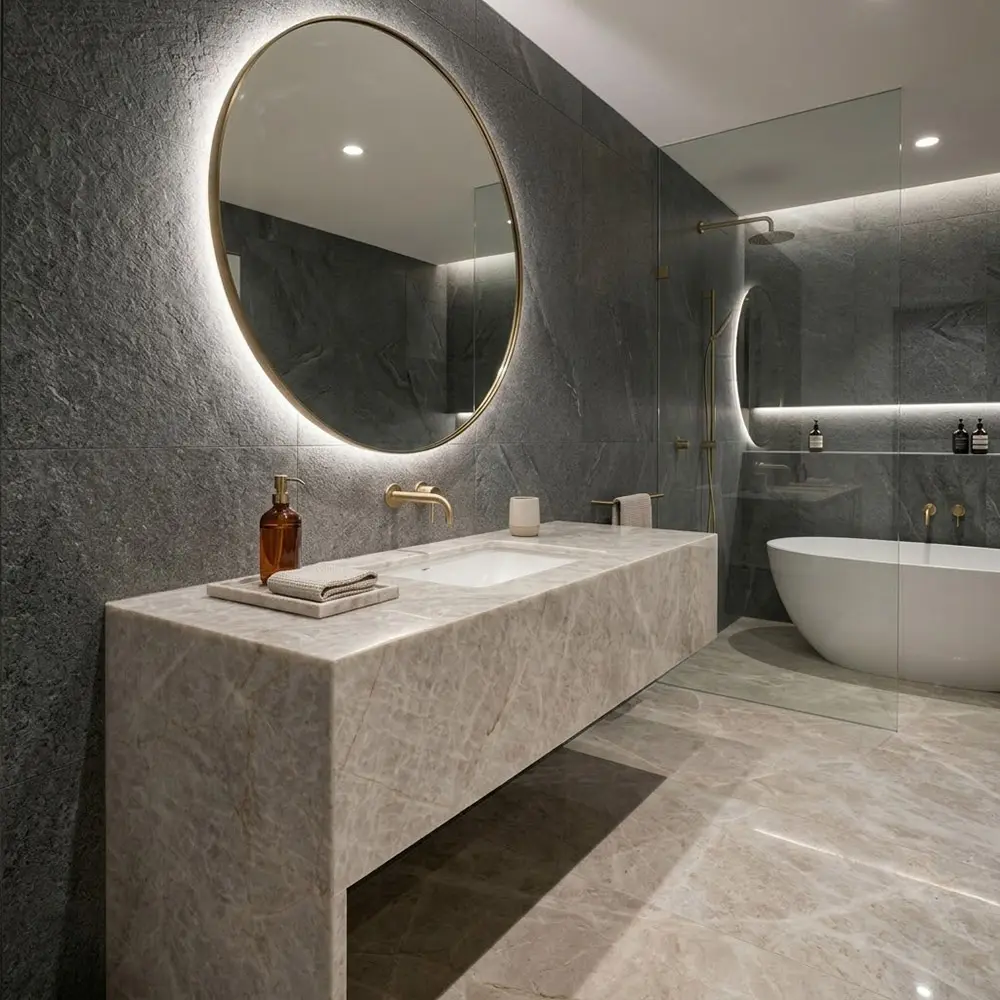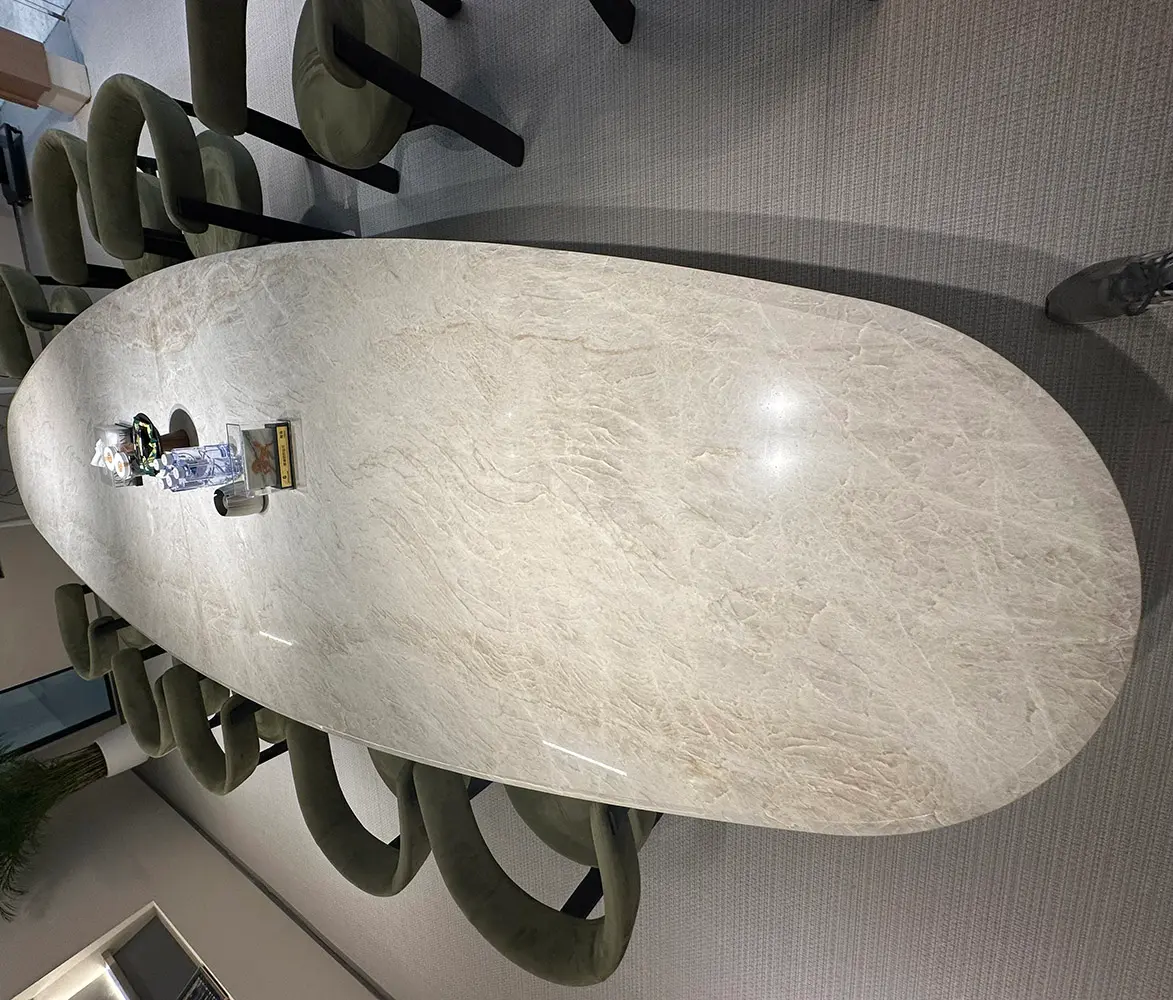






In modern interior design, the background wall is no longer a simple decorative surface, but a regulator of the atmosphere of the entire space. Usually the clever background wall draws your eye first when you enter a room. Because of its unusual light and shadow effects and natural beauty, the translucent wall composed of natural translucent stone has become a design element preferred by architects in recent years. Imagine that the soft light penetrates the texture of the stone, like a mist in the morning light, giving the space a mysterious and tranquil atmosphere. This kind of background wall not only decorates the space, but also injects soul into the room. What thus is the appeal of the translucent wall? How can the space radiate? Let’s explore the mystery together.
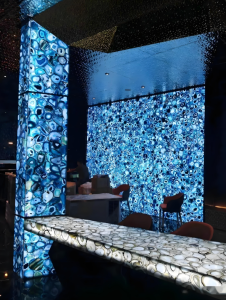
The translucent wall creates a dynamic beauty through light and shadow
Natural translucent stone: a natural transporter of shadow’s and light’s beauty
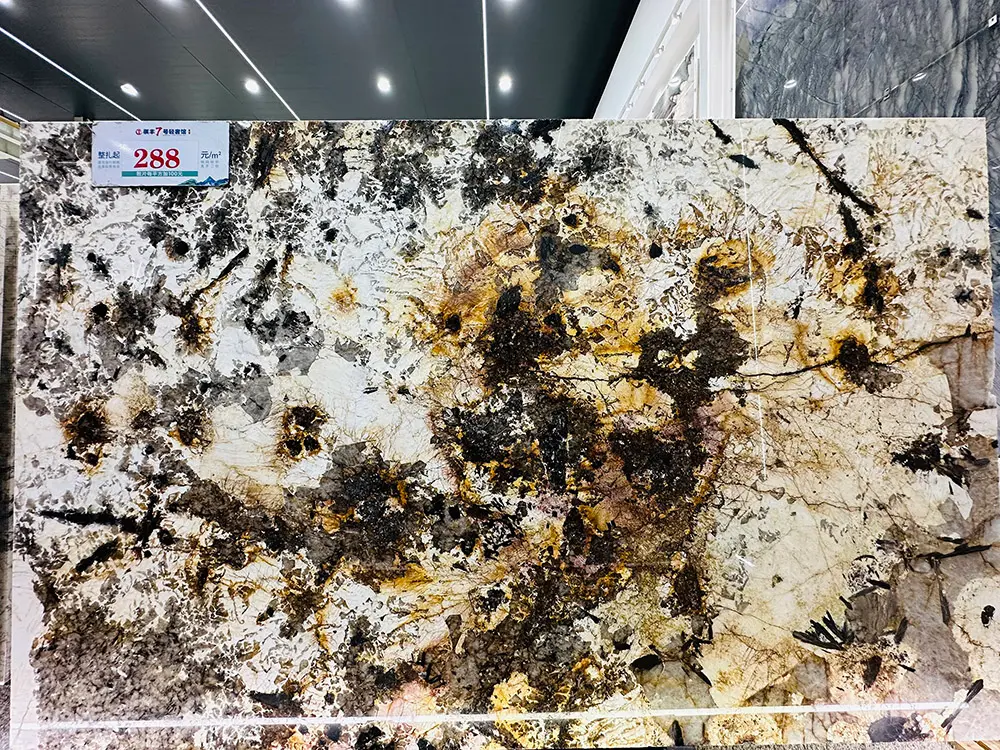
Natural translucent stone usually refers to those stones with a certain degree of light transmittance, such as marble, agate, quartz stone, etc. Following tens of millions of years of natural development, these stones have developed distinctive textures and colors. Like a piece of natural art, these stones exhibit a dreamy light and shadow effect when the light shines from behind.
Because of its rich texture and gentle colors, marble is a common material used for translucent walls. Under the light, marble’s natural texture resembles an abstract picture, allowing one great imagination. Agate, with its unique color level and high light transmittance, can create a more intense and vivid light and shadow effect, especially suitable for space design that pursues visual impact.
Game of light and shadow: the visual wonder of translucent wall
The dynamic beauty resulting from light and shadow defines the translucent wall most importantly. The area gains flowing liveliness when the light passes across the stone texture. Different light and shadow effects can be refracted through the stone, therefore providing layering and depth to the space whether it is natural light during the day or artificial light at night.
When designers create translucent walls, they usually use LED light sources because they can flexibly adjust the brightness and color temperature, so that the background wall presents a completely different atmosphere at different time periods. For instance, cold-toned light can be utilized to accentuate the stone’s clean texture during the day; warm and romantic mood can be created at night by using warm-toned light. This game of light and shadow not only enhances the visual effect of the space, but also resonates with the user’s emotions, creating a unique indoor experience.
Translucent wall functionality and application possibilities
Though their beauty is well-known, actual applications cannot overlook the usefulness of translucent walls. First of all, natural stone can keep its beauty and utility for a long time and has decent durability and stain resistance. Second, the design of translucent backdrop walls should also consider the layout and energy consumption of light sources, and attain environmental protection and energy-saving effects by sensible lighting design.
Translucent wall application situations are really broad. Translucent walls abound in hotel lobby areas, restaurants, bars, living rooms and bedrooms of private residences. In hotel lobbies, translucent walls are often used as the visual focus of the reception area, providing guests with a shocking and warm first impression; in high-end restaurants, translucent walls can add a touch of art to the dining area and enhance the overall experience of customers.
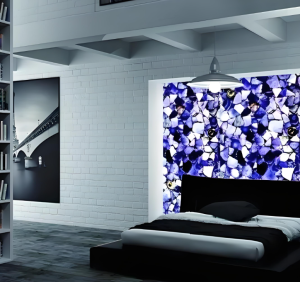
The bedroom background is decorated with large translucent stone walls
Design challenges and innovations of translucent walls
Designing translucent walls presents the most difficulty in terms of how to properly mix artificial lighting with natural stone to provide the best visual impact. To achieve this goal, designers need to carefully select the type and thickness of stone, and reasonably arrange the angle and intensity of the light to ensure that the light can evenly penetrate the stone to avoid light spots or shadows.
In addition, with the advancement of technology, designers have also begun to explore the combination of intelligent lighting systems with translucent walls, so that they can not only adjust the light intensity and color temperature at different time periods, but also automatically switch the light and shadow effects according to the use scenario of the room or the user’s mood. Along with making the background wall more practical, this innovative design enhances users’ visual experience.
Translucent walls in the future: the integration of technology and art
The future translucent walls will not only be cosmetic features but also more likely to become part of the space interaction as design ideas evolve constantly. For instance, the background wall can create light and shadow changes depending on people’s motions or actions by combining touch technology with intelligent sensor systems, and even accomplish different visual effects using voice control. Such a design will break the static limitations of traditional walls and make the background wall the most vital part of the space.
At the same time, environmentally friendly materials will also occupy an important position in the future design of translucent walls. Designers will focus more on the sustainability and environmental performance of materials, lower the impact on the environment by employing recycled stone or imitation stone materials, and thus accomplish the aim of green design while preserving the aesthetic impact.
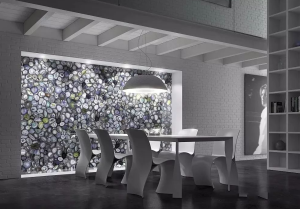
The translucent wall can add a touch of art to the dining area
The translucent wall, as the crystallization of natural stone and modern technology, not only brings aesthetic improvement to the space, but also gives the room a unique light and shadow effect. Whether in public places or private homes, the translucent wall can create a unique atmosphere through its flowing light and shadow, deeply attracting everyone who enters the space. With technological advancement and design innovation, the translucent wall will remain a key component in space design and a must-have highlight in interior design going forward.
Câu hỏi thường gặp (FAQ)
How can LED technology be perfectly integrated with translucent stone?
Việc tích hợp đèn nền vào thiết kế đá thường là một quy trình khá đơn giản, nhưng để đảm bảo hiệu quả hoàn hảo, cần chú ý đến nhiều chi tiết. Đầu tiên, việc lựa chọn tấm LED phù hợp là vô cùng quan trọng, bởi hiệu ứng cuối cùng của đá được chiếu sáng phụ thuộc trực tiếp vào độ đồng đều của ánh sáng. Tiếp theo, quá trình lắp đặt đá có đèn nền cần được thực hiện bởi những chuyên gia giàu kinh nghiệm, nhằm đảm bảo nguồn sáng được gắn kết chặt chẽ với đá, tránh tình trạng các điểm sáng không đều hoặc ánh sáng không đủ mạnh.
Khi đá được lắp đặt và chiếu sáng đúng cách, nó có thể ngay lập tức biến một bức tường hay mặt bàn thông thường thành điểm nhấn thị giác. Chẳng hạn, một cột đá cẩm thạch được chiếu sáng khéo léo không chỉ giúp che đi các bộ phận kết cấu mà còn biến chúng thành những chiếc đèn nghệ thuật nổi bật trong không gian. Hay như một quầy bar bằng đá được chiếu sáng, mang lại cho toàn bộ khu vực sự sống động và sức hút, tựa như một tác phẩm điêu khắc lấp lánh dưới ánh đêm.