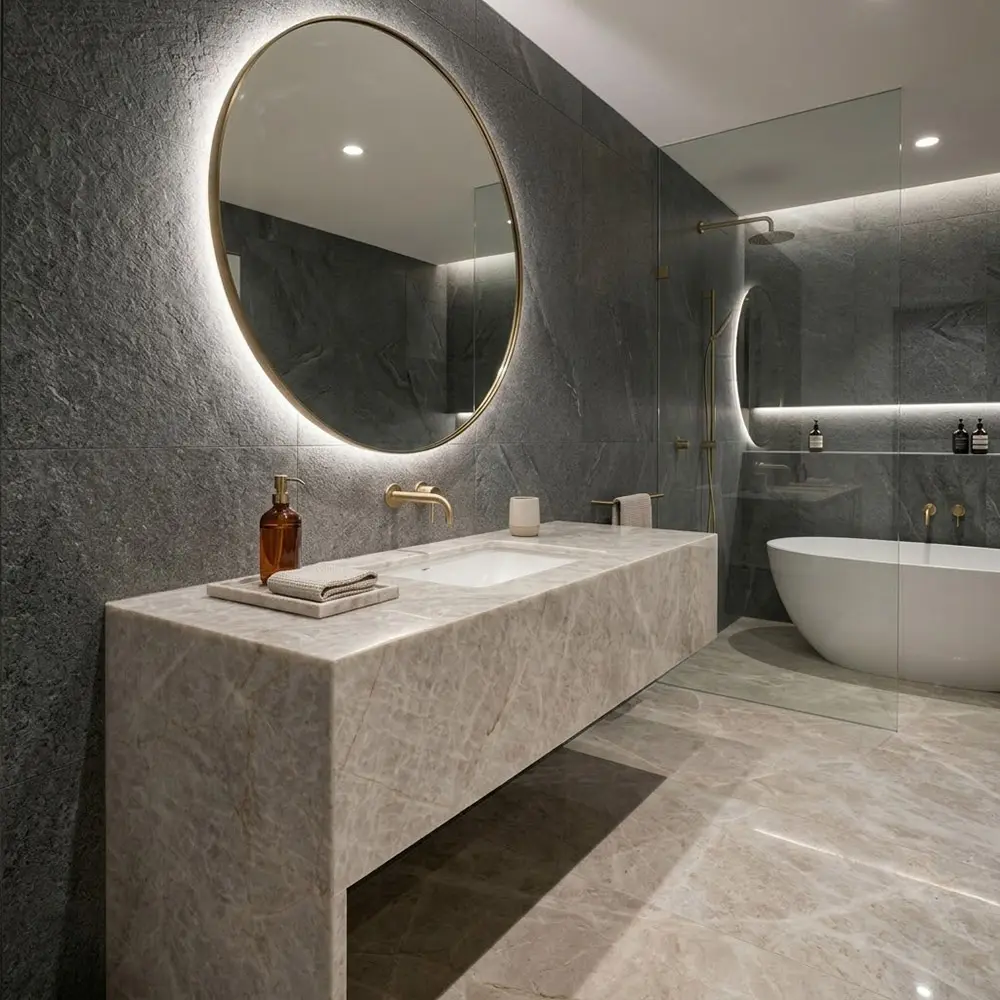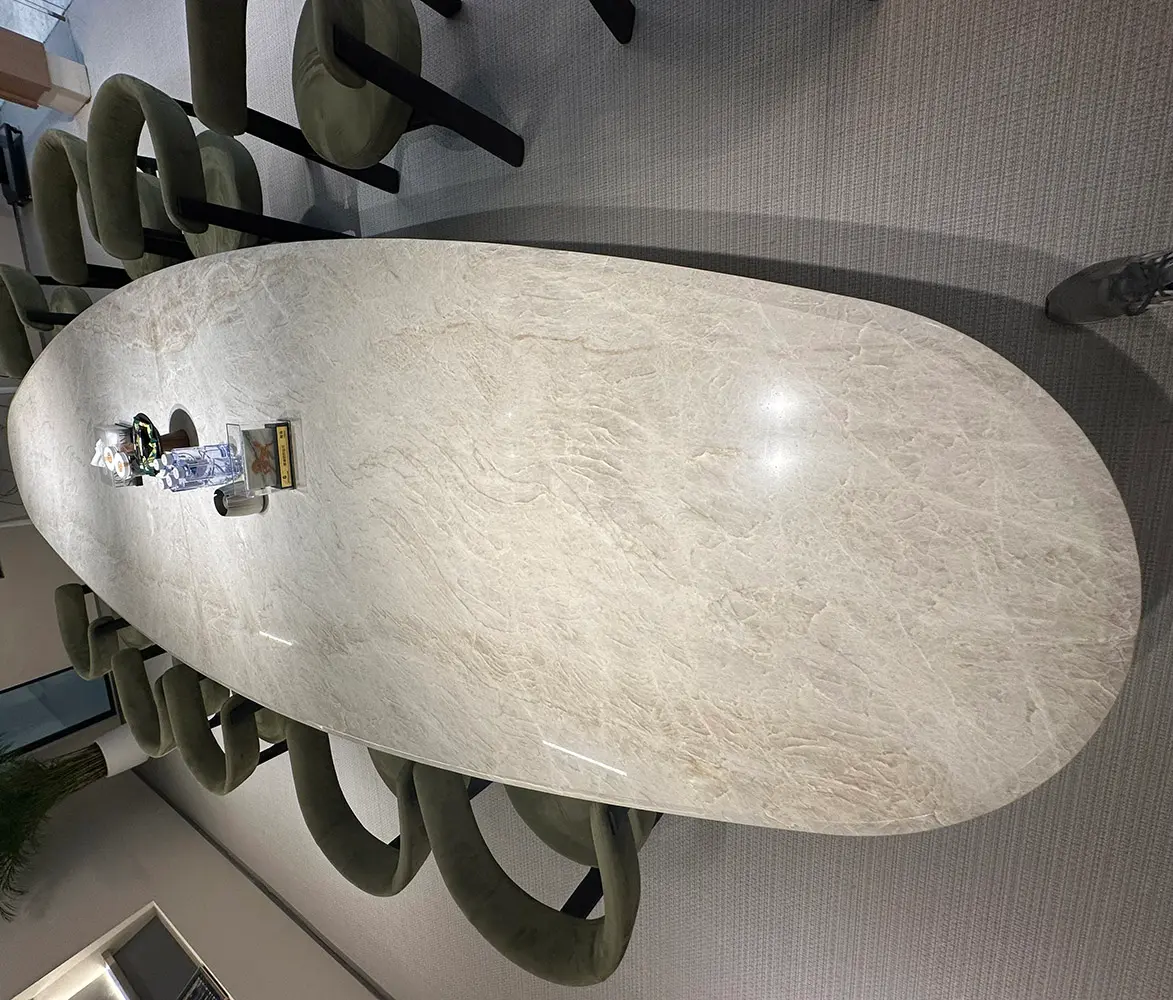






Why This Countertop Comparison Still Matters in 2026
A homeowner walks into a stone showroom with a clear dream: a bright marble kitchen island with soft grey veins, brass lighting, and white oak cabinets. The contractor looks at the family’s lifestyle and quietly asks, “Do you cook every day? Do you use lemon, tomato sauce, wine, or vinegar often?” Suddenly, the decision is no longer just about beauty. It becomes a practical question about performance, maintenance, lifestyle, and long-term satisfaction.
That is the real difference between Marble Slabs and Granite Slabs. Marble creates emotion. Granite creates confidence. Marble is often selected for elegance, soft veining, and luxury interiors. Granite is often selected for durability, scratch resistance, and daily-use practicality. Neither stone is automatically “better.” The better choice depends on who will use the countertop, how often it will be used, what maintenance the owner accepts, and what design feeling the project needs.
In 2026, countertop trends are moving toward practical luxury. Industry trend coverage based on NKBA research shows quartz and quartzite gaining strong preference because buyers increasingly value durability, easy maintenance, and seamless design; however, natural stones such as marble and granite still matter where authenticity, unique movement, and natural character are important.
For buyers who are comparing stone not only for countertops but also for broader architectural use, marble tiles for premium floors can help explain why marble remains strongly associated with elegant flooring, wall cladding, and upscale interior surfaces. The same luxury perception often influences countertop decisions, especially in bathrooms, villas, boutique hotels, and statement kitchens.
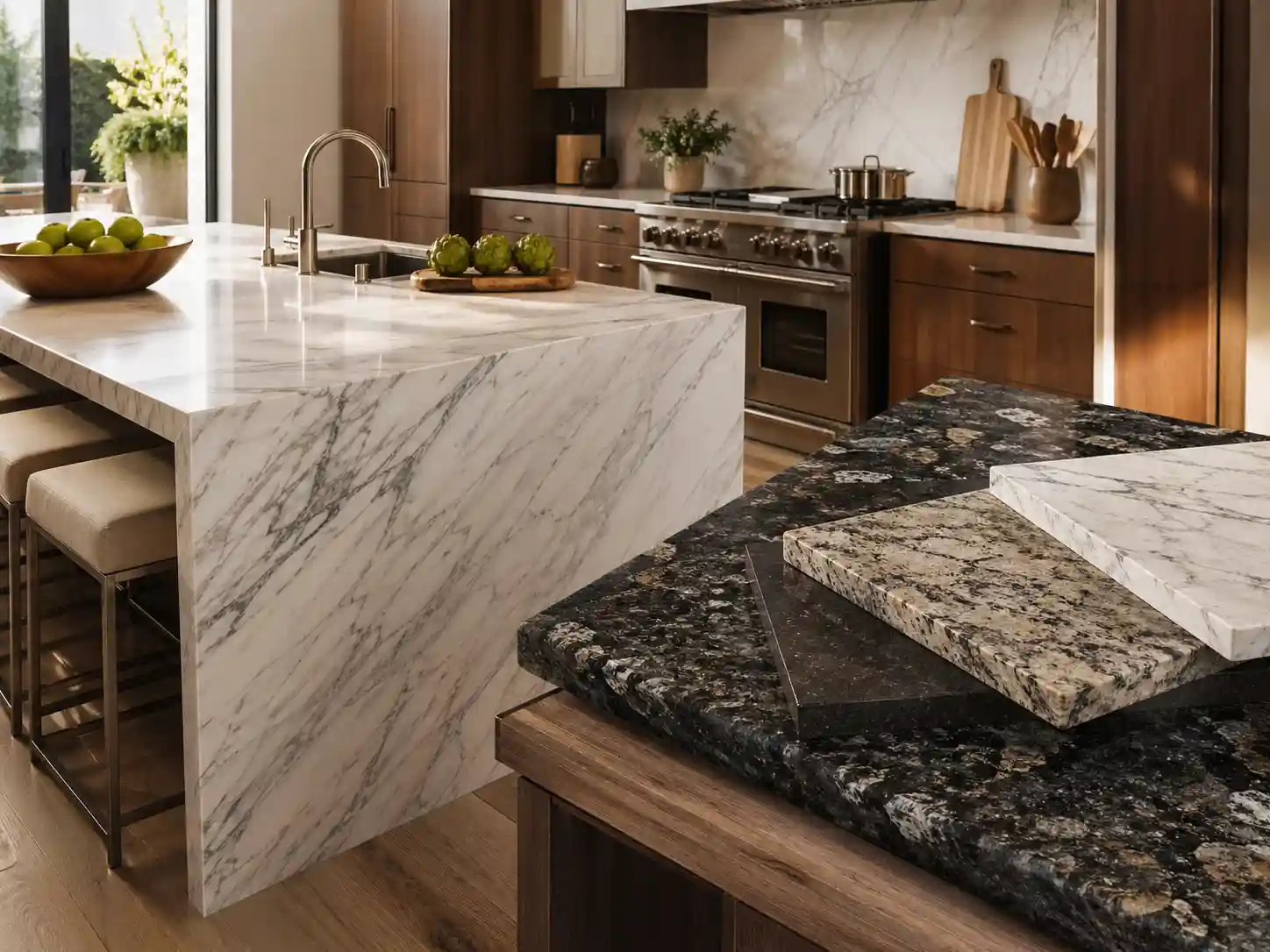
Marble Slabs vs Granite Slabs
Marble Slabs and Granite Slabs: What Are They Really?
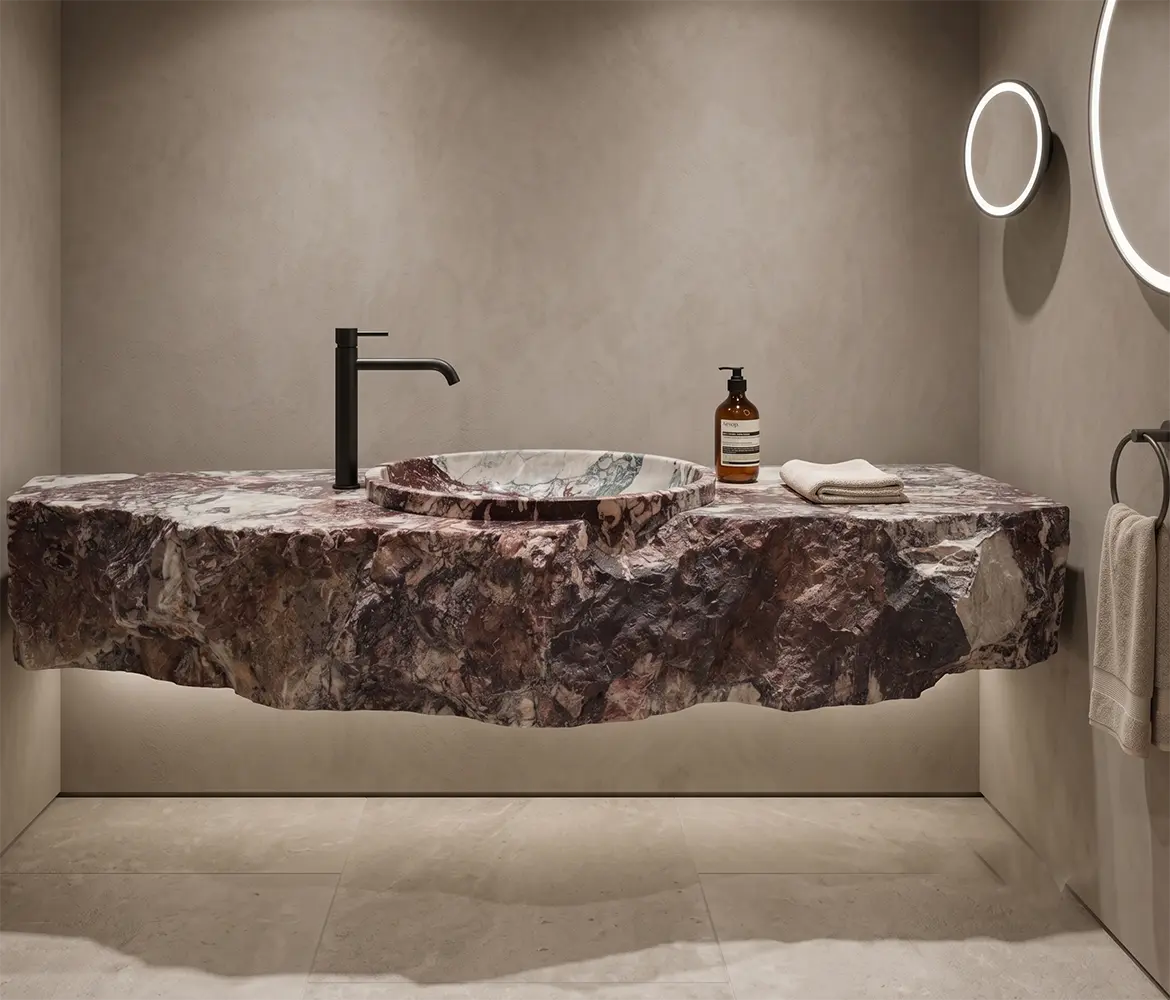
Marble is a metamorphic natural stone formed when limestone is transformed by heat and pressure. Its most recognizable feature is veining. Some marble slabs show soft grey movement, some carry gold, green, black, or brown tones, and some appear almost cloud-like. This visual softness is why marble is strongly connected with classic kitchens, hotel bathrooms, luxury fireplaces, vanity tops, and statement islands.
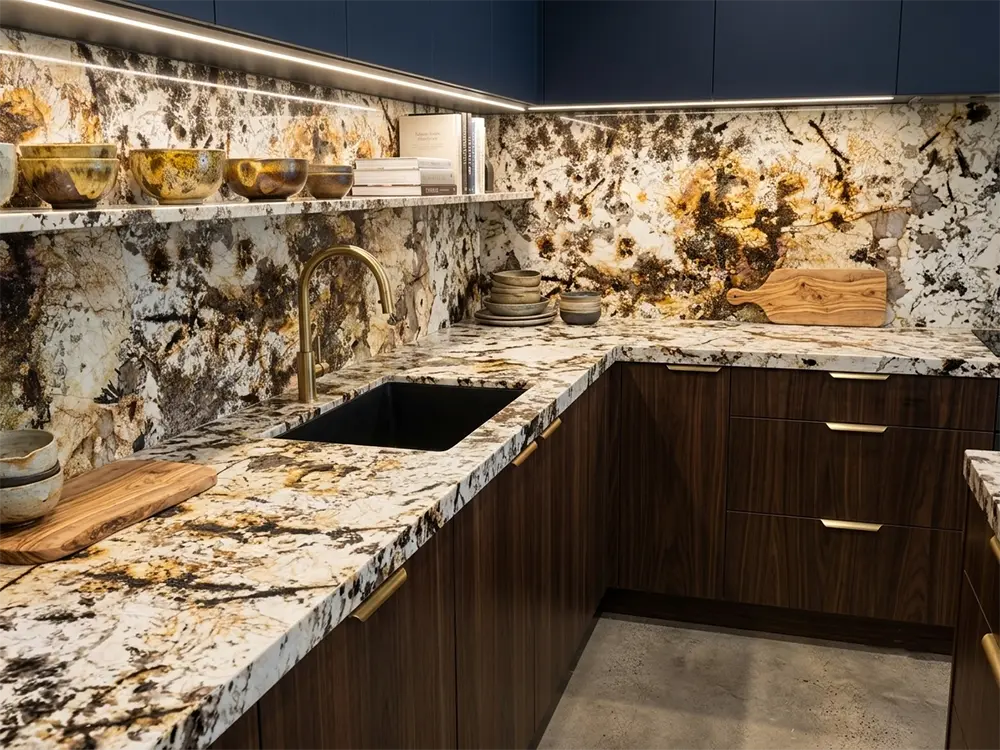
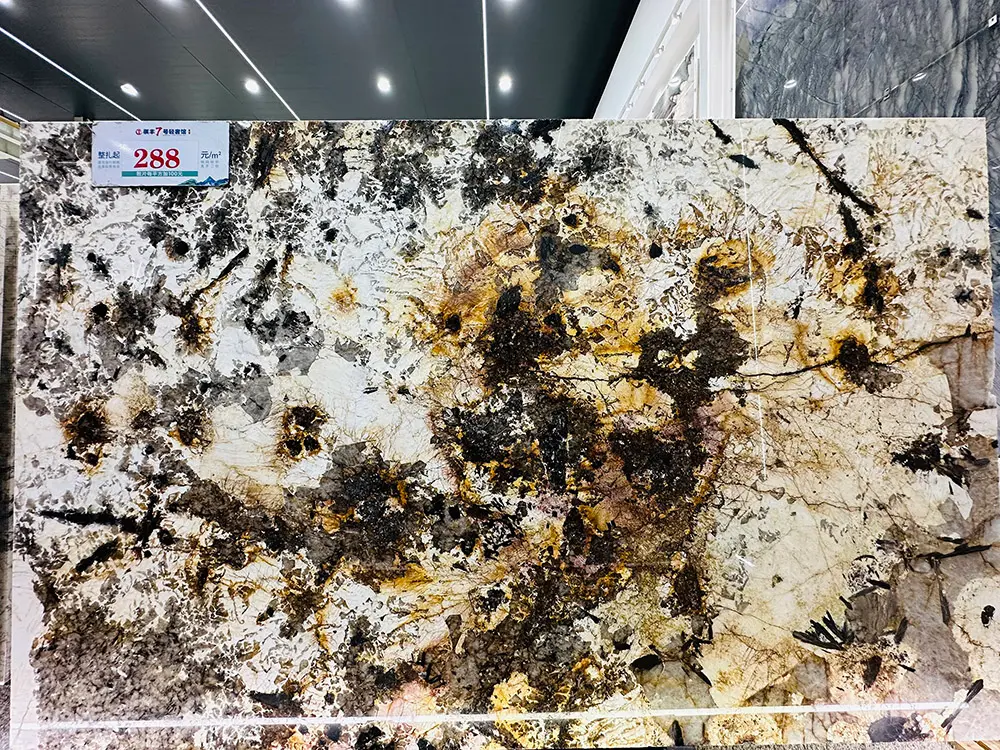
Granite is an igneous natural stone formed from cooled magma. It usually has a granular mineral structure and stronger hardness. Depending on the type, granite can be subtle and speckled, bold and dramatic, dark and dense, or colorful and exotic. It is widely used for busy kitchens, apartment projects, commercial counters, outdoor kitchens, and family homes.
| Factor | Marble Slabs | Granite Slabs |
|---|---|---|
| Stone Type | Metamorphic natural stone | Igneous natural stone |
| Visual Style | Elegant veining, soft movement | Granular texture, natural strength |
| Best Known For | Luxury and timeless beauty | Durability and everyday performance |
| Typical Hardness | About 3–5 on Mohs scale | About 6–7 on Mohs scale |
| Acid Sensitivity | Higher | Lower |
| Scratch Resistance | Moderate | Higher |
| Maintenance Demand | Higher | Moderate |
| Best Use | Luxury bathrooms, statement islands, careful-use kitchens | Busy kitchens, rental properties, commercial counters |
The first buyer mistake is treating marble and granite as interchangeable natural stones. They are not. Marble is more emotionally expressive but needs more care. Granite is more forgiving but may not deliver the same soft luxury feeling.
Appearance: Soft Luxury vs Natural Strength
The strongest reason buyers choose marble is appearance. Marble Slabs can make a room feel calmer, brighter, and more refined. White marble, grey-veined marble, beige marble, and green marble all create a sense of natural elegance that is difficult to imitate. For design-led interiors, marble often becomes the emotional center of the space.
Granite has a different visual personality. Granite Slabs feel grounded, strong, and practical. Some granite patterns are quiet and neutral, while others are dramatic enough to become a focal point. Granite also hides crumbs, small marks, and daily wear better than many light marble surfaces, which is useful in busy kitchens.
Color trends also influence material selection. Buyers who want to understand the broader direction of natural stone palettes can review marble color trends for 2026, because marble colors are no longer limited to classic white and grey. Warm beige, green, black, brown, and expressive veining are increasingly used in high-end interiors.
| Design Goal | Better Choice | Why |
|---|---|---|
| Soft luxury kitchen | Marble Slabs | Elegant veining and high-end identity |
| Busy family kitchen | Granite Slabs | More forgiving for daily use |
| Classic white island | Marble Slabs | Timeless visual appeal |
| Low-maintenance natural stone | Granite Slabs | Higher scratch and acid resistance |
| Hotel bathroom vanity | Marble Slabs | Strong luxury perception |
| Rental kitchen countertop | Granite Slabs | Better for unknown user habits |
| Outdoor kitchen | Granite Slabs | Often more practical than marble |
| Dramatic statement countertop | Depends on slab | Exotic marble or granite can both work |
 Marble Slabs | 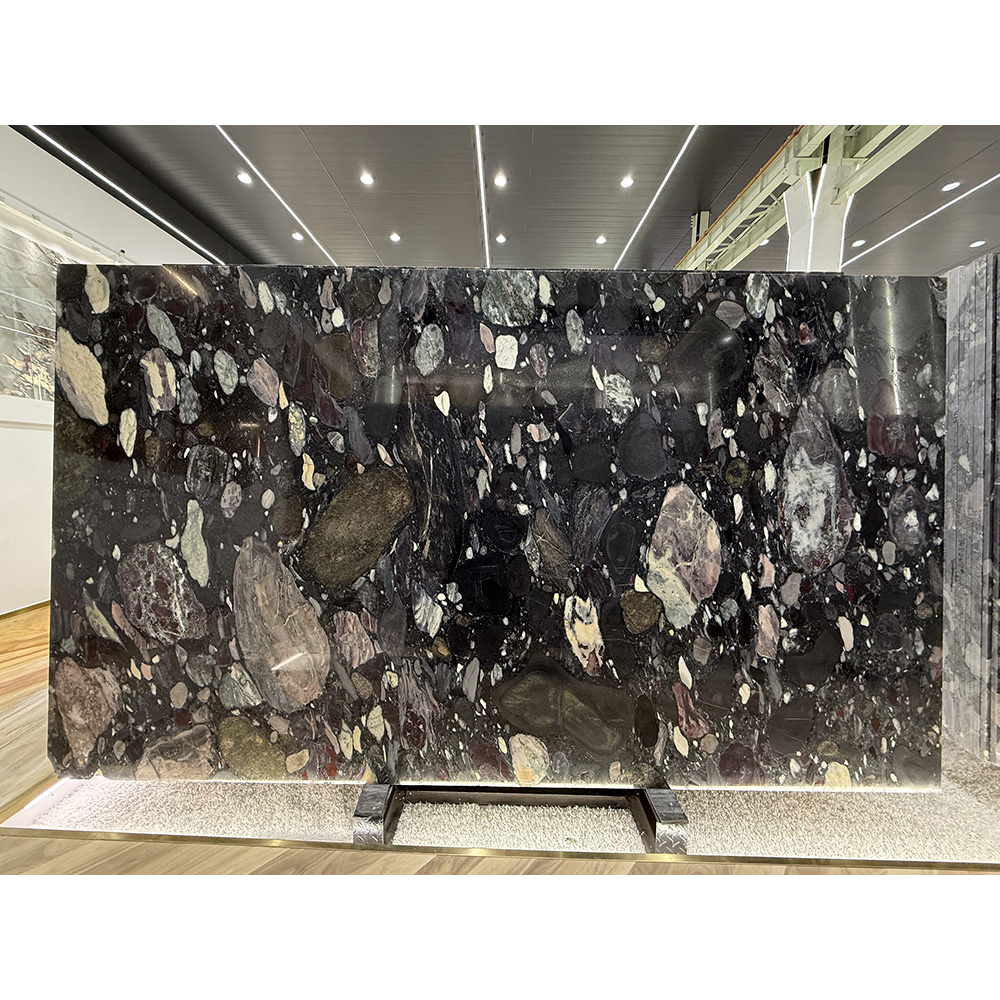 Pebble Black Granite |
Durability and Hardness: What Buyers Should Know
Durability is where granite usually wins. Granite is generally harder than marble, which means it is more resistant to scratches and daily kitchen wear. Marble can still last for decades, but it requires better care. If a buyer expects the countertop to stay flawless without much maintenance, marble may disappoint.
Marble’s main weakness is not just scratching. It is acid sensitivity. Because marble is calcium-based, acidic substances such as lemon juice, vinegar, wine, soda, and tomato sauce can react with the stone and leave dull marks known as etching. This is not the same as staining. A stain changes color by absorption; an etch changes the surface finish through chemical reaction.
Granite is generally more resistant to acids and daily kitchen wear, but it is not indestructible. Some lighter granites can still absorb oils or liquids if they are not properly sealed. Heavy impact, poor installation, weak seams, or unsuitable cleaners can still damage the countertop.
For buyers evaluating suppliers, company knowledge and material classification matter. A professional stone partner should understand application differences, not simply sell whatever slab looks attractive. Reviewing a supplier’s natural stone company background helps buyers judge whether the company can support stone selection, project recommendations, export packing, and application-based guidance.
| Property | Marble Slabs | Granite Slabs | Buyer Meaning |
|---|---|---|---|
| Mohs Hardness | About 3–5 | About 6–7 | Granite is generally more scratch-resistant |
| Acid Resistance | Lower | Higher | Marble can etch from acidic spills |
| Stain Risk | Moderate to high if unsealed | Moderate if unsealed | Sealing matters for both |
| Heat Tolerance | Good, but protection still recommended | Very good, but protection still recommended | Use trivets for both |
| Abrasion Resistance | Lower | Higher | Granite fits heavy-use kitchens better |
| Maintenance Demand | Higher | Moderate | Marble needs more careful users |
Natural Stone Institute guidance recommends neutral cleaners, stone soap, or mild liquid dishwashing detergent for stone surfaces, and warns that acidic products such as lemon or vinegar can dull or etch calcareous stones such as marble.
Cleaning, Sealing, and Daily Maintenance
Maintenance is where buyer expectations must be brutally honest. Marble is not a “use anything, wipe whenever” surface. It needs pH-neutral cleaning, quick spill response, cutting boards, coasters, trays, and realistic expectations about patina. Some homeowners love the aged look of marble over time. Others expect showroom perfection forever. Those two buyers should not make the same material decision.
Granite is easier for many households because it better tolerates ordinary kitchen use. It still benefits from sealing where needed, but it usually creates fewer daily worries than marble. For families, rental properties, busy kitchens, and commercial counters, this practical advantage is significant.
| Maintenance Factor | Marble Slabs | Granite Slabs |
|---|---|---|
| Daily Cleaning | More careful | Easier |
| Acid Spill Risk | High | Lower |
| Scratch Resistance | Moderate | Higher |
| Sealing Need | Often recommended | Often recommended |
| Long-Term Patina | More visible | Less visible |
| User Forgiveness | Lower | Higher |
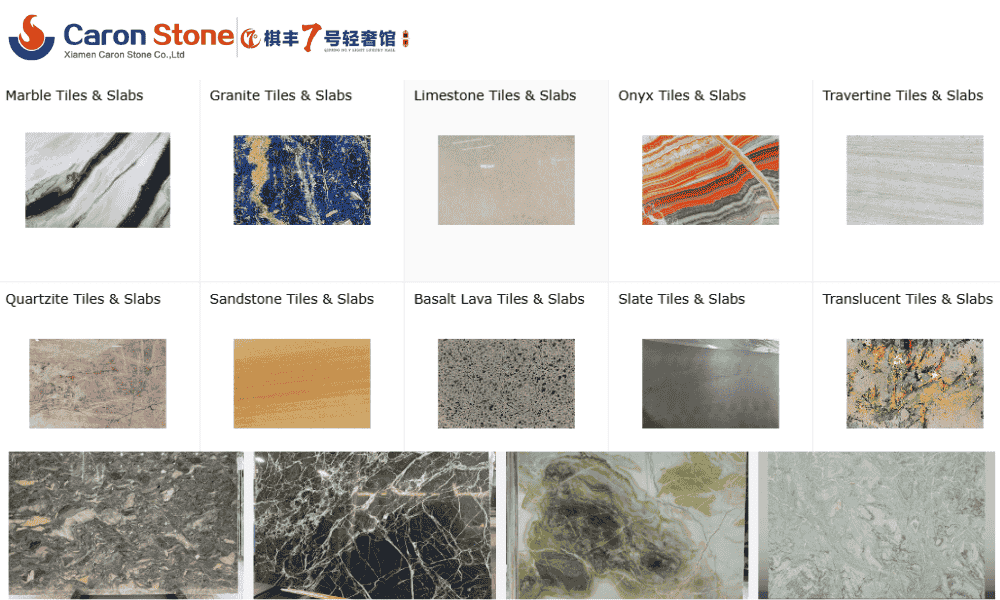
Buyers sourcing full countertop materials should compare full-slab options rather than small samples. A small sample can show color, but it cannot show full veining, mineral movement, cracks, resin areas, or layout potential. For broader selection, Marble Slabs should be reviewed by full slab photos, finish, thickness, and application suitability before final approval.
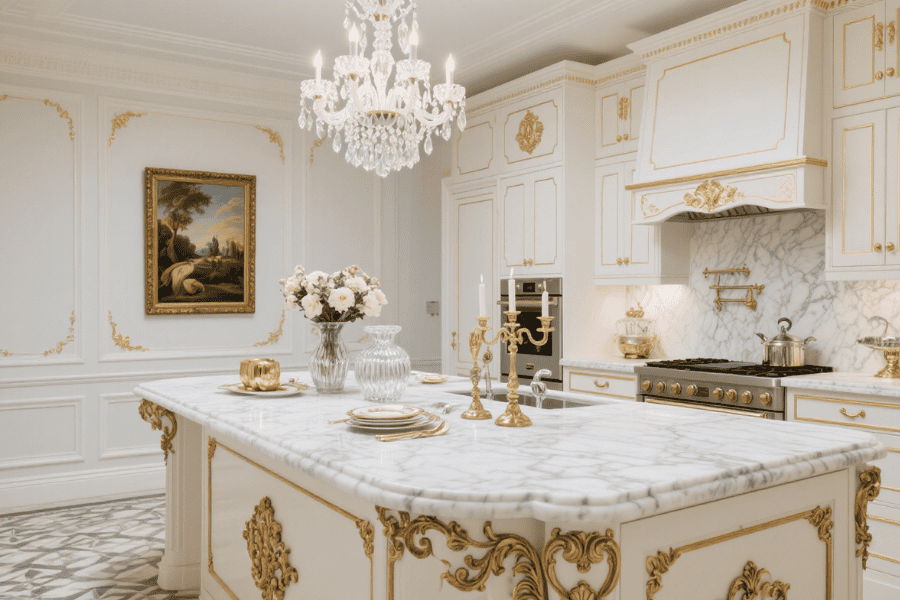 Luxury kitchen marble countertops | 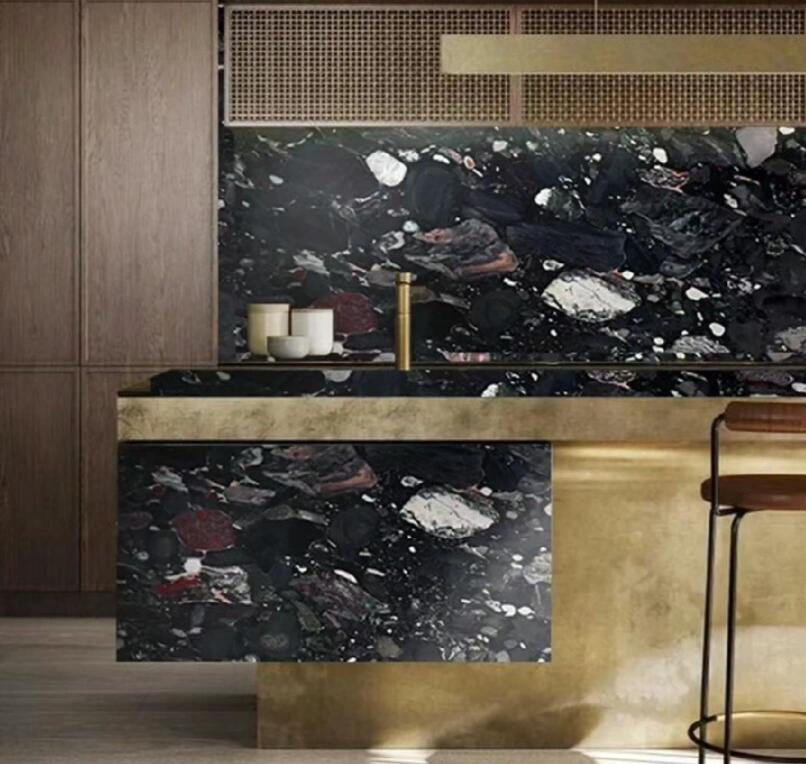 Pebble Black Granite kitchen countertop |
Kitchen Countertops: Which Stone Fits Daily Cooking?
For kitchens, the answer depends heavily on user habits. A careful homeowner who loves pastry, wipes spills quickly, avoids acidic cleaners, and accepts natural aging may enjoy marble for decades. A busy household that cooks daily with oils, sauces, spices, citrus, wine, and heavy cookware may be happier with granite.
Marble is excellent when the countertop is part of the design statement. It works beautifully for islands, baking surfaces, vanity tops, backsplashes, and kitchens where aesthetics are the priority. Granite is better when performance comes first. It is more forgiving in family kitchens and often more practical for users who do not want to think about every spill.
| Kitchen Habit | Better Choice | Why |
|---|---|---|
| Daily heavy cooking | Granite Slabs | More forgiving |
| Light cooking and luxury design focus | Marble Slabs | Stronger elegance |
| Baking and pastry work | Marble Slabs | Cool surface is useful |
| Children and frequent spills | Granite Slabs | Lower maintenance pressure |
| Rental property kitchen | Granite Slabs | Better for unknown users |
| Focal luxury island | Marble Slabs | Stronger visual impact |
| Outdoor cooking area | Granite Slabs | Often more suitable |
For buyers who need durable natural stone options for kitchens, Granite Slabs are often a safer direction when daily performance, scratch resistance, and lower maintenance pressure are more important than soft marble veining.
Chemical Stability and Weather Resistance
Chemical stability matters because countertops do not live in perfect showroom conditions. They face cleaners, moisture, cooking ingredients, oils, sunlight, heat variation, and repeated touch. Marble and granite respond differently to these conditions.
Marble is more chemically sensitive because acidic substances can react with its calcium carbonate content. This does not mean marble is weak; it means it needs the right environment and owner behavior. In bathrooms, feature islands, or careful-use kitchens, marble can perform beautifully. In aggressive kitchen environments, it requires education.
Granite is generally more chemically stable for kitchen use and often more suitable for outdoor or semi-outdoor applications, depending on the specific stone and finish. However, not all granites are identical. Some may contain minerals that react differently to weathering, moisture, or surface treatments.
For deeper material understanding, marble chemical stability and weather resistance is a useful topic because it helps buyers understand why stone behavior depends on mineral composition, environment, finish, and maintenance practice.
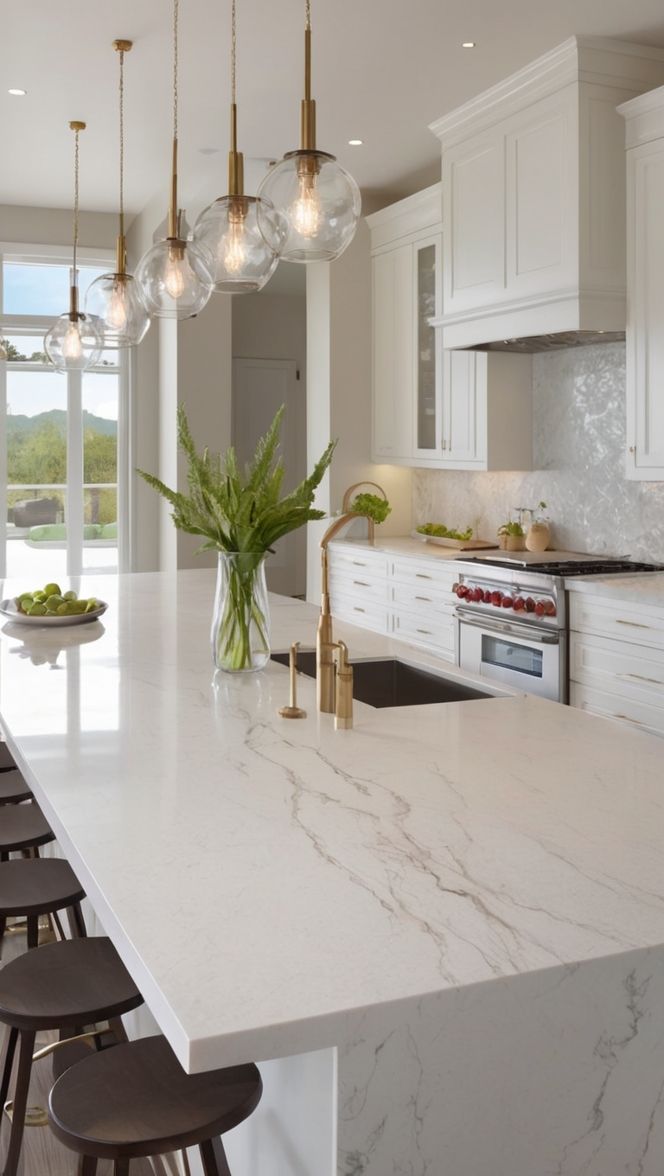
White Marble Countertops
White Marble vs Granite for Luxury Countertops
White marble remains one of the most desired luxury countertop materials because it communicates brightness, elegance, and timeless design. It pairs well with white oak, brass fixtures, cream cabinets, black accents, and warm lighting. In bathrooms and statement kitchens, white marble can create a soft luxury effect that granite may not easily replicate.
However, white marble is also one of the least forgiving choices for messy users. Etching, staining, and surface dullness are more visible on white marble than on many darker or busier stones. If the buyer wants a perfect white surface with low maintenance, they may need to reconsider expectations.
For design inspiration and color selection, best-selling white marble can help buyers understand why white marble remains popular in luxury interiors, but it should always be paired with honest maintenance guidance.
Granite, by contrast, may not always deliver the same soft veining, but it can deliver stronger day-to-day confidence. In a family kitchen, that confidence matters. A surface that looks slightly less delicate but performs better may create higher satisfaction over time.
Installation: The Hidden Risk Buyers Forget
Countertop performance is not only about the stone. Installation quality can decide whether the project succeeds. Edge profiles, sink cutouts, seams, support structure, overhangs, slab thickness, adhesive compatibility, and on-site handling all matter.
Marble can be more vulnerable during fabrication because it is softer and may have more natural veining or fissures. Sink cutouts and thin edges need careful handling. Granite is generally tougher, but it still requires skilled cutting, accurate templating, proper support, and safe handling.
For buyers installing stone in kitchens or bathrooms, installing Marble Slabs in kitchens and bathrooms is closely related to the real-world risk of cracking, misalignment, poor sealing, and weak support. A beautiful slab can still fail if the installation is careless.
Granite Pairing and Design Flexibility
Granite is sometimes unfairly treated as “only practical.” In reality, it can be very design-friendly when paired correctly. The right granite can work with maple, oak, walnut, painted cabinets, modern black hardware, stainless steel appliances, or warm neutral walls.
For example, warm-toned granite can pair well with maple cabinets because both materials share a natural, grounded feeling. Dark granite can create contrast with light wood. Speckled granite can hide daily wear while still adding texture.
Buyers planning cabinet and stone combinations can review pairing granite with maple cabinets because countertop selection should never be isolated from cabinetry, flooring, lighting, and wall color. The countertop is only one piece of the design puzzle.
Dramatic Granite and Specialty Stone Options
Granite is not limited to common speckled patterns. Exotic granite can offer blue, green, gold, pink, black, and highly dramatic mineral movement. Some varieties are strong enough visually to compete with marble as a design centerpiece.
For buyers who want a statement material but prefer granite’s performance advantages, Lemurian Blue Granite is an example of how granite can move beyond ordinary kitchen use and become a luxury focal surface. Dramatic granite can be especially useful for islands, bar tops, reception counters, and boutique interiors.
The buyer risk is pattern scale. Exotic granite may look spectacular in a slab yard but too intense in a small kitchen. Always review the full slab, not only a close-up photo. Strong stone needs visual breathing space.
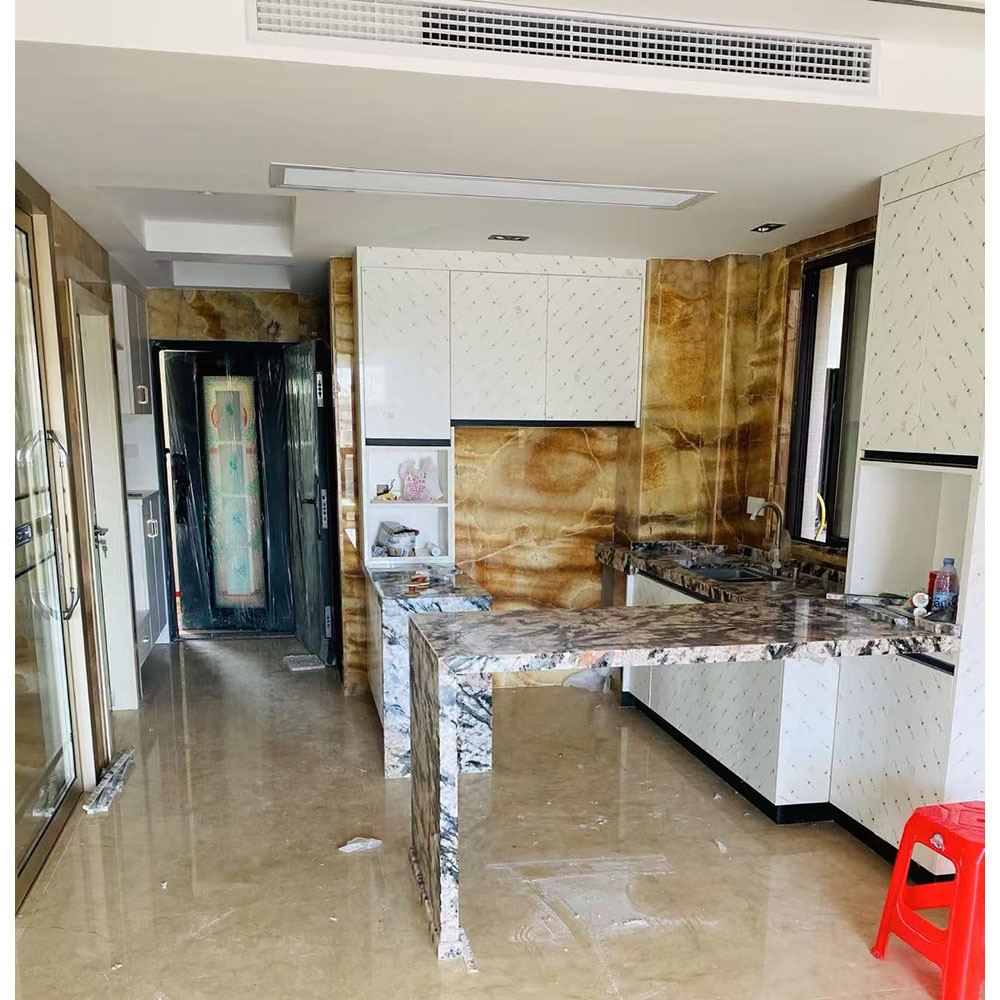
Pink Granite
Pink Granite and Warm Countertop Trends
Warm and expressive countertop colors are becoming more visible as interiors move away from cold grey-only palettes. Pink, beige, brown, cream, and earth-toned stones can create softer, more personal spaces. This is especially relevant for boutique homes, hospitality interiors, and kitchens that aim for warmth rather than pure minimalism.
A material like Pink Granite Kitchen Countertop shows how granite can support warmer and more individual design directions. It may not be the safest mass-market choice for every buyer, but it can be valuable when the design goal is personality, warmth, and distinction.
For distributors, the lesson is simple: stock safe colors for volume, but keep a curated selection of expressive stones for designers and premium projects.
Fabrication Safety and Regulatory Requirements
Whether buyers choose marble or granite, fabrication safety matters. Cutting, grinding, and polishing natural stone can generate respirable crystalline silica dust. OSHA’s respirable crystalline silica standard requires employers to use engineering and work-practice controls to reduce exposure, and OSHA’s countertop fabrication guidance emphasizes methods such as wet cutting, dust control, training, and respiratory protection where needed.
This is especially relevant for contractors, fabricators, wholesalers, and project buyers. A stone slab is not only a decorative product. It becomes part of a fabrication process. Buyers should work with fabricators who understand safe cutting practices, dust control, slab handling, and installation requirements.
| Safety / Compliance Topic | Why It Matters | Buyer Question |
|---|---|---|
| Wet Cutting | Helps reduce airborne dust | Does the fabricator use wet methods? |
| Dust Control | Protects workers | Is dust extraction available? |
| PPE | Supports worker safety | Are respirators used when required? |
| Slab Handling | Reduces breakage and injury risk | How are heavy slabs moved? |
| SDS / Material Info | Supports safety communication | Can material documentation be provided? |
| Installer Experience | Reduces project failure | Has the installer handled marble and granite before? |
Common Buyer Mistakes and Consequences
The first mistake is choosing marble only because it looks beautiful. If the user cooks heavily, uses acidic ingredients often, and expects perfect surfaces with little care, marble may create frustration.
The second mistake is choosing granite only because it is durable. If the client wants soft veining, bright luxury, and visual elegance, granite may feel too practical or visually heavy.
The third mistake is ignoring sealing. Many marble and granite countertops benefit from proper sealing, but sealing does not make stone stain-proof. It only improves resistance and gives users more time to clean spills.
The fourth mistake is using acidic cleaners on marble. Vinegar, lemon-based cleaners, and some bathroom cleaners can damage marble surfaces. This mistake is common, expensive, and completely avoidable.
The fifth mistake is selecting from small samples only. Full slabs show veining, movement, grain, fissures, and color transitions that small samples cannot reveal.
Recommended Selection Guide
| Buyer Situation | Recommended Choice |
|---|---|
| If the kitchen is used heavily every day | Granite Slabs |
| If the buyer wants classic soft luxury | Marble Slabs |
| If the home has children and frequent cooking | Granite Slabs |
| If the countertop is for a luxury bathroom | Marble Slabs |
| If the project is a rental property | Granite Slabs |
| If the buyer accepts patina | Marble Slabs |
| If the buyer wants lower maintenance natural stone | Granite Slabs |
| If the project needs dramatic natural veining | Marble or exotic granite |
| If the buyer uses acidic foods often | Granite Slabs |
| If the buyer wants a premium focal island | Marble Slabs with proper care |
For project-specific questions, slab sourcing, or countertop material selection, buyers can contact a natural stone supplier with project drawings, preferred colors, thickness needs, finish requirements, and application details. A professional supplier should help match the stone to the real countertop environment, not simply recommend the most attractive slab.
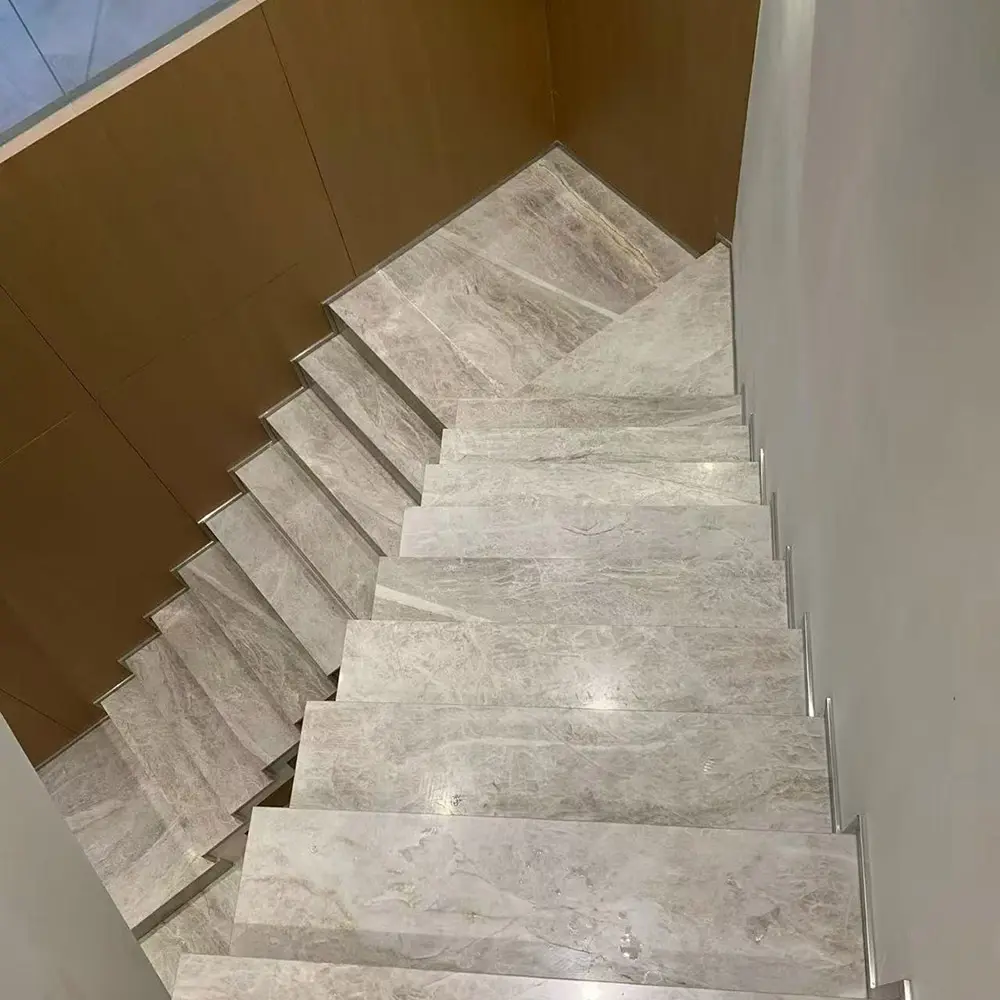
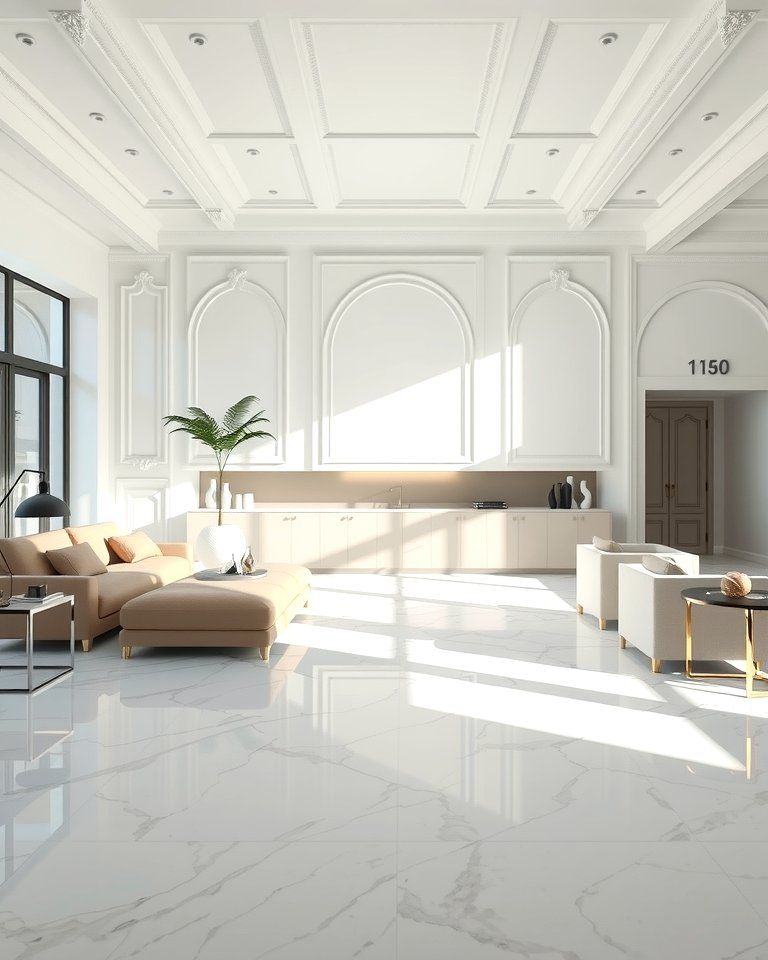 Marble Flooring | 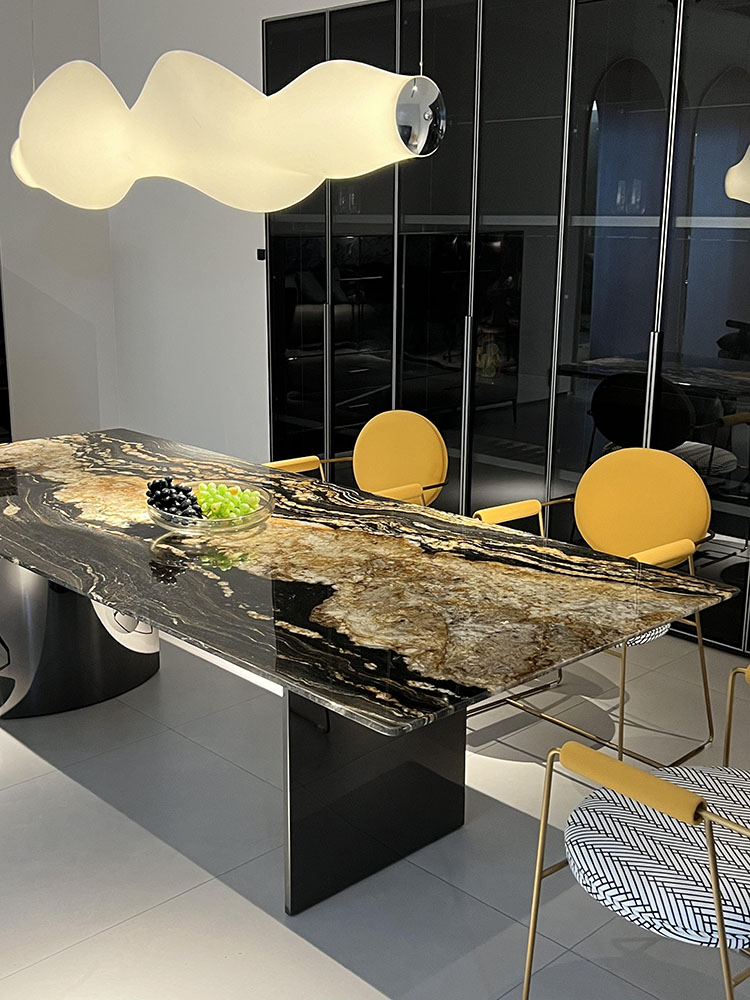 black-taurus-granite-kitchen-island-waterfall |
Final Recommendation: Choose by Lifestyle, Not by Showroom Emotion
Marble Slabs and Granite Slabs are both premium natural stone materials, but they solve different problems. Marble is best for buyers who want elegance, soft veining, natural luxury, and a timeless visual statement. Granite is best for buyers who want durability, lower maintenance pressure, stronger scratch resistance, and practical everyday performance.
The smartest buyer does not ask, “Which stone is better?” The smarter question is, “Which stone is better for this countertop, this user, this kitchen, this maintenance expectation, and this design goal?”
Choose Marble Slabs for luxury bathrooms, careful-use kitchens, focal islands, boutique interiors, and homeowners who appreciate natural patina. Choose Granite Slabs for busy kitchens, family homes, rental properties, outdoor kitchens, and commercial counters where durability matters more than delicate elegance.
Always inspect full slabs, confirm sealing needs, discuss edge profiles, understand fabrication safety, and match the stone to real-life use before ordering. That is how buyers avoid regret and get countertops that look good not only on installation day, but years later.
Frequently Asked Questions
1. Are Marble Slabs good for kitchen countertops?
Marble Slabs can be good for kitchen countertops when the buyer values luxury appearance and accepts careful maintenance. Marble offers elegant veining, a cool surface, and timeless design appeal, especially for statement islands and high-end kitchens. However, marble is more sensitive to acidic substances such as lemon juice, vinegar, wine, and tomato sauce, which can cause etching. Buyers should use pH-neutral cleaners, wipe spills quickly, seal when needed, and understand that marble may develop a natural patina over time.
2. Are Granite Slabs better than Marble Slabs for countertops?
Granite Slabs are generally better than Marble Slabs for busy kitchens because granite is harder, more scratch-resistant, and more forgiving during daily cooking. Marble is better when the buyer wants soft luxury, classic veining, and a refined visual statement. The better choice depends on lifestyle, maintenance expectations, and design goals. For families, rental properties, outdoor kitchens, and commercial counters, granite is often safer. For luxury bathrooms, focal islands, and careful-use kitchens, marble may be more visually rewarding.
3. Which is easier to maintain, marble or granite?
Granite is generally easier to maintain than marble because it is more resistant to scratching and less sensitive to acids. Marble needs more careful cleaning because acidic products and common kitchen ingredients can dull or etch the surface. Both marble and granite may benefit from sealing, depending on the stone and application. Buyers should use mild or pH-neutral cleaners, avoid harsh chemicals, wipe spills quickly, and follow supplier maintenance guidance to protect long-term countertop performance.
4. Do Marble Slabs and Granite Slabs need sealing?
Many Marble Slabs and Granite Slabs benefit from sealing, especially when used as kitchen countertops, bathroom vanities, or commercial counters. Sealing helps improve resistance to everyday spills and stains, but it does not make natural stone completely stain-proof or damage-proof. Marble still needs protection from acids, and granite still needs proper cleaning and care. Buyers should ask the supplier or fabricator whether the selected slab needs sealing, how often it should be maintained, and which cleaner is suitable.
5. Which stone is best for luxury countertops?
The best stone for luxury countertops depends on how the buyer defines luxury. Marble Slabs are often preferred for soft elegance, classic veining, and high-end visual emotion. Granite Slabs are preferred when luxury must also include durability, lower maintenance pressure, and stronger daily performance. For a premium focal island or bathroom vanity, marble may be the better visual choice. For a busy luxury kitchen that needs beauty and practicality, granite or selected exotic granite may be the better long-term decision.
References
- “Learn About Cleaning Products for Natural Stone,” Natural Stone Institute, Natural Stone Institute Consumer Care Guide.
- “A Guide to the Care & Cleaning of Natural Stone,” Marble Institute of America, Natural Stone Care Guide.
- “Worker Exposure to Silica during Countertop Fabrication,” Occupational Safety and Health Administration, OSHA Publication.
- “Respirable Crystalline Silica Standard 1910.1053,” Occupational Safety and Health Administration, OSHA Regulations.
- “NKBA 2026 Kitchen Trends Report,” National Kitchen & Bath Association, NKBA Market Research.
- “Designers Are Ditching Granite and Marble for This Countertop—Plus More Kitchen Trends for 2026,” Real Simple Editorial Team, Real Simple Home Design.
- “Dimension Stone Design Manual,” Natural Stone Institute Technical Committee, Natural Stone Institute.
- “Dimension Stone Testing and Evaluation – The What, Why, and How,” IIBEC Editorial Team, International Institute of Building Enclosure Consultants.
Semantic Closure Content Block: Marble Slabs vs Granite Slabs Buyer Decision Insight
What is the main difference between Marble Slabs and Granite Slabs? Marble Slabs are usually selected for soft luxury, elegant veining, and timeless design value, while Granite Slabs are usually selected for stronger daily durability, scratch resistance, and lower maintenance pressure. Both are premium natural stones, but they fit different countertop users and project goals.
Why does lifestyle matter when choosing countertop stone? A countertop used for daily cooking, children’s meals, acidic ingredients, and heavy cookware needs a more forgiving material. Granite Slabs are often better for this type of use. Marble Slabs are better when the buyer values elegance and accepts careful cleaning, sealing, and natural patina over time.
How should buyers choose the better option? If the project is a luxury bathroom, boutique kitchen, focal island, or carefully maintained interior, Marble Slabs can deliver stronger visual emotion. If the project is a busy kitchen, rental property, outdoor cooking area, or commercial counter, Granite Slabs usually provide safer long-term performance.
What risks should buyers consider before ordering? Marble can etch from acidic substances and needs more careful maintenance. Granite is more durable but may not provide the same soft veining or luxury feeling. Both materials require proper sealing, skilled fabrication, full slab inspection, safe cutting practices, and correct installation support.
What is the best buying recommendation? Do not choose stone only by showroom appearance. Buyers should compare hardness, porosity, acid sensitivity, slab pattern, thickness, finish, maintenance expectations, fabrication requirements, and real user habits. The right stone is the one that matches both the design vision and the daily use environment.
Final buyer insight: Marble Slabs win when beauty and elegance are the top priority. Granite Slabs win when durability and practicality are more important. A smart countertop decision balances emotion, performance, maintenance, and long-term satisfaction.