





Quick Overview: Strategic Procurement of Marble Slabs in 2026
In the highly competitive landscape of commercial architecture and luxury real estate development, the specification of interior and exterior finishes is a critical determinant of a property’s overall market valuation. As we move into 2026, the global stone industry is experiencing a profound paradigm shift. Procurement directors, lead architects, and international distributors are moving beyond the safe, uniform aesthetics of the past decade, demanding materials that offer uncompromising visual impact backed by rigorous structural data. This evolution is reshaping how natural stone is quarried, processed, and deployed across massive hospitality, corporate, and multi-family residential sectors.
Understanding these emerging trends is not merely an exercise in aesthetic appreciation; it is a fundamental requirement for risk-averse commercial procurement. Navigating the complex global supply chain requires deep technical knowledge of petrology, finishing techniques, and environmental compliance. To execute flawless projects that stand the test of time, developers must abandon outdated sourcing habits and adopt a data-driven approach to architectural stone.
Marble Slabs Suppliers
The 2026 Aesthetic Shift: Bold Veining and High Contrast
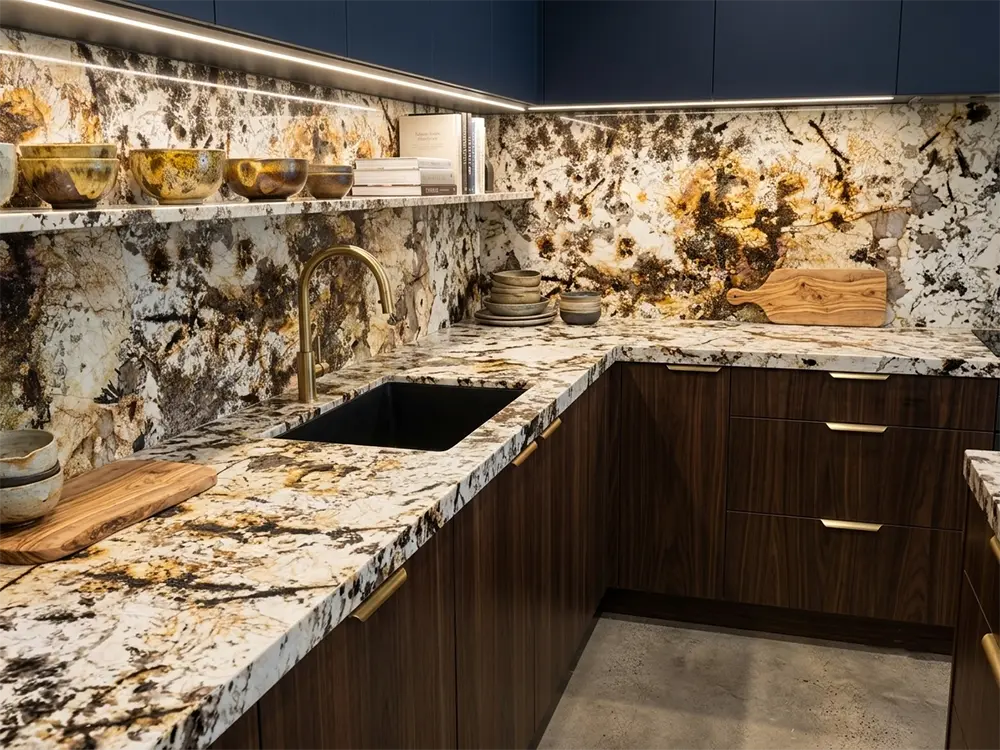
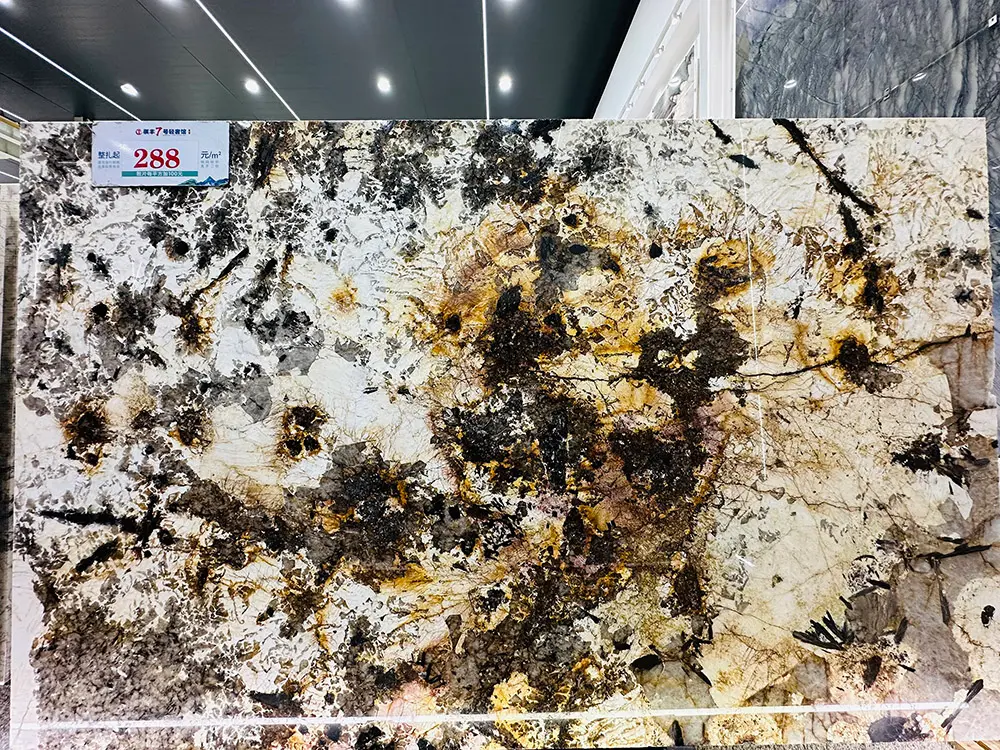
For years, the architectural baseline was dominated by pure white stones with subtle, wispy veining—materials that offered a clean, minimalist, but ultimately predictable aesthetic. In 2026, the design mandate has shifted dramatically toward aggressive contrast and geological drama. Luxury hotel lobbies, corporate atriums, and premium retail flagships are now utilizing heavily veined breccia, deeply saturated Calacatta varieties, and striking Arabescato blocks as their primary focal points.
This shift is driven by the need to create highly photogenic, experiential spaces that drive digital engagement and immediately communicate five-star luxury. Executing this level of design requires more than just picking a color from a catalog; it demands rigorous professional marble selection where interior architects evaluate the directional flow of the veins to plan exact book-matched or quad-matched feature walls. When these dramatic patterns are seamlessly integrated across a massive vertical expanse, the stone transcends its role as a mere building material and becomes an irreplaceable piece of organic art, exponentially increasing the perceived value of the real estate.
Exotic Varieties Taking Center Stage
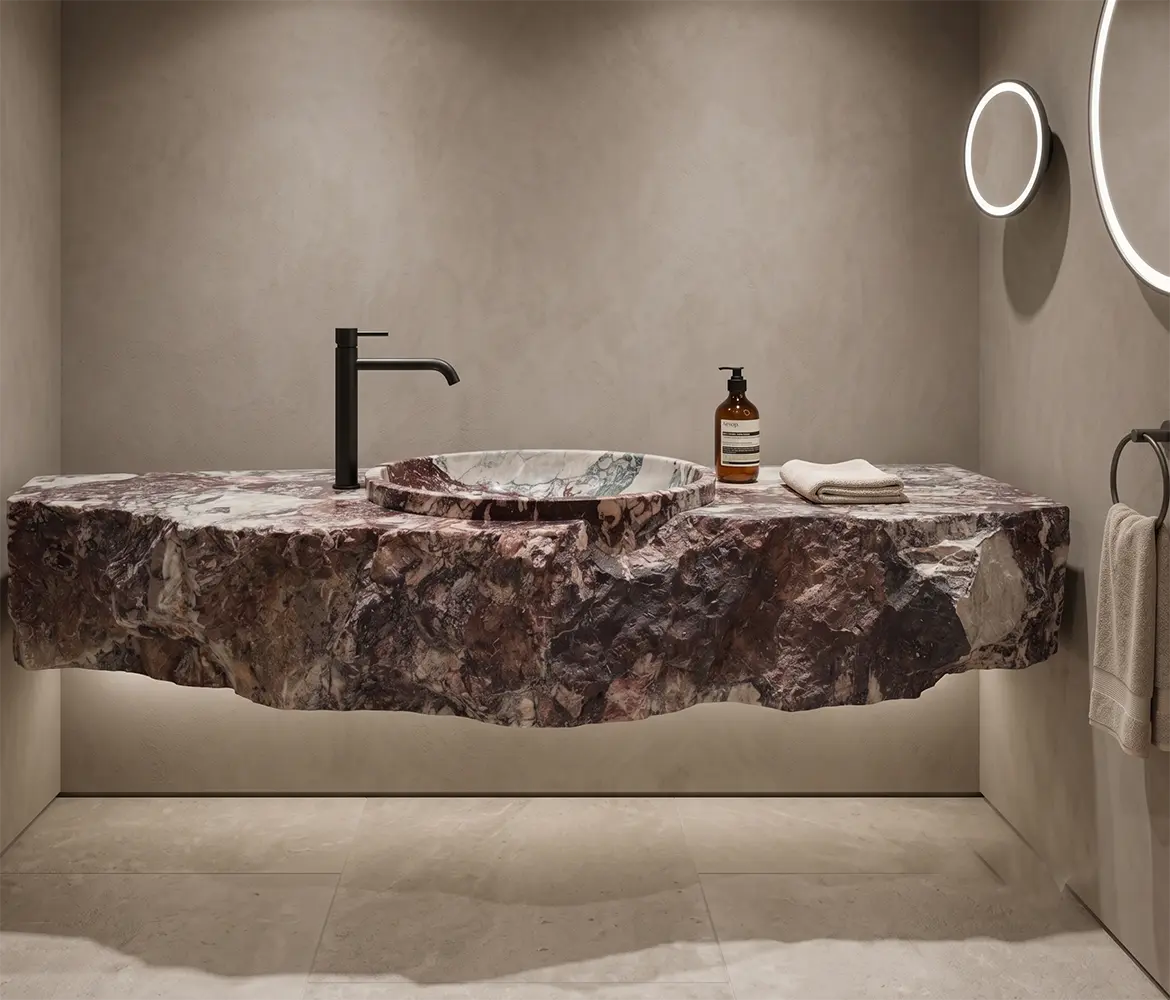
Moving beyond the traditional grey and white monochromatic spectrum, 2026 is witnessing a surge in demand for exotic, heavily pigmented stones. Deep burgundies, vibrant lapis blues, and intense emerald greens are being specified for high-impact zones such as luxury bar tops, elevator surrounds, and executive washrooms. These rare geological formations contain complex mineral inclusions—such as serpentine or chlorite—that give the stone its spectacular color but also alter its physical density and fabrication requirements.
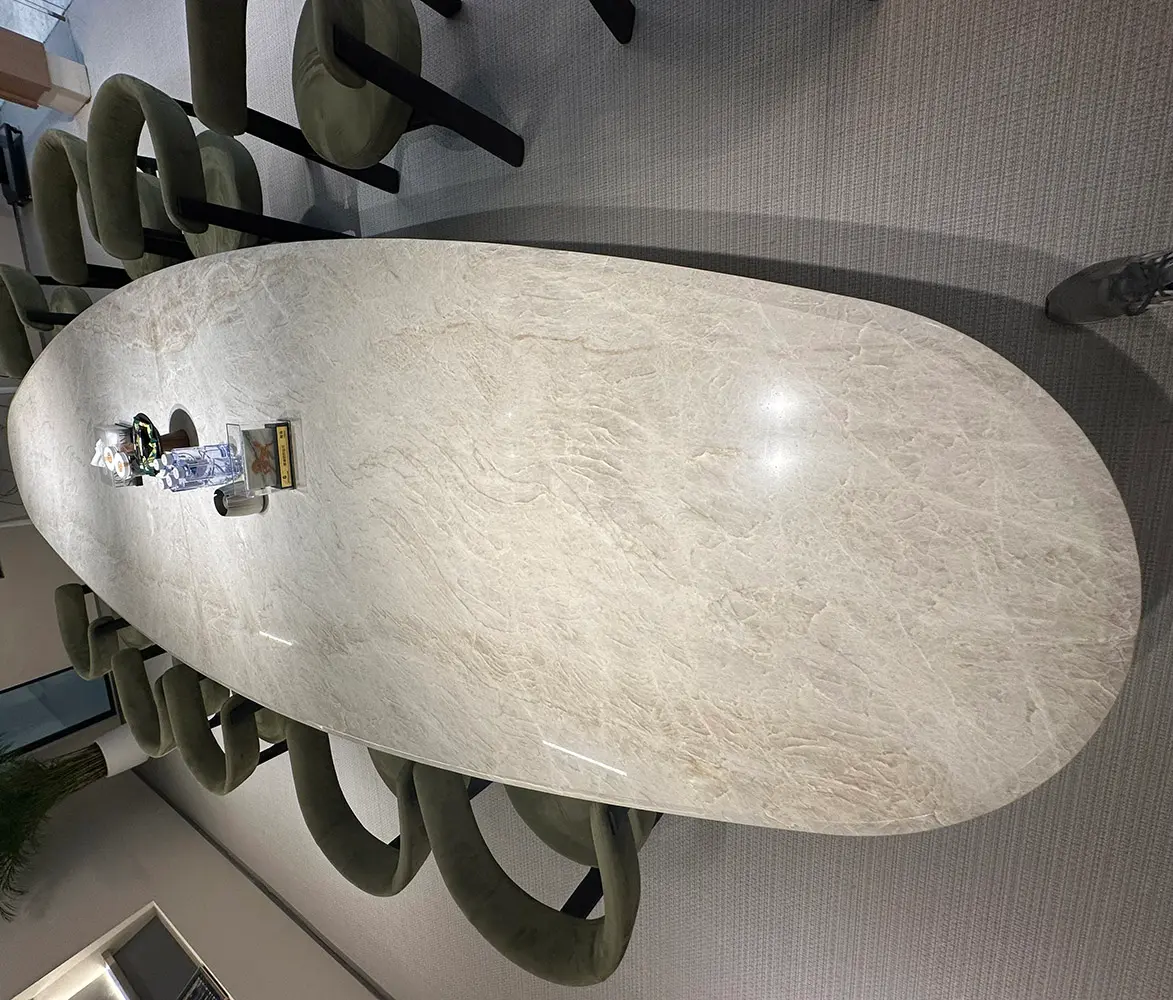
One of the most sought-after categories in this exotic resurgence includes materials that offer partial translucency. For example, specific variations of exotic green marble slabs can be dramatically backlit with custom LED panels, transforming a static reception desk into a glowing, kinetic architectural feature. Procuring these exotic blocks requires a deep understanding of the quarry’s yield and the structural integrity of the stone, as highly figured materials often feature natural fissures that must be professionally resin-treated at the factory level before polishing.
Advanced Surface Finishes: Beyond the Traditional High-Gloss
While high-gloss, mirror-polished finishes remain a staple in luxury design, 2026 is defined by a massive pivot toward tactile, sensory-rich surface treatments. Architects are increasingly specifying leathered, honed, brushed, and acid-washed textures for commercial environments. These advanced finishes dull the glare of intense commercial lighting, creating a softer, more biophilic atmosphere that resonates with modern wellness-focused design principles.
Beyond aesthetics, these textured finishes solve critical operational challenges in the B2B sector. A matte or leathered surface is exceptionally forgiving, easily masking daily micro-scratches, dust, and fingerprints that would immediately ruin a high-gloss floor. Furthermore, from a liability standpoint, textured finishes naturally increase the Dynamic Coefficient of Friction (DCOF), making them far safer for high-traffic or wet environments. When sourcing wholesale luxury marble slabs for massive resort projects, specifying a honed finish drastically reduces slip-and-fall liabilities and cuts daily maintenance costs, lowering the overall Total Cost of Ownership (TCO) for the facility management team.
Formats and Scaling in Large-Scale Development
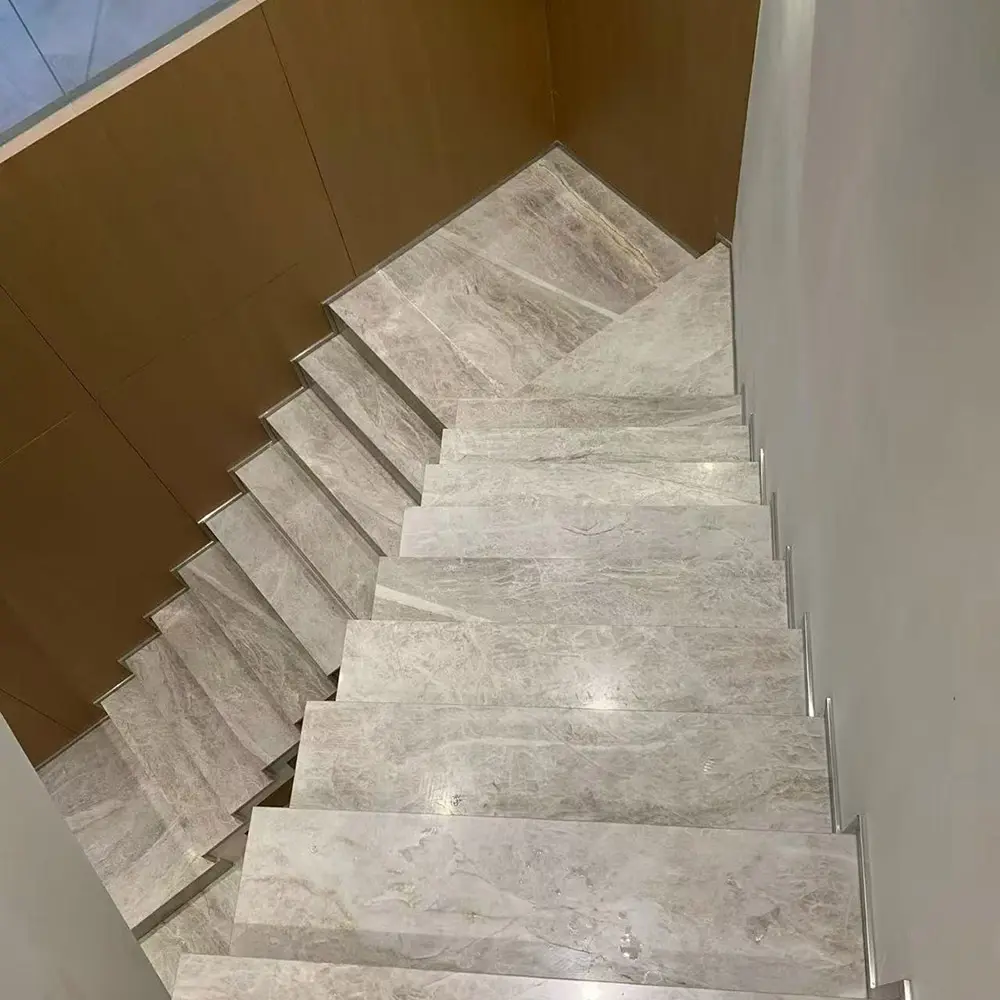
When outfitting a 500-unit luxury condominium complex or an expansive commercial plaza, the physical dimensions of the stone become a critical logistical calculation. The debate between utilizing massive, continuous pieces versus modular, cut-to-size formats is a constant challenge for procurement officers. Large, unbroken formats provide a seamless, monolithic appearance that is synonymous with ultra-luxury, effectively minimizing grout lines which can trap dirt and disrupt the visual flow of the material’s natural veining.
However, transporting, maneuvering, and installing pieces that weigh over 800 pounds requires specialized rigging equipment and highly skilled labor, which can strain project budgets. By conducting a thorough analysis of the specific spatial requirements and ordering bulk marble slabs for commercial projects, developers can strike the perfect balance. They often reserve the massive, unbroken formats for high-visibility public spaces like lobbies, while utilizing precision-cut, standardized modular formats from the exact same quarry block for guest bathrooms and secondary corridors, ensuring 100% color consistency while controlling installation costs.
Material Parameters and Comparative Analysis
Commercial procurement decisions must be grounded in empirical data rather than mere emotion. Natural calcium carbonate stone possesses specific physical traits that must be matched to the environmental stress of the deployment zone. B2B buyers must analyze the petrology of the material to ensure it will survive the intended commercial application without premature degradation.
Partnering with a technologically advanced custom marble slabs manufacturer ensures that buyers have access to rigorous testing data. The following matrix compares standard commercial marble against other popular architectural surfaces, providing a clear, scientific framework for specification.
| Physical Property | Standard Commercial Marble | Premium Quartzite | Sintered Stone (Ceramic) | Commercial Implication |
| Mohs Hardness | 3.0 – 4.0 | 7.0 | 7.0 – 8.0 | Determines resistance to deep scratching from foot traffic. |
| Water Absorption (Porosity) | 0.1% – 0.2% | < 0.1% | < 0.05% | Indicates susceptibility to liquid staining and freeze/thaw damage. |
| Compressive Strength | ~ 80 – 120 MPa | ~ 150+ MPa | ~ 300 MPa | Determines the material’s ability to withstand heavy dynamic loads. |
| Acid Resistance | Low (Requires Sealing) | High | Absolute | Dictates suitability for commercial kitchens or citrus-heavy bar tops. |
Quality Control and Authenticity Verification
As the global demand for premium natural stone rises, the market has seen an influx of highly sophisticated artificial imitations and chemically altered, lower-grade stones. For procurement directors managing multi-million-dollar budgets, verifying the geological authenticity and structural soundness of a block is a high-stakes endeavor. Artificial stones, while durable, lack the natural crystalline depth, unique thermal conductivity (coolness to the touch), and random, unrepeated veining of earth-born materials.
Furthermore, lower-grade natural stones are sometimes injected with artificial dyes to mimic the appearance of exotic, high-value varieties. B2B buyers must implement rigorous quality control protocols, understanding the exact science of evaluating marble authenticity. This involves conducting scratch tests, utilizing UV light to expose hidden resin fills, and performing acid-reactivity tests on samples. Bypassing third-party brokers and establishing a direct line of sight to the quarry’s block extraction records is the only foolproof method to guarantee the authenticity of a massive commercial order.

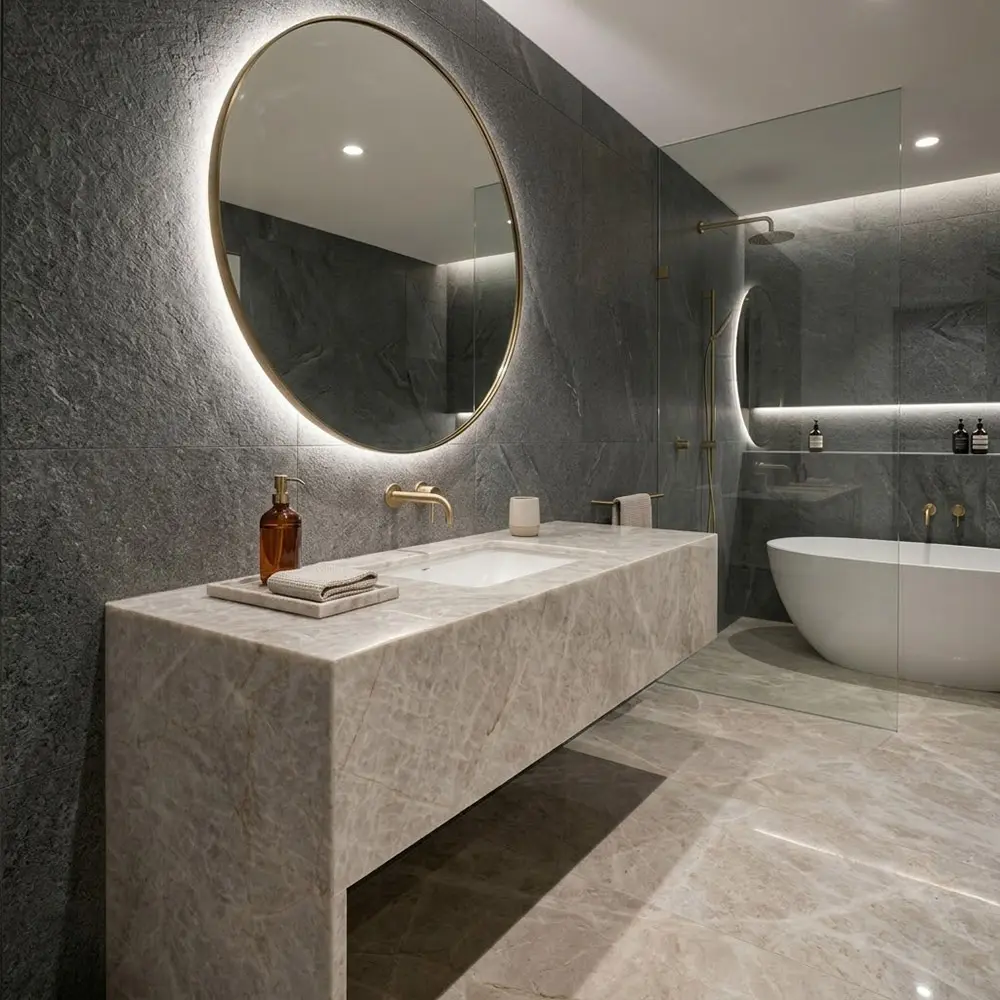
premium-translucent-marble-Bathroom vanities
Environmental Regulations and ESG Compliance in 2026
Modern commercial architecture is heavily governed by stringent Environmental, Social, and Governance (ESG) mandates. The 2026 regulatory landscape in the EU and North America strictly dictates how building materials are sourced, processed, and imported. Utilizing non-compliant materials can result in severe financial penalties, failed building inspections, and the inability to secure valuable green building certifications like LEED v4.1 or BREEAM.
When sourcing stone internationally, developers must audit their supply chain to ensure the quarrying process utilizes closed-loop water recycling systems and adheres to responsible land reclamation practices. By partnering with a fully compliant premium natural stone factory, buyers guarantee that their materials are extracted ethically. Furthermore, the fabrication process must utilize low-VOC (Volatile Organic Compound) epoxies and resins to ensure the final product does not compromise the Indoor Air Quality (IAQ) of the finished commercial space.
Engineering the Perfect Substrate for Heavy Materials
Procuring world-class stone is only the first phase; executing a flawless installation is where commercial projects succeed or fail. Natural stone is incredibly dense, frequently weighing upwards of 15 pounds per square foot at a standard 2cm thickness. If the underlying architectural substrate is not perfectly engineered to handle this dead load, the installation will suffer from catastrophic structural deflection, leading to cracked materials and massive remediation costs.
General contractors must adhere to strict deflection criteria, typically requiring a substrate stiffness of L/720 for natural stone flooring. Furthermore, utilizing the correct setting materials is paramount. White, non-staining epoxy thin-sets or premium polymer-modified cementitious mortars must be used to prevent “picture framing”—a defect where moisture from cheap mortar bleeds into the edges of the stone. Understanding the exact chemistry and physics of installing marble slabs is non-negotiable for site managers aiming to protect the client’s substantial material investment.
Advanced Fabrication and Precision Machining
The gap between a good installation and a world-class architectural masterpiece is defined by the precision of the fabrication. Traditional manual cutting and grinding cannot meet the micrometer tolerances demanded by modern luxury design. Today, the most complex commercial projects—featuring intricate waterjet-cut medallions, precise mitered waterfall edges, and seamless curved cladding—rely entirely on advanced digital manufacturing.
By transmitting CAD (Computer-Aided Design) files directly to a high-density marble slabs factory equipped with 5-axis CNC (Computer Numerical Control) bridge saws and robotic waterjet technology, architects ensure that every piece is milled with absolute mathematical perfection. This digital-first approach eliminates site-side cutting errors, drastically reduces material waste, and allows for the pre-assembly and “dry-laying” of massive wall features on the factory floor, guaranteeing flawless veining alignment before the material is crated for overseas shipping.
Global Sourcing and Factory-Direct Logistics
The final hurdle in commercial stone procurement is the complex logistics of international shipping. The global supply chain is fraught with risks, including port delays, improper crating that leads to transit breakage, and inconsistent moisture controls inside shipping containers that can cause “efflorescence” (salt deposits) on the stone’s surface upon arrival. B2B buyers must optimize their procurement route to mitigate these expensive variables.
Eliminating regional middlemen and establishing a relationship with a reliable direct marble slabs supplier is the most effective strategy for large-scale developers. A factory-direct relationship provides complete transparency into production timelines, allows for direct supervision of the A-frame crating and container loading processes, and secures priority shipping routes. This logistical control ensures that thousands of square meters of premium stone arrive at the job site on schedule, intact, and ready for immediate deployment.
Strategic Decision Matrix for Procurement Managers
To eliminate friction in the procurement process and maximize project ROI, commercial buyers should apply the following decision logic matrix:
-
IF designing a massive, 500-unit multi-family apartment complex…
-
→ CHOOSE a subtle-veined, highly calibrated material processed in bulk from a single quarry block. This guarantees 100% aesthetic consistency across every unit and lowers fabrication waste.
-
-
IF outfitting a high-traffic hotel lobby floor or commercial casino…
-
→ CHOOSE a high-density dolomitic material with a honed or leathered finish. This masks daily micro-scratches, naturally elevates the DCOF slip-resistance rating, and lowers daily OPEX.
-
-
IF creating an ultra-luxury, high-impact focal wall for an executive boardroom…
-
→ CHOOSE an exotic, high-contrast breccia or heavily veined Calacatta. Utilize factory-level 5-axis CNC machining to ensure absolute perfection in the book-matched installation.
-
By embracing these 2026 trends, respecting the complex material science, and securing a reliable, direct-to-factory supply chain, commercial developers can confidently specify architectural stone that delivers a lifetime of breathtaking luxury and unyielding structural performance.
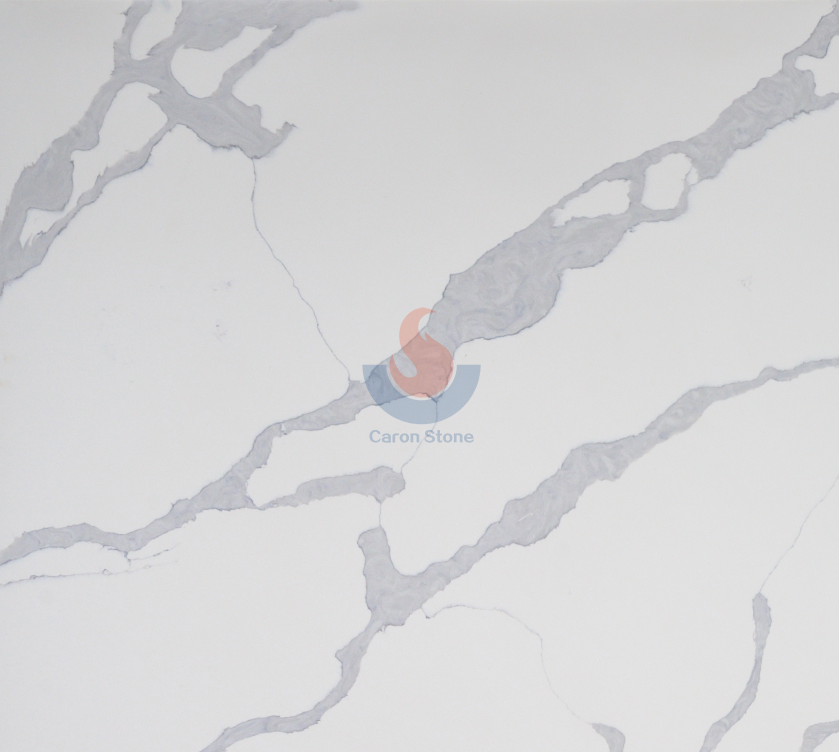 Calacatta White Artificial Quartz |  china-dreaming-green-marble-slab-polished |
FAQ
1. What are the most popular marble colors for commercial design in 2026?
In 2026, the trend has decisively shifted away from minimalist, pure white stones toward dramatic, high-contrast aesthetics. The most popular colors for luxury commercial design include heavily veined Calacatta varieties, intense burgundy and deep emerald green exotics, and bold brecciated stones. These striking, highly pigmented materials are utilized as massive, book-matched focal walls to create immediate visual impact and elevate the perceived value of hospitality and corporate spaces.
2. How do leathered marble finishes perform in high-traffic areas?
Leathered and honed finishes perform exceptionally well in high-traffic commercial environments. Unlike high-gloss polished surfaces, which readily show dust, fingerprints, and micro-scratches from foot traffic, a textured matte finish naturally masks daily wear and tear. Furthermore, these tactile finishes significantly increase the surface’s Dynamic Coefficient of Friction (DCOF), making them slip-resistant and far safer for commercial lobbies, wet areas, and outdoor transitional spaces.
3. What is the standard thickness for commercial wall cladding marble?
For commercial interior wall cladding, the standard thickness is typically 2cm (approximately 3/4 inch). This thickness provides ample structural integrity for large-format pieces while keeping the dead load manageable for the architectural substrate. For heavy-duty commercial flooring or exterior facades, a thicker 3cm (1 1/4 inch) profile is often specified to withstand higher compressive loads and extreme thermal expansion.
4. How do developers ensure batch consistency when buying wholesale marble?
To guarantee batch consistency across massive commercial projects, developers must source material directly from a factory that extracts from a single, designated quarry block. Additionally, B2B buyers should mandate digital slab mapping and a factory-floor “dry-lay” approval process. This involves the factory laying out the precisely cut pieces in their final architectural sequence and providing high-resolution overhead photography to confirm vein alignment and color consistency before shipping.
5. What are the new ESG regulations for importing natural stone?
Modern ESG (Environmental, Social, and Governance) regulations require strict transparency in the supply chain. Importing natural stone for commercial projects now often requires documentation proving that the quarry utilizes closed-loop water recycling, safe labor practices, and comprehensive land reclamation strategies. Adhering to these regulations is critical for developers seeking to achieve prestigious green building certifications like LEED v4.1 and BREEAM.
References
-
“Dimension Stone Design Manual, Version 8.0,” Natural Stone Institute (NSI).
-
“Standard Specification for Marble Dimension Stone (ASTM C503),” ASTM International.
-
“Dynamic Coefficient of Friction (DCOF) AcuTest for Commercial Flooring,” Tile Council of North America (TCNA).
-
“LEED v4.1 Building Design and Construction Guidelines,” U.S. Green Building Council (USGBC).
-
“Petrology and Compressive Strength Metrics of Calcareous Stones,” Journal of Architectural Engineering.
-
“Mitigating Substrate Deflection in Heavy Material Installations,” Construction Specifier Magazine.
-
“Environmental Product Declarations (EPD) in the Global Stone Industry,” Global Stone Federation.
-
“The Chemistry of Polymeric Sealers on Porous Mineral Surfaces,” Materials Science Database.
Deep Synthesis of Commercial Stone Procurement
Asset Protection & Lifecycle Protocol (What & Why): In 2026, the strategic procurement of commercial architectural stone requires balancing aggressive aesthetic trends (bold veining, exotic colors) with strict physical durability metrics. Because natural calcium carbonate is inherently porous (0.1% – 0.2% water absorption) and ranks 3.0-4.0 on the Mohs scale, the core “Why” for B2B buyers revolves around mitigating long-term operational risk. Specifying the correct surface finish and mandating premium fluoropolymer sealers prevents acidic etching and lowers facility OPEX, while sourcing directly from technologically advanced factories ensures batch consistency across large-scale deployments.
For high-visibility, low-traffic focal points like reception backdrops, specify High-Gloss Book-Matched Exotic Breccia to maximize perceived real estate value. For heavy-duty commercial corridors or wet zones, utilize Honed or Leathered Dolomitic Stone to elevate the Dynamic Coefficient of Friction (DCOF) and naturally mask daily abrasive wear from heavy foot traffic.
The primary procurement risks involve Substrate Deflection and Chemical Bleeding. Commercial floors must meet strict L/720 deflection criteria to prevent structural cracking under the extreme dead load of the stone. Furthermore, contractors must explicitly utilize white, non-staining epoxy or polymer-modified thin-sets to prevent alkaline moisture from bleeding through the porous matrix and permanently discoloring the surface.
📈 2026 Industry Compliance Trend: Global commercial mandates strictly require adherence to ESG (Environmental, Social, and Governance) protocols. Procuring natural stone from quarries with certified water recycling and land reclamation practices is no longer optional; it is a fundamental prerequisite for passing corporate audits and securing highly valuable LEED v4.1 or BREEAM green building certifications.